MEXT Science Policy Officials Visit Craif Lab as Urine-Based Cancer Screening Startup Draws Government AttentionA · FULL TRANSLATION
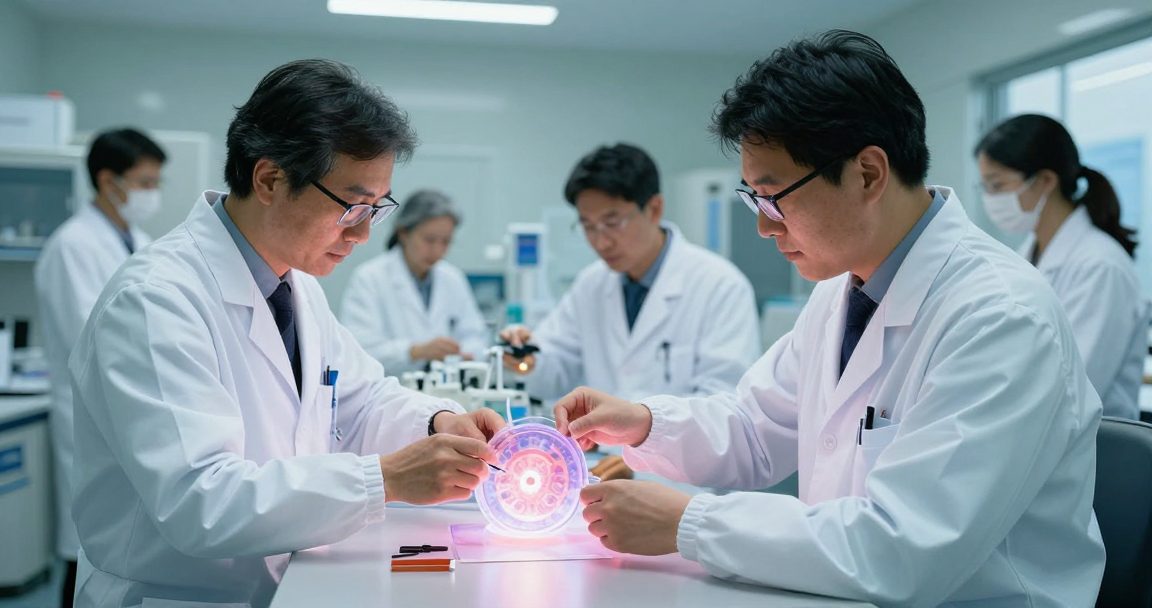
- MEXT science-policy officials, including HR policy division director Atsushi Oku, visited Craif's lab on May 28
- Craif is a bio-AI startup known for urine miRNA early cancer risk screening
- The Nagoya University spinout is based in Shinjuku, led by CEO Ryuichi Onose
- The visit focused on science talent policy and deep-tech startup practice
A MEXT visit to Craif looks routine but encapsulates Japan's deep-tech startup policy: aware that university research has long failed to commercialize, the government now bundles talent policy, research funding, and startup ecosystems together, with officials inspecting how PhD talent thrives in startups. Craif is the showcase — a Nagoya University spinout doing urine miRNA cancer screening, hitting three policy keywords at once: commercialization, deep tech, and bio-AI.
Commercially, official endorsement materially helps Japanese biotech startups raise funds and win corporate partnerships; being inspected is itself a credibility asset, which is precisely why Craif issued a press release. Taiwan faces the same PhD-career and funding-gap bottlenecks, and Japan's approach of treating talent policy as startup policy is worth studying.
When government becomes a startup's most important source of credibility, where does the market end and policy begin?
Bio-AI startup Craif Inc. (Shinjuku, Tokyo; CEO: Ryuichi Onose) announced that on Thursday, May 28, 2026, Atsushi Oku, Director of the Human Resources Policy Division at MEXT's Science and Technology Policy Bureau, and other ministry officials visited Craif's research laboratory.
Craif, a technology spinout from Nagoya University, develops early cancer risk screening services using microRNA (miRNA) in urine combined with AI analysis, and is regarded as one of Japan's representative deep-tech startups.
The visit focused on science and technology talent policy, with officials observing first-hand how PhD-level researchers are utilized in startups and how research is being commercialized.