Japan's 'Air Conditioner 2027 Problem' Sparks a Buying Rush — New Efficiency Rules Explained
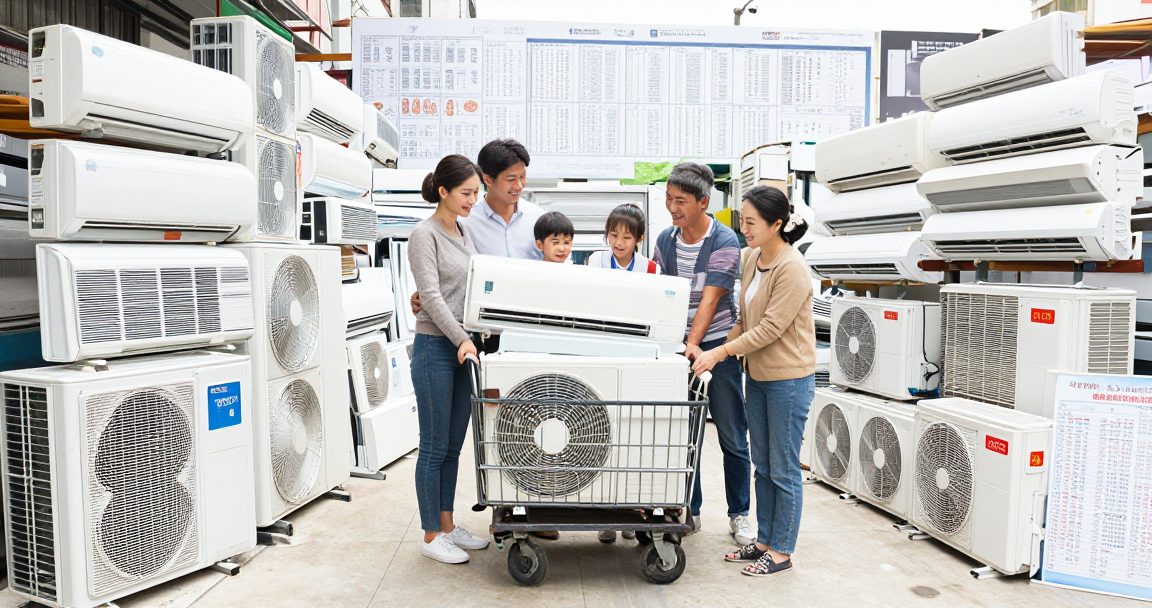
- Stricter energy-efficiency standards from 2027 are pushing buyers to grab current models early
- The rush has overwhelmed installation crews, with waits stretching weeks
- Middle East tensions are squeezing naphtha-based component supply, adding to the chaos
- New-standard units cost more upfront but promise lower electricity bills over time
Summer hasn't peaked, but Japan's air-conditioner market is already in a regulation-driven frenzy. Energy-efficiency standards tighten in 2027 — the industry's 'AC 2027 problem' — meaning current models will exit the market in favor of more efficient, pricier replacements. Bargain-minded households are rushing to buy existing units before the switch, installation queues have stretched to weeks, and Middle East tensions squeezing naphtha-based components have deepened the supply crunch. The math splits two ways: heavy users recoup the premium on new-standard units through Japan's elevated electricity prices, while light users do better grabbing discounted current models. Japan has run this script before — the 2010 eco-point TV rush and the pre-consumption-tax-hike buying sprees of 2014 and 2019 all pulled demand forward and left a demand vacuum afterward, which is exactly what manufacturers should brace for in 2027. For property owners and minpaku operators in Japan, the practical lesson is risk management: replacing aging units in the off-season beats waiting weeks for repairs in peak summer. Watch METI's follow-up announcements on the new standards, summer temperatures, and clearance discounting at big-box retailers. The regulatory clock is set; the only remaining variables are weather and geopolitics.