As EV Demand Cools, Japan's Automakers Mix Engines and Batteries on One Line
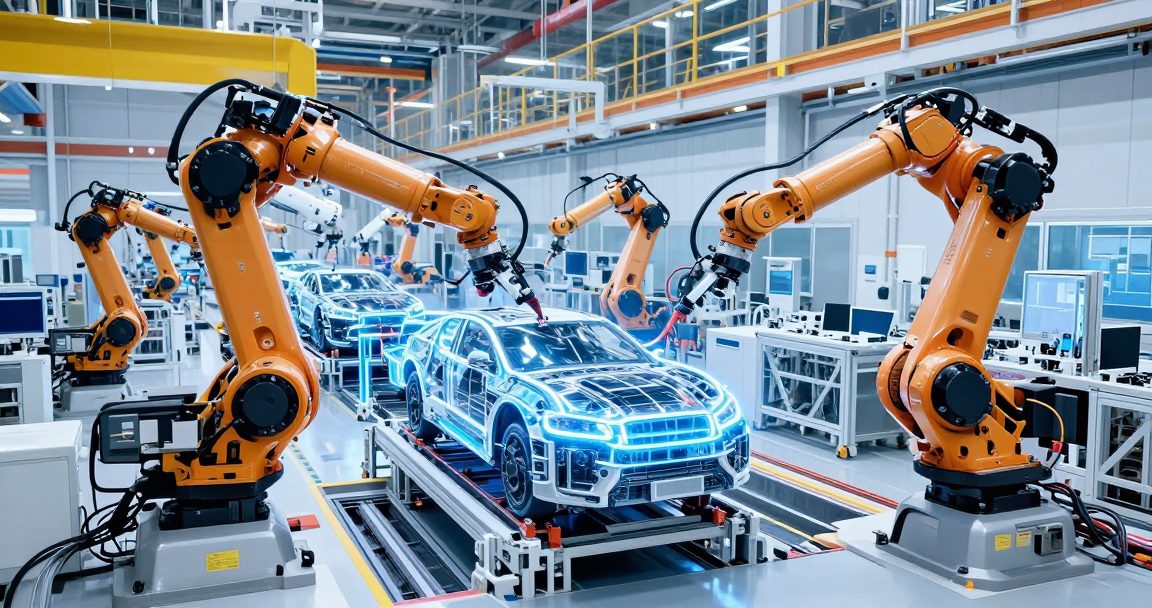
- Mixed-flow production of EVs, hybrids and gasoline cars on shared lines is spreading in Japan
- Flexible lines let output ratios shift with demand, hedging capital-investment risk
- Production and supply-chain complexity rises substantially in exchange
The era of betting on a single powertrain is over; Japan's automakers are spreading the wager across the assembly line itself. With EV demand slowing, mixed-flow production — running EVs, hybrids and gasoline vehicles down the same line — is proliferating across the industry. The logic is financial: a dedicated EV plant becomes a stranded asset when demand disappoints, while a mixed line adjusts model ratios in real time, diluting capex risk. The price is complexity — wildly different parts counts, assembly sequences and supplier rhythms — but precision coordination of exactly this kind is the craft Japanese manufacturers spent decades perfecting. Against Tesla's and Chinese rivals' bet on EV-platform scale economies, Japan is betting the powertrain transition will be long and plural. For suppliers, the keyword is flexibility: small-lot, multi-spec switchers will out-earn single-spec volume players.