Japan's Latest Renovation Data: Reading the Real Demand in PropertyA · FULL TRANSLATION
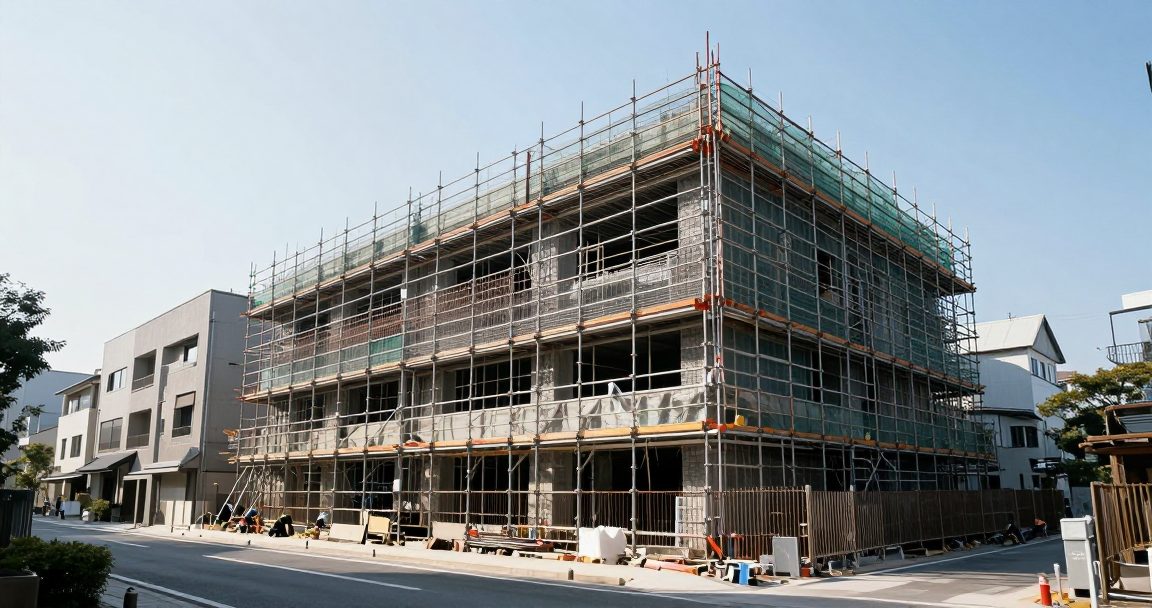
- MLIT releases its building reform/renewal survey (Q4 and full FY2025)
- Renovation market size reflects maintenance and remodeling demand for existing stock
- An official gauge of Japan's property 'stock economy' for buyers
Taiwanese buyers eyeing Japan often watch new builds but overlook the renovation market — a truer demand gauge. MLIT's latest building reform/renewal survey (Q4 and full FY2025) offers an official view of the stock market.
Japan is already a 'stock economy': new builds shrink, and maintaining and remodeling existing buildings is the main arena. Renovation order trends show whether owners will invest in their properties — a better signal of resilience than new-home sales. Areas with strong renovation demand often mean assets people still want to hold and upgrade.
Cross-read with the housing market and land-price data: where renovation, prices and inflows align, fundamentals are firmest.
The Ministry of Land, Infrastructure, Transport and Tourism released its Building Reform/Renewal Survey (Q4 of FY2025 orders and the FY2025 total). The survey tracks the actual state of orders for building reform and renewal works, regularly compiling order values for residential and non-residential renovation. This release covers Q4 and full-year order values, reflecting the scale and trend of maintenance and remodeling demand for existing buildings amid a slowdown in new construction. See the original MLIT report for full data and breakdowns.