Old Kyoto Newspaper HQ Becomes a Thai-Backed Luxury Hotel—A Property Signal for Kyoto Lodging by 2029
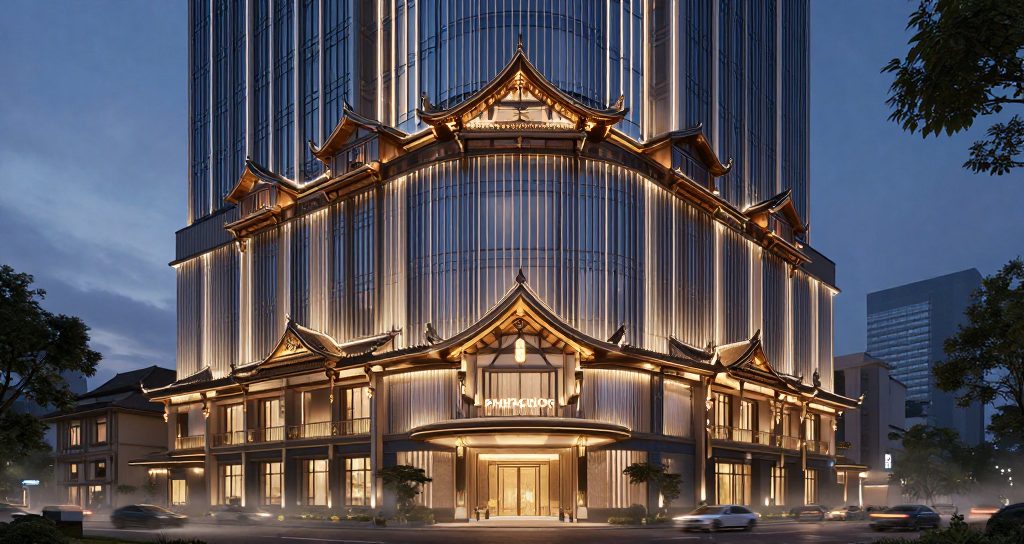
- Taisei, Heiwa Real Estate and Thailand's Minor International will convert the former Kyoto Shimbun HQ into a hotel
- The Royal Minor Hotels project, tentatively 'Avani Kyoto', targets a FY2029 opening, keeping the facade, design and old press hall
- Foreign capital betting on premium Kyoto lodging signals long-term confidence in inbound tourism and Kyoto's scarcity
- For lodging entrepreneurs and tourism-property investors, it is a model of heritage reuse + global brand + tourism recovery
An old newspaper building becoming a hotel looks like local redevelopment news—but stack three words, Kyoto, foreign capital, luxury lodging, and it is a clear tell for anyone trying to make money from Japanese tourism.
Taisei, Heiwa Real Estate and Thailand's Minor International will convert the former Kyoto Shimbun headquarters into a hotel; Royal Minor Hotels will bring the Avani brand as the tentative "Avani Kyoto," targeting a FY2029 opening while preserving the facade, design and the historic printing-press hall—turning a building with a story into a memorable stay.
Why a signal, not just news? Foreign capital votes with its feet: an Asian hotel group planting a flag in premium Kyoto lodging trusts long-run inbound demand and Kyoto's scarcity, and such moves often lead retail by years. Kyoto's supply is constrained by strict heritage rules and scarce land, so heritage reuse is the main outlet for high-end supply—dodging new-build limits while carrying a history premium. And aiming at 2029 is a long bet that the inbound market stays strong.
Context: Aman, Six Senses and now Avani/Minor keep entering Kyoto as recovered tourism pushes room rates ever higher. Paths ahead: the trend extends; prime districts stay hot while fringe projects face crowding; or a much stronger yen and overtourism backlash slow the pace. For readers: the model is heritage + global operator + recovery, but the barriers are property acquisition and regulation; investors buy scarcity and appreciation, not high yield. Watch inbound numbers and Kyoto room rates, the city's tourism and minpaku rules, and whether more global brands keep coming.