Mitsubishi Motors Adopts 'Shippio Cargo' Trade-Management Cloud to Strengthen Global Supply ChainsA · FULL TRANSLATION
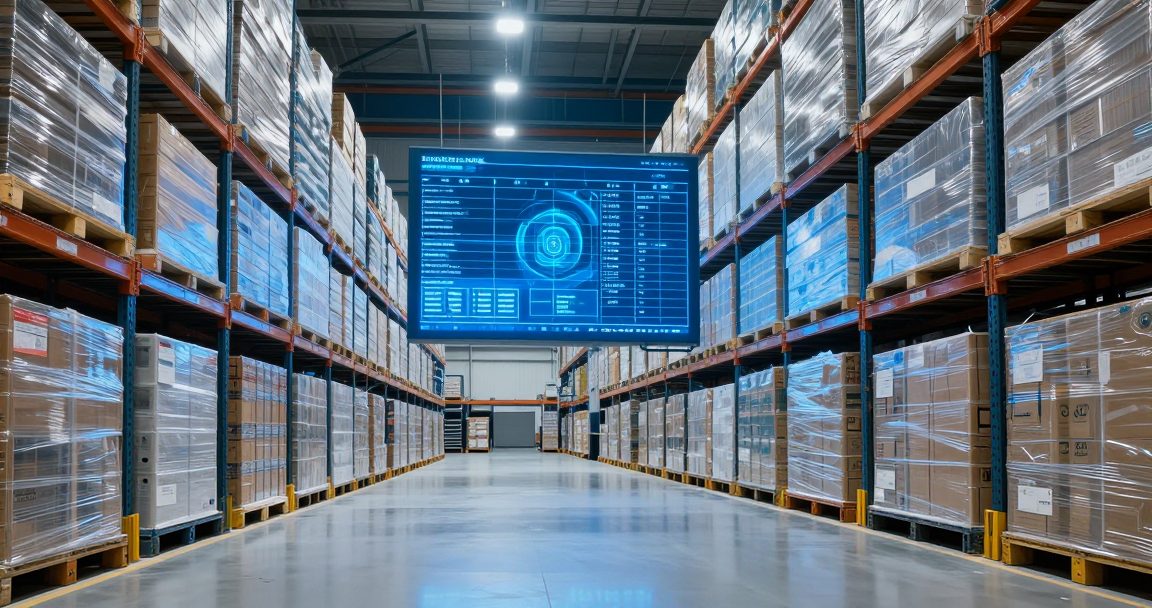
- Mitsubishi Motors adopted the shipper-facing trade-management cloud 'Shippio Cargo'
- The aim is to strengthen visibility and efficiency across its global supply chain
- It reflects manufacturers investing more in supply-chain digitization and resilience amid geopolitical risk
An automaker adopting trade-management software sounds dull but mirrors a big manufacturing trend. Mitsubishi Motors adopted the shipper-facing trade-management cloud "Shippio Cargo" to strengthen global supply-chain visibility and efficiency—moving import/export processes once scattered across email, Excel and forwarders onto a platform that shows in real time where goods are and where they are stuck. Why notice? It points to two certainties: supply-chain digitization and visibility are shifting from nice-to-have to must-have, especially amid geopolitical risk and transport disruptions—you can only manage what you can see; and the SaaS/logistics-tech vendors serving this demand are riding manufacturers' digital transformation. Taiwan's many manufacturers and traders face the same resilience challenge, making Mitsubishi's choice a useful peer signal. Watch whether such trade-management SaaS spreads across Japanese manufacturing.
Mitsubishi Motors announced the adoption of the shipper-facing trade-management cloud service 'Shippio Cargo' to strengthen management of its global supply chain. The service consolidates import/export trade information and workflows on a cloud platform, improving visibility of goods flows and operational efficiency and helping the company grasp and manage cross-border logistics in real time. Against a backdrop of rising geopolitical risk and shifting transport conditions, adopting such digital tools helps enhance supply-chain resilience and transparency. (Compiled from public information.)