After Nikkei Tops 70,000, Which Japan Stock Sectors to Watch
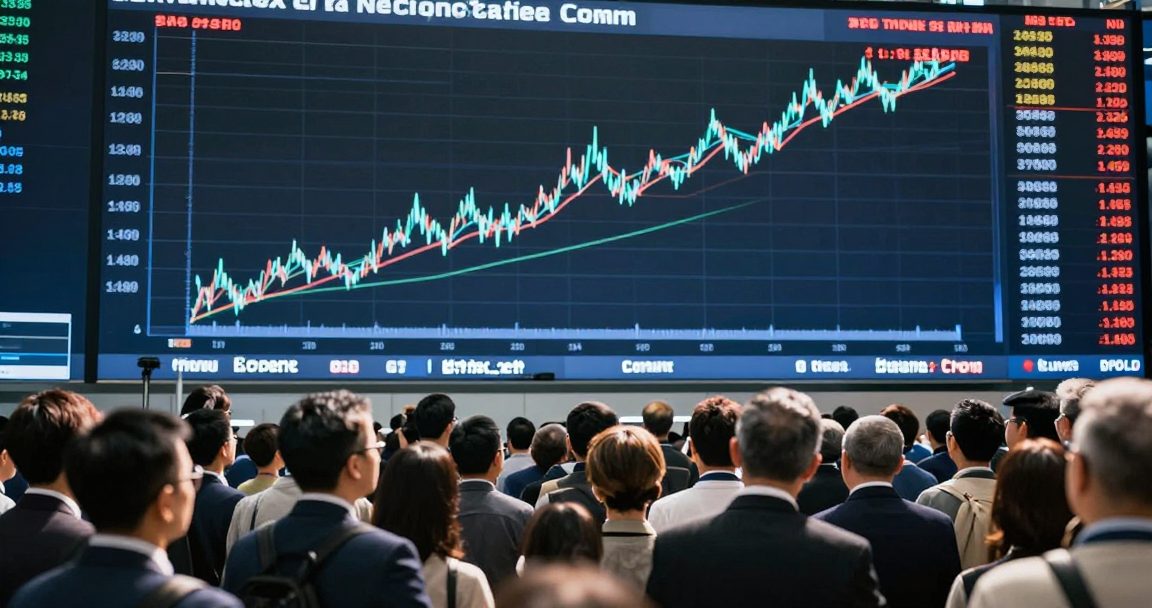
- The Nikkei average topped 70,000 intraday for the first time, with the hike seen as within expectations and even supportive.
- Not all sectors suffer from rising rates; banks benefit from widening lending spreads.
- Stock-picking logic shifts from a liquidity-driven rally toward earnings and spreads.
- Index highs do not mean broad bullishness; sector rotation is the main event.
The Nikkei topped 70,000 for the first time, but the better question is not how much higher the index can go, it is which sectors money rotates into as Japan enters a hiking cycle. Rising rates reshuffle the market's internal structure, and reading sector rotation matters more than chasing the index.
The hike was read as within expectations, removing uncertainty and even supporting stocks, a sign the rally now rests partly on fundamentals rather than only cheap money. Higher rates hurt two groups: expensive growth stocks whose future cash flows get discounted harder, and heavily indebted industries. But banks and insurers benefit as lending spreads widen, and Japan's long-suppressed financial sector has unusual room to recover from an ultra-low starting point.
For investors: do not treat new index highs as a green light to buy everything. Watch financials' relative performance, long-dated yields, and corporate pricing power, the real test of winners versus losers in a tightening cycle.