Nikkei Closes at a Record Again: Falling Oil Lights the Rally, but Mind the Hiking Cycle
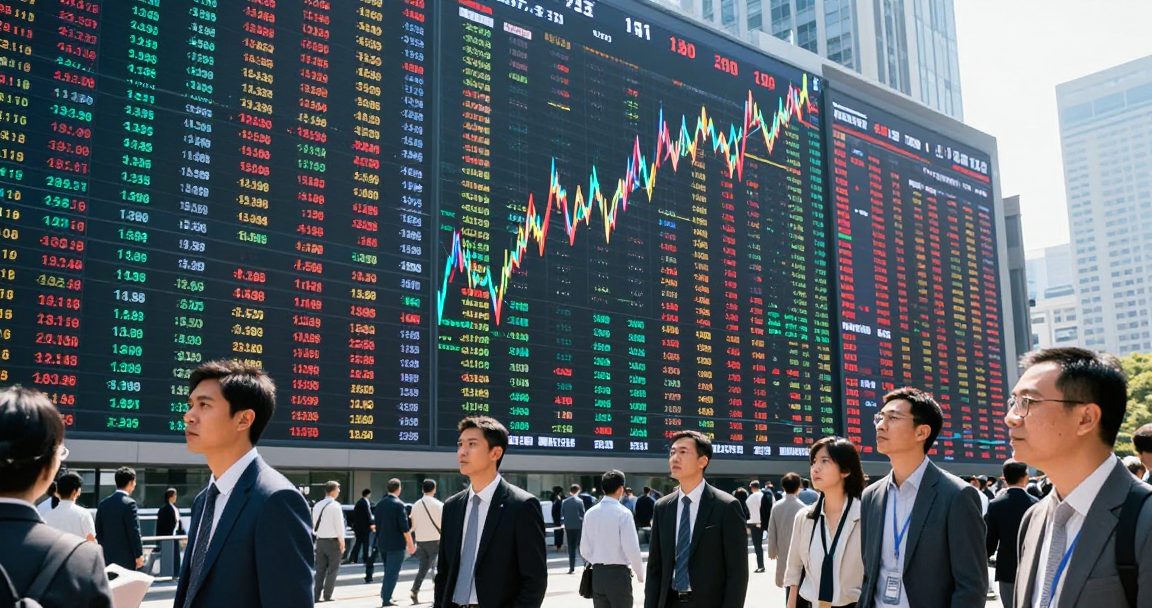
- On the 17th the Nikkei closed at a record high as falling oil futures lifted hopes for improved corporate earnings.
- Cheaper oil directly cuts costs for energy, transport and manufacturing, supporting profit expectations.
- But with the BOJ entering a hiking cycle, the market logic shifts from broad gains to divergence.
- Investors should separate genuine earnings gains from sentiment, and favor stock-picking over the index.
Tokyo stocks rose broadly on the 17th and the Nikkei closed at a record high, triggered by falling oil futures and hopes of better earnings, since cheaper oil cuts costs across energy, transport, chemicals and manufacturing. The reason behind the high matters: gains built on real cost-driven earnings are solid; gains from sentiment paying higher multiples for the same profits are fragile. There's a tension, too, lower oil eases inflation and the case for hikes, yet the BOJ is hiking, so the record comes amid a tug-of-war between cheaper oil and tighter policy, which is why the index alone won't do. Records bring sharper rotation: as cheap-money flows recede, high-multiple growth names wobble while solid value and financial stocks hold up. Scenarios: oil keeps falling and earnings confirm (durable but divergent); oil rebounds or the BOJ surprises (valuation-led names pressured); and the Fed and yen sway the ceiling via FX and flows. For Taiwan readers, index funds in a hiking cycle blend winners and losers, raising the case for active or thematic picks. Watch oil's path, earnings confirmation, and the BOJ's size and tone.