Tokyo Tonkotsu Ramen 2026: Nine Pork-Bone Bowls, From a 60-Hour Hakata Broth in Adachi to Tokyo-Style Tonkotsu in Harajuku
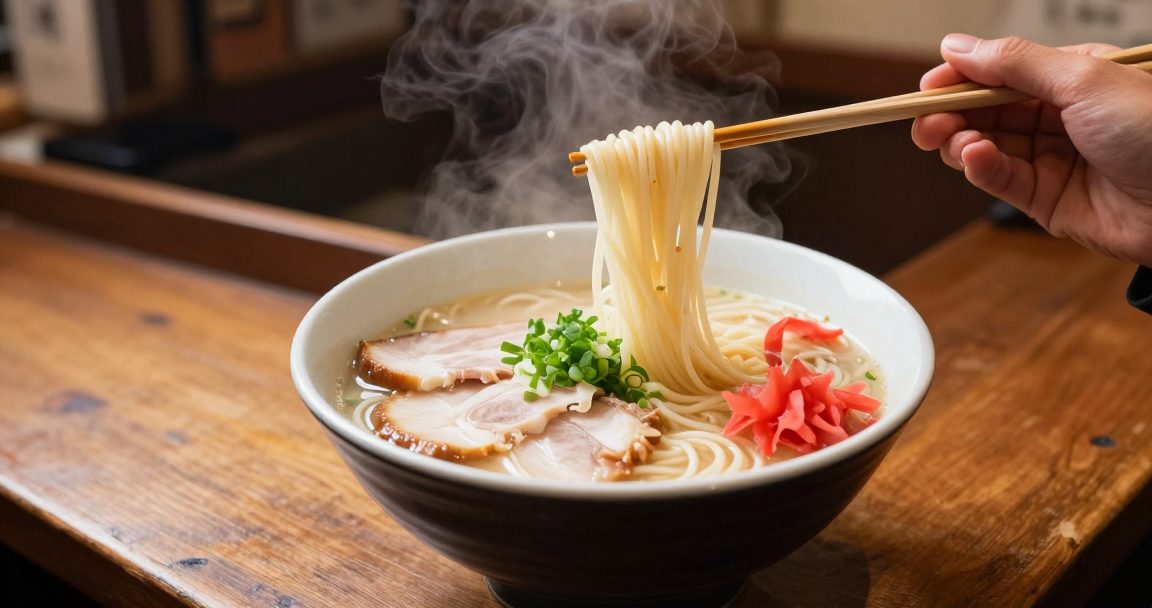
- One trip through the whole family tree: Hakata-Nagahama (Tanaka Shoten), Fukuoka natural tonkotsu (Ichiran), refined modern broth (Ippudo), iekei tonkotsu-shoyu (Kan-2-ya, Kichijoji Musashiya), Kumamoto black mayu oil (Nantsuttei), seafood tonkotsu (Sakurazaka), and Tokyo tonkotsu (Tonchin, Kyushu Jangara).
- Ordering keywords: kaedama (noodle refill ~100-150 yen), barikata/kata (noodle firmness); for iekei say 'katame / koime / oome'; takana, red ginger and garlic are self-serve.
- Hyakumeiten pick: Tanaka Shoten is listed among Tabelog's Ramen Hyakumeiten, simmering pork bones about 60 hours with ultra-thin low-hydration noodles.
- Budget: mostly 800-1,500 yen, kaedama ~100-150 yen extra; Ichiran skews higher, Tokyo-tonkotsu and iekei shops are friendlier on price.
- For Taiwanese readers: look past Ichiran and Ippudo—iekei and Tokyo tonkotsu are the local everyday; save late-night shops (Tanaka Shoten, Tonchin West Exit) for the end of the day.
Tonkotsu is the ramen style most Taiwanese travelers know best, yet it is often reduced to just two names: Ichiran and Ippudo. In Tokyo you quickly learn those are only the opening of the Kyushu pork-bone story. The roots are the Kurume and Hakata-Nagahama street stalls, with ultra-thin low-hydration noodles, the 'kaedama' refill, and a broth boiled until it turns cloudy white. Carried north to Yokohama it became 'iekei'—tonkotsu-shoyu with chicken oil and thicker noodles; carried east into Tokyo in the 1980s-90s it grew a milder, freshly-boiled 'Tokyo tonkotsu'; and Kumamoto added the burnt-garlic 'mayu' oil. These nine shops flatten that family tree, from a 60-hour Hakata broth in Adachi to the Harajuku pioneer that first brought tonkotsu to Tokyo.
Learn three ordering words first: noodle firmness (barikata is the firm Hakata default); 'kaedama,' a noodle refill for about 100-150 yen once the noodles are gone but the broth remains; and for iekei, the trio 'firmness / richness / oil' you call out as katame / koime / oome. Table-side takana, red ginger and garlic are self-serve—taste it plain first.
The Kyushu pork-bone broth is not one flavor but several branches that grew up apart. The oldest source is Kurume, where postwar stalls boiled bones into a milky soup; coastal Hakata-Nagahama developed the ultra-thin noodle and the kaedama refill. Carried north to Yokohama in 1974, Yoshimuraya rewrote it as 'iekei'—a tonkotsu-shoyu base with chicken oil and medium-thick noodles. Carried east into Tokyo in the 1980s-90s it became a milder, freshly-boiled 'Tokyo tonkotsu,' while Kumamoto added burnt-garlic mayu oil.
These nine shops walk that route from the homeland to the local. Tanaka Shoten in Adachi is the closest thing in Tokyo to a Hakata stall, with a roughly 60-hour broth and a Tabelog Hyakumeiten listing. Ichiran and Ippudo are the two stones that turned tonkotsu into food for everyone—Ichiran with its 'flavor concentration' solo booths and natural tonkotsu, Ippudo with the cafe-like room it opened in Fukuoka in 1985. Kan-2-ya in Kamata is a rare direct heir of Yokohama's Yoshimuraya; Kichijoji Musashiya uses the 'yobimodoshi' carry-over method. Nantsuttei floats black mayu oil over a creamy Kumamoto broth, while Sakurazaka in Shibuya layers pork bone with seafood dashi for a cleaner modern bowl. Tonchin (1992) and Kyushu Jangara (1984) are Tokyo's own answer—milder, fresher broths that made the city's tonkotsu its own.
Split the nine into three legs—homeland richness, iekei, and Tokyo's milder and experimental bowls—pick one route per day, and you can taste the whole spectrum from Kurume to Tokyo in a single trip. (Sources: Tabelog Ramen Hyakumeiten 2025, shop official sites, and Wikipedia entries on tonkotsu and iekei ramen.)
 Scan for map
 Scan for map
 Scan for map
 Scan for map
 Scan for map
 Scan for map
 Scan for map
 Scan for map
 Scan for map