Nikkei Closes Above 70,000 for First Time as US-Iran Truce Lifts Buying
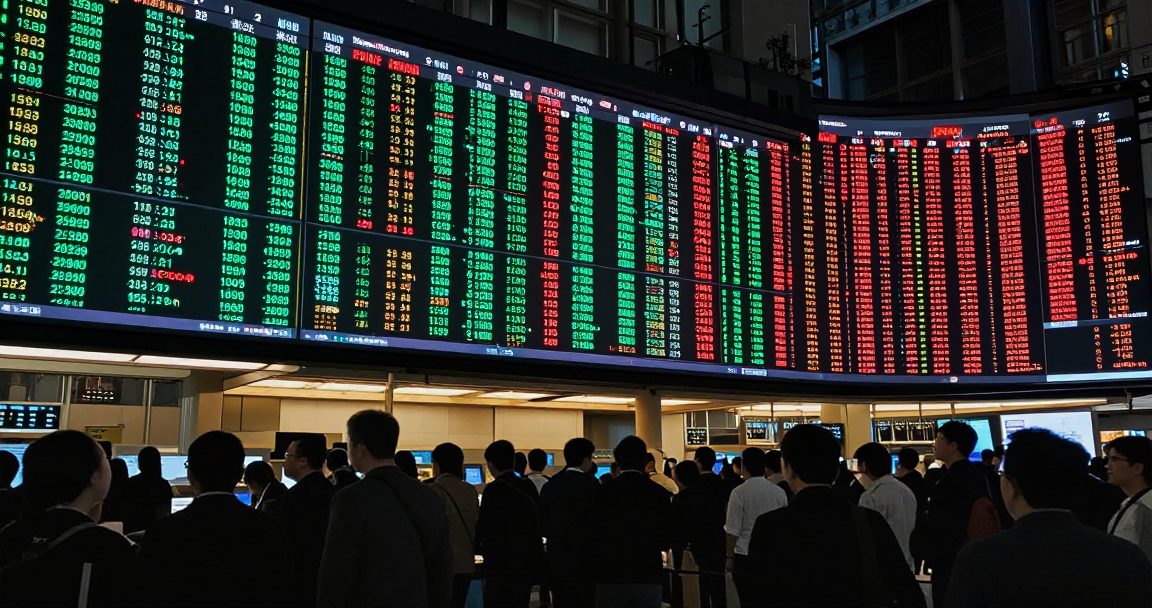
- Nikkei 225 closed above 70,000 for the first time on June 18, a fourth straight record high
- The immediate trigger was a US-Iran ceasefire memorandum that cooled geopolitical risk
- A weak yen has steadily lifted exporter earnings forecasts, fueling the rally
- Taiwanese investors face a chase-or-take-profit dilemma, with Fed hikes and FX reversal as key risks
The Nikkei 225 closed above 70,000 for the first time on June 18, its fourth consecutive record high. The round number is more symbolic than fundamental, but it crystallizes a two-year story of structural re-rating in Japanese equities. The immediate catalyst came from abroad: a US-Iran ceasefire memorandum cooled geopolitical risk, pushed oil futures lower, and rotated money out of bonds and gold back into stocks, with broad buying across sectors rather than a narrow rally. The deeper fuel, however, is the weak yen. Exporters' overseas earnings are inflated in yen terms, so brokerages keep raising profit forecasts, and valuations look less stretched as the earnings denominator grows. The record high and yen weakness are two sides of one coin. Unlike the 1989 bubble peak, this advance rests on governance reform, foreign inflows and FX-driven profits rather than property and credit excess, which makes it better supported but more dependent on rates and the currency. Three paths follow: continued strength if the truce holds and the yen stays soft; a sharp pullback if Fed or BOJ hikes lift the yen and erase the export bonus; or high-level churn. For overseas investors, the key is to separate price gains from FX gains, since a yen rebound could erode returns. Watch whether the truce is actually implemented, the Fed and BOJ rate paths, and whether dollar-yen reverses from around 161.