One Year After Nippon Steel-US Steel Deal: Growth Lies Abroad, Says Vice Chair
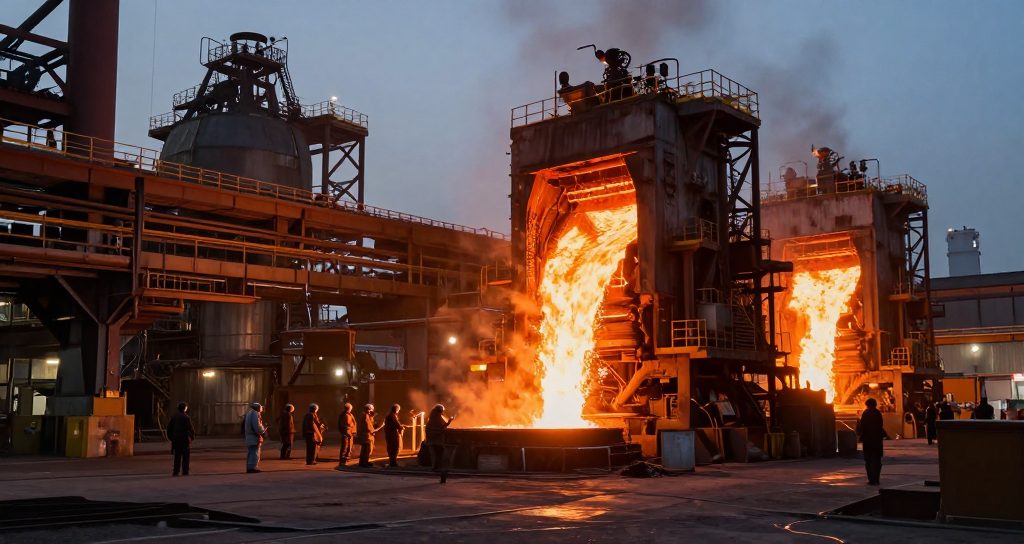
- One year on from Nippon Steel's acquisition of US Steel, a major industry reshaping enters its integration phase
- Vice Chair Mori said geopolitical risk is stark amid US-China and Middle East tensions, and growth must come from abroad
- It reflects a mature domestic market pushing Japanese manufacturers toward overseas M&A for growth
- For readers it is a case study of Japanese legacy-industry globalization and geopolitical risk pricing
One year on from Nippon Steel's acquisition of US Steel, a landmark steel-industry reshaping has reached its integration phase. In an interview, Vice Chair Takahiro Mori said that amid stark geopolitical risk from US-China and Middle East tensions, the company's growth 'must be sought abroad', both a defense of the deal and a statement of the structural challenge facing mature Japanese manufacturers. To understand the deal, start with the ceiling on domestic demand: an aging, shrinking population caps Japanese steel demand, so a home-only strategy traps a firm in a slowly contracting market. Buying into the large US market is the classic path of using capital to purchase growth, which is why the vice chair is so blunt about 'overseas'. The price of cross-border M&A is importing geopolitical risk, US-China friction, the Middle East and trade-policy uncertainty all hit a trans-Pacific investment, and the first year of integration is a lesson in managing that. For readers, the case mirrors Japanese legacy-industry globalization, relevant to Taiwan's mature manufacturers facing limited domestic demand, and reminds investors to price geopolitical risk for globally exposed firms. Watch whether integration synergies materialize, US trade-policy shifts, and other Japanese legacy-industry overseas deals.