Japan's Chip Exports to China Jump 50% in 2025 on AI Memory Boom
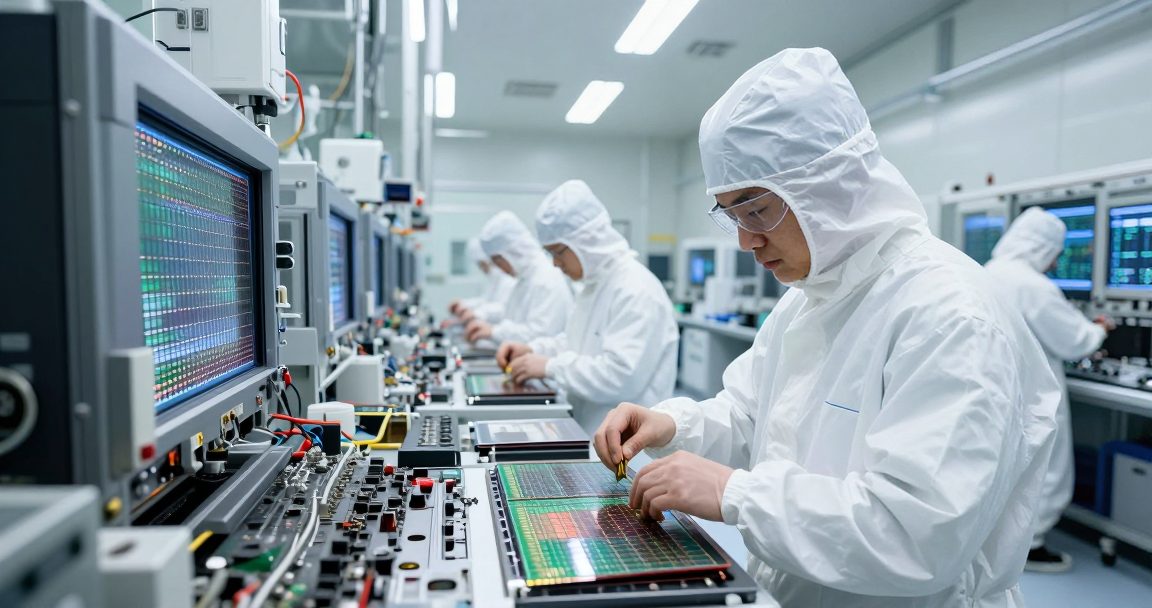
- Japan's chip-related exports to China rose about 50% in 2025 despite frosty politics
- AI is the engine: data centers are devouring memory, materials and equipment
- Memory prices, a Japanese strength, also surged—volume and price both lifted value
- For investors: Japan's chip materials, tools and memory chain are AI-cycle winners
- Risk: geopolitics and export controls can rewrite the rules; demand is cyclical
Japan's semiconductor exports to China surged about 50% in 2025—against the political wind. As diplomacy stays icy, chips, materials and tools keep flowing across the strait. This is textbook "cold politics, hot economics," and this time the heat is AI.
The jump reflects both volume and price. China's data-center and AI-server buildout structurally widened demand for memory, wafer materials and equipment, while memory prices—a Japanese strength—soared. Selling more and selling dearer compounds far harder on revenue and margins than volume alone.
Why Japan? The real AI bottleneck often sits upstream—photoresists, specialty chemicals, silicon wafers, inspection and packaging gear—where Japanese firms hold world-leading share. China cannot expand AI capacity without them, which only deepens mutual dependence.
Three paths: durable demand if the AI arms race continues; a policy shock if export controls tighten overnight; or a cyclical reversal, since memory is famously boom-bust.
For Taiwanese readers, this is both an investing mirror—Taiwan and Japan ride the same AI-memory wave in different cabins—and a risk warning: deeper Japan-China trade means more geopolitical tail risk for the whole East Asian chain. Watch memory pricing, new export-control moves, and China's data-center investment pace.