G7 Builds Broader Consensus on AI Rules, Macron Hails ProgressA · FULL TRANSLATION
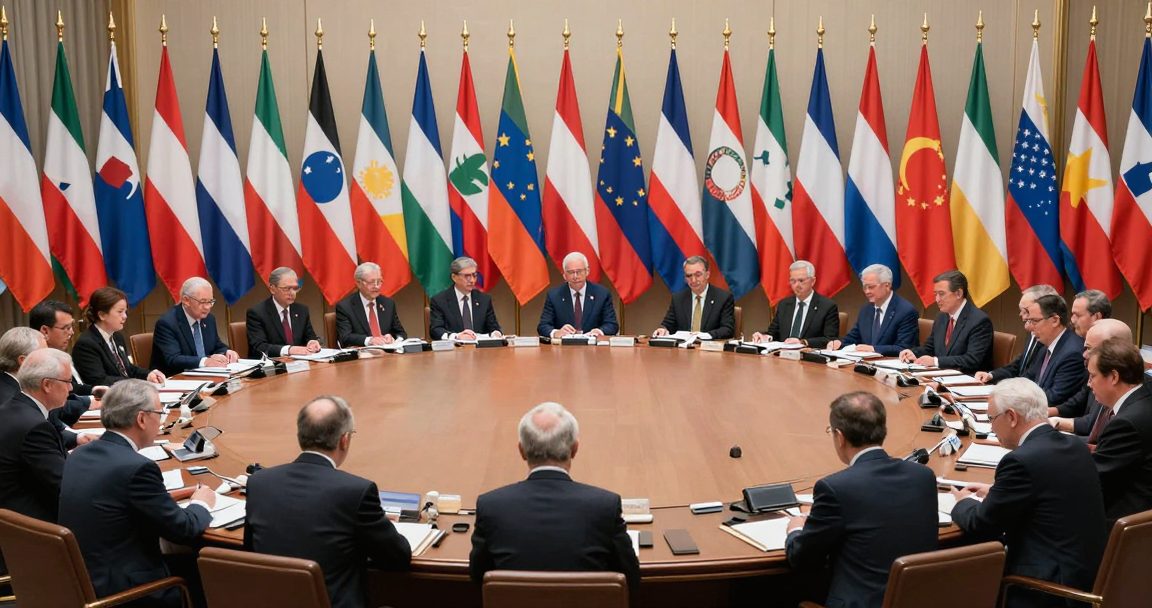
- The G7 summit reached broader consensus on AI rules; Macron stressed progress in coordination.
- Japan, the US and the EU exchanged views on AI governance.
- Nations seek balance between innovation and risk.
- Coordinated rules affect multinationals' compliance costs and tech strategy.
At the latest G7 summit, AI governance gained broader consensus, with Macron highlighting progress in international coordination. The challenge is two-sided: too loose invites deepfakes and bias; too strict stifles innovation. The EU legislates hard, the US favors self-regulation, Japan seeks a middle path, so consensus amid divergence is itself progress. Because AI ignores borders, interoperable standards lower compliance uncertainty for global firms. For Japan, shaping such frameworks is key to its voice in tech governance. Watch whether consensus becomes enforceable rules.
At the latest G7 summit, member nations reached broader international consensus on rules for artificial intelligence (AI). French President Macron stressed after the meeting that the international community is making real progress on coordinating AI governance. Participants included Japan, the US, Canada, Italy, the UK, Germany, France and the EU.
Amid rapid development and adoption of generative AI, balancing innovation with risk control has become a shared challenge. Nations exchanged views on AI safety, transparency and accountability, hoping to build interoperable governance frameworks. Macron noted that despite differences in specific approaches, reaching consensus on such a cross-border technology helps reduce compliance uncertainty for multinationals and supports healthy development. For Japan, active participation is an important route to influence in global tech governance.