Living Tourism Spreads to 9 Regions via Long-Stay ProgramA · FULL TRANSLATION
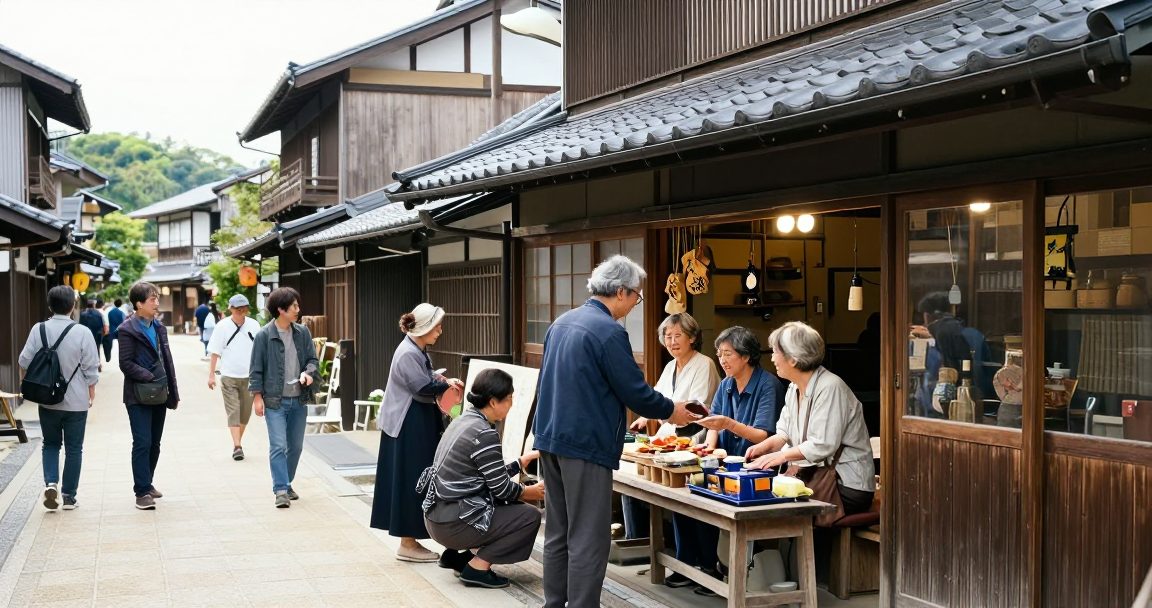
- Iwami Ginzan's long-stay program expands to nine regions nationwide in FY2026.
- Its 'living tourism' concept immerses participants in local life to grow community fans.
- It spans Shimane, Tokushima, Kochi and Toyama, echoing revitalization policy.
- Unlike sightseeing, it emphasizes deep experience and lasting ties.
Iwami Ginzan's long-stay program expands to nine regions in FY2026, signaling a shift in Japan's regional tourism from quick sightseeing to living locally. Its 'living tourism' makes visitors temporary community members who join daily life and build real relationships, cultivating 'relational population' rather than one-off tourists. With many regions facing depopulation, long-stay models turn footfall into steadier ties and spending, echoing the post-pandemic workation trend. For anyone running lodging or local businesses, opportunity lies not only in hotspots but in places that retain people through a sense of life. Watch results and scalability.
Iwami Ginzan Regional Management Research Institute (Shimane; head: Tadashi Matsuba), part of the Iwami Ginzan Gungendo Group, announced it will expand its long-stay program 'Asobu Koho' to nine regions nationwide in FY2026, including Oda and Hamada in Shimane, Kamikatsu in Tokushima, Nakatosa in Kochi, and parts of Toyama.
The program centers on 'living tourism': rather than superficial sightseeing, participants immerse in local daily life and join community activities to become emotionally connected 'fans' of the region. The institute sees this as a way to nurture a 'relational population' that keeps caring and returning. Against the backdrop of regional revitalization policy, such long-stay tourism is viewed as a route to stable ties and spending, echoing the post-pandemic workation trend.