Tokyo Yakitori 2026: Nine Picks From Meguro's Ten-Year Michelin 'Torishiki' and Ginza's Star Pioneer 'Bird Land' to Tateishi's Downtown Skewers
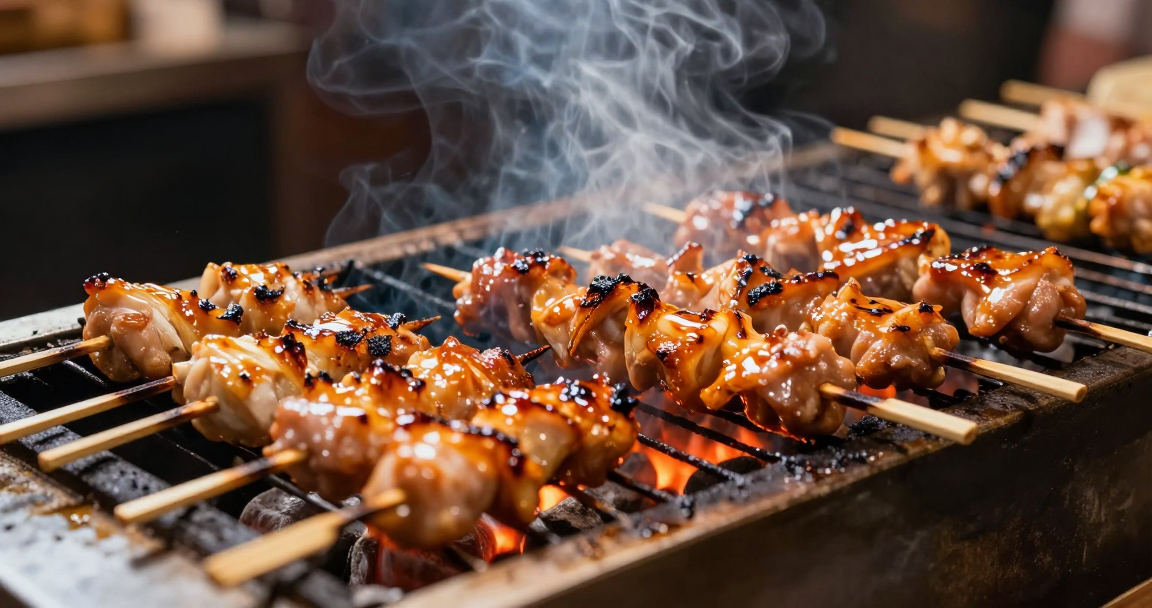
- Sort three tiers: (1) hard-to-book pantheon (Torishiki, Meguro, a decade of Michelin / Bird Land, Ginza, Japan's first starred yakitori / Toriyoshi, Nakameguro, where the Torishiki chef trained) all need booking and reward a dedicated trip; (2) Tabelog Top-100 names (Torioka, Azabudai, EAST Top-100 2025 / Toriyaki Obana, Ebisu, Michelin Selected 2025 + chicken-cuisine Top-100 / Toritama, Kagurazaka, a more bookable mid-price Top-100); (3) heritage entry points & downtown skewers (Isehiro, Kyobashi, founded 1921, lunchtime yakitori-don / Akimotoya, Nogata / Sasamoto, Tateishi, downtown stand-and-drink legends).
- Wide price range: downtown skewers ~100-150 yen each, ~2,500-3,500 yen per person to eat and drink your fill; mid-price Top-100 ~5,000-8,000 yen; pantheon omakase ~9,000-16,000 yen. Decide the occasion first.
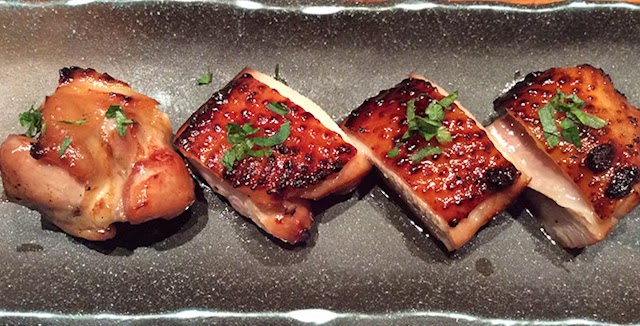
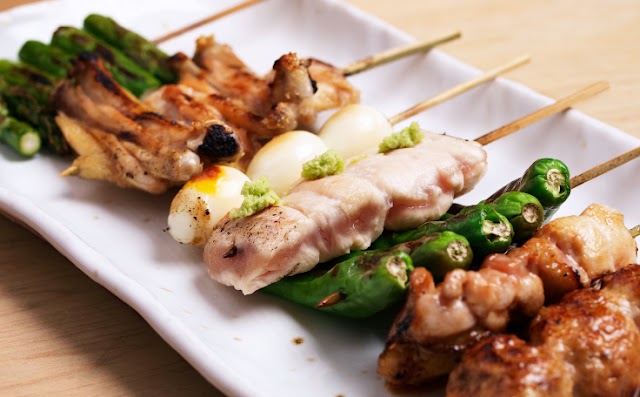
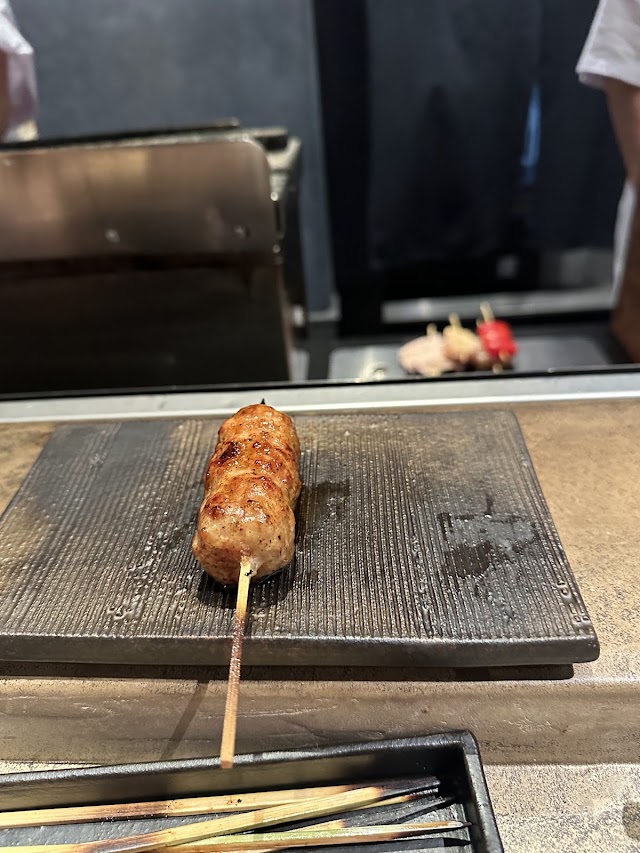
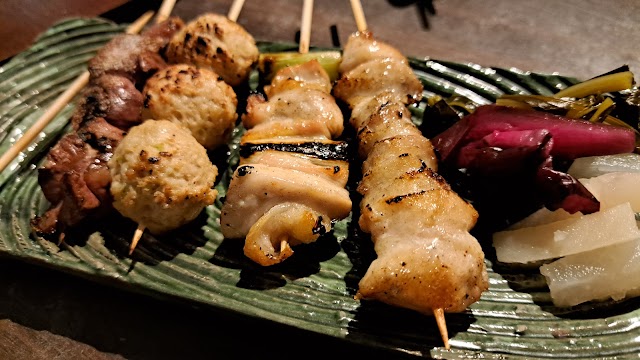
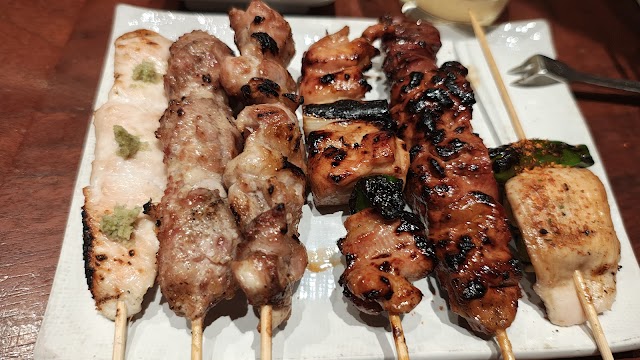
- Ordering words: momo (thigh, juicy), mune (breast, lean), kawa (skin, crisp), tsukune (meatball), bonjiri (tail, rich), sunagimo (gizzard), reba (liver); seasoning is 'tare' (sauce) vs 'shio' (salt).
- Booking reality: the very top (Torishiki) often needs a month-plus and fixed release days; for Top-100 quality you can still book, pick Toritama in Kagurazaka or Obana in Ebisu; for no reservations and a casual night, go to Akimotoya in Nogata or Sasamoto in Tateishi.
- For Taiwanese readers: for the artisan ceiling go to Torishiki in Meguro; to understand why yakitori earns a Michelin star visit Bird Land in Ginza; for bookable Top-100 quality choose Toritama in Kagurazaka; for an affordable heritage intro have the lunchtime yakitori-don at Isehiro in Kyobashi; for the most characterful downtown skewers, stand and drink in Nogata or Tateishi.
Yakitori (grilled chicken skewers) may be the dish Taiwanese travelers eat most often on a Tokyo night and choose with the least care. There's an izakaya on every corner and one by every station, yet under the same name 'yakitori' the bill can run from about 100 yen a skewer to over 10,000 yen a meal. Sort the tier first, then match it to your budget and the occasion, so you neither overpay for ordinary skewers nor miss the places worth a dedicated trip.
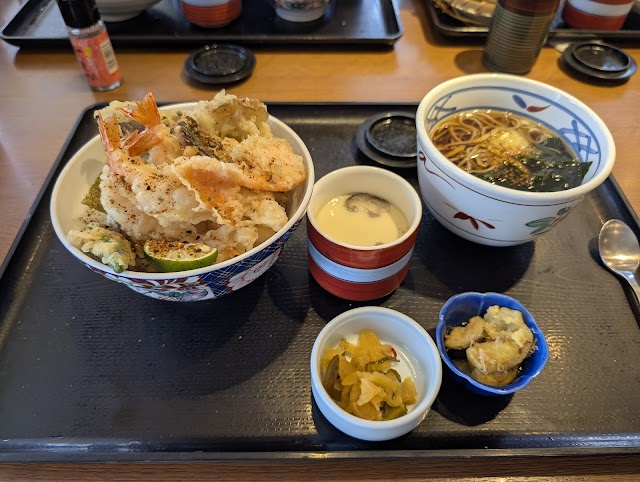
Tokyo yakitori falls into three tiers. The first is the hard-to-book pantheon: Torishiki in Meguro, sealed by a decade of a Michelin star and artisan fire control; Bird Land in Ginza, the first yakitori shop in Japan to win a Michelin star; and Toriyoshi in Nakameguro, where the Torishiki chef trained and a renowned name in its own right—all need reservations and all reward a dedicated evening. The second is Tabelog Top-100 names: Torioka in Azabudai, a perennial EAST Top-100; Toriyaki Obana in Ebisu, holding both Michelin Selected 2025 and a chicken-cuisine Top-100; and Toritama in Kagurazaka, a more bookable mid-price Top-100. The third is heritage entry points and downtown skewers: Isehiro in Kyobashi, founded in 1921, where a lunchtime yakitori-don is an affordable way in; and Akimotoya in Nogata and Sasamoto in Tateishi, stand-and-drink downtown bars where a skewer runs just over 100 yen.
A few words help: 'momo' is thigh (juicy), 'mune' breast (lean), 'kawa' skin (crisp), 'tsukune' a chicken meatball, 'bonjiri' the tail (rich), 'sunagimo' gizzard, 'reba' liver; the shop will ask 'tare' (sauce) or 'shio' (salt). The nine below run from the Michelin pantheon to a 100-yen skewer in Tateishi—pick one by tier and budget and you cover the spectrum. (Prices are estimates; check each shop's current menu.)
Sort Tokyo yakitori into three tiers before you choose. The hard-to-book pantheon trades on artisan fire control and scarce reservations; the Tabelog Top-100 names offer dependable quality with a stamp of approval and are more attainable; the heritage entry points and downtown bars sell low prices, spontaneity and shitamachi warmth. The nine below lay all three out.
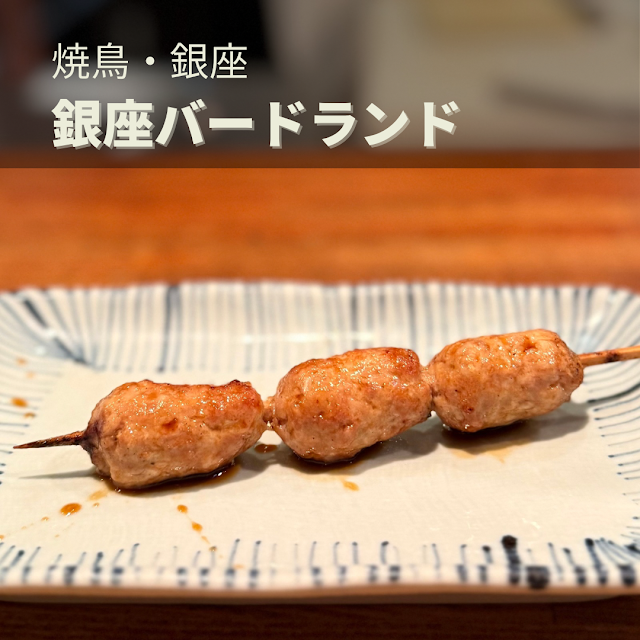
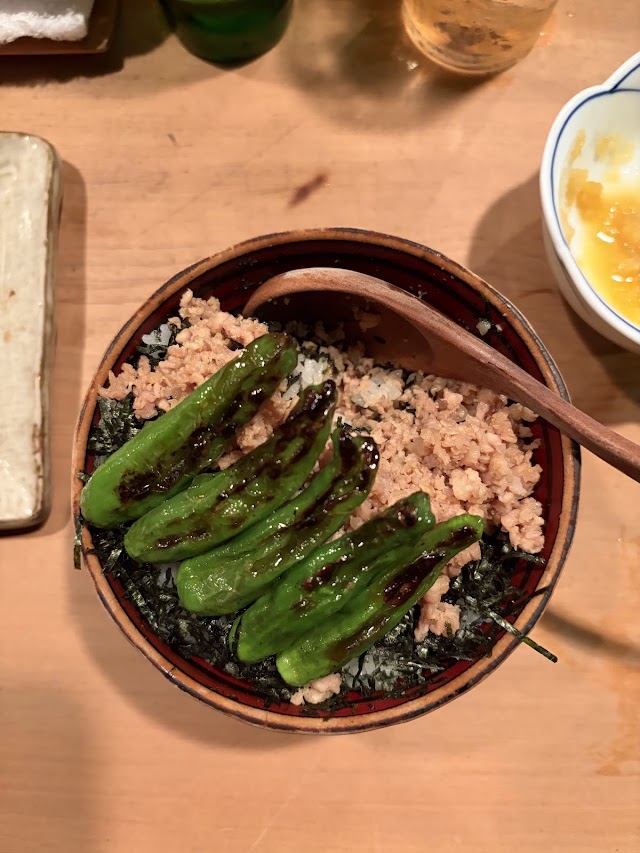
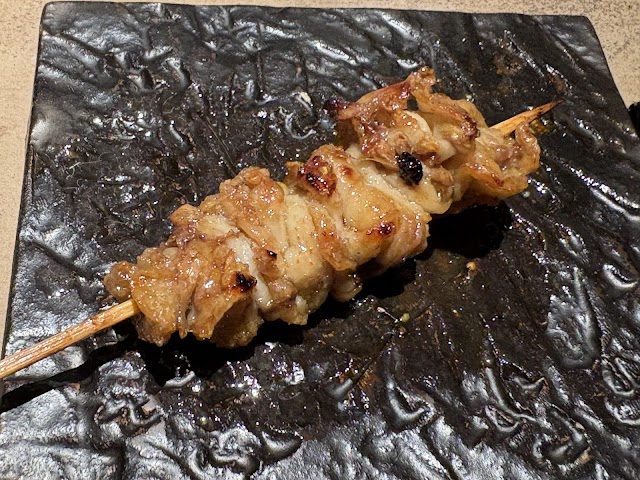
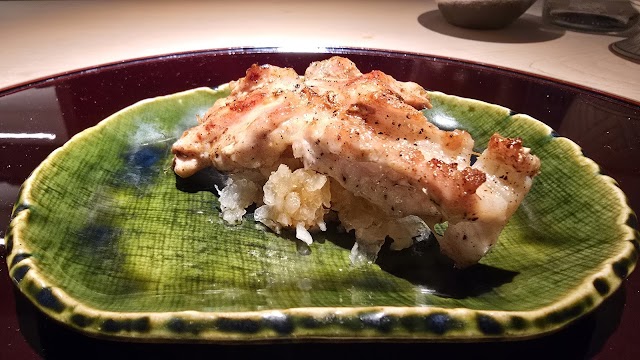
Among the pantheon, Torishiki beside Meguro Station is the technical benchmark of modern Tokyo yakitori—chef Yoshiteru Ikegawa trained for seven years at Toriyoshi in Nakameguro before going solo, won a Michelin star and has held it for years, serving only omakase one skewer at a time; his liver doneness and crisp-tender skin (kawa) are a reference point for peers, and it is the hardest seat in town. Bird Land in Ginza is the first yakitori shop in Japan to win a Michelin star, grilling Okukuji shamo chicken over binchotan for springy, lean meat, its shamo-egg 'mini oyakodon' a famous finale—an easy-to-reach Ginza textbook on why yakitori belongs in the pantheon. Toriyoshi in Nakameguro, founded 1992, is the very place Torishiki's chef trained and a renowned name itself, the same-lineage pick when Torishiki is full. All three need booking and reward a dedicated evening.
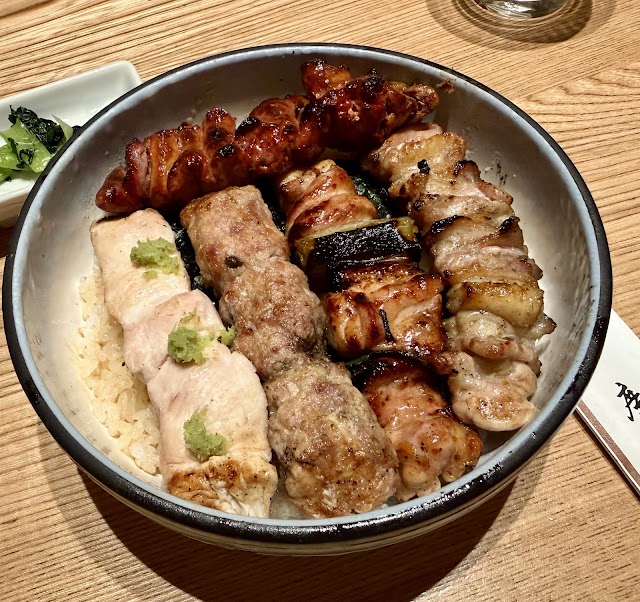
For approval with approachability, three Top-100 names hit the sweet spot. Torioka in Azabudai is a perennial 'Yakitori EAST Top-100,' building a loyal following on quality jidori and steady grilling. Toriyaki Obana in Ebisu holds both Michelin Selected 2025 and a chicken-cuisine Top-100, with refined chicken dishes beyond the skewers and a relaxed room good for guests. Toritama in Kagurazaka, a branch of the Shirokane name and a Yakitori Top-100 2025 pick, is gentler on price and more bookable while keeping Top-100 skewers, on an atmospheric stone-paved street. For heritage and downtown character, Isehiro in Kyobashi, founded in 1921, is the most historic option within walking distance of Tokyo Station; the smart move is lunch, when a yakitori-don delivers a century-old charcoal grill at an affordable price. Akimotoya in Nogata is a downtown stand-and-drink legend where charcoal yakiton runs just over 100 yen a skewer, and Sasamoto in Tateishi is one of the area's three drinking pilgrimage sites, opening in the afternoon to a packed, shared-table crowd. Words to know: momo (thigh), mune (breast), kawa (skin), tsukune (meatball), bonjiri (tail), sunagimo (gizzard), reba (liver); 'tare' vs 'shio' for seasoning. (Sources: Tabelog 'Yakitori EAST/WEST Top-100' and 'Chicken Top-100,' the Michelin Guide Tokyo yakitori listings, shop and reservation-site info, features from Retty, Tokyo Calendar and others, and Wikipedia on yakitori.)
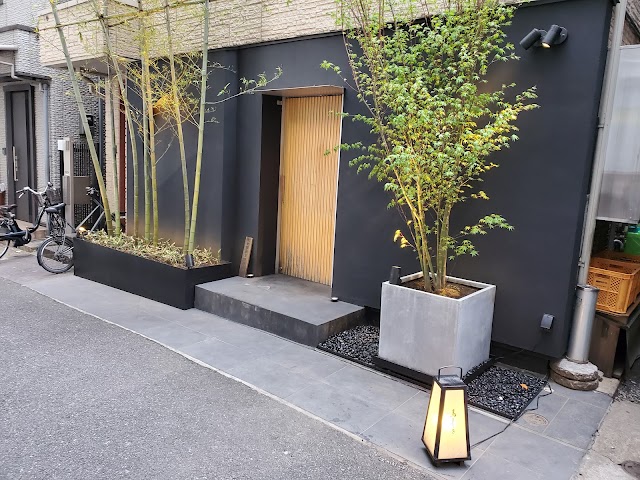
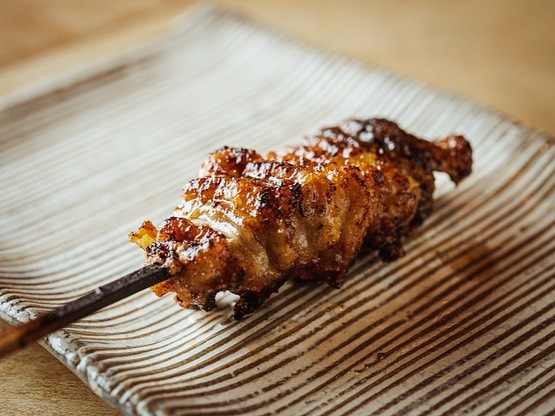
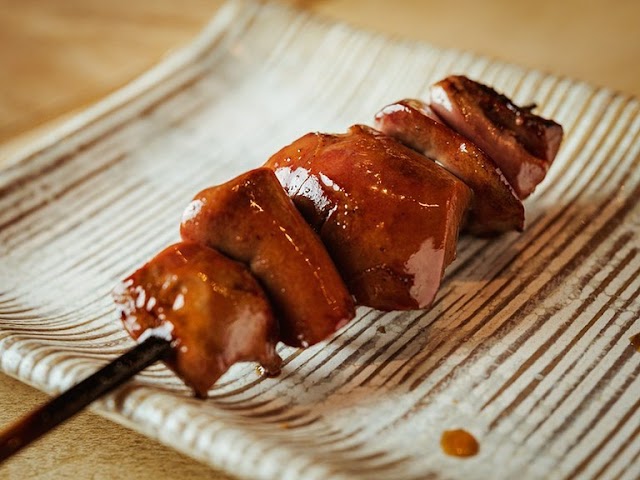
 Scan for map
 Scan for map
 Scan for map
 Scan for map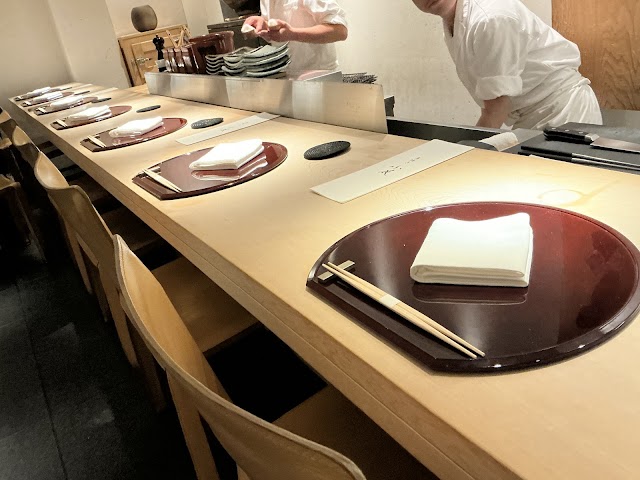
 Scan for map
 Scan for map
 Scan for map
 Scan for map
 Scan for map