A $90B+ Raise: SpaceX's Record IPO — Bubble or Fair? How Japanese Investors Should Read It
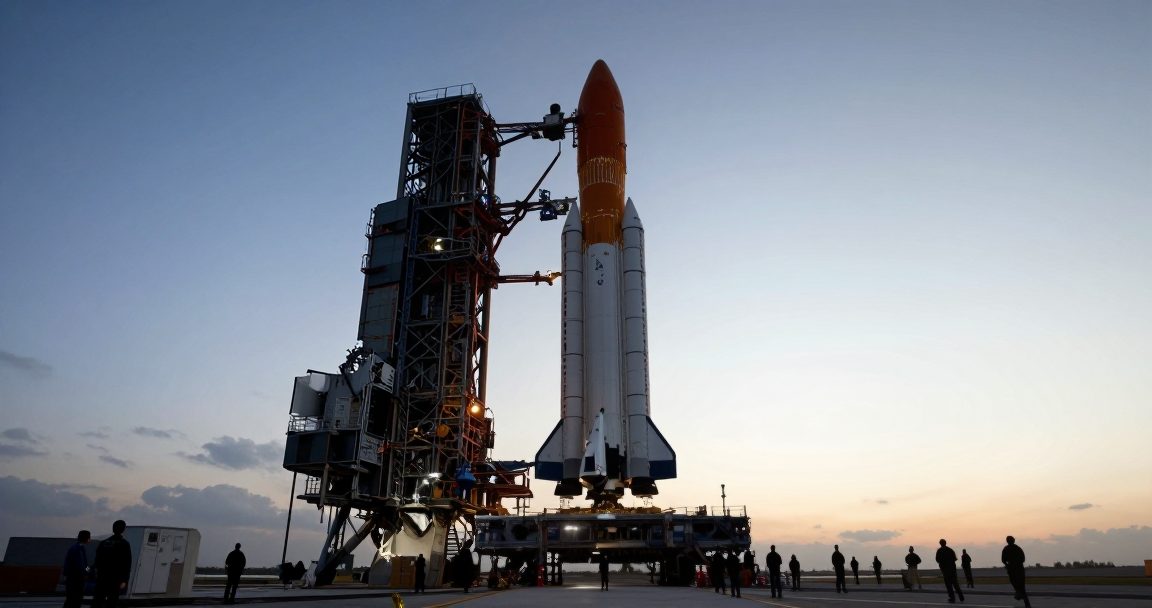
- Musk's SpaceX completed the largest IPO ever, raising the equivalent of ¥14 trillion.
- Its extreme valuation rests on faith in Musk's grand plans and execution.
- Toyo Keizai calls the price rich, with real doubts about plan feasibility.
- It's a test case for how to price theme-driven, narrative-led investments.
SpaceX completed the largest IPO ever, raising the equivalent of ¥14 trillion. Toyo Keizai is blunt: the extreme valuation rests on faith in Musk's grand plans and execution, while the price looks rich and feasibility is in doubt. Yet SpaceX's dominance is so overwhelming that its pricing alone anchors the whole sector's valuations — making this a lesson in how to price theme investing, not just a US-market headline.
A record raise means markets are paying today for tomorrow's possibilities. The story is complete: reusable rockets, real Starlink revenue, Mars ambition. The question is how much of the price is realized cash flow versus undelivered dreams. 'Rich' is the warning that the balance has tipped — any delay, accident or policy shift could trigger sharp corrections.
Three implications. Theme investors get a mirror: a great company and a great stock price are not the same; if the price already discounts twenty years of success, your upside is eaten. For Japanese and Asian space/satellite names, expect a rising-tide effect — but emotion leads, fundamentals follow, and weak names snap back when the theme cools. For policy watchers, space is now a private-capital arena. Watch Starlink's profit trajectory, actual launch/Starship progress, and how far the heat spills into Japanese names. Remember: a great company bought too expensively is still a bad investment.