Tokyo Gyoza 2026: Nine Picks From Kamata's Winged-Dumpling Birthplace 'Nihao' and Michelin-Listed 'Anda Gyoza' to Yaesu's 12cm Jumbo Dumplings
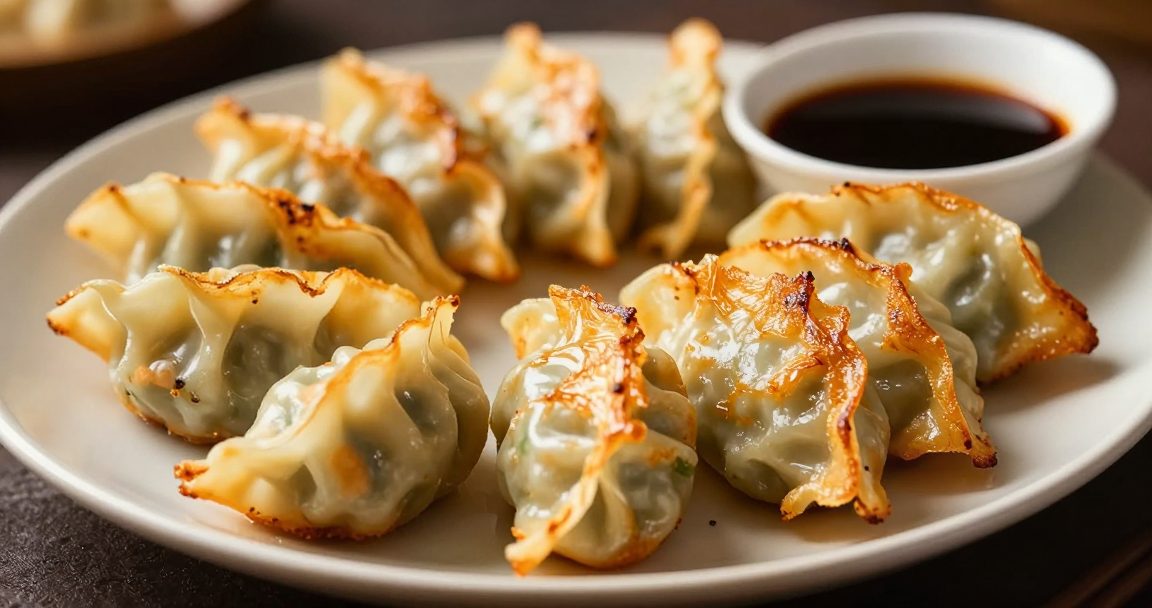
- Sort three tiers: (1) Kamata's winged-dumpling big three (Nihao, 1983 inventor of hane-tsuki / Huanyong, five for 300 yen / Konparu, Dalian home cooking) clustered in Kamata to compare in one stop; (2) Top-100 & Michelin-level specialists (Tonpakkai, Asagaya, Tabelog Gyoza Top-100, fried/boiled/steamed / Anda Gyoza, Yoyogi-Uehara, Michelin-listed medicinal water dumplings / Ebisu no Yasube, Ebisu, Top-100 Kochi-style stall gyoza); (3) Tokyo specialties, heritage & late-night (Taikourou, Yaesu, 1949 jumbo dumplings / Kameido Gyoza, ~70 years, pan-fried only with endless refills / Sankoen, Jimbocho, late-night machi-chuka).
- Wide price range: everyday gyoza in Kamata, Kameido and Jimbocho run ~1,000-2,500 yen per person; Top-100 / Michelin-level ~1,000-4,000 yen; Taikourou's evening Chinese dinner ~3,000-6,000 yen. Decide the occasion first.
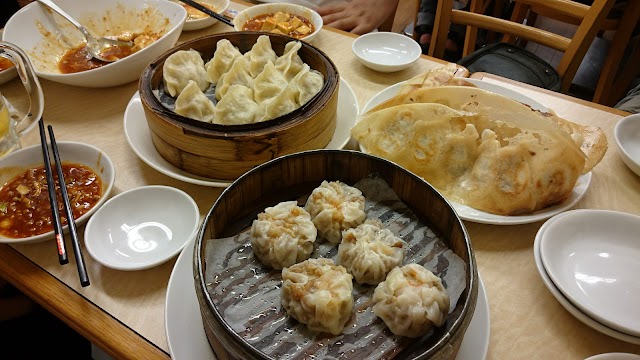
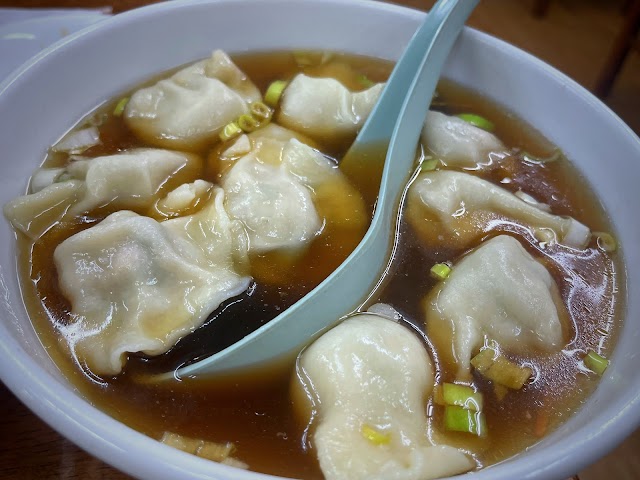
- Know the styles: crispy-winged pan-fried (Kamata big three, Ebisu Yasube) is about thin skin and a crackly edge with beer; water-dumpling style (Anda's medicinal, Tonpakkai's mala) is about skin-and-filling texture; jumbo style (Taikourou) is thick-skinned and filling.
- Ordering words: yaki-gyoza (pan-fried), sui-gyoza (boiled), age-gyoza (deep-fried), hane-tsuki (winged); the tare is usually soy + vinegar + chili oil you mix, ask 'ninniku nashi' for no garlic. Kameido Gyoza refills automatically until you say stop.
- For Taiwanese readers: for the source of the crispy-edged pan-fried gyoza you know, go to Nihao in Kamata; for bargain big-three gyoza pick Huanyong; to compare fried/boiled/steamed go to Tonpakkai in Asagaya; for a fresh, lighter take choose Anda in Yoyogi-Uehara; for a jumbo beside Tokyo Station go to Taikourou; for the endless-refill ritual go to Kameido; for late-night, Sankoen in Jimbocho.
Gyoza (pan-fried dumplings) is the dish Taiwanese travelers feel closest to in Tokyo, yet the one most often left to chains. Tokyo's gyoza spectrum is wide: from Kamata's cheap, crispy winged dumplings, to the Michelin-listed medicinal water dumplings of Yoyogi-Uehara, to 12-centimeter jumbo dumplings beside Tokyo Station. Sort the style and the occasion first, add a summer draft beer, and you'll eat it well.
Tokyo gyoza falls into three tiers. The first is Kamata's 'winged-dumpling big three': Nihao, which invented the winged (hane-tsuki) pan-fried dumpling in 1983; Huanyong, with unbeatable value at five for 300 yen; and Konparu, in a Dalian home-cooking style—all clustered in Kamata so you can compare three in one stop. The second is Top-100 and Michelin-level specialists: Tonpakkai in Asagaya, a Tabelog Gyoza Top-100 serving fried, boiled and steamed in one sitting; Anda Gyoza in Yoyogi-Uehara, listed in the Michelin Guide year after year for its barley-skin medicinal water dumplings; and Ebisu no Yasube in Ebisu, a Top-100 Kochi-style stall gyoza. The third is Tokyo specialties, heritage and late-night: Taikourou in Yaesu, a 1949 maker of jumbo dumplings; Kameido Gyoza, some 70 years old, serving only pan-fried dumplings on an endless-refill system; and Sankoen in Jimbocho, a late-night machi-chuka.
A few words help: 'yaki-gyoza' is pan-fried, 'sui-gyoza' boiled, 'age-gyoza' deep-fried, 'hane-tsuki' the crispy wing; the dipping sauce (tare) is usually soy, vinegar and chili oil you mix yourself, and you can ask for 'ninniku nashi' (no garlic). The nine below run from Kamata's bargain wings to Yaesu's giants—pick one by occasion and budget. (Prices are estimates; check each shop's current menu.)
Sort Tokyo gyoza into three tiers before you choose. Kamata's winged-dumpling big three is the birthplace of a popular everyday dish, name-level quality at bargain prices; the Top-100 and Michelin-level specialists trade on skin-and-filling craft with a stamp of approval; the Tokyo specialties, heritage shops and late-night spots each have a story—giants, endless refills, a late-night machi-chuka. The nine below lay all three out.
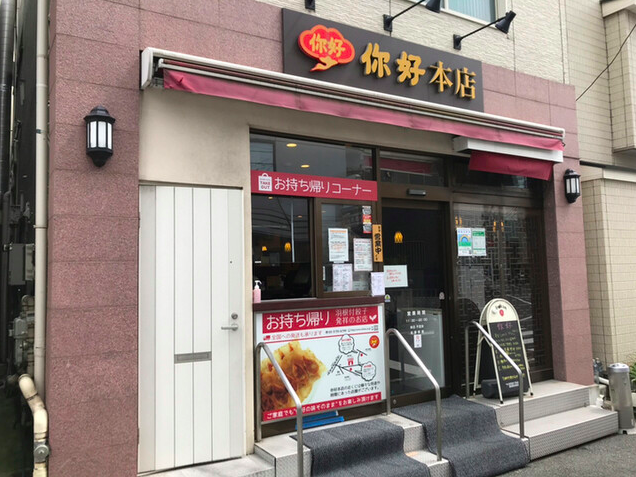
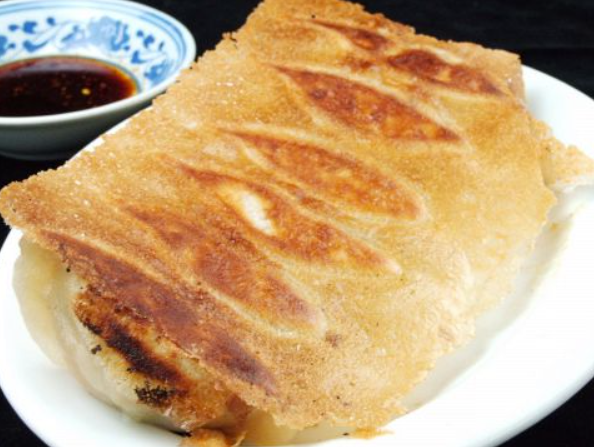
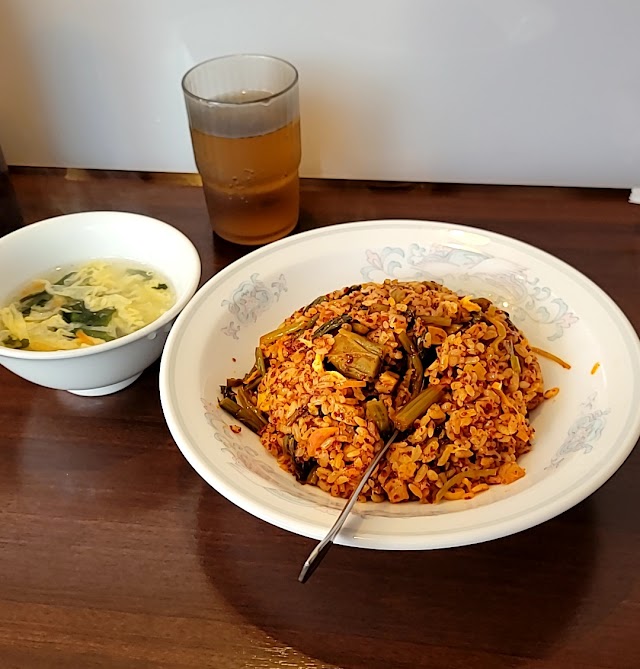
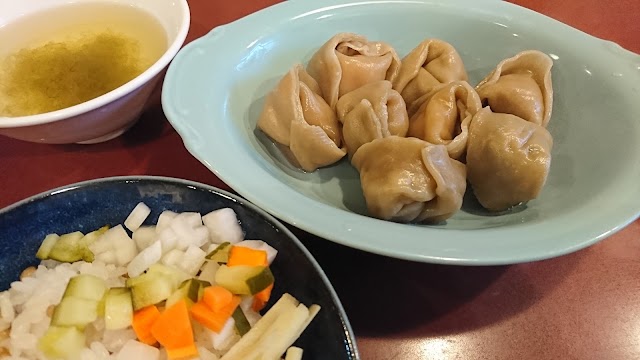
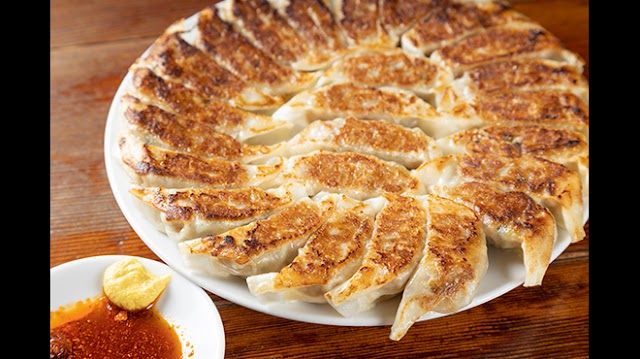
Kamata in Ota Ward is the birthplace of the winged (hane-tsuki) pan-fried dumpling. Nihao's owner Isao Yagi, inspired by Dalian roasted buns, created in 1983 a dumpling whose base fries into one sheet of golden, crispy 'wing'—the crispy-edged gyoza Taiwanese diners know starts here. Huanyong pushes value to the limit, five winged dumplings for just 300 yen, its pork-and-chicken filling laced with herbal broth and ginger; the shrimp water dumplings and lettuce fried rice are worth ordering too. Konparu works in a 'Dalian home-cooking' style beside Keikyu Kamata Station, adding water dumplings and a table of Chinese home dishes good for sharing over beer. With all three in one station, the smart move is to taste the big three in an afternoon and pick your own favorite.
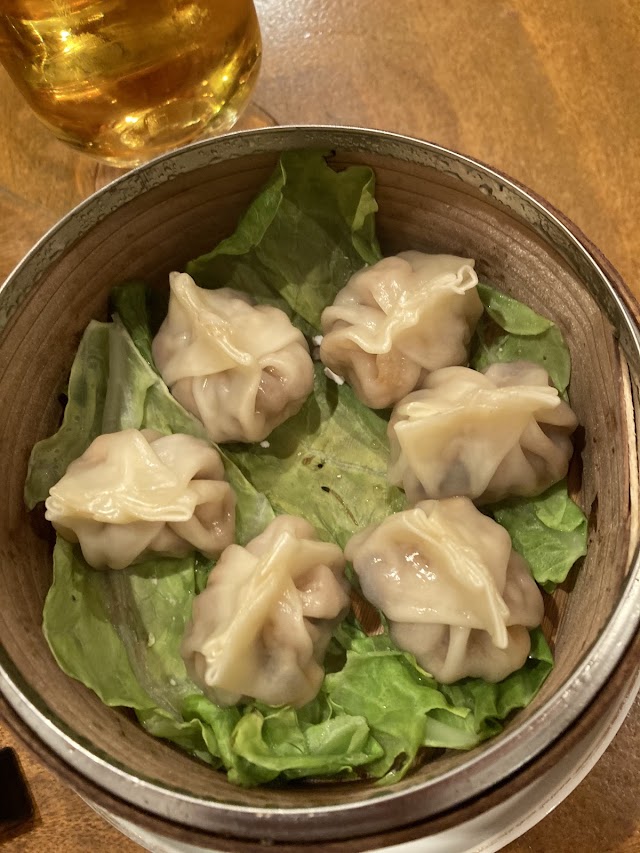
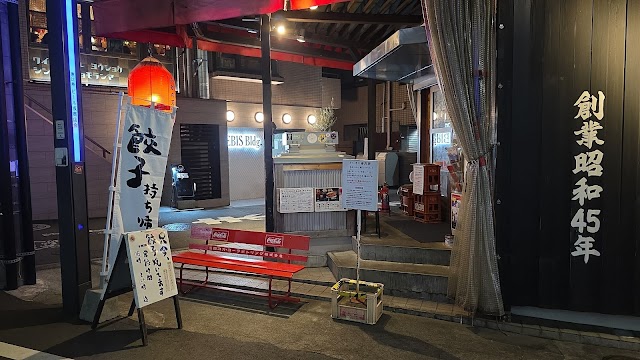
For a stamp of approval and craft over hype, three names hit the sweet spot. Tonpakkai in Asagaya, a Tabelog Gyoza Top-100, is run by a chef from Harbin making garlic-light creative dumplings—winged fried, Sichuan mala water dumplings, vegetarian steamed, shrimp water dumplings—so you taste fried, boiled and steamed in one sitting. Anda Gyoza in Yoyogi-Uehara has been listed in the Michelin Guide Tokyo for years, built on an unusual water dumpling with a barley-flour skin and medicinal herbs in the filling, light and easy on the body, a different road from the oily crispy-wing camp; the lunchtime water-dumpling set is the easy way in. Ebisu no Yasube, also a Gyoza Top-100, serves bite-size, thin-skinned Kochi-style stall gyoza in a lively room that feels like a Taiwanese rechao, plate after plate with drinks.
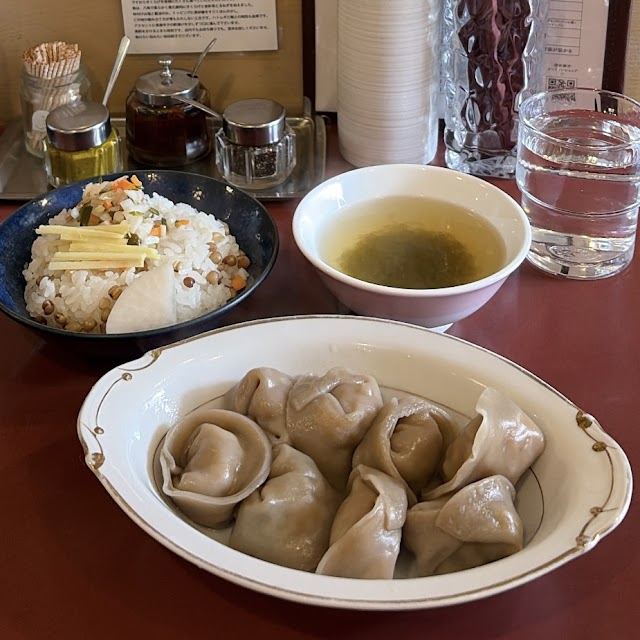
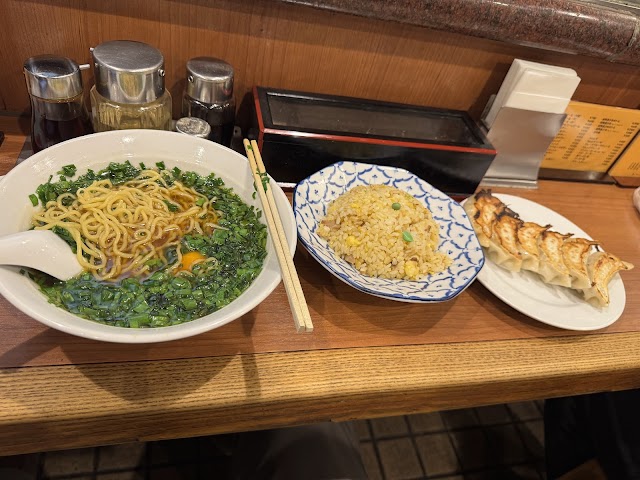
For Tokyo specialties, heritage and late-night, Taikourou in Yaesu is a Chinese restaurant founded in 1949, famous for one of the 'three great jumbo gyoza' of Tokyo—about 12 centimeters each, a garlic-free continental filling in a thick, chewy skin, two or three enough to fill you, right by Tokyo Station for a substantial, historic dumpling between trains. Kameido Gyoza, about 70 years old, lists only pan-fried dumplings; you are served two plates automatically and refilled as one empties, until you say stop—a ritual that is itself the draw, thin-skinned and honest with a house chili-miso tare. Sankoen by the Jimbocho bookstore street is an old machi-chuka open late, the place to fill up after browsing used bookshops, a plate of gyoza with fried rice and beer as a proper everyday late-night meal. Words to know: yaki-gyoza (pan-fried), sui-gyoza (boiled), age-gyoza (deep-fried), hane-tsuki (winged); 'tare' you mix from soy, vinegar and chili oil, 'ninniku nashi' for no garlic. (Sources: Tabelog 'Gyoza Top-100' and Tokyo gyoza rankings, the Michelin Guide Tokyo gyoza listings, shop info from Gnavi, Hot Pepper and Retty, Kamata winged-dumpling big-three features, the Kameido Gyoza and Taikourou official sites, and Wikipedia on gyoza and Kameido Gyoza.)
 Scan for map
 Scan for map
 Scan for map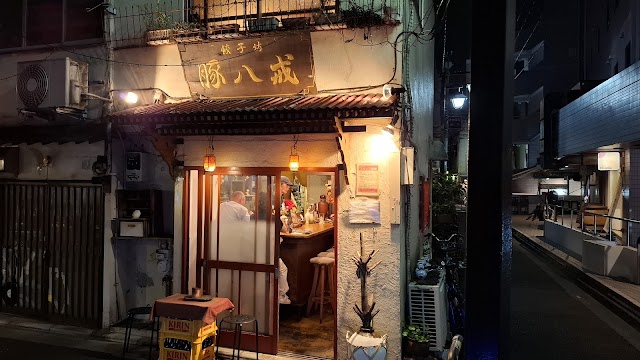
 Scan for map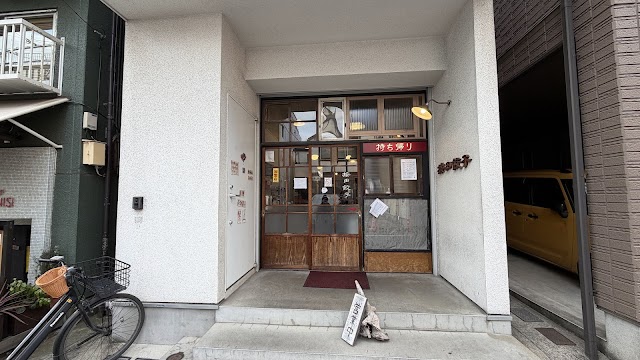
 Scan for map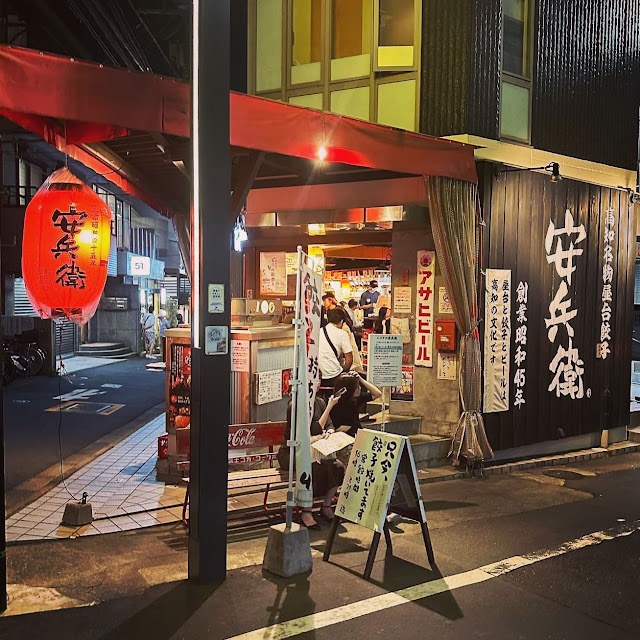
 Scan for map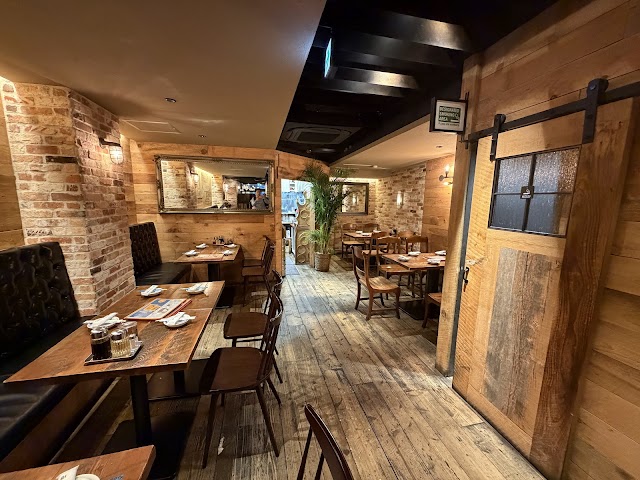
 Scan for map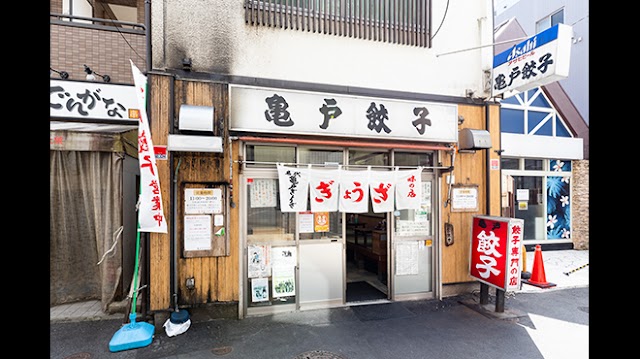
 Scan for map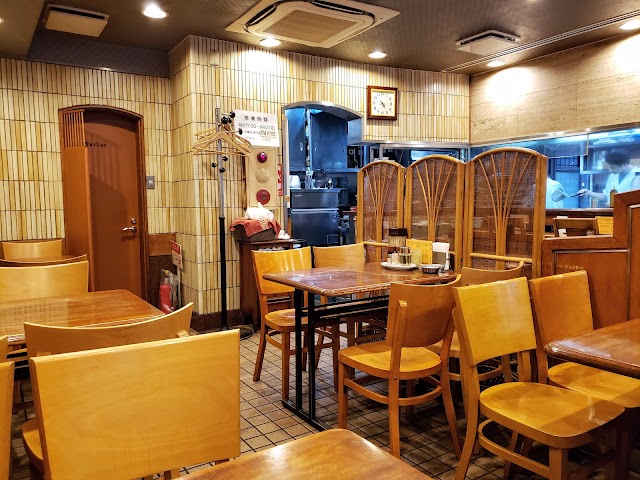
 Scan for map