Tokyo Unagi 2026: Nine Eel Picks for Doyo-no-Ushi, From the 'East-West Champions' Nodaiwa and Obana to Top-100 Newcomer Asaya and Under-5,000-Yen Hashimoto
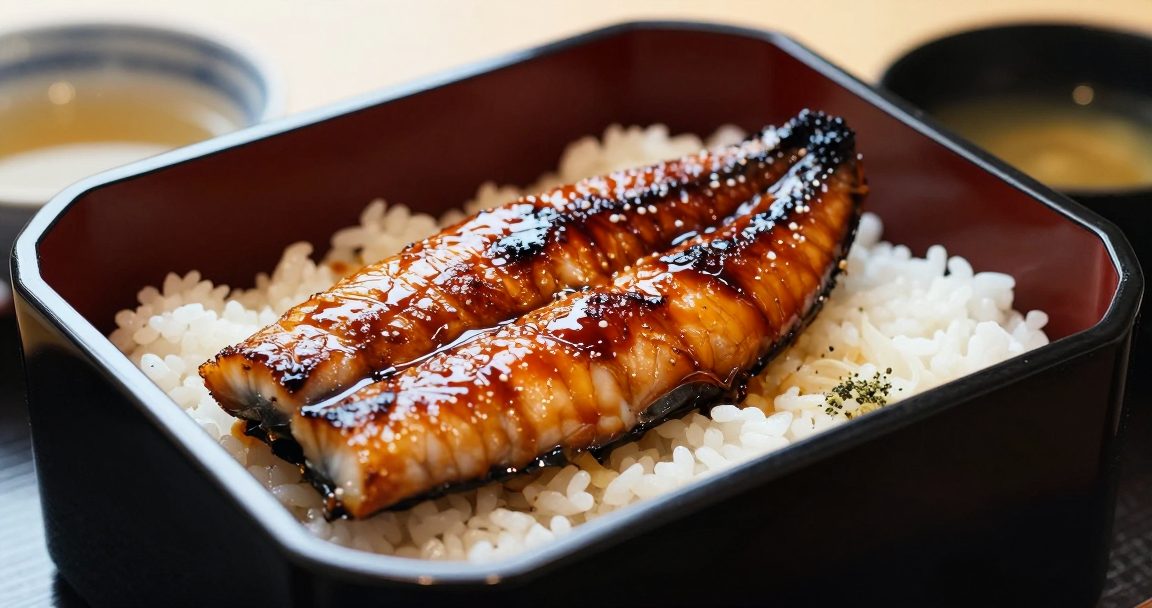
- Sort three tiers: (1) East-West champions, Edo-mae temples (Nodaiwa, Azabu, Kansei-era 'western champion' / Obana, Minami-Senju, 1868 'eastern champion,' no reservations / Komagata Maekawa, Asakusa, Sumida River and Skytree view); (2) Top-100, Michelin & talked-about artisans (Asaya, Sangubashi, Tabelog Unagi Top-100 a year after opening, very hard to book / Watabe, Koishikawa, Michelin-listed and quiet / Irokawa, Asakusa, downtown daily queues); (3) Good-value, heritage & entry-level (Kanda Kikukawa, 1947, good at lunch / Hashimoto, Yushima, founded 1835 with a premium box ~4,700 yen / Shimakin, Kagurazaka, eel kaiseki).
- Understand Edo-mae (Kanto style) first: the eel is split down the back, steamed then grilled, giving soft flesh and light fat—unlike Kansai's no-steam grill-to-crisp. The steaming step is the Tokyo old shops' signature craft.
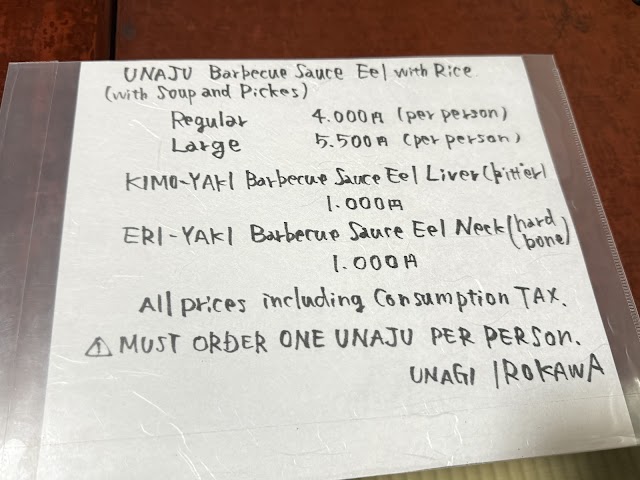
- Wide price range: entry-level and heritage shops run ~3,000-5,000 yen per person (Irokawa, Kanda Kikukawa, Hashimoto); talked-about artisans ~6,000-12,000 yen (Asaya, Watabe); champions and kaiseki can reach ~6,000-20,000 yen (Nodaiwa, Obana, Maekawa, Shimakin). Decide the occasion first.
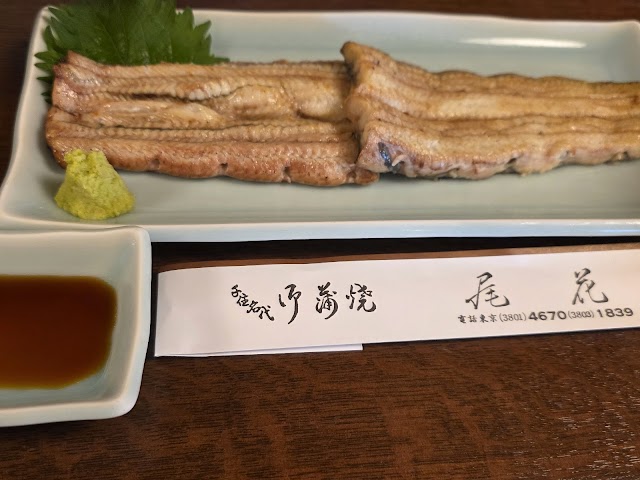
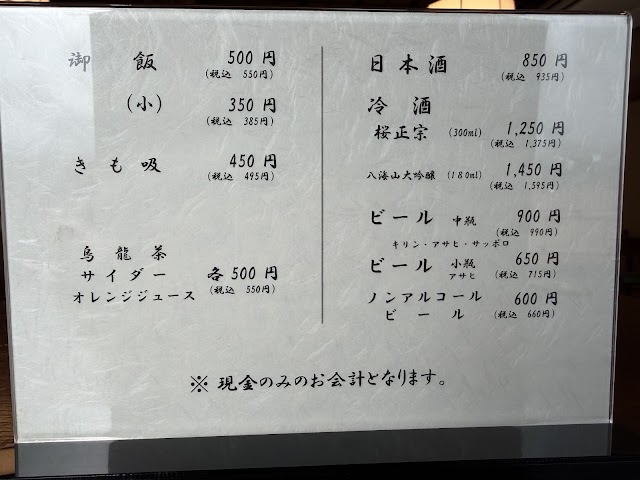
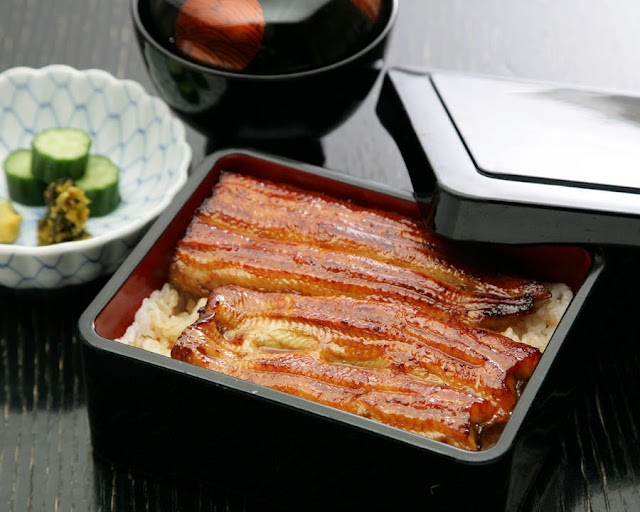
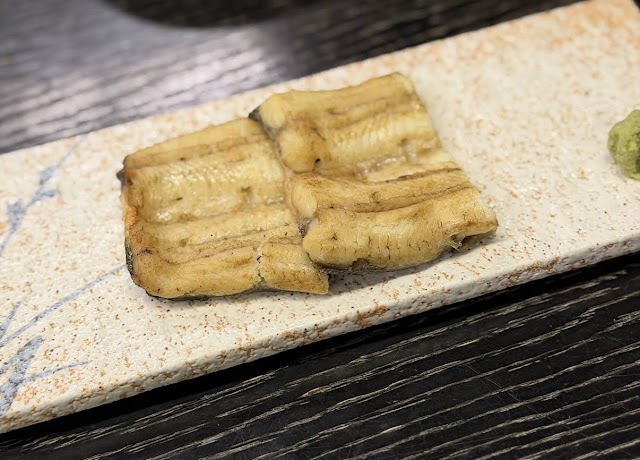
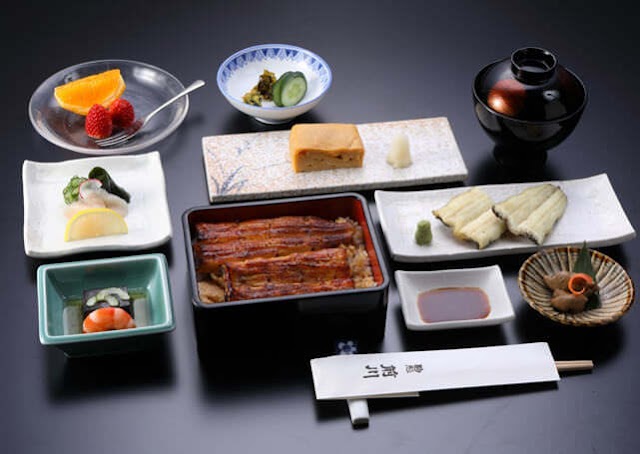
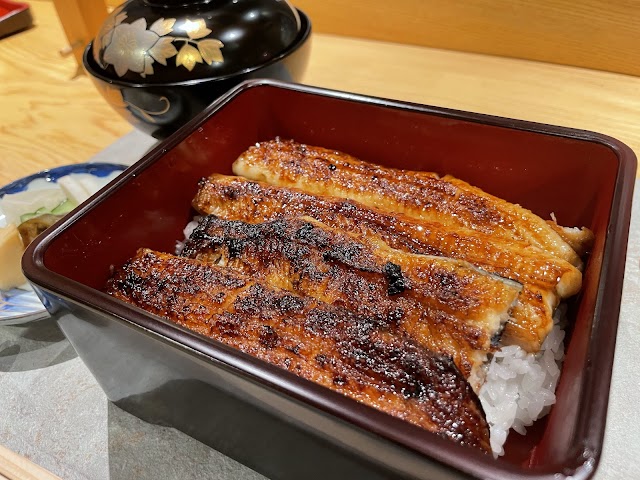
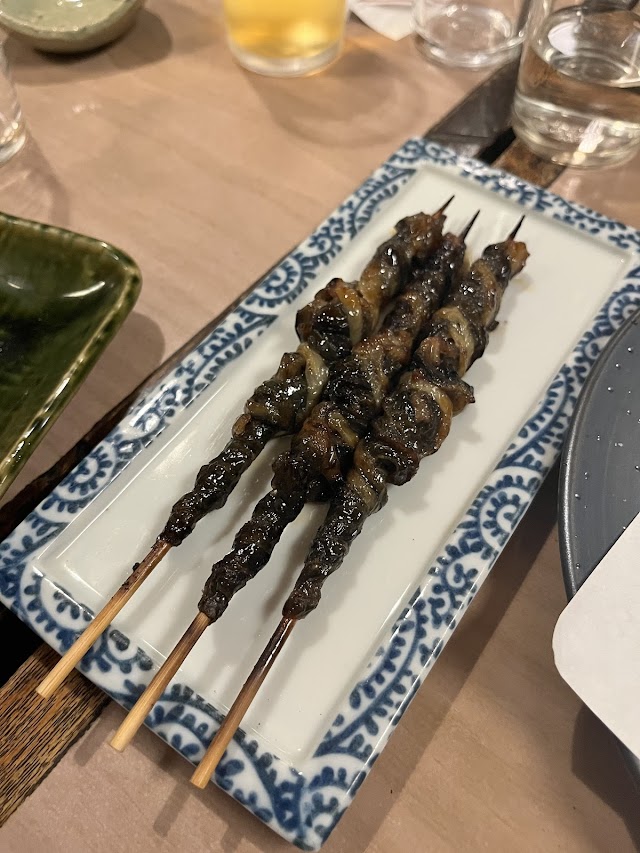
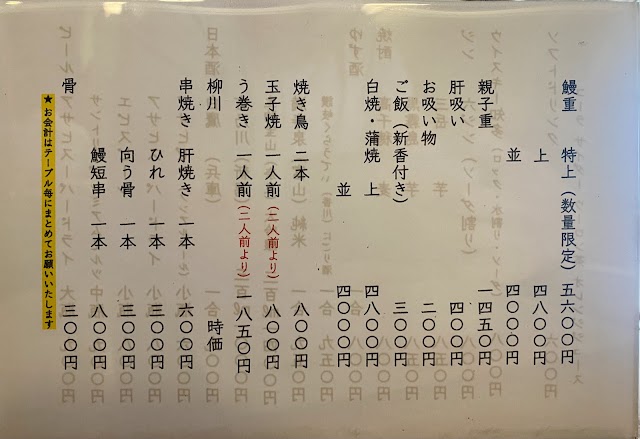
- Ordering words: una-ju (lacquer-box eel rice), una-don (simpler bowl), shirayaki (no sauce, with wasabi-soy), kimo-sui (liver soup); grades are often matsu/take/ume, usually by portion. The champion Obana takes no reservations—arrive before opening, and it closes when sold out.
- For Taiwanese readers: to understand why Edo-mae eel is prized and if budget allows, go to Nodaiwa in Azabu; to queue and make a pilgrimage, Obana in Minami-Senju; for a Sumida River view with older relatives, Maekawa in Asakusa; for the newest force, Asaya in Sangubashi; for a quiet, crowd-free option, Watabe in Koishikawa; for an affordable name near Asakusa, Irokawa; for a first try, Kanda Kikukawa; for a century-old shop under 5,000 yen, Hashimoto in Yushima; for an eel kaiseki on a special day, Shimakin in Kagurazaka.
Every midsummer, on the 'Doyo-no-Ushi' day in late July or early August, Japanese diners queue for grilled eel to beat the heat—the busiest stretch of the year for unagi shops. For Taiwanese travelers an unagi rice box isn't cheap and shops vary widely, so map out Tokyo's eel scene first, then pick one by occasion and budget.
Know one key point: Tokyo eats Edo-mae (Kanto-style) eel. The eel is split down the back, steamed first and then grilled, so the flesh is soft and the fat is light—different from the Kansai style of grilling straight to a crisp without steaming. Understand this, and you understand why Tokyo's old shops treat the steaming step as their core craft.
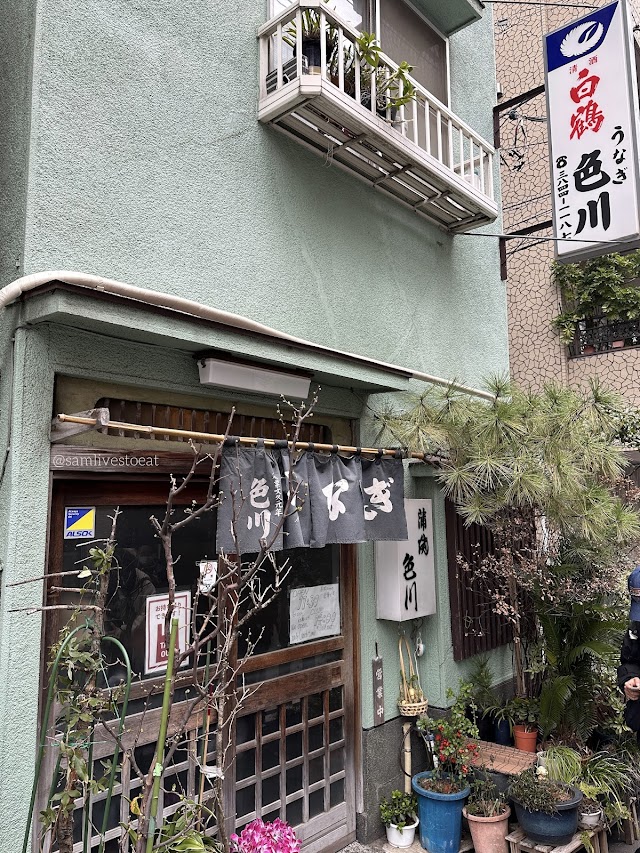
Tokyo unagi falls into three tiers. The first is the 'East-West champions, Edo-mae temples': Nodaiwa in Azabu (founded in the Kansei era, the 'western champion'), Obana in Minami-Senju (founded 1868, the 'eastern champion,' no reservations, expect a line), and Komagata Maekawa in Asakusa (with a view over the Sumida River and Skytree). The second is Top-100, Michelin and talked-about artisans: Asaya in Sangubashi, listed in the Tabelog Unagi Top-100 the year after it opened and famously hard to book; Watabe in Koishikawa, a Michelin-listed specialist; and Irokawa in Asakusa, a downtown name with daily queues. The third is good-value, heritage and entry-level: Kanda Kikukawa (founded 1947, good at lunch), Hashimoto in Yushima (founded 1835, premium box around 4,700 yen), and Shimakin in Kagurazaka (an eel kaiseki house).
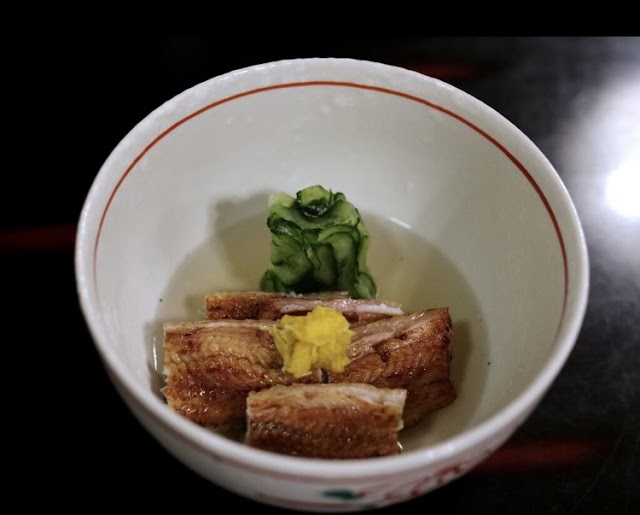
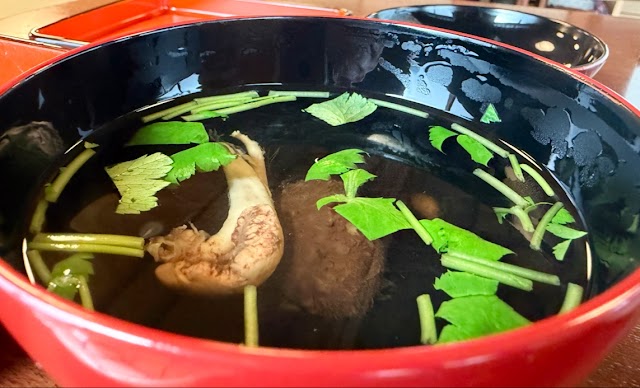
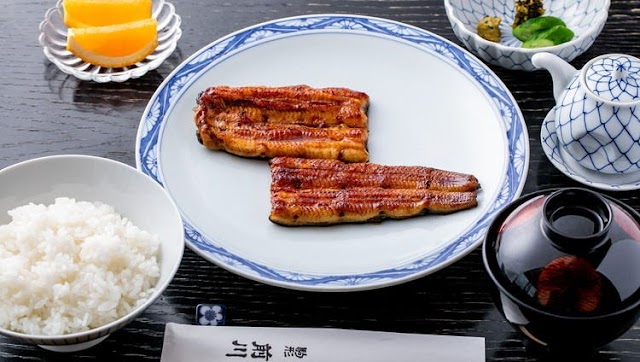
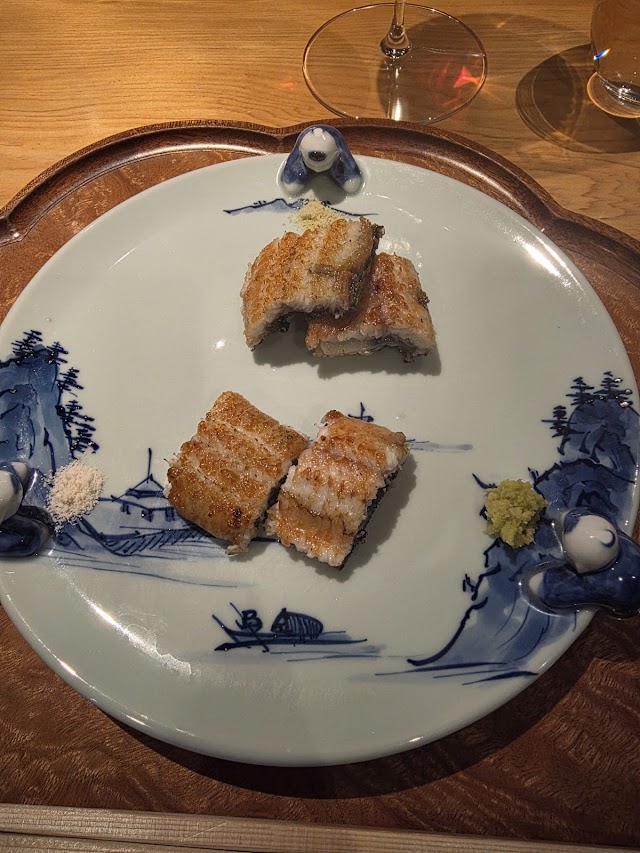
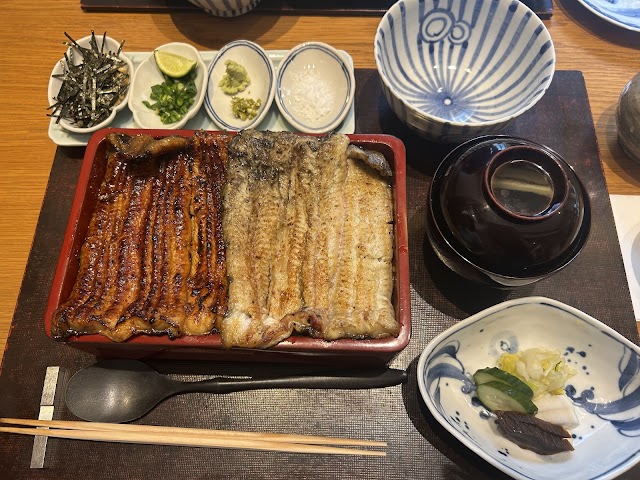
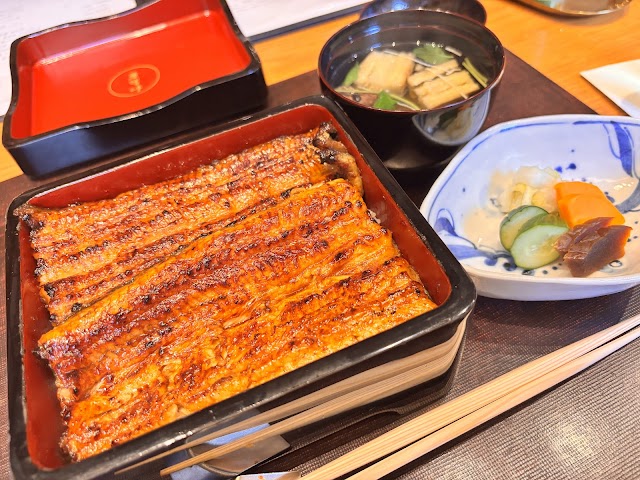
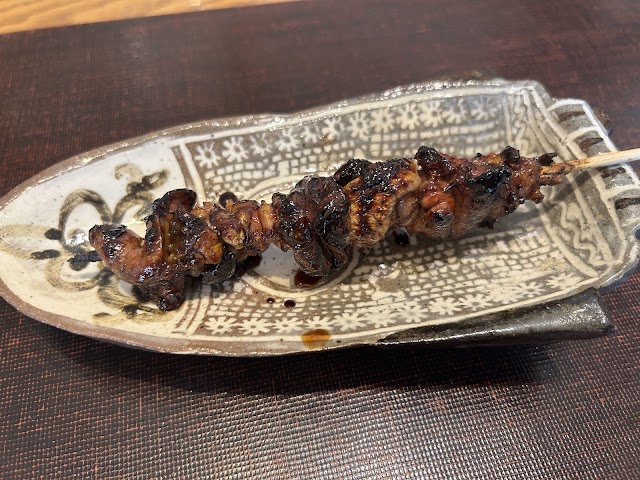
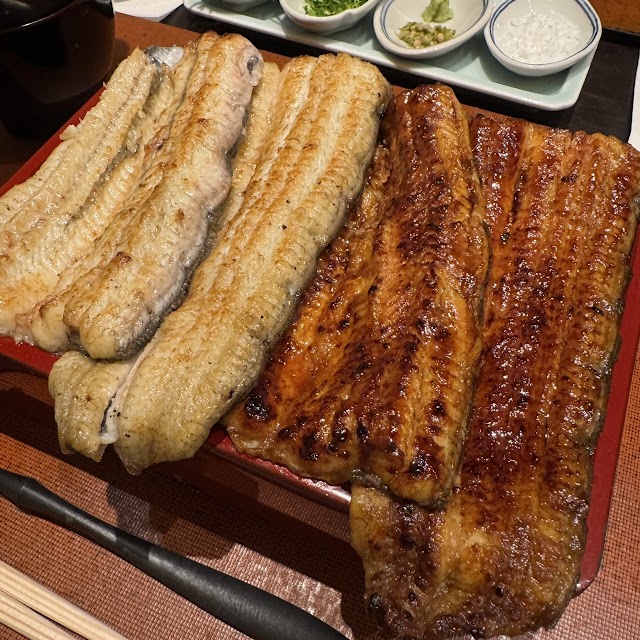
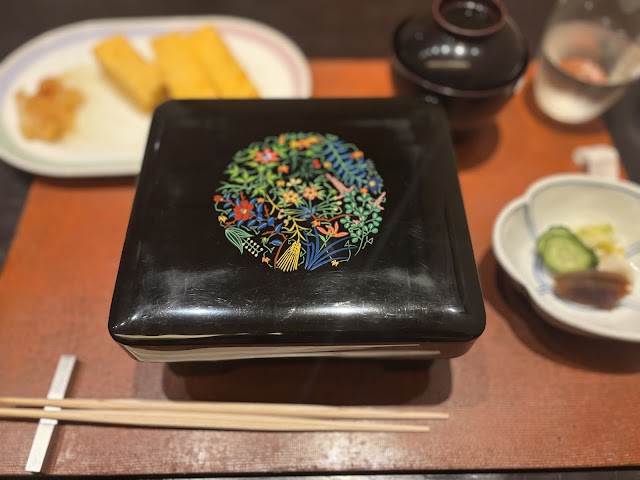
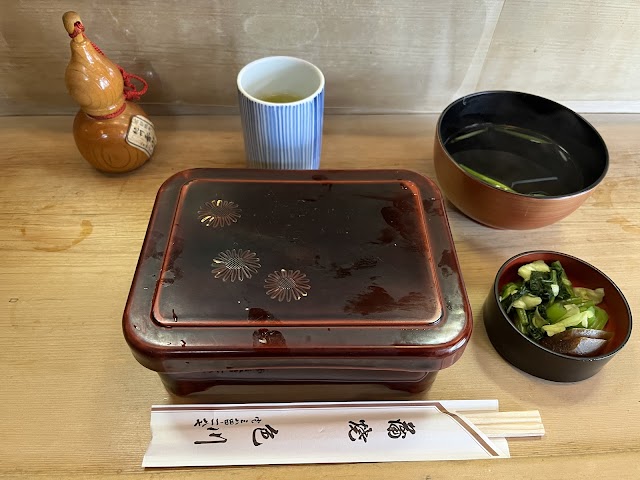
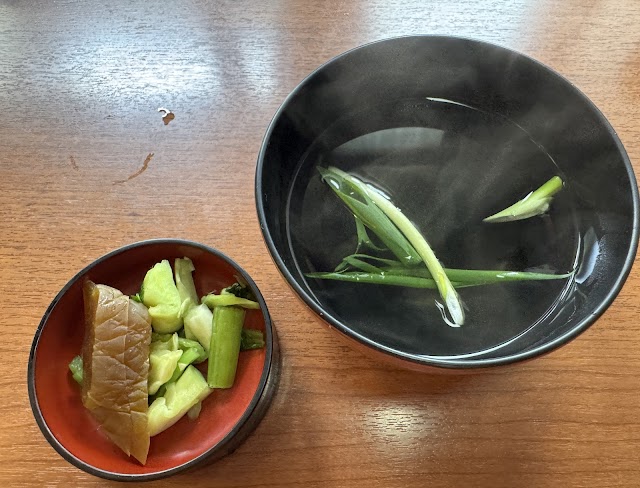
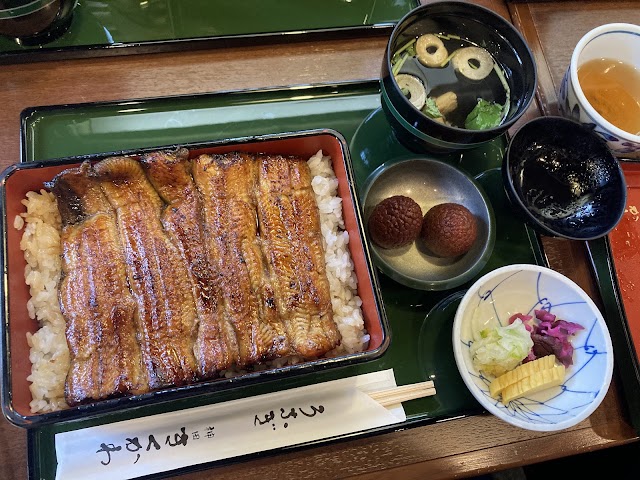
A few words help: 'una-ju' is eel over rice in a lacquer box, 'una-don' a simpler bowl, 'shirayaki' eel grilled without sauce (with wasabi and soy), 'kimo-sui' a clear liver soup; grades are often matsu/take/ume, usually by portion. The nine below run from five-figure champions to a century-old shop under 5,000 yen—pick one by the occasion. (Prices are estimates; check each shop's current menu.)
Sort Tokyo unagi into three tiers before you choose. The 'East-West champions, Edo-mae temples' are the peak of history and craft—and of price; the Top-100, Michelin and talked-about artisans carry ratings and guide approval and are the sweet spot for craft over name; the good-value, heritage and entry-level shops hold the standard at friendly prices and are best for a first try. The nine below lay all three out.
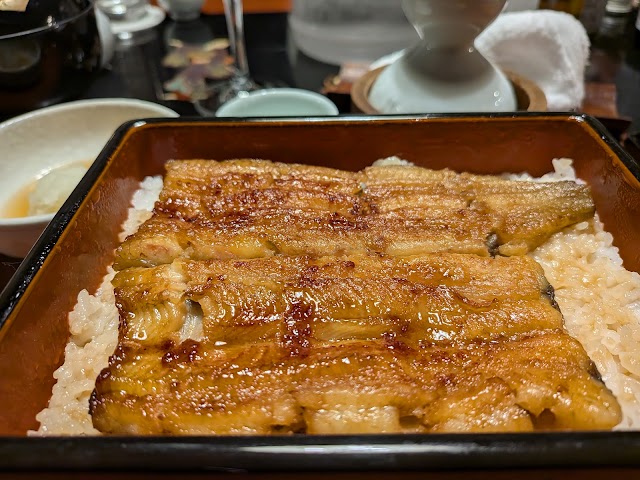
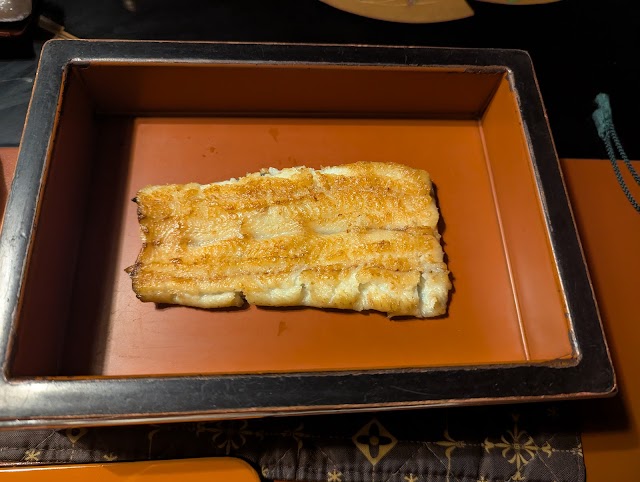
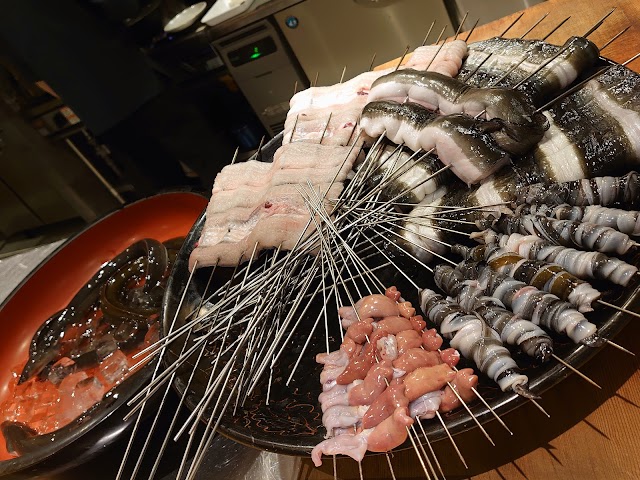
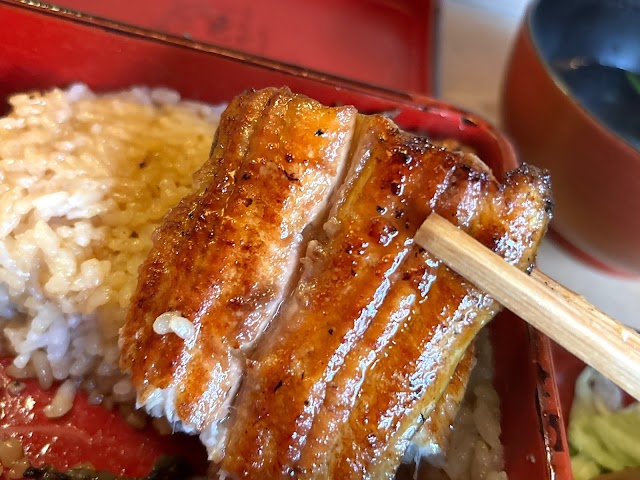
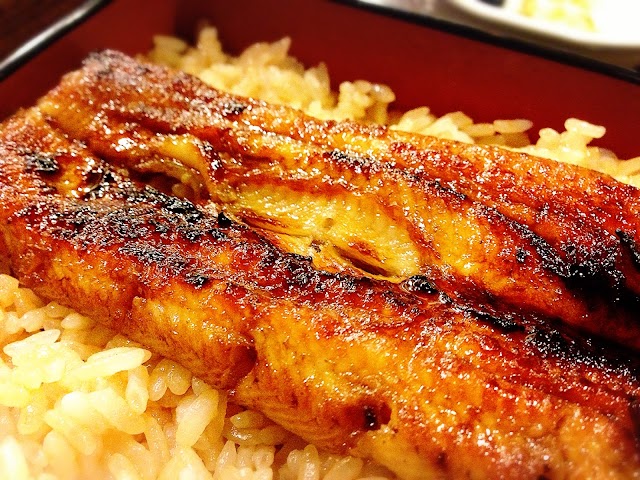
Understand Edo-mae first. Kanto-style eel is split down the back (Edo's samurai shunned the 'seppuku' belly cut), skewered, grilled plain, steamed to render excess fat, then grilled again with an inherited sauce—so Tokyo eel is especially soft, melting and light. Kansai instead grills a belly-split eel straight to a chewy crisp without steaming; both have devotees. Grasp the steaming step and you understand why Tokyo's old shops treat it as their core craft, and why made-to-order shops are slow to serve.
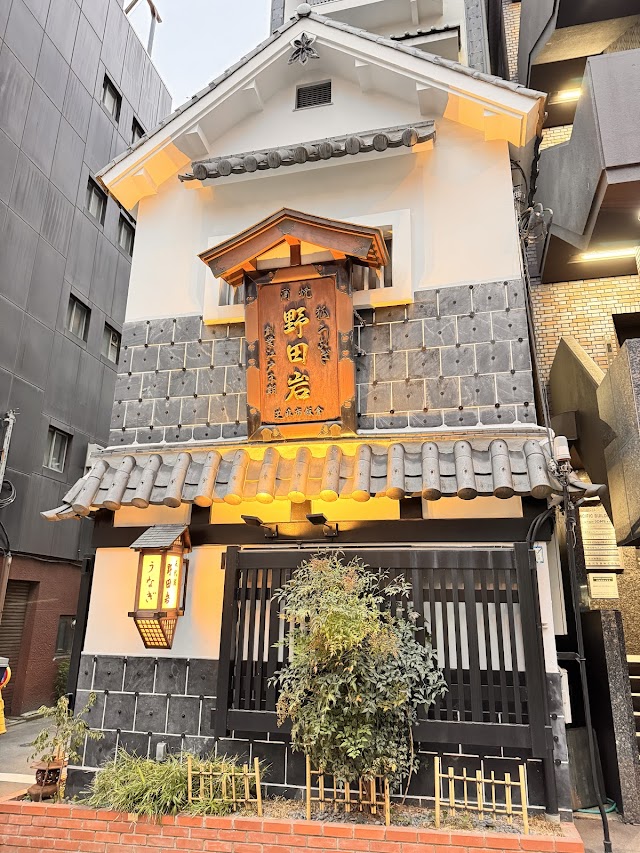
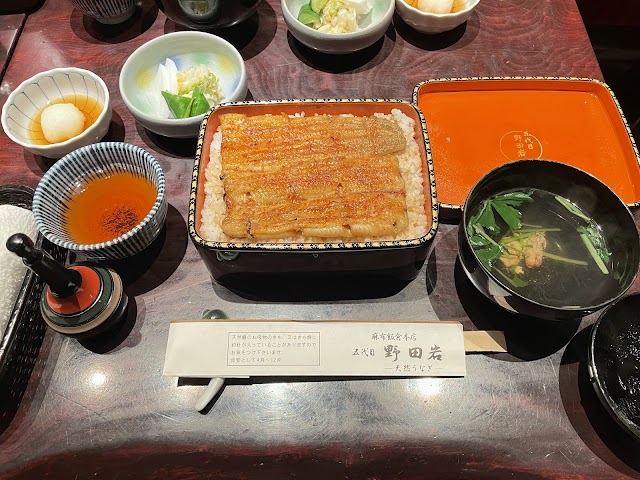
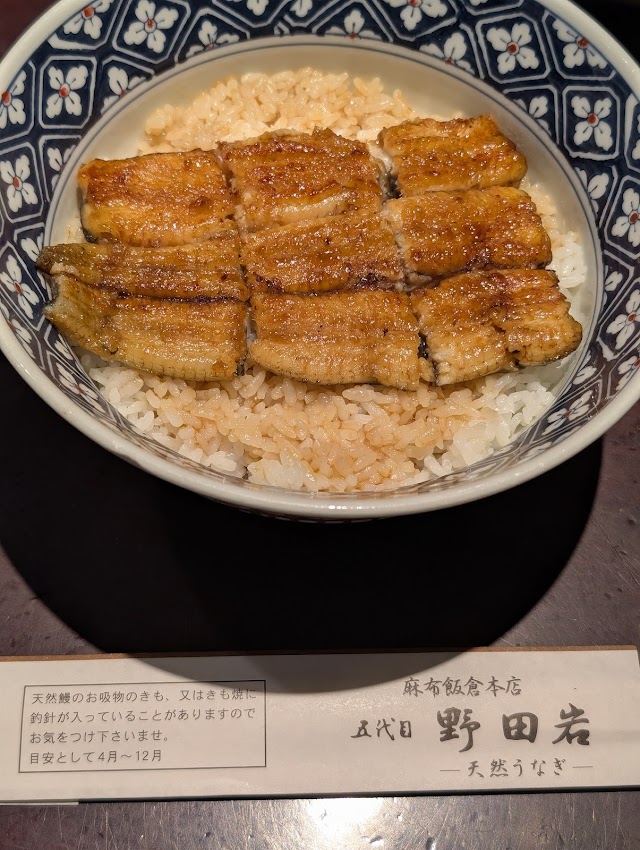
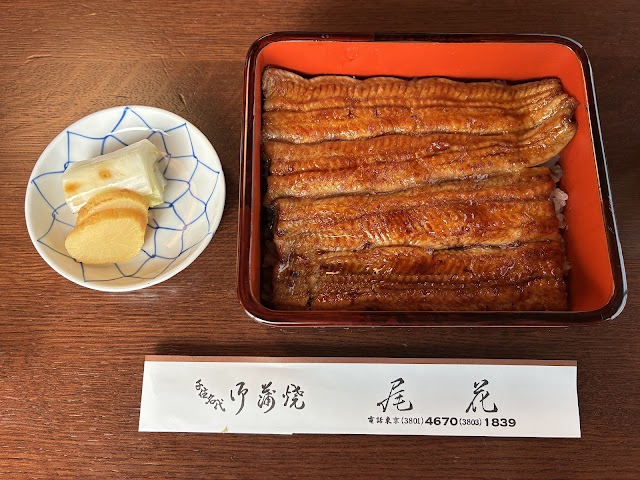
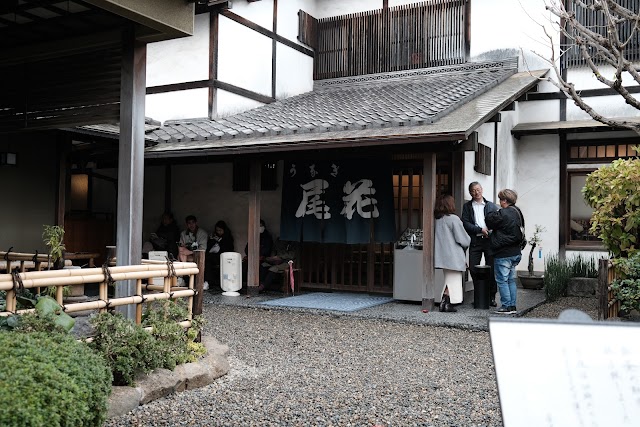
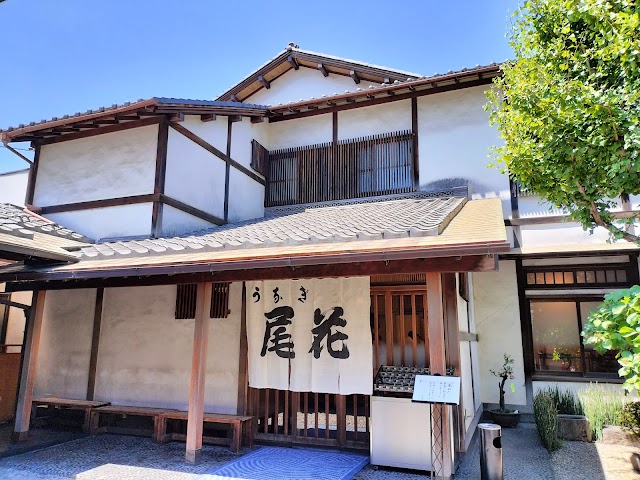
Among the champions, Nodaiwa in Azabu was founded in the Kansei era (1789-1801) and has run for more than two centuries as the 'western champion'; its fifth-generation master Kenjiro Kanemoto was the first eel chef named a 'Contemporary Master Craftsman,' and there is even a Paris branch—plus rare wild eel in summer, the most persuasive starting point for Edo-mae eel. Obana in Minami-Senju, founded in 1868, shares the title as the 'eastern champion'; it takes no reservations, lines form before opening, and it closes when sold out, cutting, steaming and grilling to order, the wait rewarded by a box of eel soft enough to melt. Komagata Maekawa in Asakusa turns a meal into a full Sumida-side experience—tatami rooms facing the river and Skytree, inherited sauce on steamed-then-grilled eel, ideal for hosting or for older relatives.
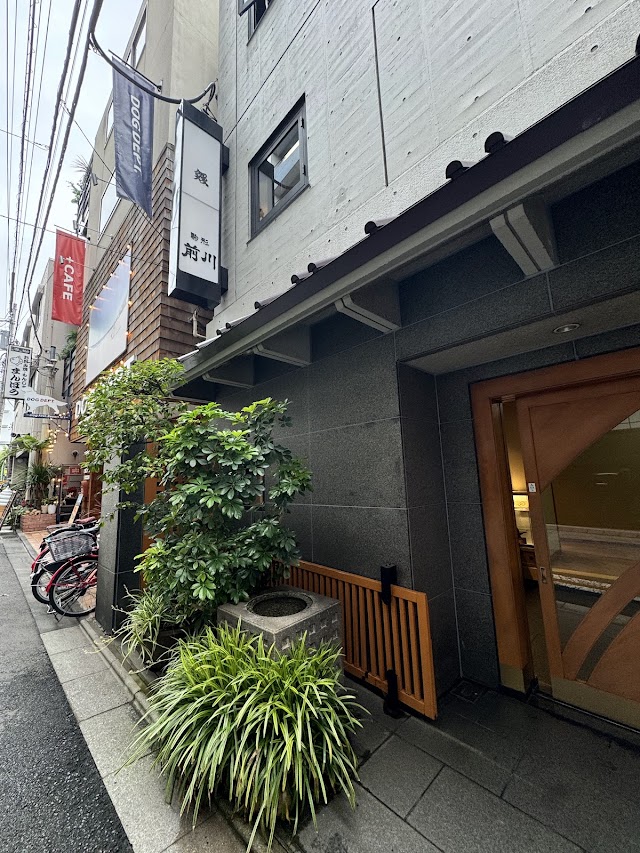
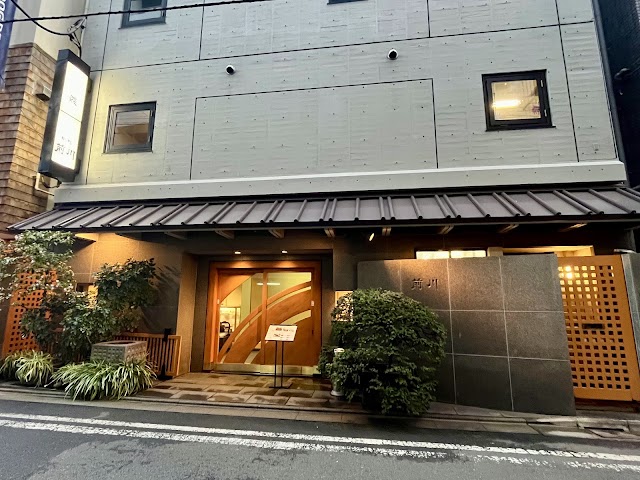
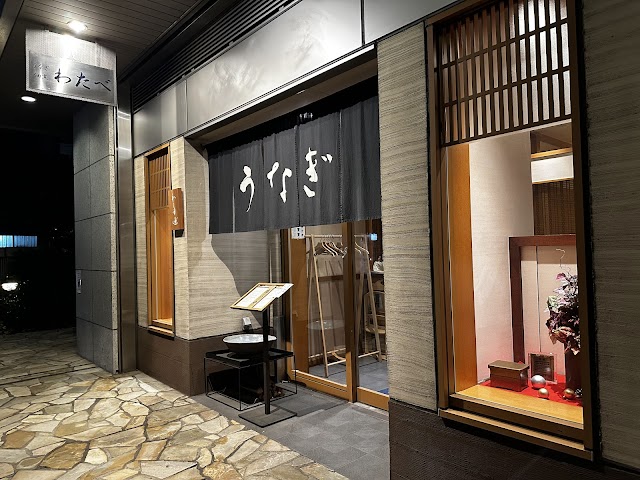
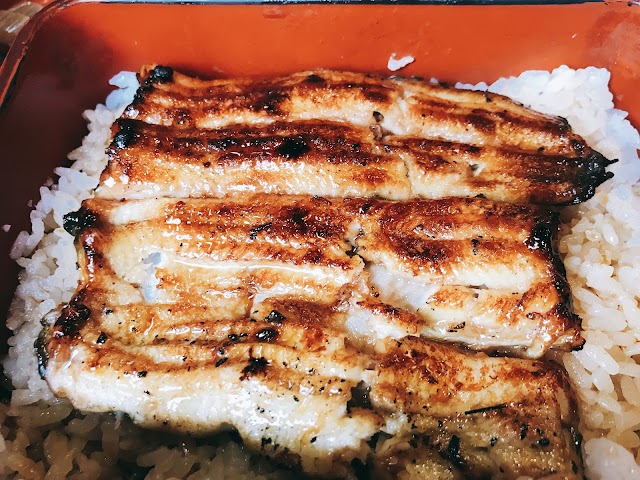
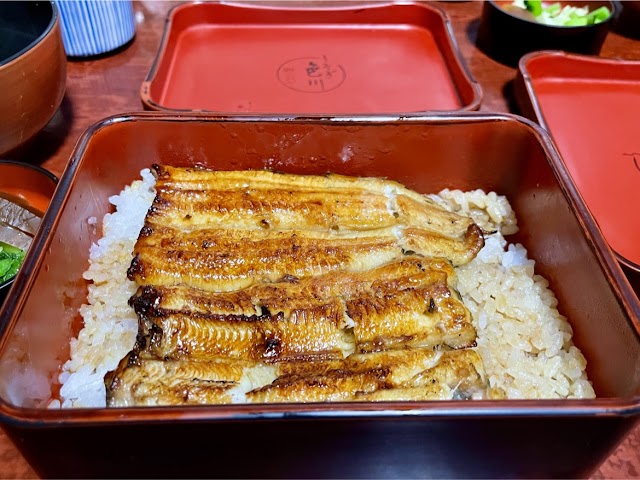
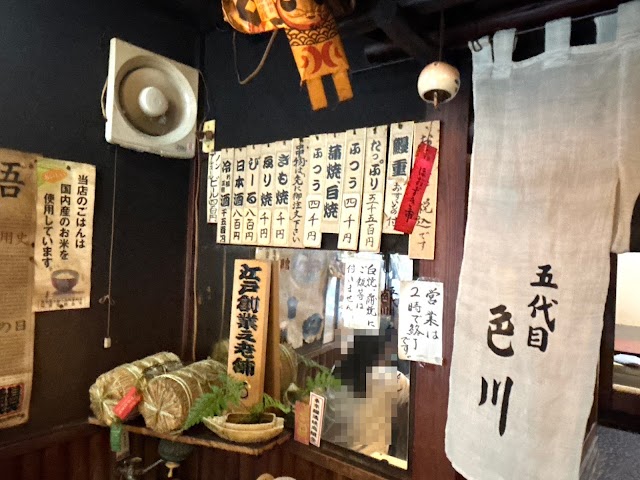
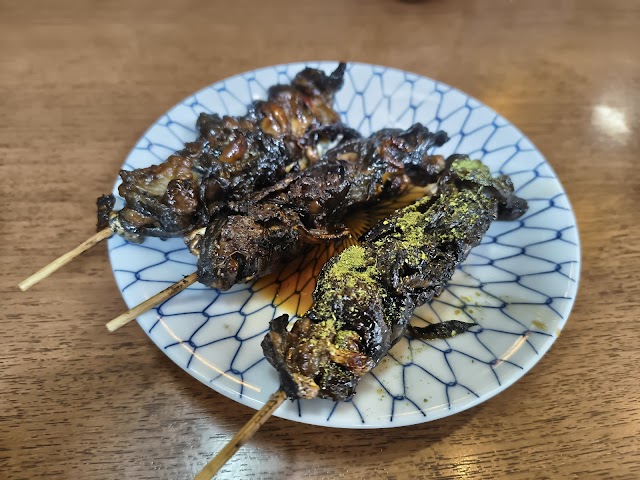
For ratings and guide approval over name alone, three hit the sweet spot. Asaya in Sangubashi opened in September 2023 and was listed in the Tabelog Unagi Top-100 the next year, one of the hardest eel shops to book, its young chef precise with charcoal and steam at a gentler price than the champions. Watabe in Koishikawa is a Michelin-listed specialist tucked into a residential block, calm and crowd-free, close to Korakuen and Tokyo Dome for after a ballgame. Irokawa by Asakusa's Kaminarimon is a downtown shop with daily queues, friendlier in price, its eel grilled fragrant with a rich, rice-friendly sauce, perfect after visiting Senso-ji.
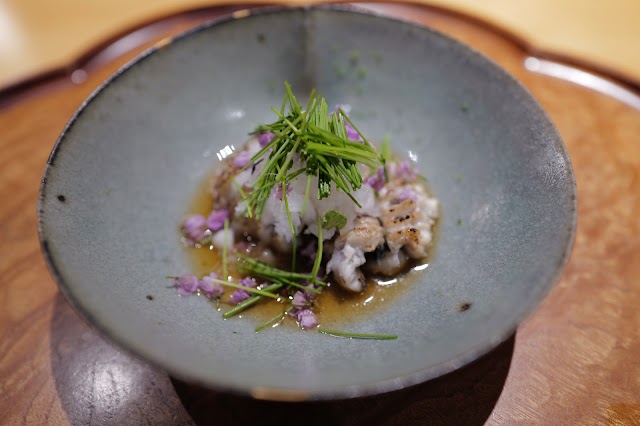
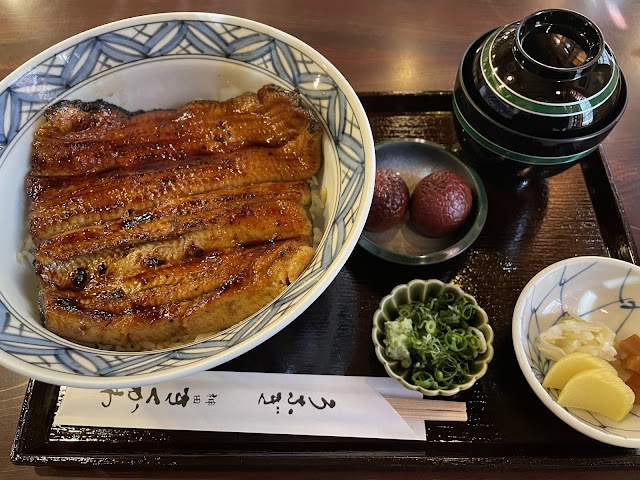
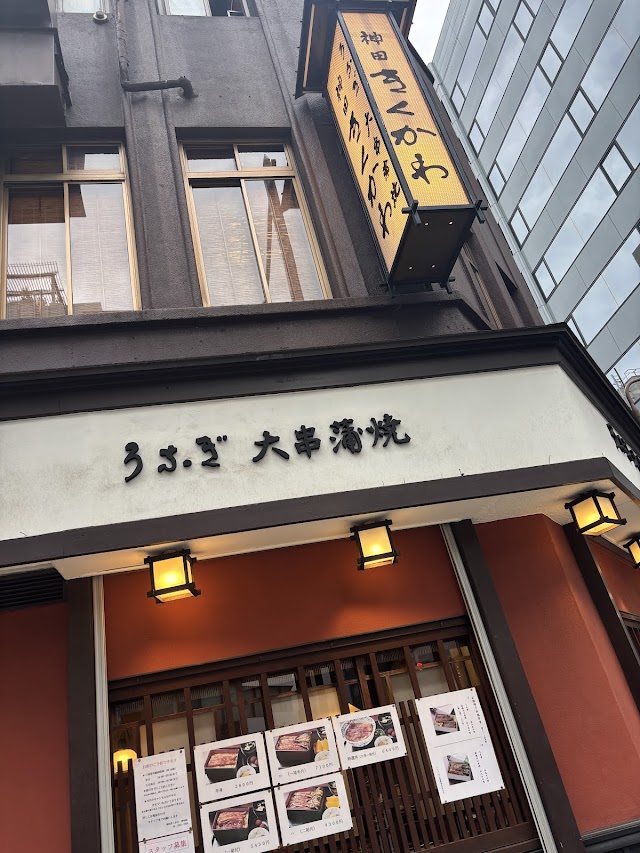
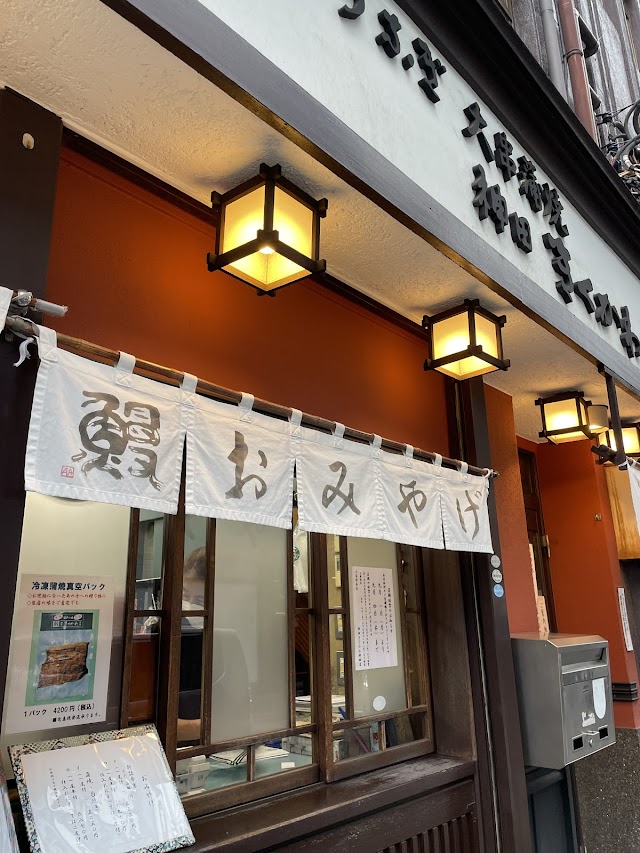
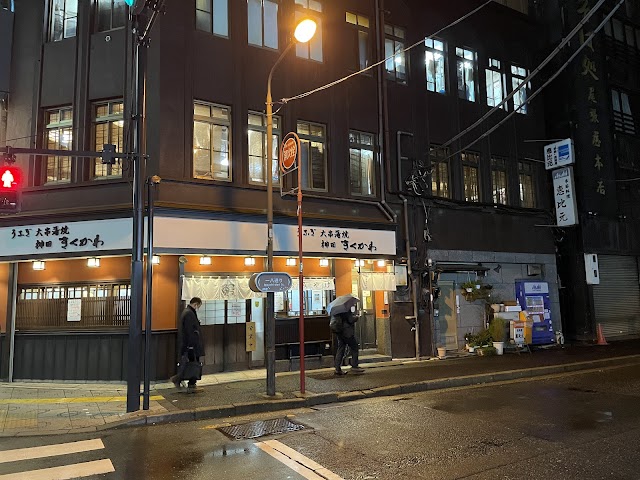
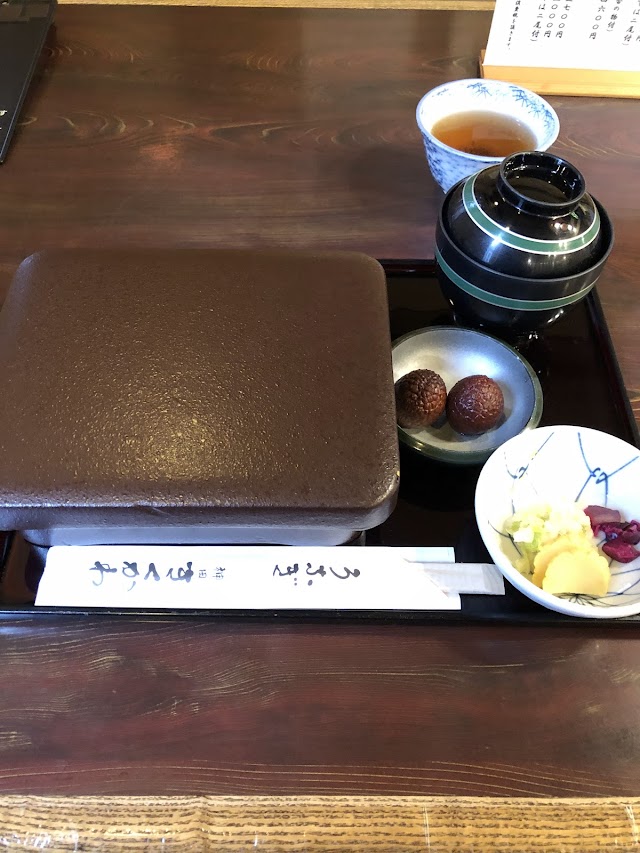
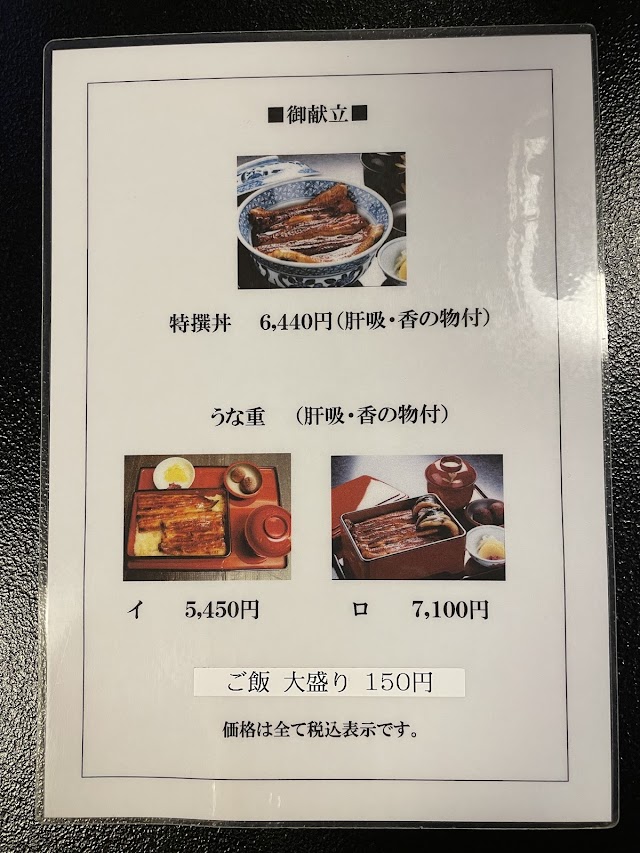
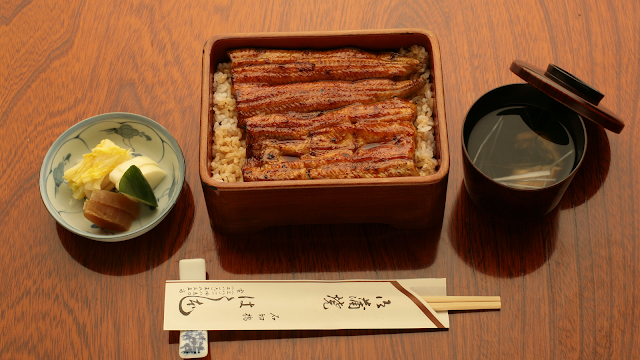
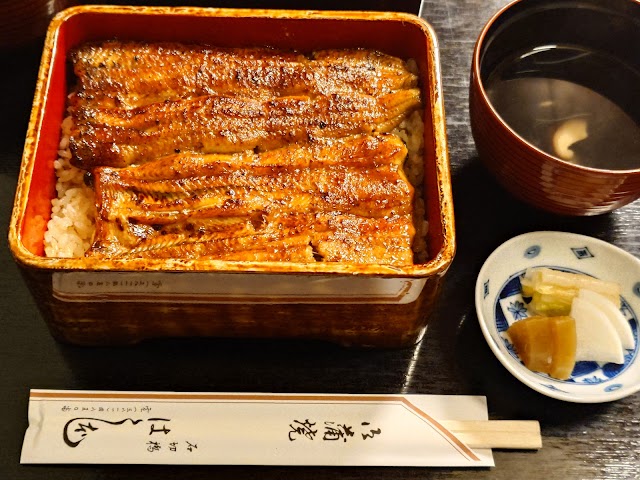
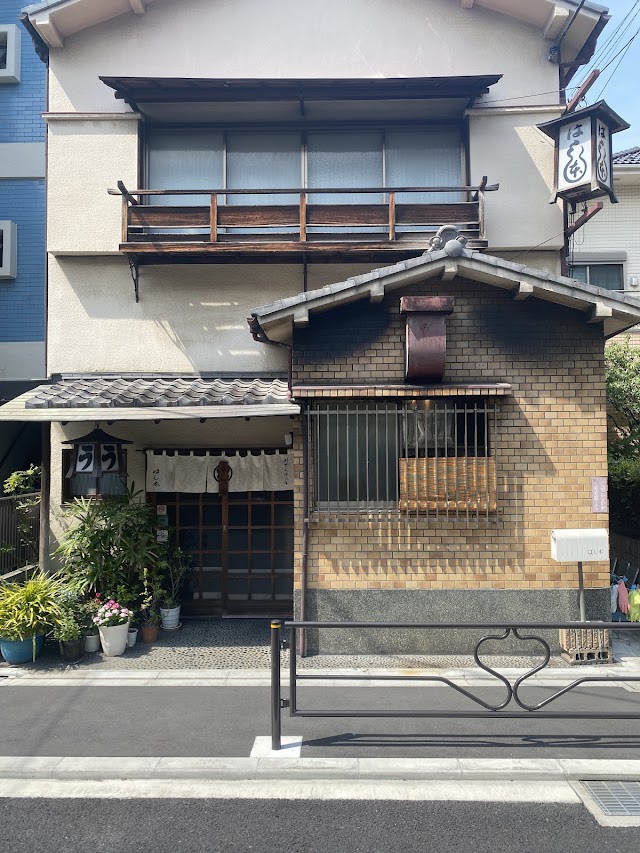
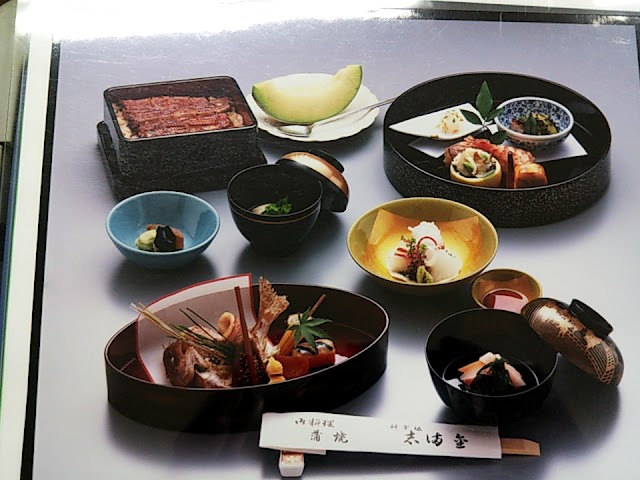
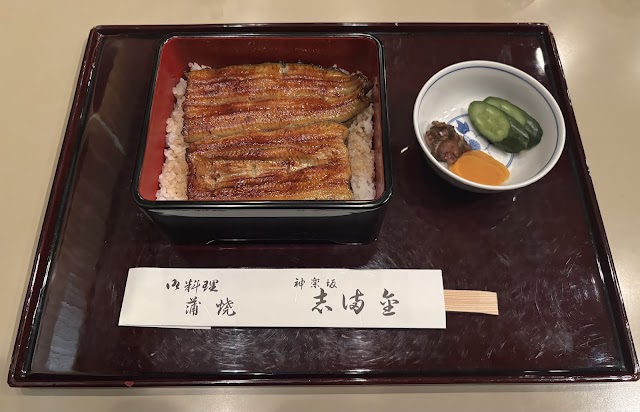
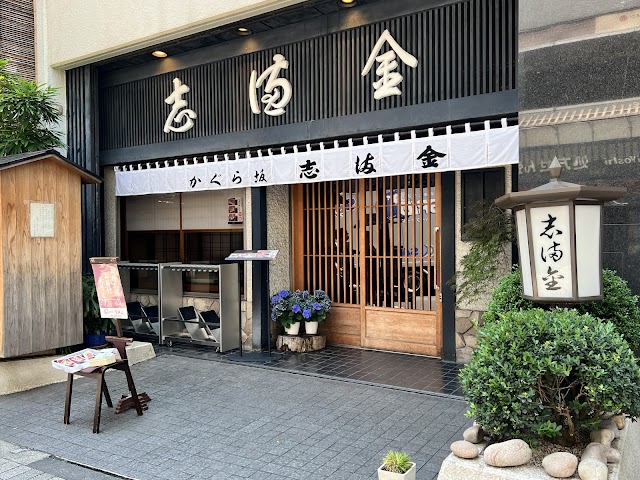
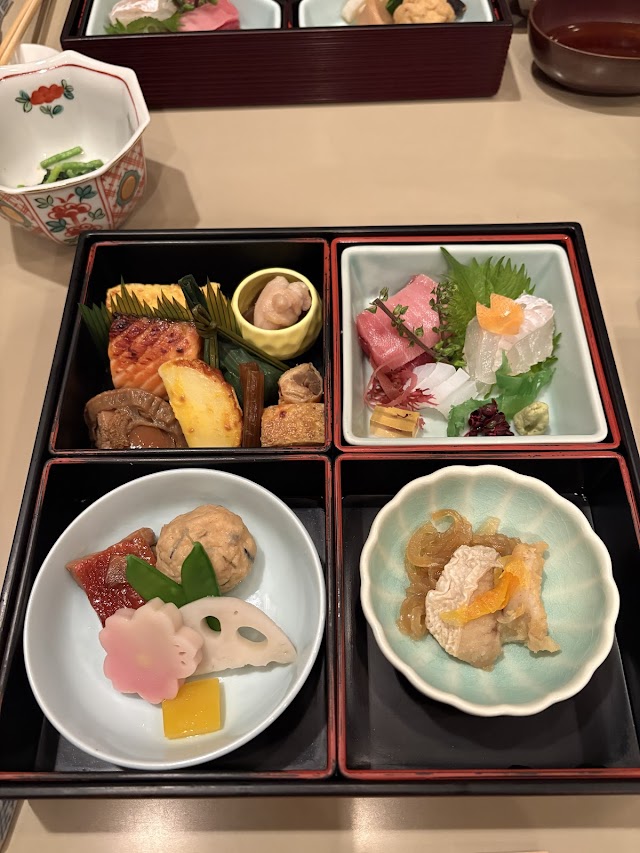
Among good-value heritage shops, Kanda Kikukawa, founded in 1947, brings name-shop flavor to a reachable price, with easy matsu/take/ume grades, a good lunch and several branches so you skip the long line—best for a first try. Hashimoto in Yushima, founded in 1835, has grilled in the same spot for about 180 years, yet its premium una-ju is only around 4,700 yen, standout value among shops that often top 10,000—close to the first choice for real century-old Edo-mae eel under 5,000 yen. Shimakin in Kagurazaka, founded in 1869, works in an eel-kaiseki style with full courses around the fish, its stone-paved street and ryotei mood suited to anniversaries and hosting. Words to know: una-ju (lacquer-box eel rice), una-don (simpler bowl), shirayaki (no sauce, wasabi-soy), kimo-sui (liver soup); grades matsu/take/ume by portion. (Sources: Tabelog 'Unagi Top-100' and Tokyo eel rankings, the Michelin Guide Tokyo unagi listings, shop info from Gnavi and Retty, the official sites of Nodaiwa, Maekawa and Shimakin, explainers on the 'Contemporary Master Craftsman' title and Edo-mae eel preparation, and Wikipedia on unagi rice and Doyo-no-Ushi.)
 Scan for map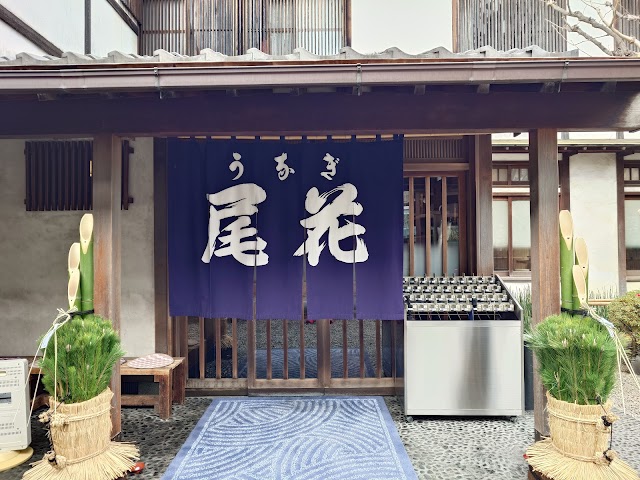
 Scan for map
 Scan for map
 Scan for map
 Scan for map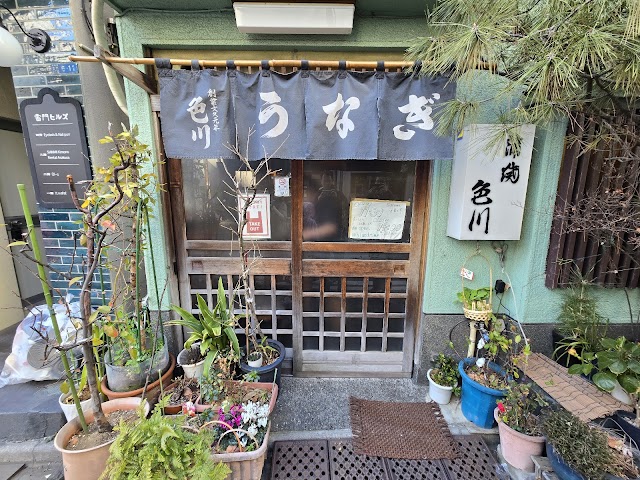
 Scan for map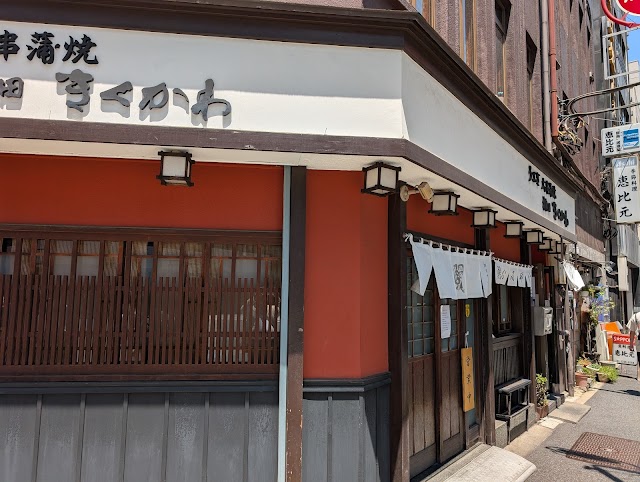
 Scan for map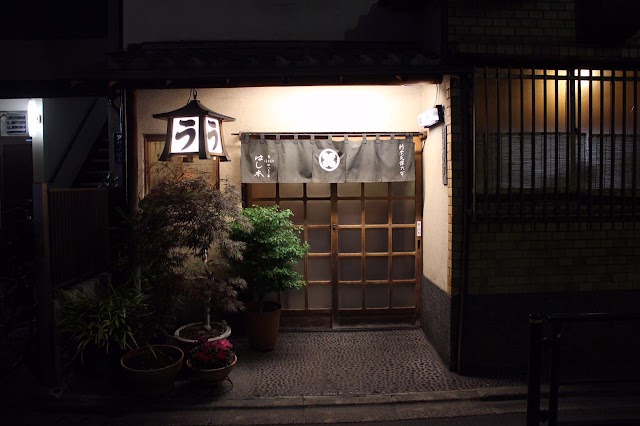
 Scan for map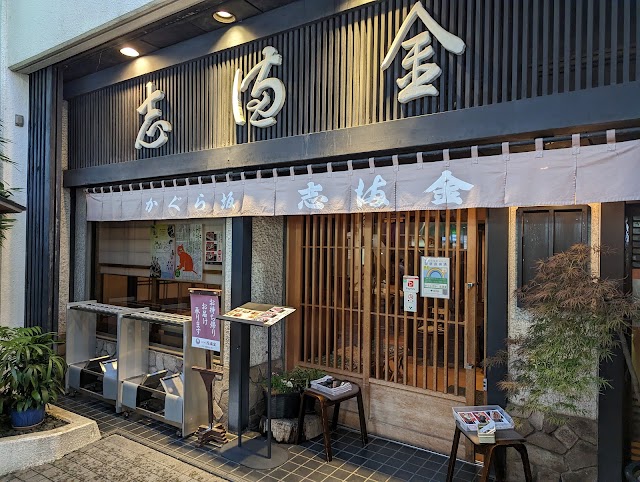
 Scan for map