inflation-and-inbound-tourism-power-japans-reuse-stocks
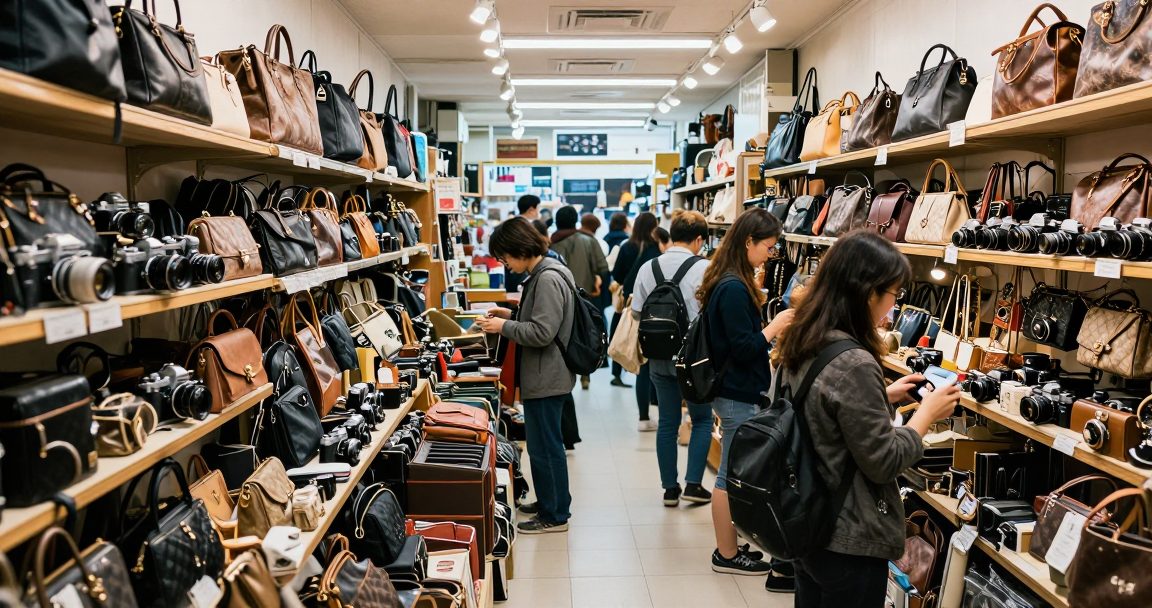
- Toyo Keizai's 'select small-mid caps' series no.9 highlights reuse leader Treasure Factory, driven by inflation and inbound tourism.
- Rising prices push Japanese consumers to buy second-hand and to sell idle goods for cash, feeding reuse firms on both supply and demand.
- Tourists treat reuse stores as 'treasure-hunt' spots, lifting foreign ticket sizes and footfall for bags, cameras and streetwear.
- For investors: a rare domestic theme that benefits from weak yen, high prices and labor shortage, but watch store-opening pace and inventory turnover.
While most Japanese domestic stocks struggle against inflation and labor shortages, Toyo Keizai's stock series spotlights reuse leader Treasure Factory because it turns those very pressures into twin engines. On the inflation side, rising prices split consumer behavior: budget-constrained buyers hunt second-hand bargains while households sell idle goods for cash, and reuse firms sit in the middle capturing both flows at structurally healthy margins. On the inbound side, a weak yen has upgraded reuse stores from local bargain spots into must-visit treasure hunts for foreign tourists, bolting a yen-denominated tourism revenue line onto the domestic base. The caution: reuse is a classic store-rollout growth story, where revenue depends on new openings that must be stocked and matured, and over-expansion can erode per-store efficiency and bloat inventory. Three paths follow: sticky inflation plus strong inbound keeps both engines running; a stronger yen trims the tourism premium but domestic thrift demand holds the base; or aggressive openings drag per-store metrics even with healthy demand. Investors should track same-store sales growth, the inbound contribution ratio, and inventory turnover days. The deeper question: when even bargain-hunting and selling old goods become growth stories, are you seeing the resilience of domestic demand, or a signal of consumer downgrading?