Tokyo Horumon (Offal) 2026: Nine Picks for Beer Season, From Months-Wait Yuji in Shibuya to Downtown Charcoal at Kameido Horumon and the 'Five Great Nikomi' Shrine Uchida in Tateishi
- Sort three tiers: (1) Hard-to-book charcoal temples (Yuji, Shibuya, a byword for Tokyo horumon, Tabelog Award 2026 Bronze, Yakiniku TOKYO Top-100 2025, months-long wait / Sanbyakuya, Shinsen, a specialist balancing prime cuts and offal); (2) Specialist & signature shops (Heiwaen, Numabukuro, famous from the drama Kodoku no Gurume, wasabi karubi / Yaruki Horumon, Shinjuku, affordable, Gunma-direct gatsu + chire / Horumon Toku, Nakameguro, marucho and hatsu in a stylish district); (3) Downtown taverns & motsuyaki-nikomi shrines (Kameido Horumon, Shibaura-direct, charcoal brazier, queues, no reservations / Uchida, Tateishi, one of Tokyo's 'Five Great Nikomi,' ume-wari, sen-bero / Yamariki, Morishita, one of the 'Three Great Nikomi,' beef shiro and giara simmered 6+ hours / Ohashi, Kita-Senju, founded 1877, niku-dofu).
- Sort two styles first: 'horumon yakiniku' is grilling offal yourself over charcoal (shimacho/large intestine, marucho/small intestine, hatsu/heart, reba/liver; salt best shows freshness); downtown 'motsuyaki & nikomi' is skewered char-grilled or long-simmered offal paired with shochu highballs at sen-bero taverns. Both are offal; scene and budget differ.
- Wide price range: downtown sen-bero taverns ~1,500-3,000 yen per person (Uchida); popular horumon and nikomi ~3,000-5,000 yen (Kameido Horumon, Yaruki Horumon, Ohashi, Yamariki); specialists ~4,000-10,000 yen (Heiwaen, Horumon Toku, Sanbyakuya); charcoal temple ~8,000-12,000 yen (Yuji). Decide the occasion first.
- Cut words: shimacho (large intestine), marucho (small intestine), hatsu (heart), reba (liver), tan (tongue), harami (skirt/diaphragm), gatsu (stomach), shiro (pork/beef small intestine), giara (4th stomach); ordered shio (salt) or tare (sauce). The temple Yuji often books months ahead; downtown Uchida and Kameido take no reservations—expect a line and they close when sold out.
- For Taiwanese readers: to see the ceiling of Tokyo charcoal horumon and willing to wait, go to Yuji in Shibuya; for prime cuts plus offal without a months-long wait, Sanbyakuya in Shinsen; to skip the crowds for a warm neighborhood grill, Heiwaen in Numabukuro; for the easiest access and affordable beer pairing, Yaruki Horumon in Shinjuku; while strolling Nakameguro, Horumon Toku; for a downtown charcoal-brazier experience, Kameido Horumon; for sen-bero culture at its core, Uchida in Tateishi; for a thoughtful nikomi, Yamariki in Morishita; for the most old-school tavern and its niku-dofu, Ohashi in Kita-Senju.
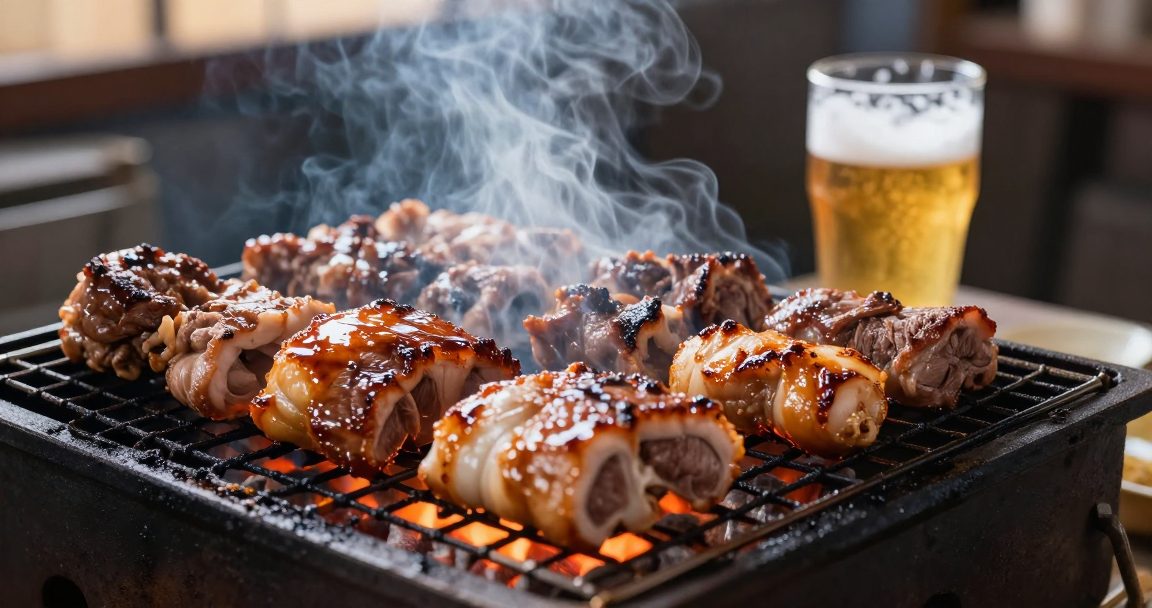
When the heat sets in, Tokyo heads for horumon (offal): the fat, the salt, the charcoal smoke and an ice-cold draft beer make the best combination a summer izakaya night can offer. For Taiwanese travelers offal can look intimidating, but learn a few cut names and the shop types and you can pick well and cheaply.
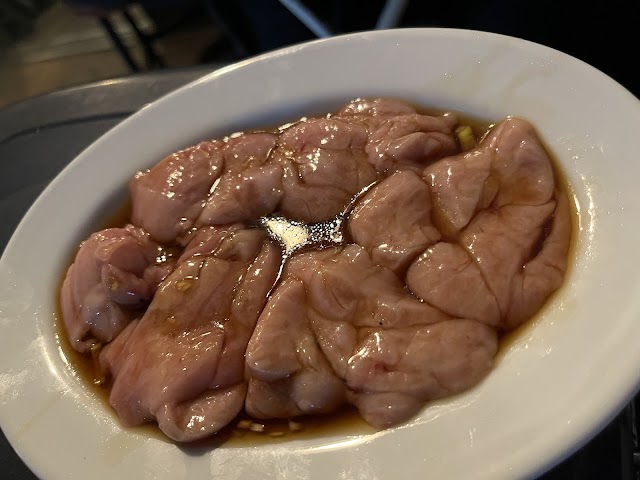
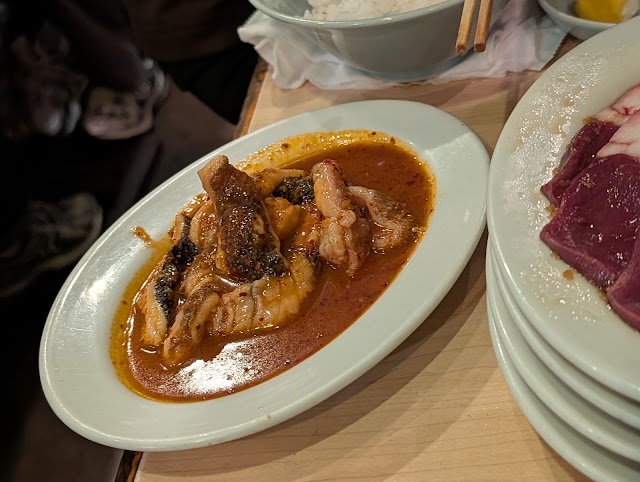
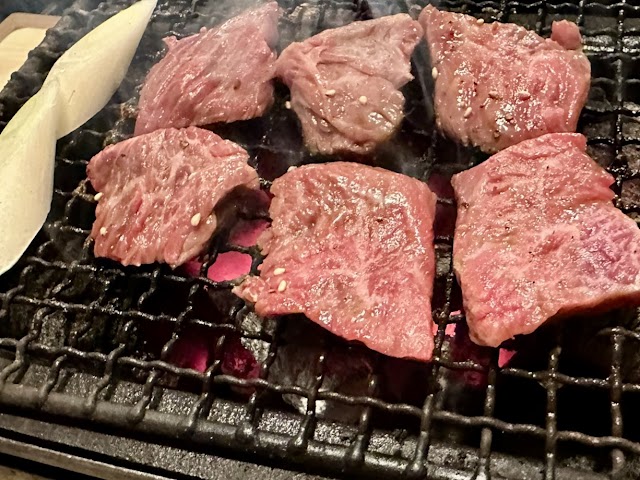
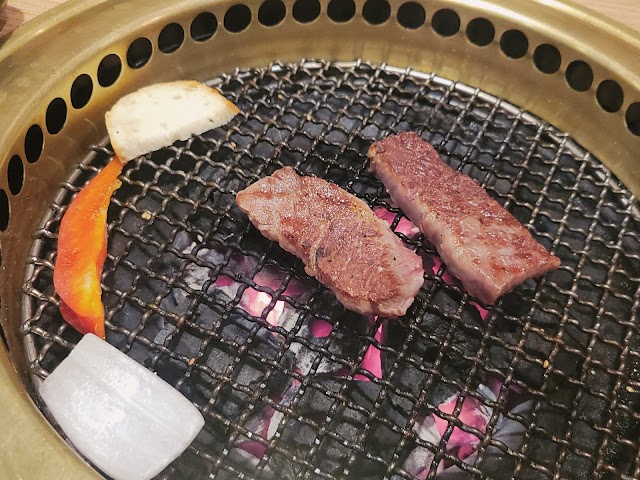
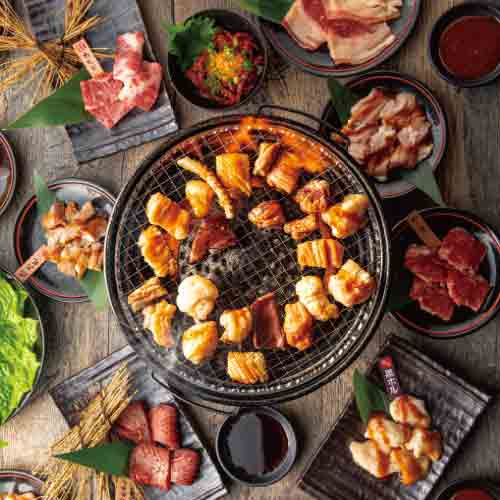
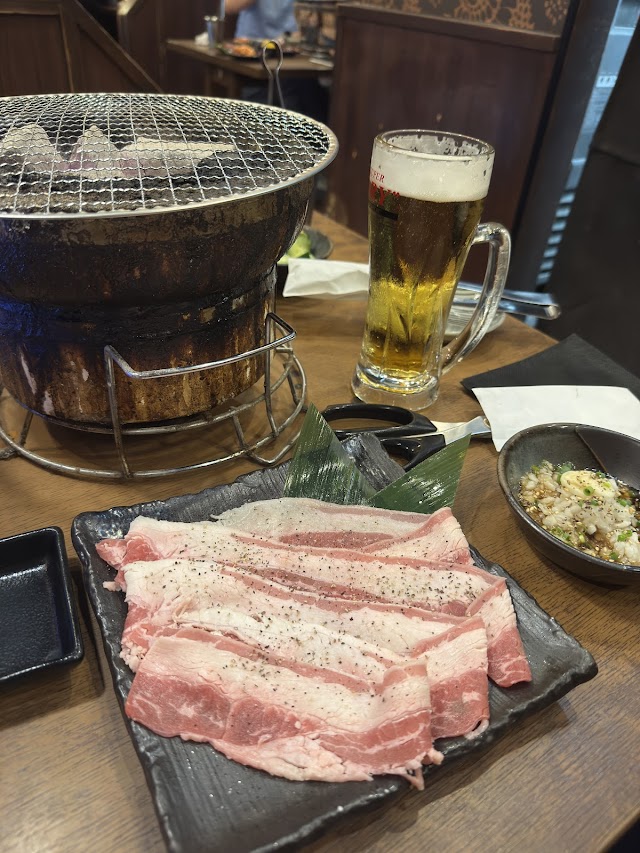
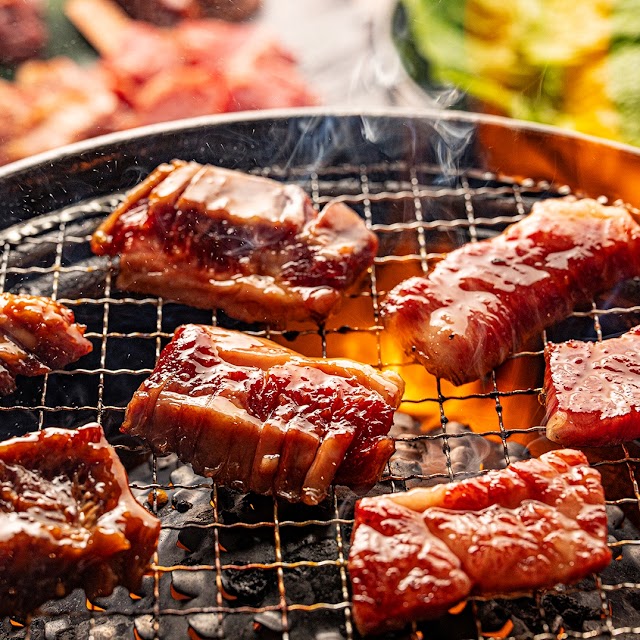
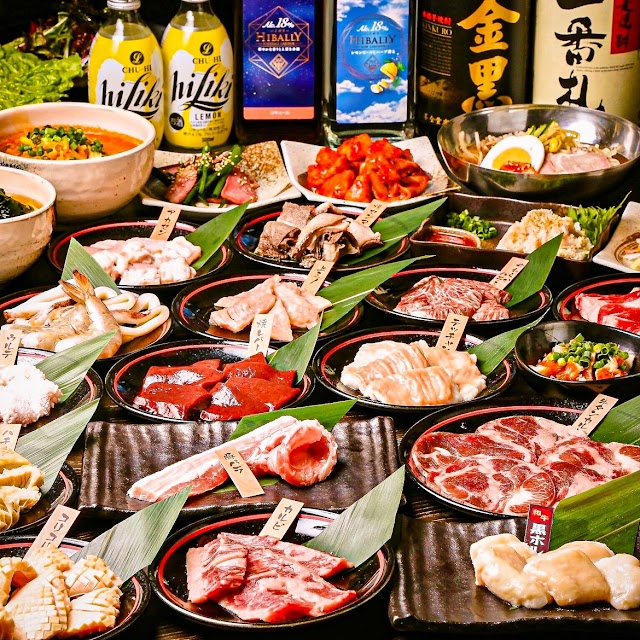
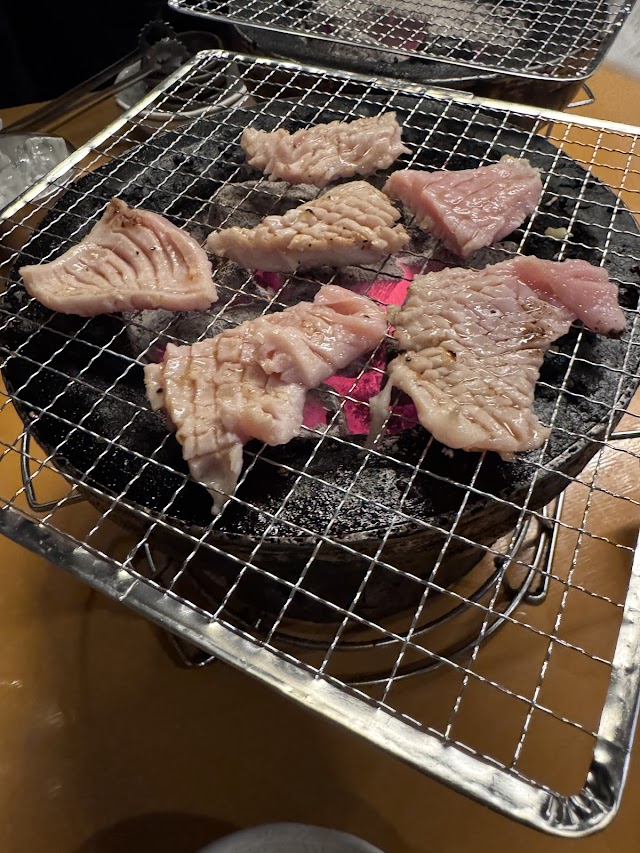
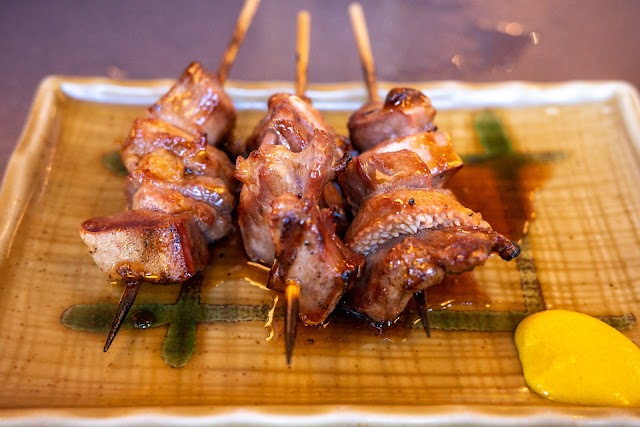
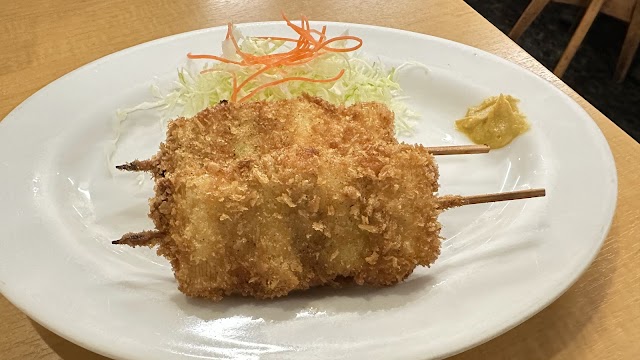
Sort two styles first. One is 'horumon yakiniku': like grilled beef, you cook the offal yourself over charcoal or a mesh—shimacho (large intestine), marucho (small intestine), hatsu (heart), reba (liver), each with its own texture, with salt best showing freshness. The other is the downtown 'motsuyaki and nikomi': pork and beef offal skewered and char-grilled, or simmered for hours in a decades-old sauce, paired with shochu highballs—the cheap-and-cheerful 'sen-bero' tavern style. Both are offal, but the scene and budget differ widely.
The nine here split into three tiers. First, hard-to-book charcoal temples: Yuji in Shibuya, treated as a byword for Tokyo horumon with a months-long wait, and the specialist Sanbyakuya in Shinsen. Second, specialist and signature shops: Heiwaen in Numabukuro (famous from the TV drama Kodoku no Gurume), the affordable Yaruki Horumon in Shinjuku (offal shipped straight from Gunma), and Horumon Toku in stylish Nakameguro. Third, downtown taverns and motsuyaki-nikomi shrines: the always-queued charcoal-brazier Kameido Horumon, plus Uchida in Tateishi, Yamariki in Morishita and Ohashi in Kita-Senju, all counted among Tokyo's 'great nikomi.'
Below runs from a 1,000-yen tavern of skewers and beer to a charcoal temple with a months-long wait—pick one by occasion and budget. (Prices are estimates; check each shop's current menu.)
Sort Tokyo offal into two styles and three tiers before you choose. One style is 'horumon yakiniku'—like grilled beef, you cook each cut yourself over charcoal or mesh, prizing freshness, knife work and timing. The other is downtown 'motsuyaki and nikomi'—pork and beef offal skewered and char-grilled, or simmered for hours in a decades-old sauce, paired with shochu highballs at cheap taverns. The nine here then split by price and difficulty into charcoal temples, specialist and signature shops, and downtown taverns and nikomi shrines.
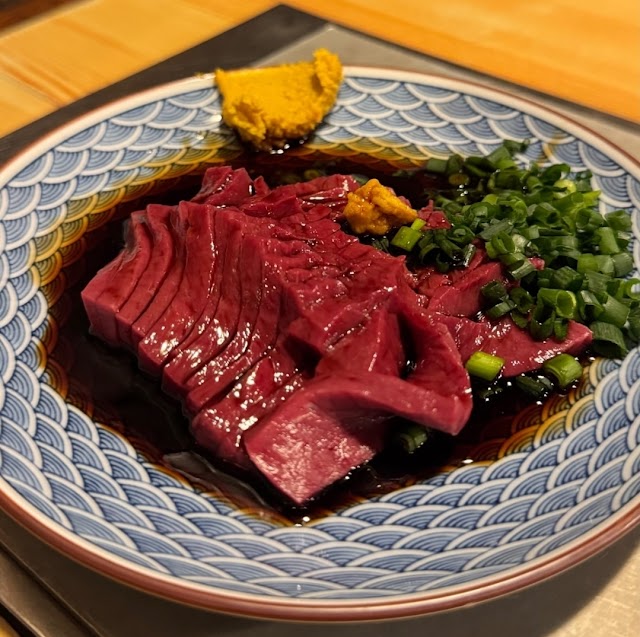
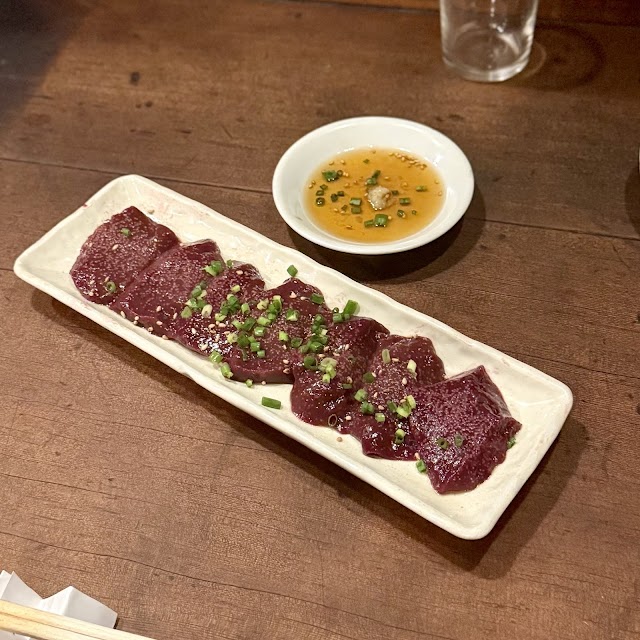
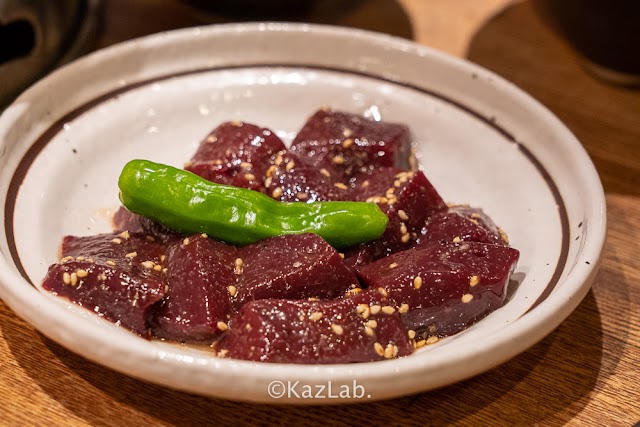
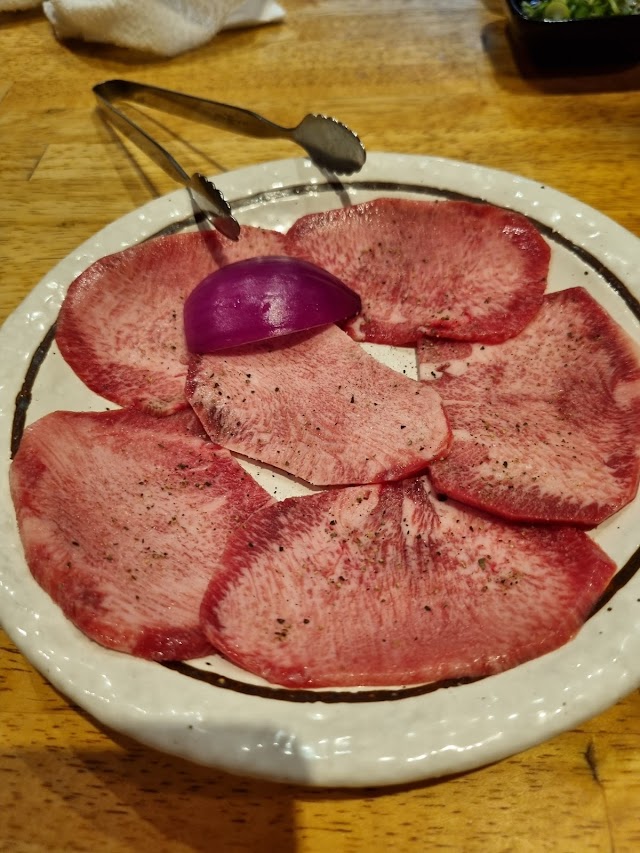
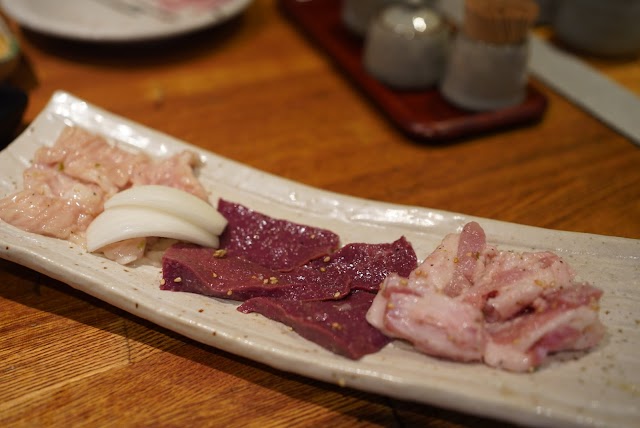
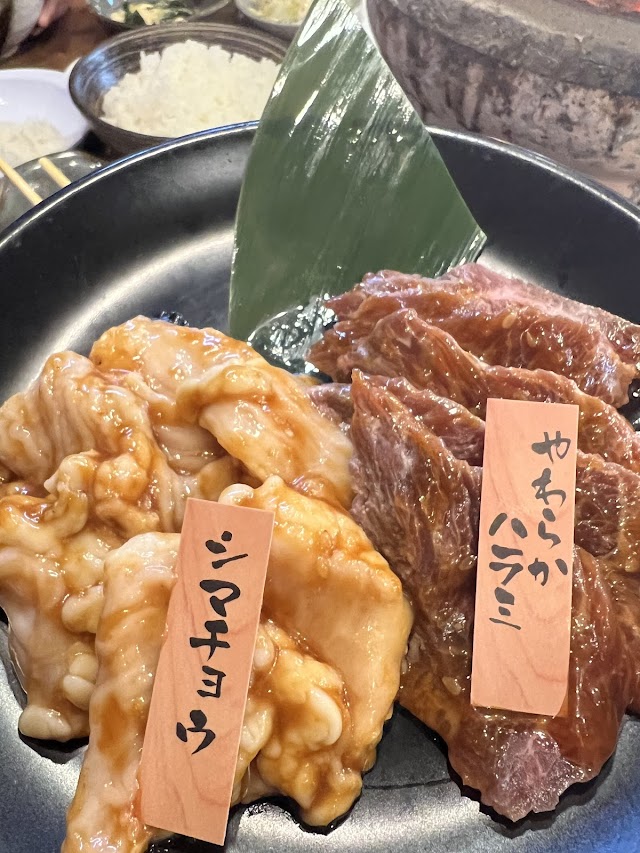
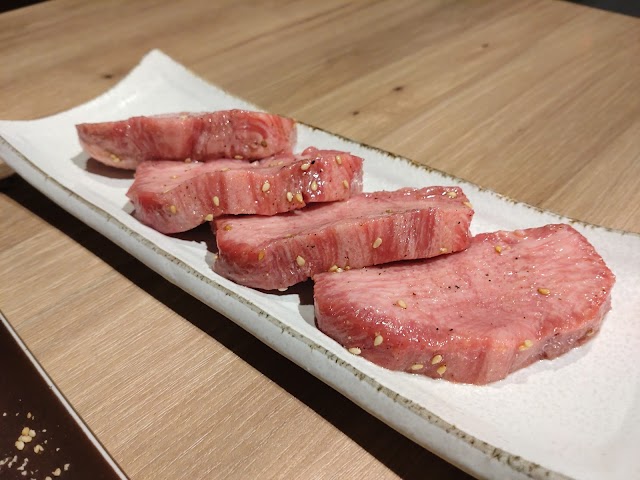
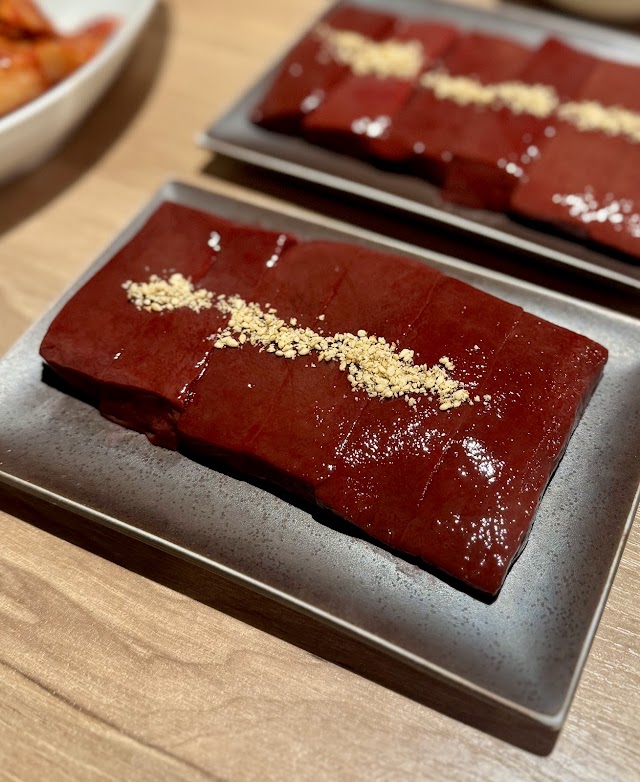
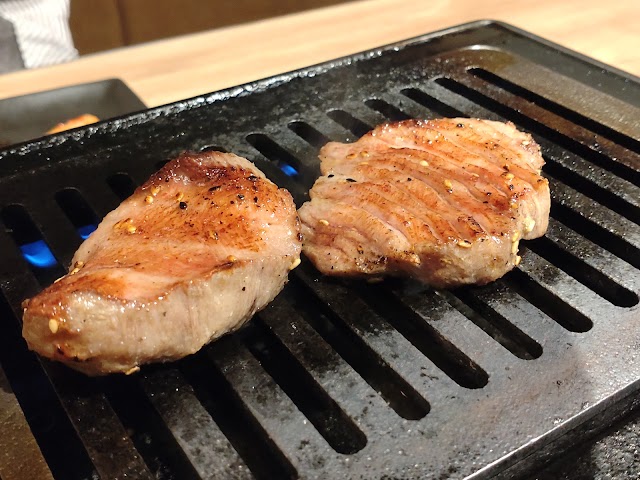
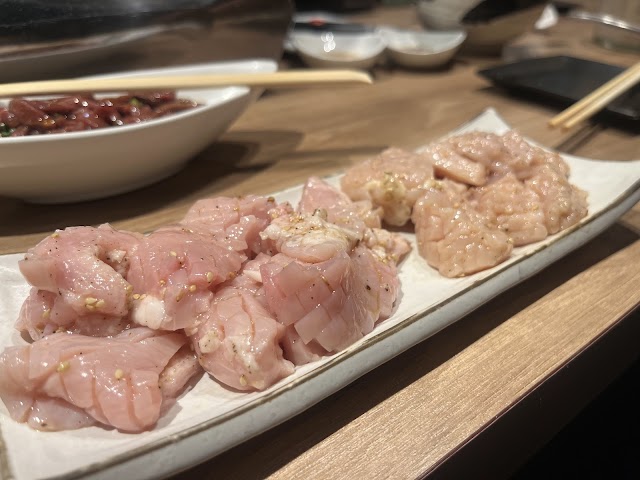
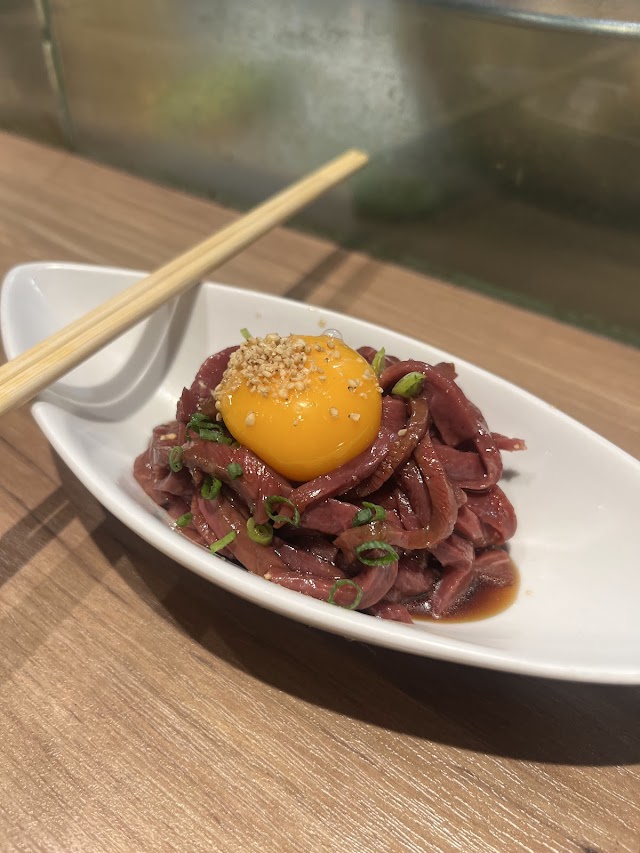
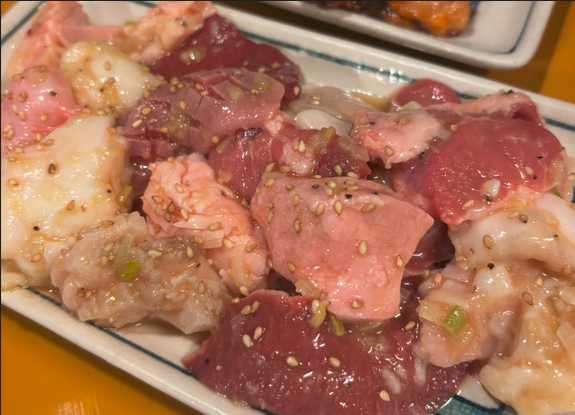
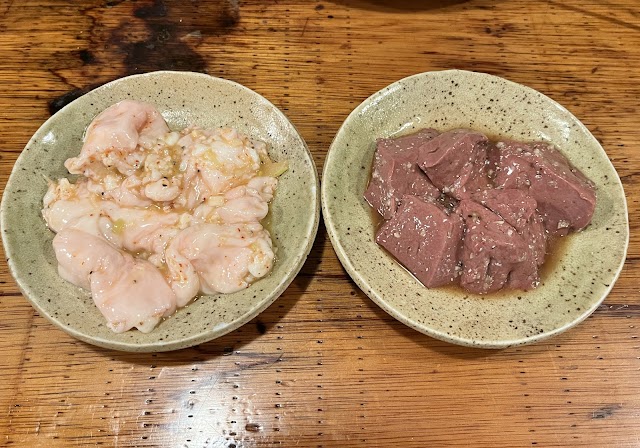
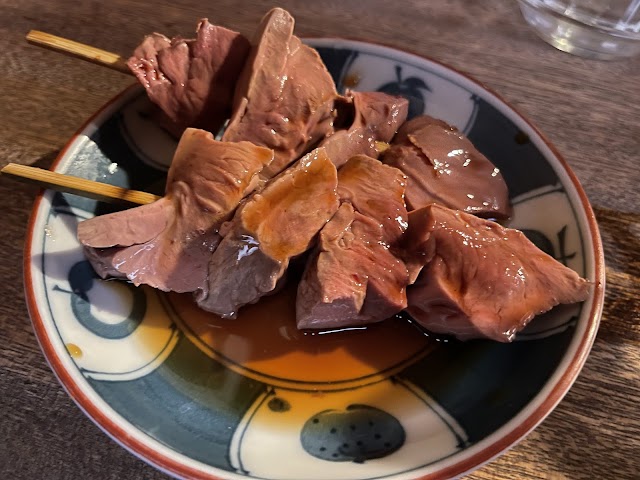
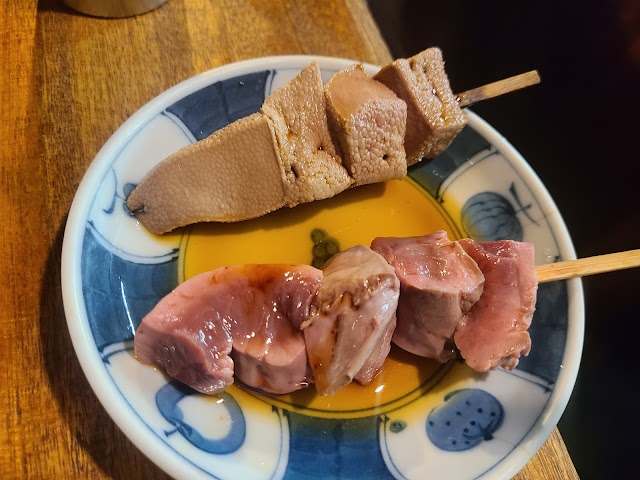
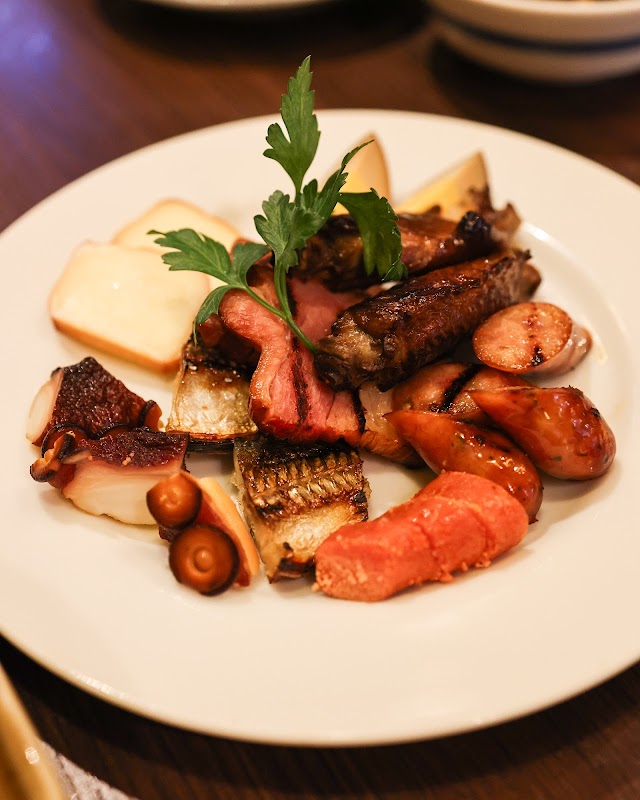
Learn the cuts and offal is easy to order. Shimacho is large intestine, marucho small intestine (fatty, among the most popular), hatsu heart (springy), reba liver (creamy), tan tongue, harami the skirt/diaphragm (actually leaner, beginner-friendly), gatsu stomach, shiro usually pork or beef small intestine, giara the fourth stomach. Grilling is often split into shio (salt) or tare (sauce); order salt to taste the freshness. Downtown motsuyaki is mostly pork-offal skewers, with miso-simmered nikomi alongside.
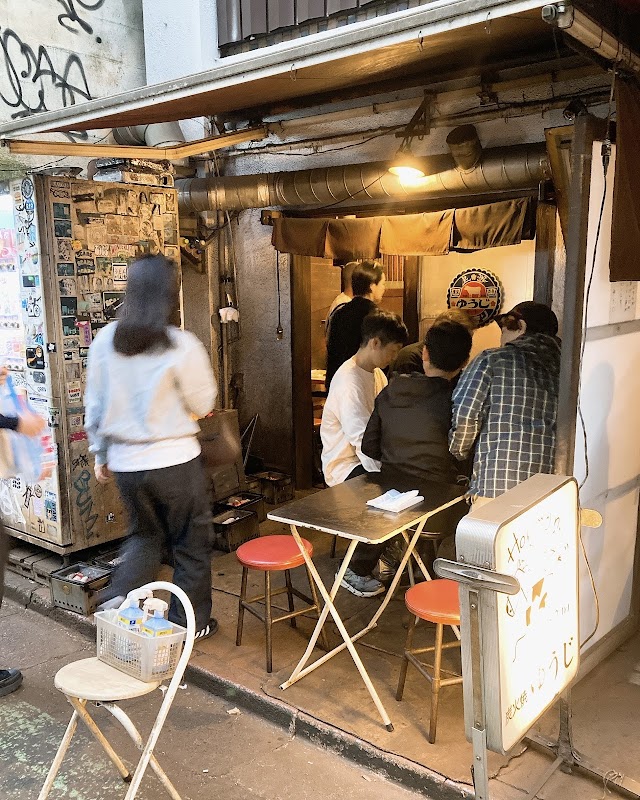
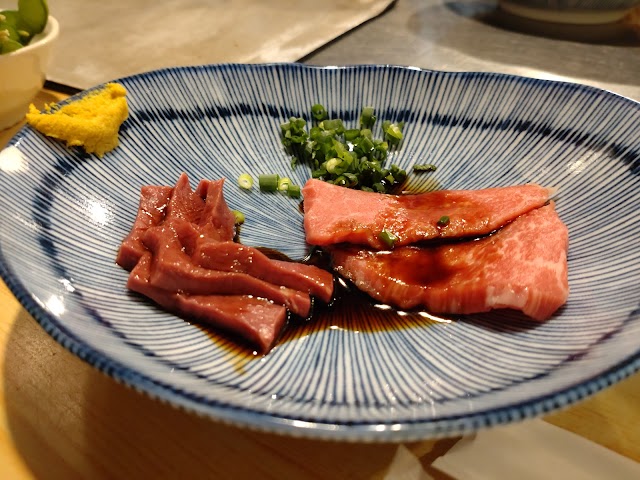
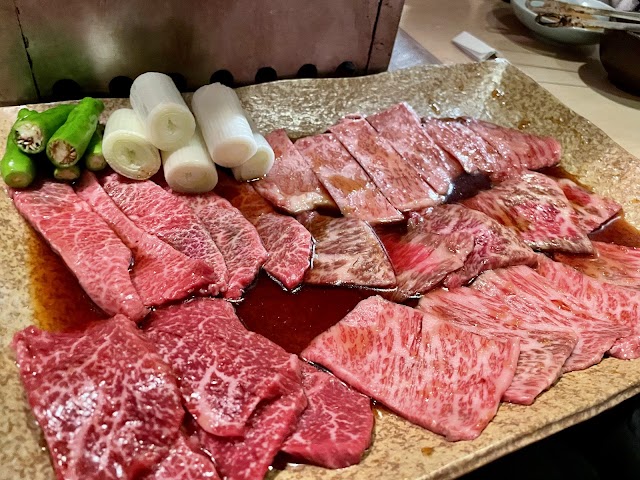
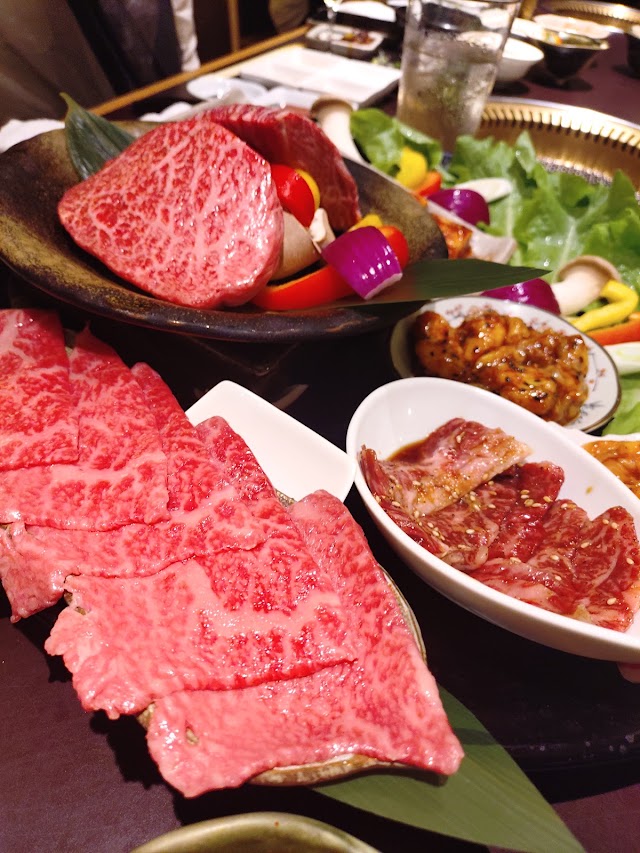
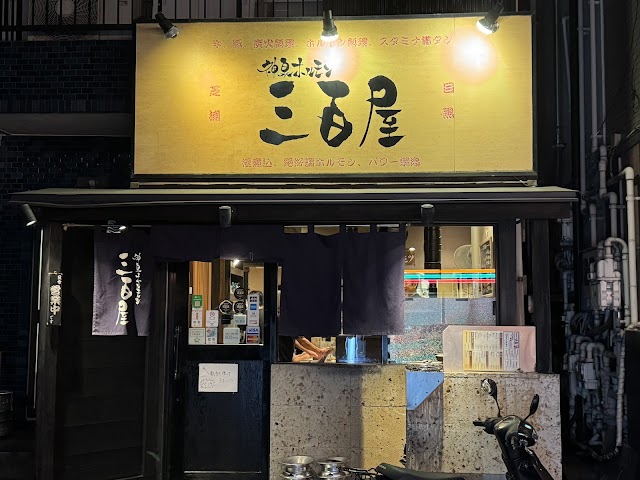
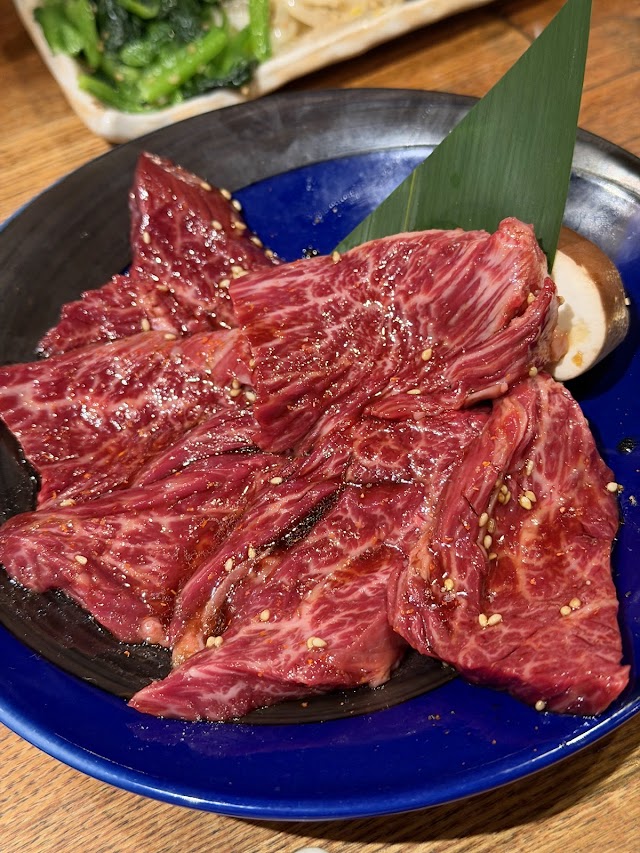
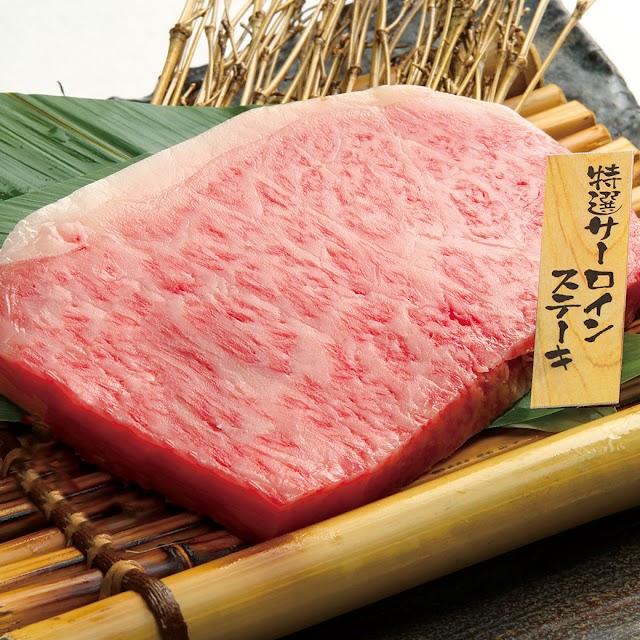
Among the hard-to-book charcoal temples, Yuji in Shibuya is treated by many as a byword for Tokyo horumon; its owner Yuji Higuchi took over his father's shop at about twenty-one, coaxing aroma from each cut over charcoal with thick slices and precise timing. It won Tabelog Award 2026 Bronze and sits in the Tabelog Yakiniku TOKYO Top-100 2025, often booked months ahead. Sanbyakuya in Shinsen comes from an owner who has watched meat for over thirty years, balancing prime cuts (wagyu tongue, harami) with cleanly prepared offal in a quiet alley—a strong pick that pairs good meat and offal without the months-long wait.
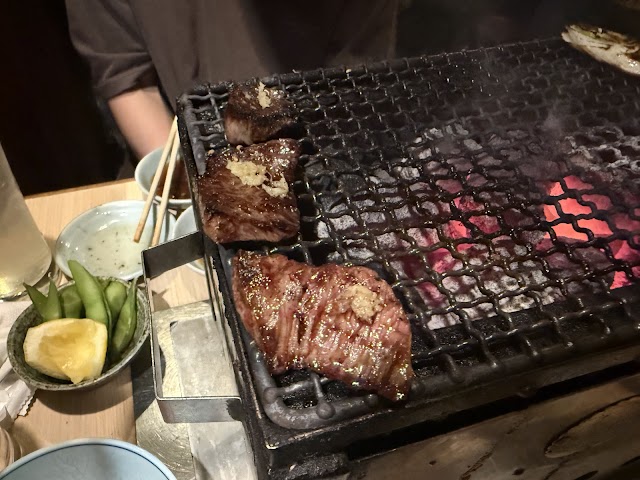
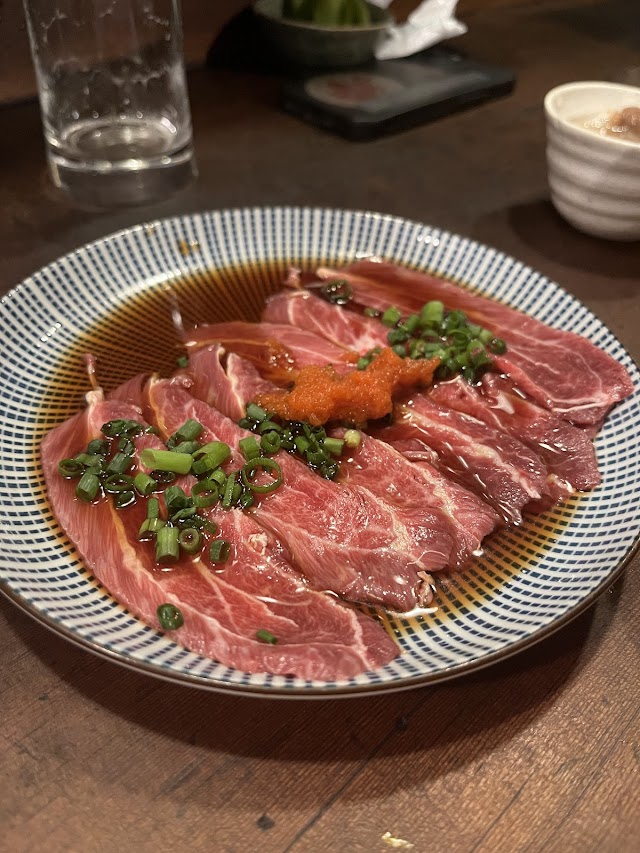
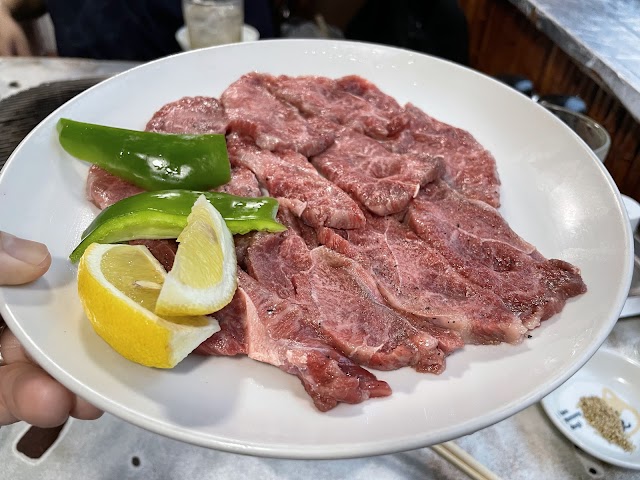
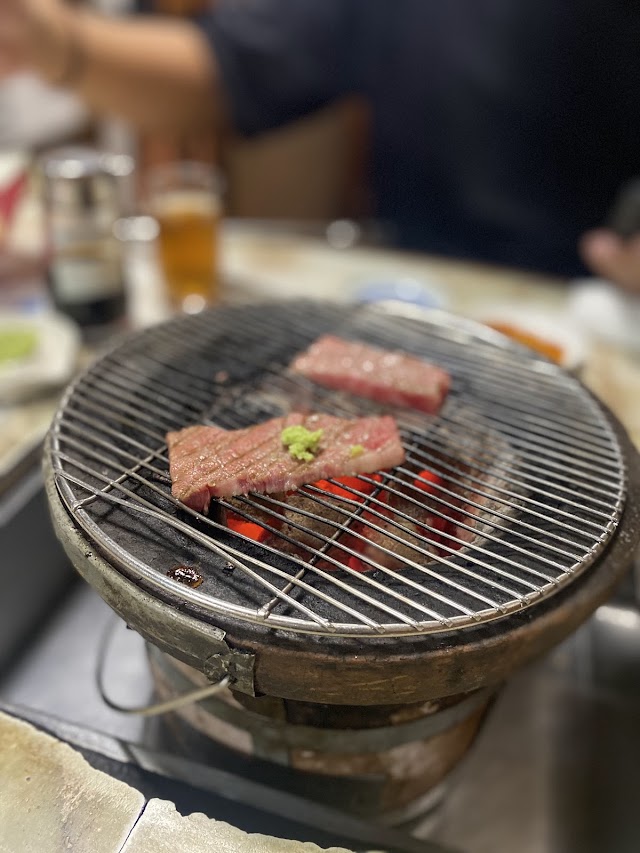
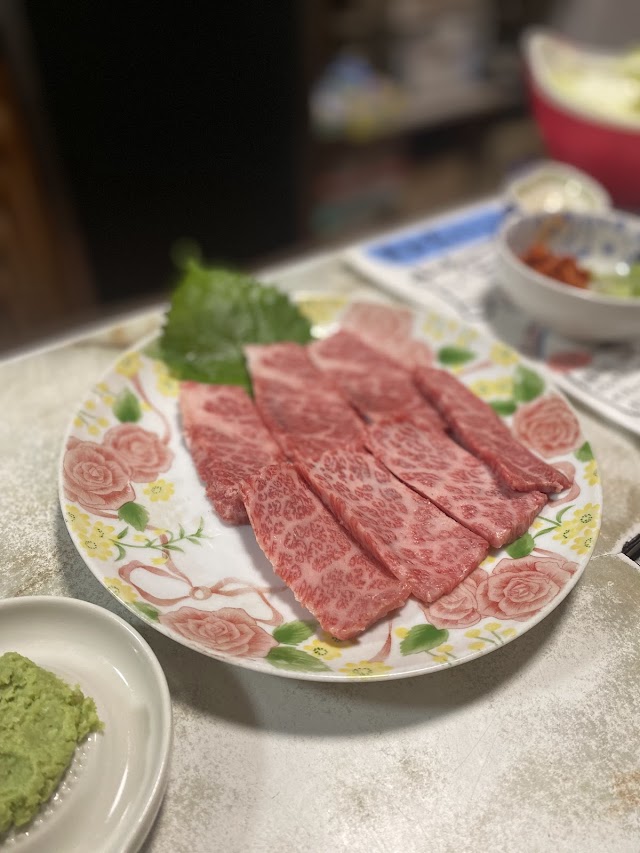
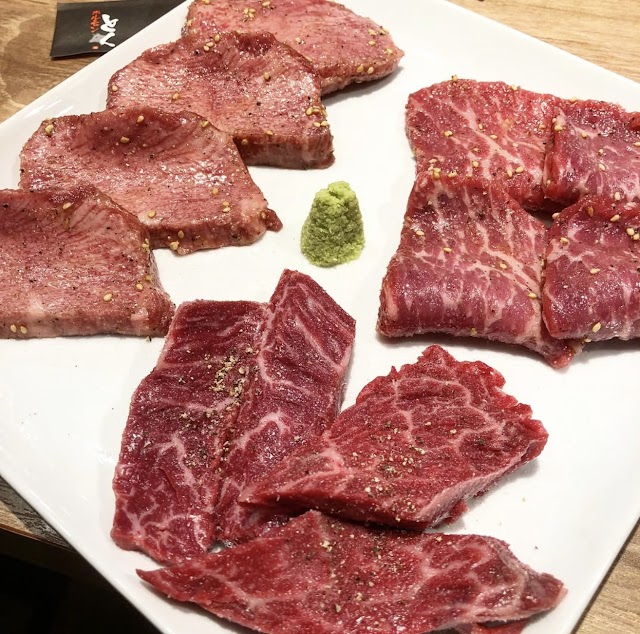
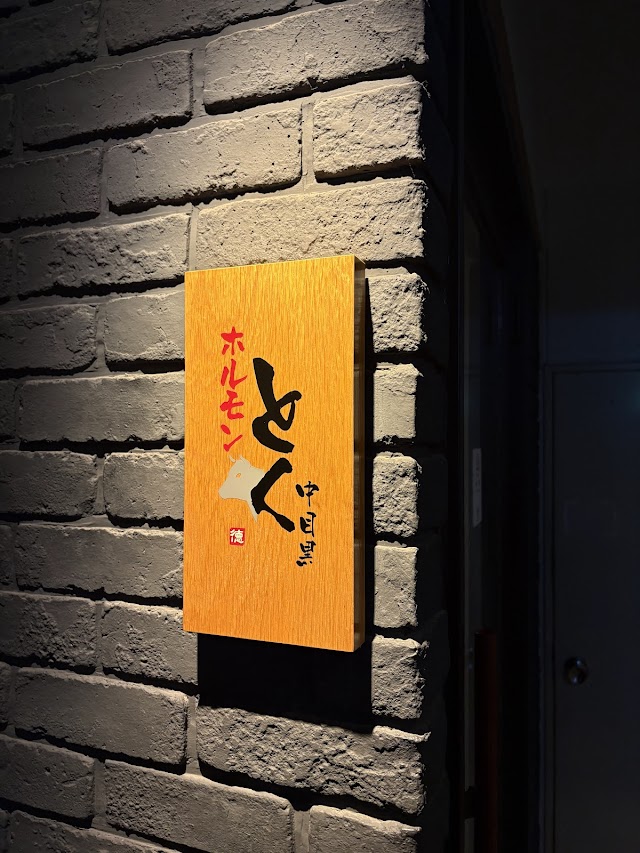
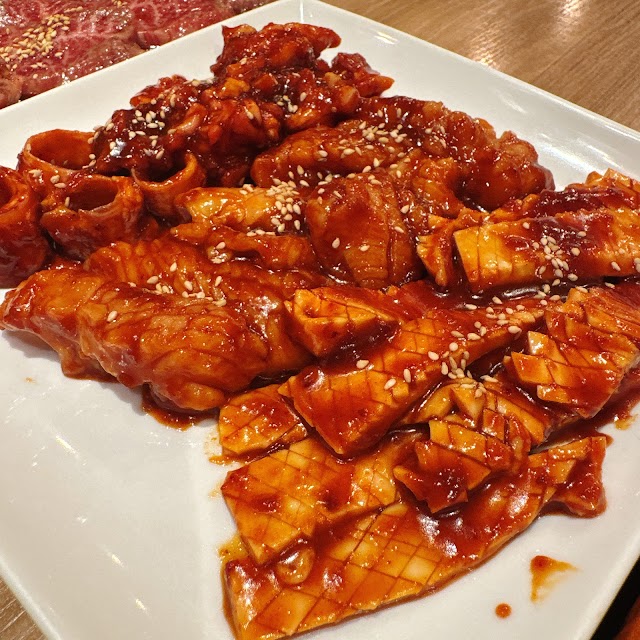
Among specialist and signature shops, Heiwaen in Numabukuro grew famous from the TV drama Kodoku no Gurume; its 'wasabi karubi'—lightly grilled meat topped with wasabi and dipped in soy—eats clean, a warm neighborhood grill worth the trip. Yaruki Horumon by Shinjuku's west exit ships offal straight from Gunma producers, so it is fresh and affordable; the signature 'yaruki horumon' pairs gatsu (stomach) and chire (spleen), springy with beer, in a lively, casual after-work setting. Horumon Toku, five minutes from Nakameguro Station, serves solid marucho and hatsu, fat-rich and satisfying after a riverside walk.
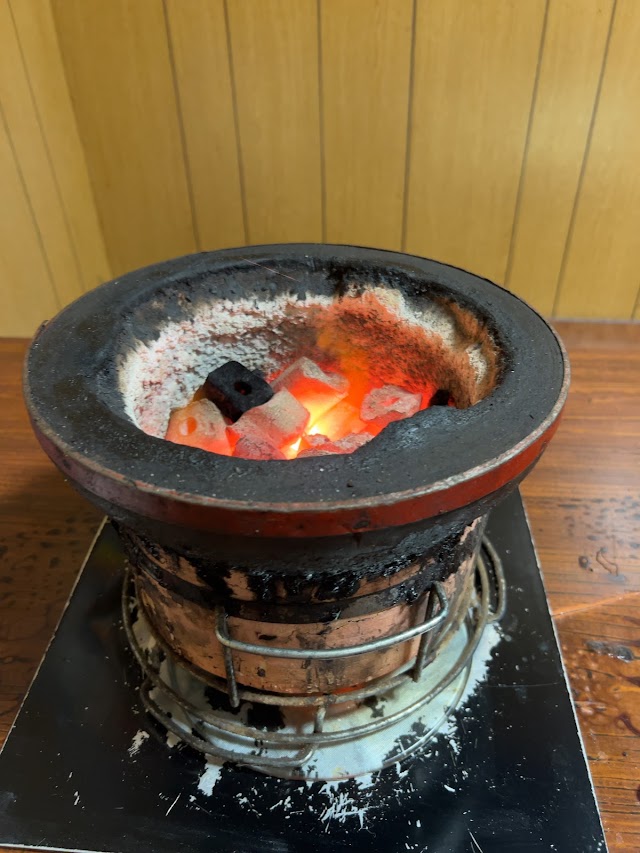
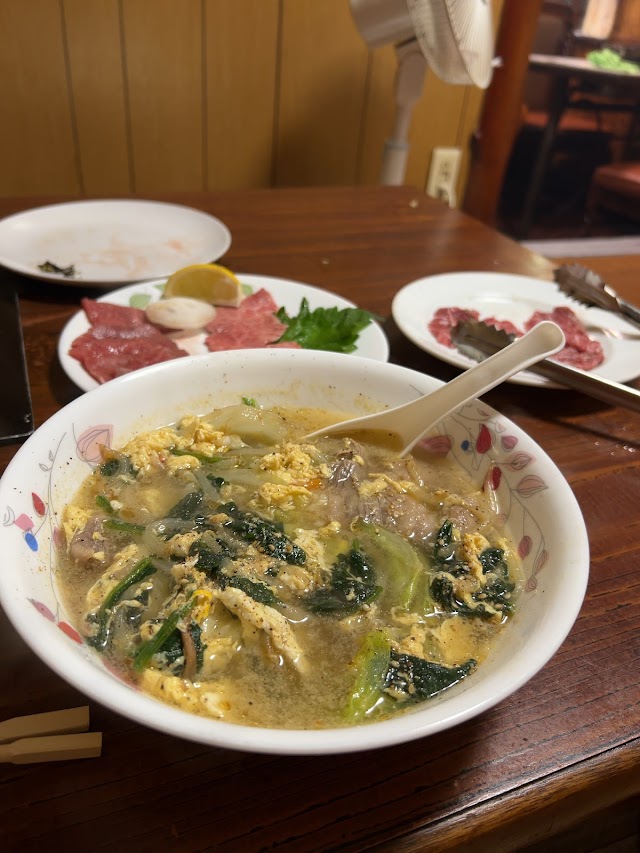
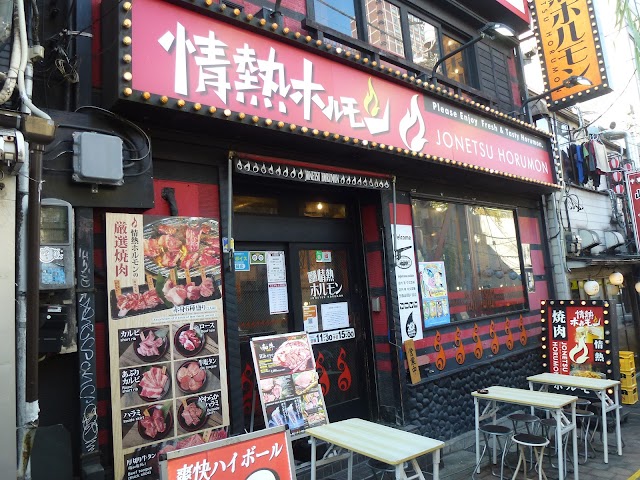
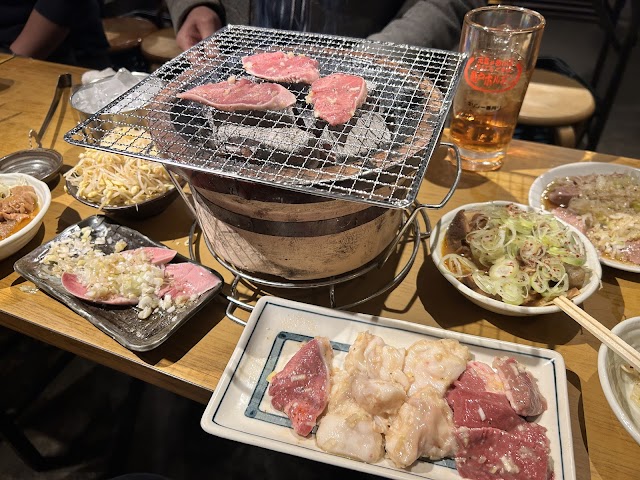
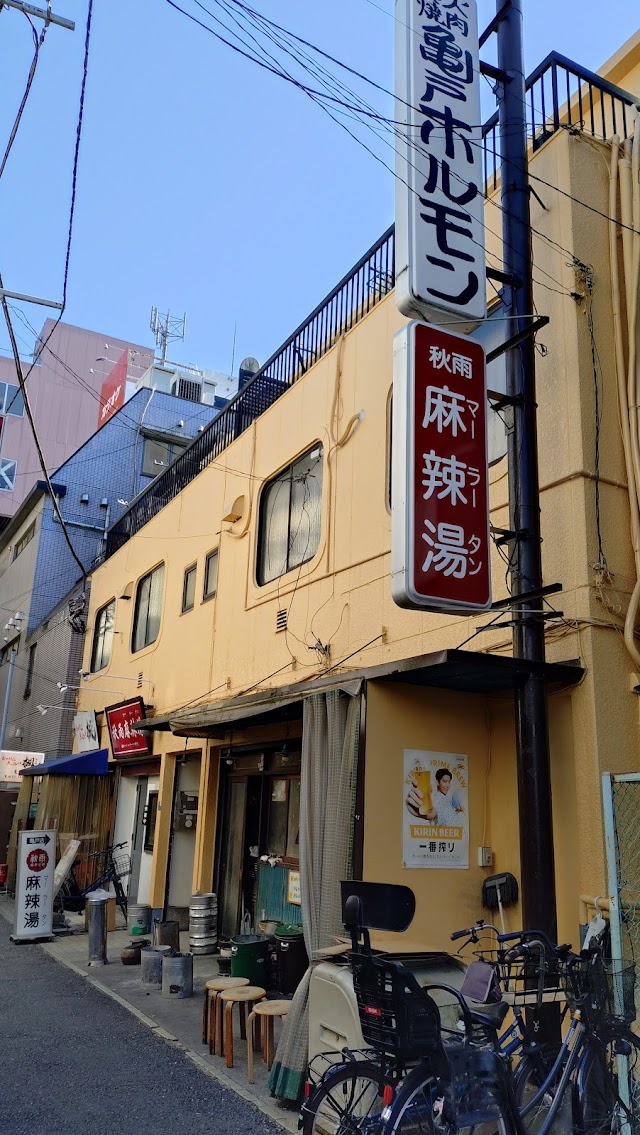
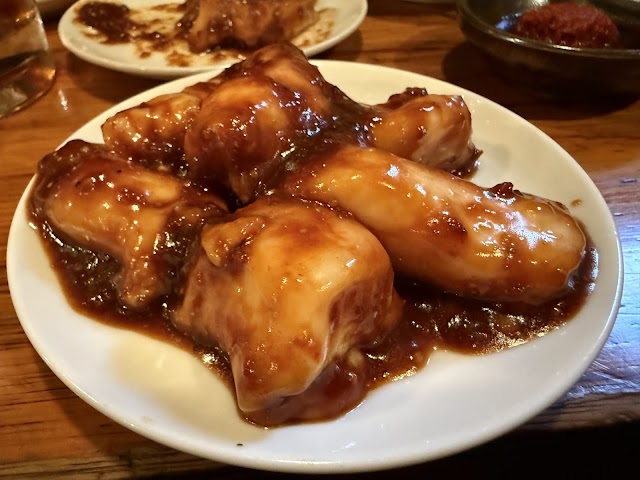
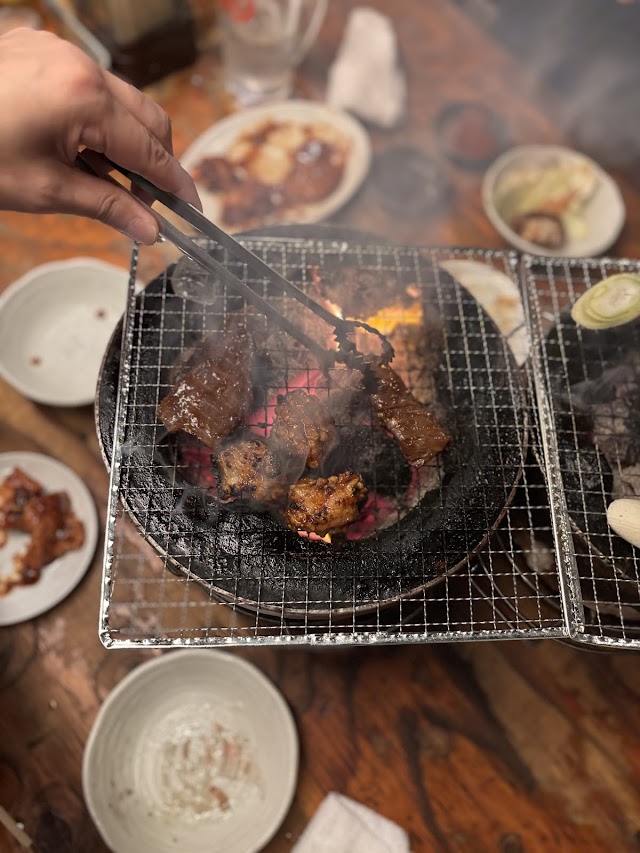
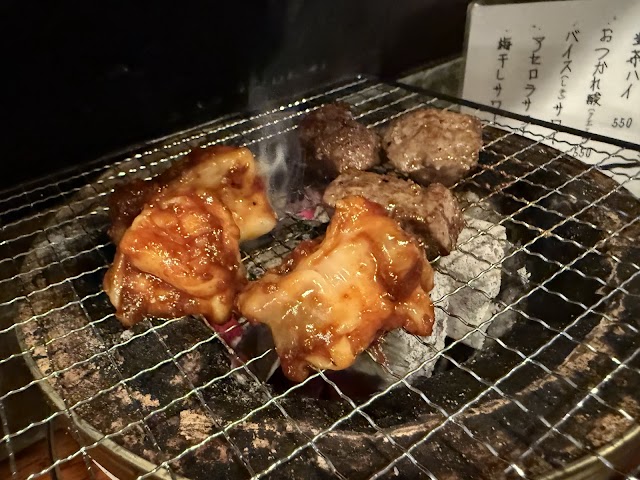
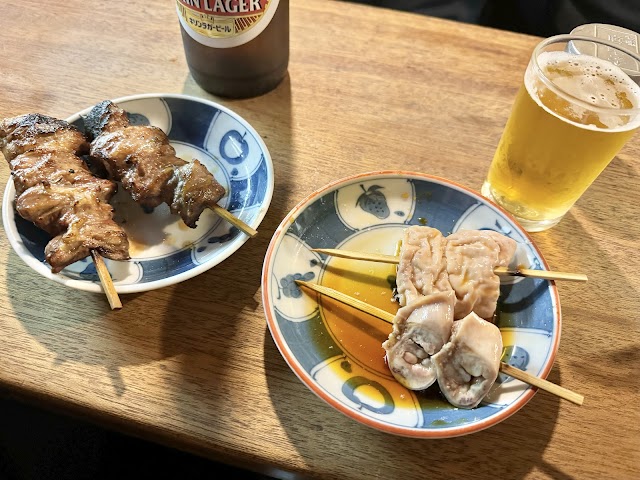
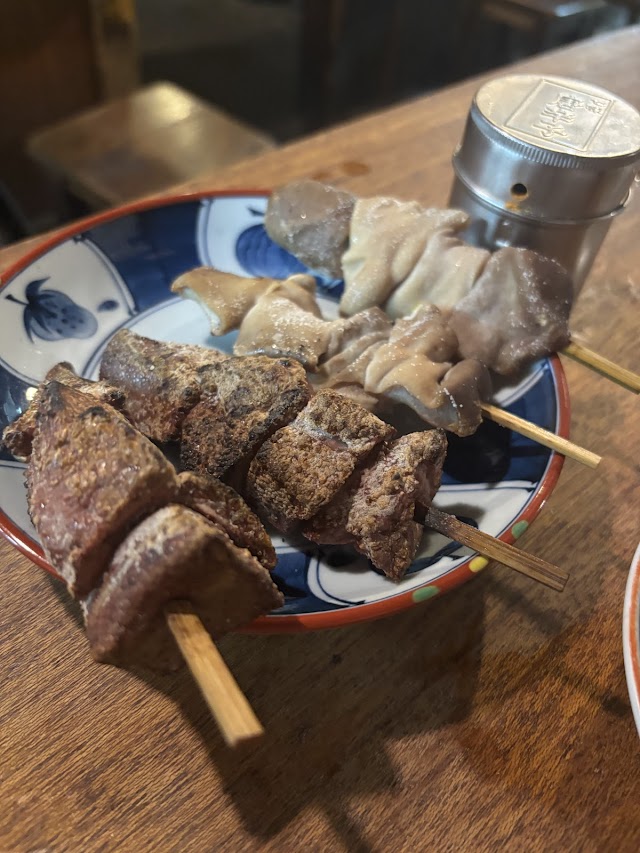
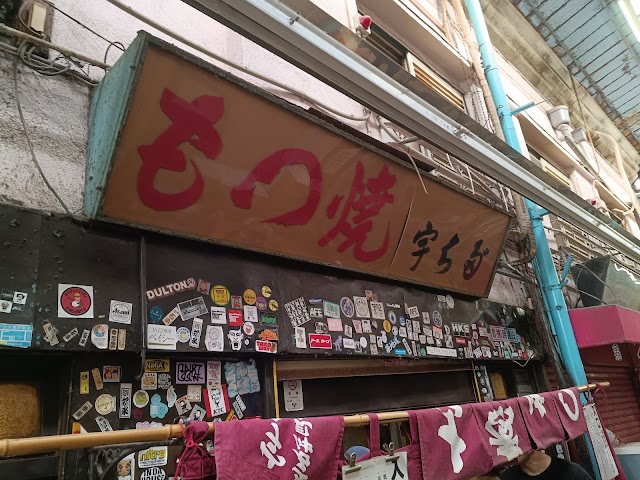
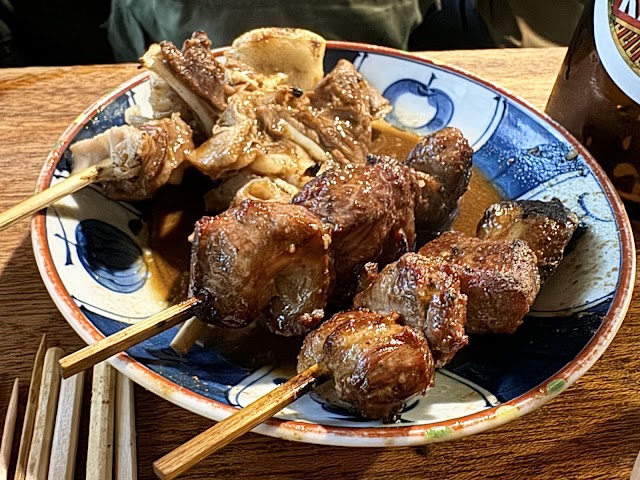
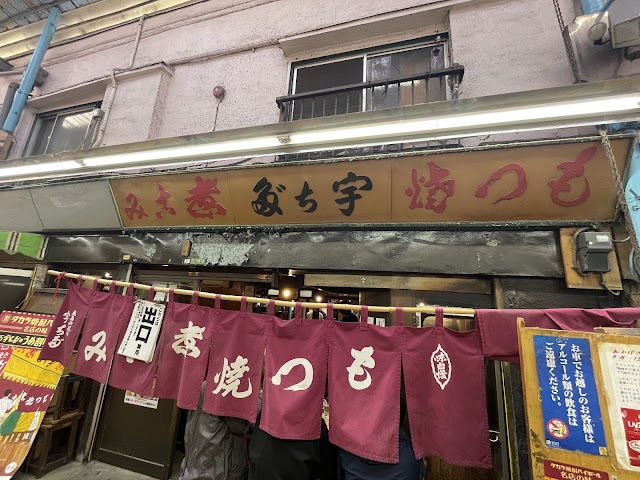
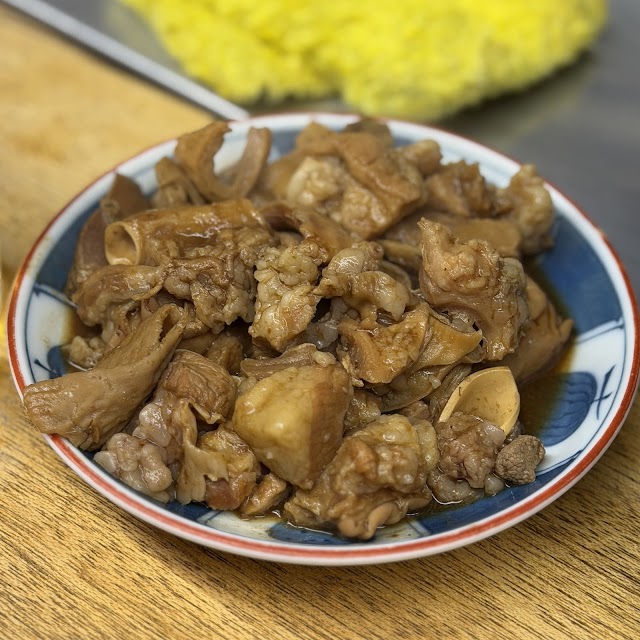
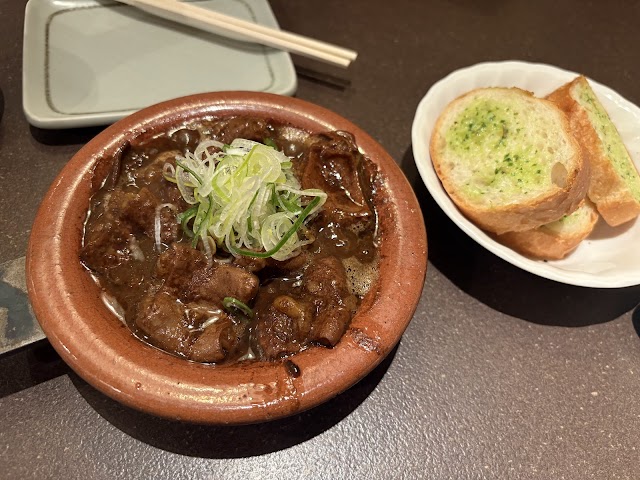
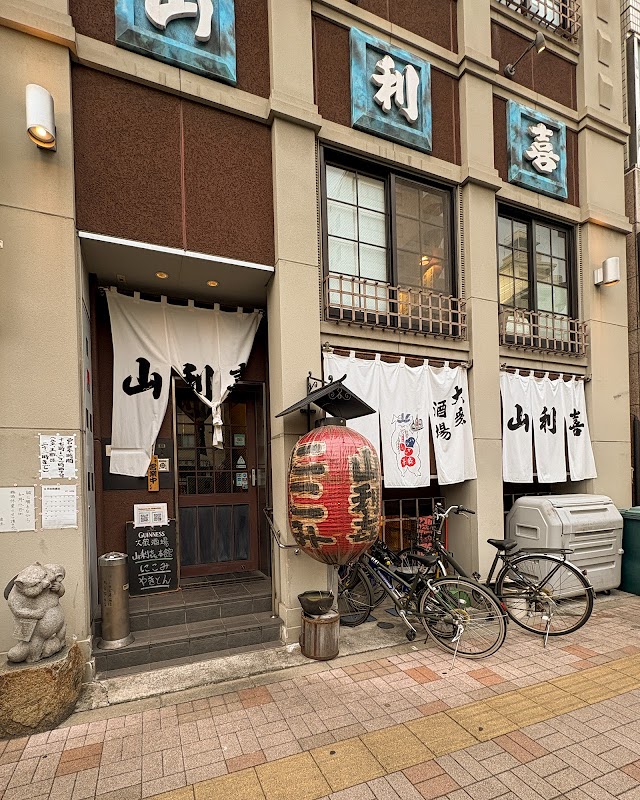
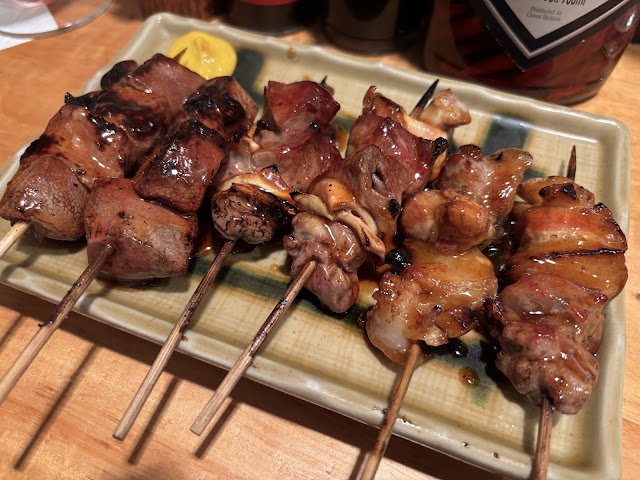
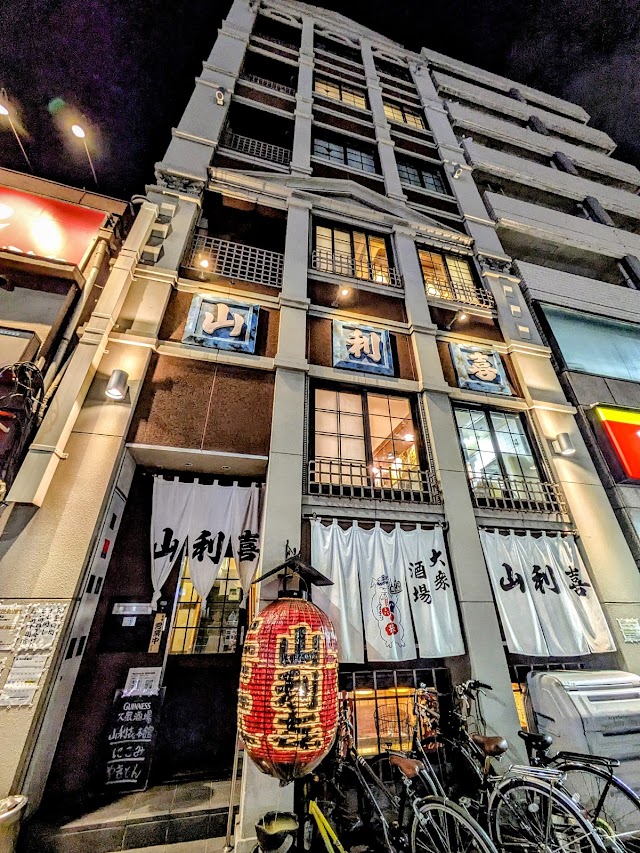
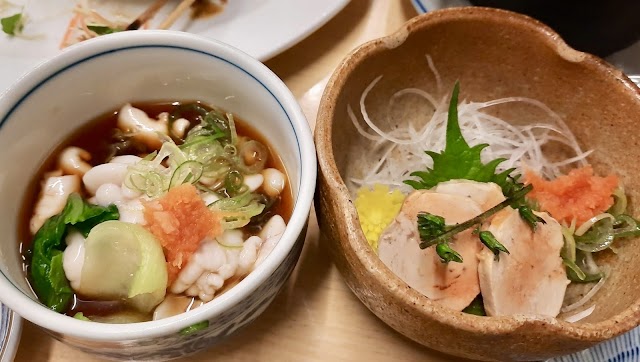
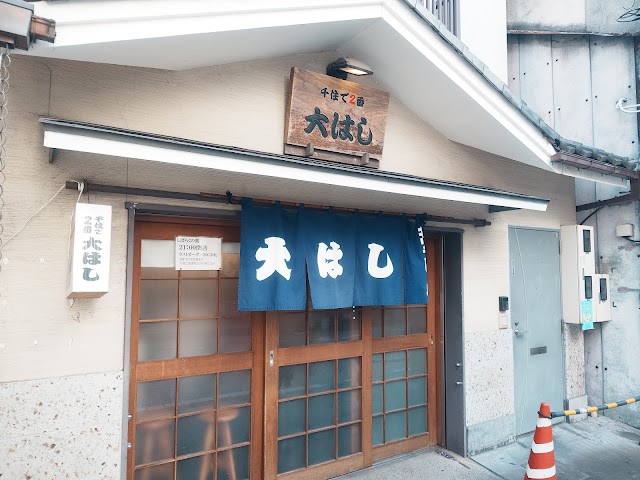
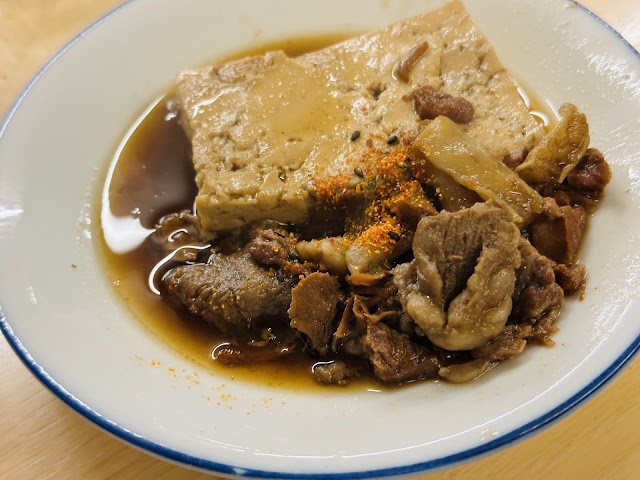
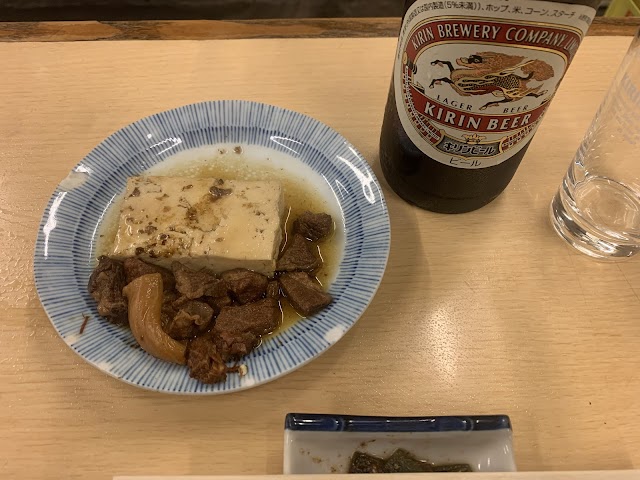
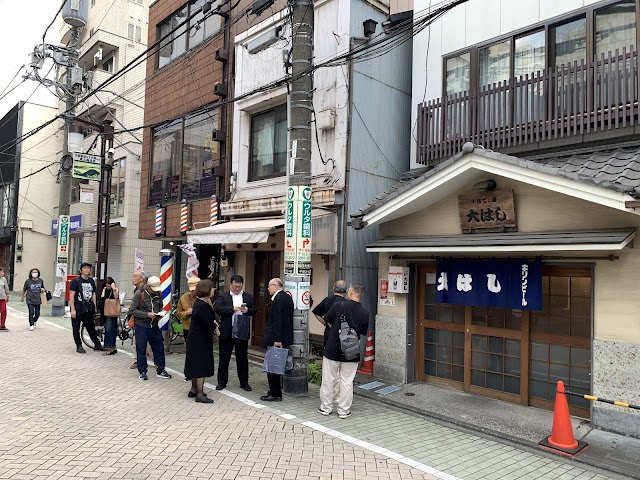
Among downtown taverns and shrines, Kameido Horumon's main shop is the face of downtown charcoal offal; it sources daily from the Shibaura meat market and brings a glowing shichirin brazier to the table, salt showing the freshness, no reservations and daily lines. Uchida in Tateishi's Nakamise arcade is a motsuyaki shrine, counted with Ohashi (Kita-Senju), Yamariki (Morishita), Kishidaya (Tsukishima) and Osakaya (Monzen-Nakacho) among Tokyo's 'Five Great Nikomi'; its signature 'ume-wari' (plum-cut shochu) is superb with offal, and for one or two thousand yen you reach the core of downtown sen-bero culture. Yamariki in Morishita, one of the 'Three Great Nikomi,' simmers beef shiro and giara for 6+ hours and slips in red wine and a bouquet garni for depth. Ohashi in Kita-Senju, founded in 1877 and running for about 150 years, builds its signature 'niku-dofu' from beef tendon and cheek simmered in a replenished soy nikomi with tofu—the most old-school tavern scene there is. (Sources: Tabelog 'Yakiniku TOKYO Top-100 2025' and Tokyo horumon rankings, Tabelog Award 2026, shop info from Hot Pepper, Retty and Gnavi, Yuji's official site, coverage of Tokyo's 'Five/Three Great Nikomi,' the Kameido Horumon official page, and Wikipedia on horumon-yaki and motsuyaki.)
 Scan for map
 Scan for map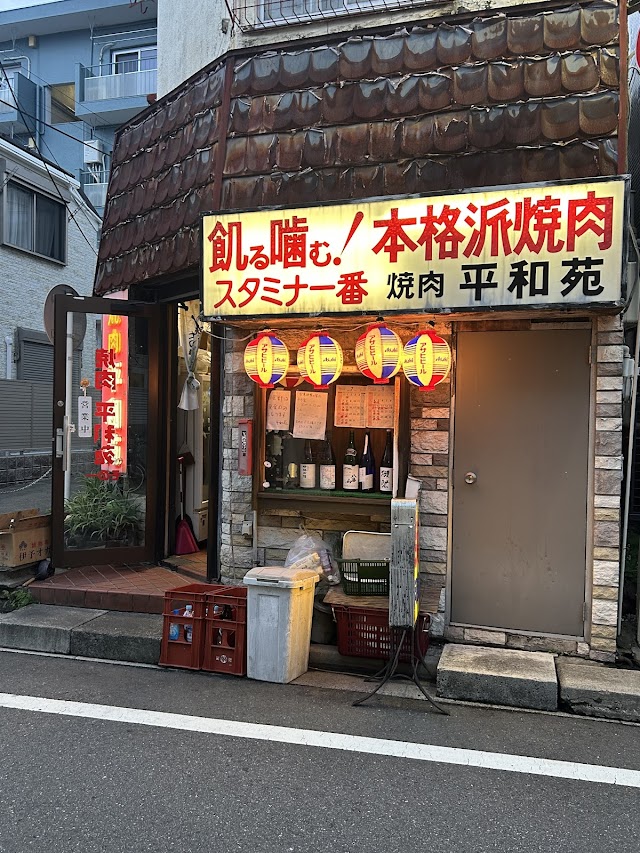
 Scan for map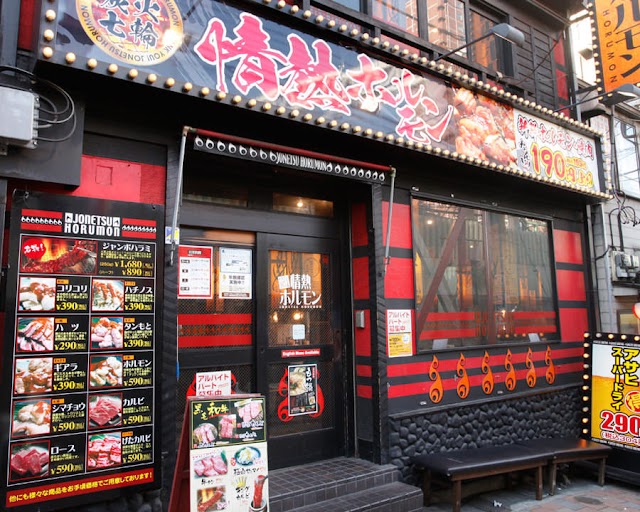
 Scan for map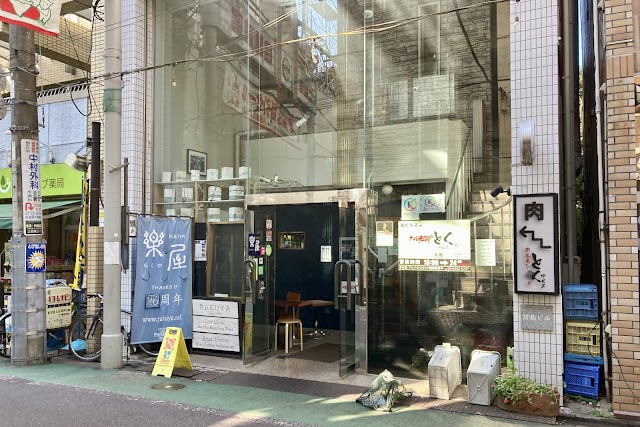
 Scan for map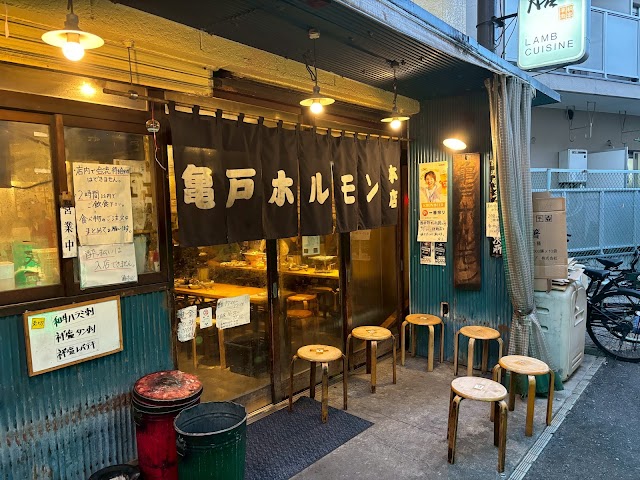
 Scan for map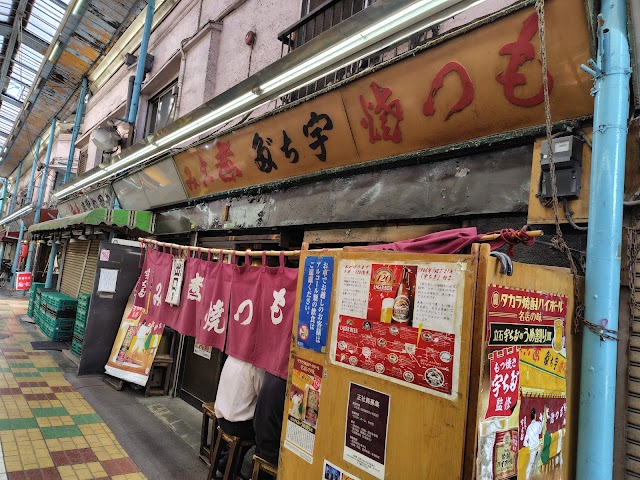
 Scan for map
 Scan for map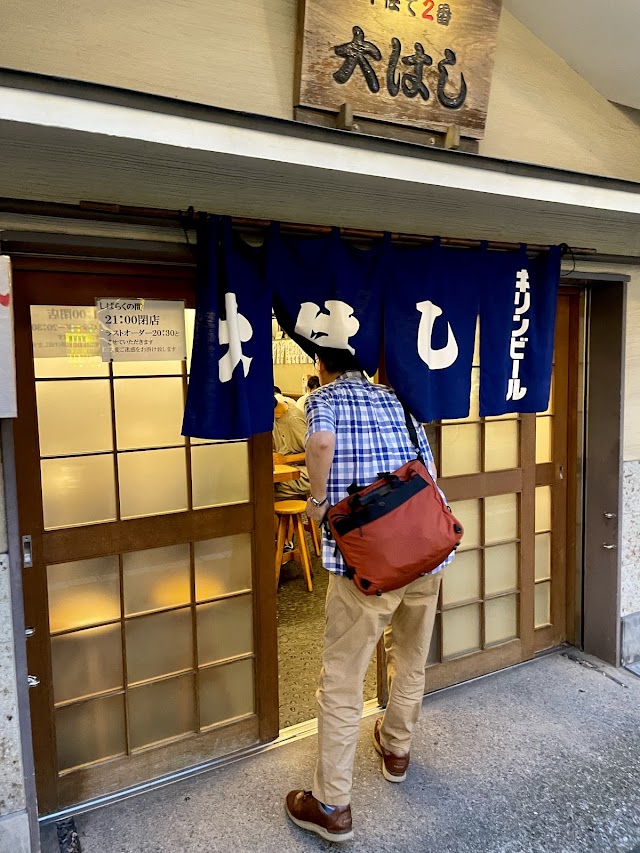
 Scan for map