Tokyo Sukiyaki & Shabu-Shabu 2026: Nine Picks From Meiji-Era Gyunabe Houses Imahan and Chinya to Michelin-Listed Hiyama and a 32nd-Floor Ginza View at Shabuzen
- Sort three tiers: (1) Meiji-era gyunabe temples (Ningyocho Imahan honten, a byword for Tokyo sukiyaki, Meiji-28 lineage, secret warishita / Chinya, Asakusa, founded 1880, ~30-month aged 'tekisashi' beef, sweet warishita / Yonekyu honten, Asakusa, founded 1886, gyunabe only, tatami halls); (2) Michelin / oldest / butcher-run (Hiyama, Ningyocho, Michelin-listed, butcher-direct, top-grade Yonezawa beef / Isejyu, Nihonbashi, founded 1869, Tokyo's oldest surviving sukiyaki house, A5 wagyu / Imahan Bekkan, Asakusa, founded 1921, sukiya-style garden private rooms); (3) Shabu-shabu, views & lunch entry (Shabuzen, Ginza, 32nd floor ~120m night view, Matsusaka beef all-you-can-eat / Asakusa Imahan Kokusai-dori honten, limited lunch 'Meiji sukiyaki bowl' / Konosasa, Yurakucho, ~40-year house, A5 Matsusaka shabu-shabu).
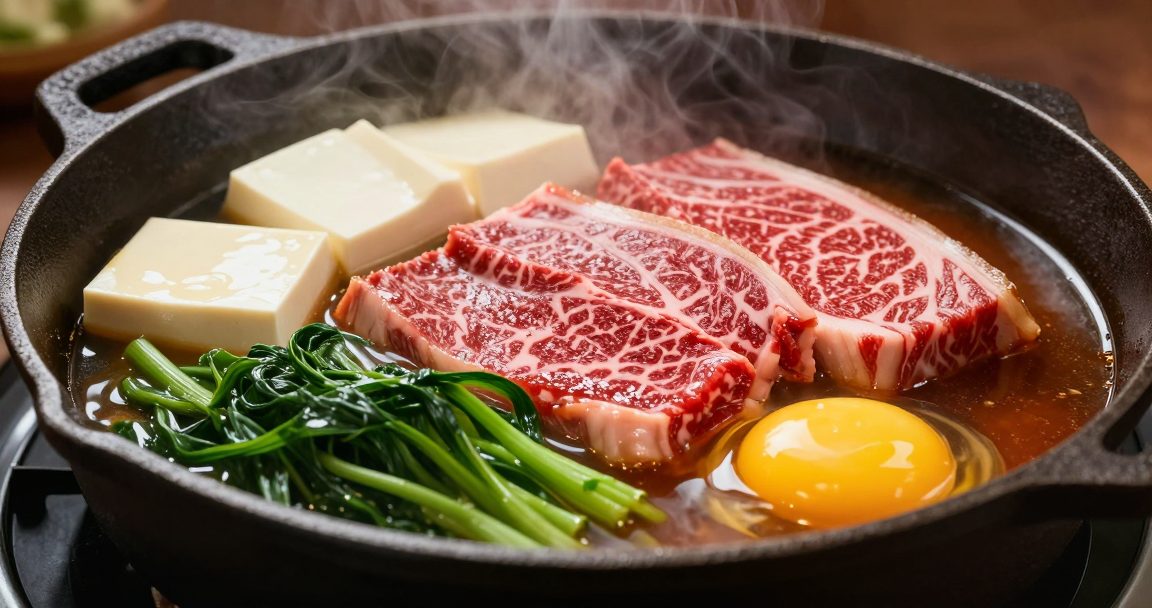
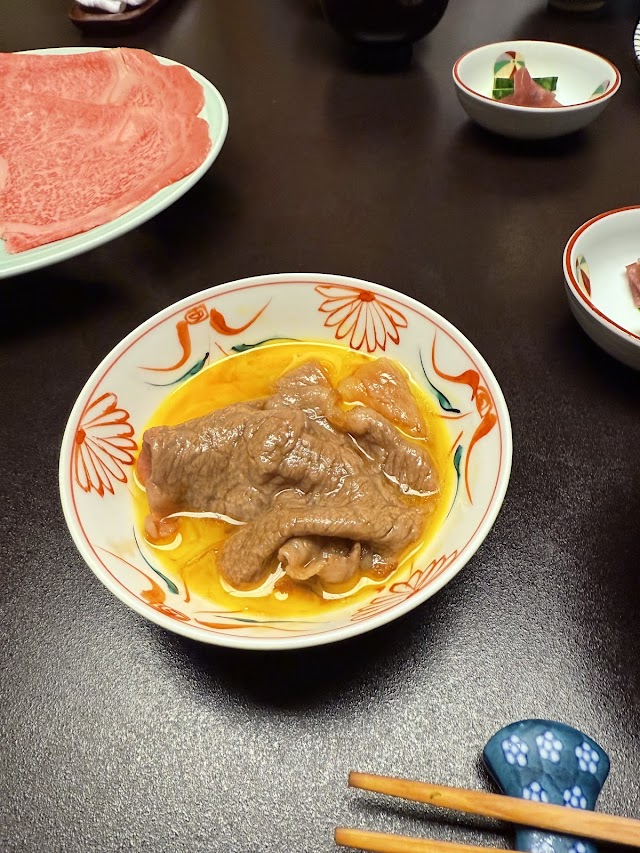
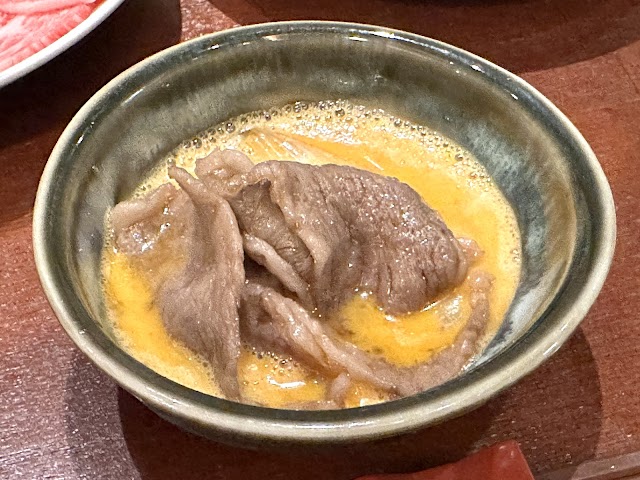
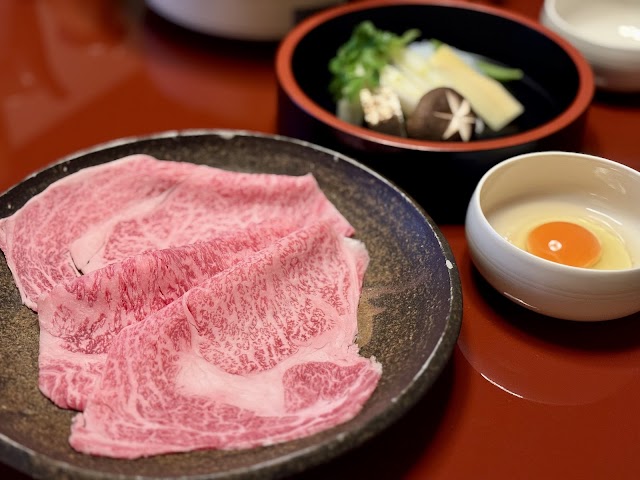
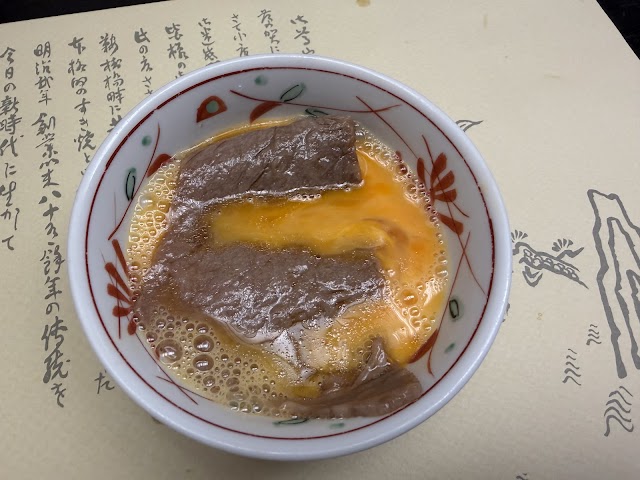
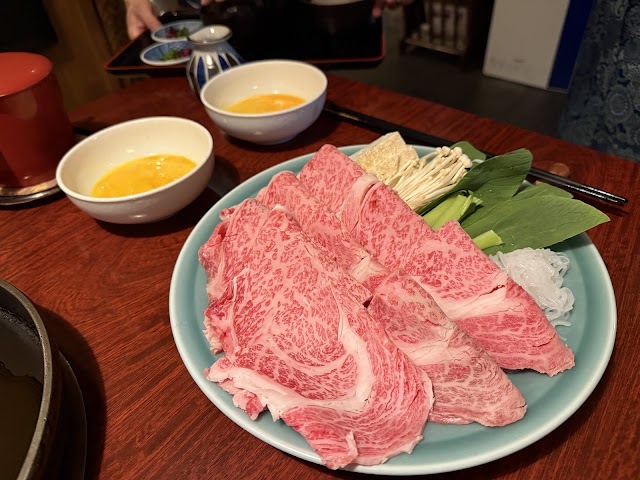
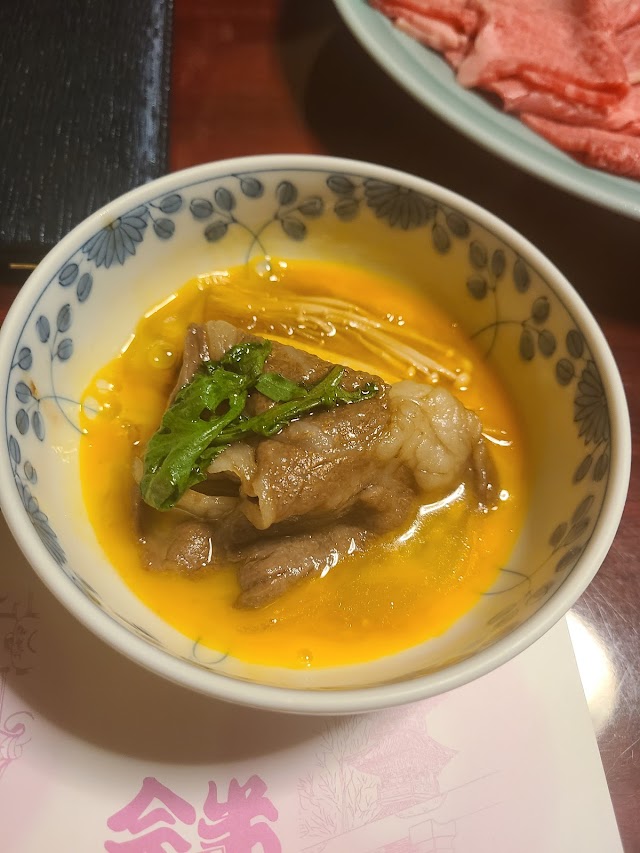
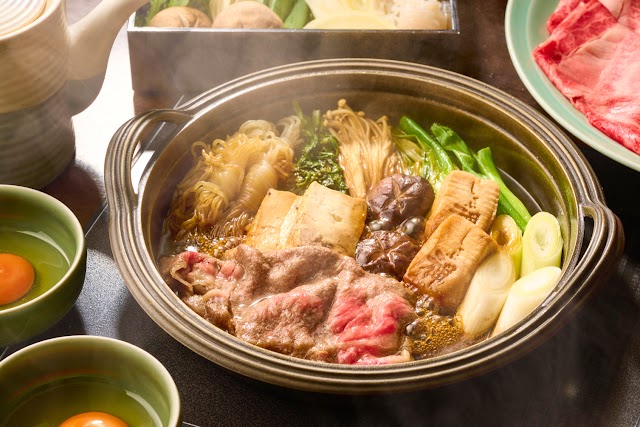
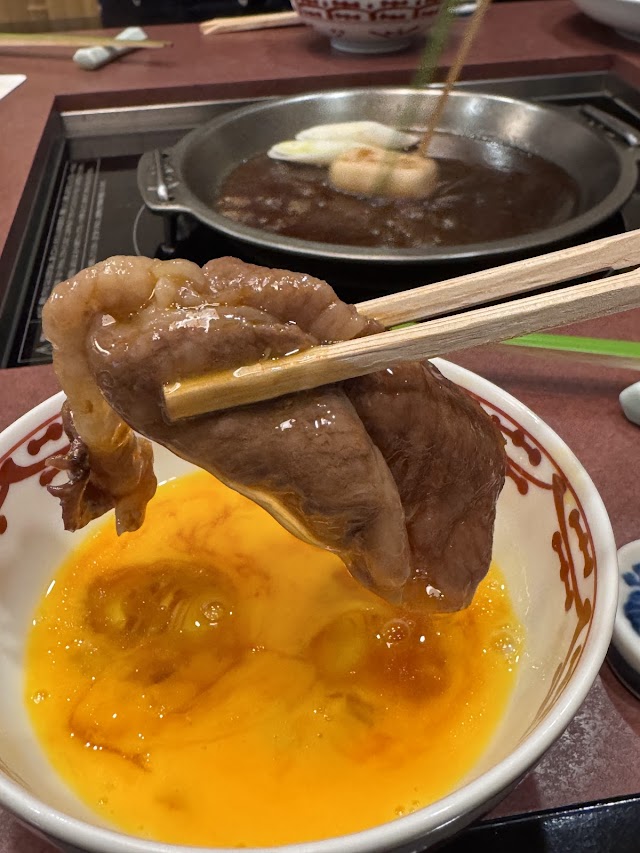
- Sort two styles first: sukiyaki simmers beef in a sweet-savory warishita until rich and dips it in raw egg yolk; shabu-shabu swishes thin beef briefly in kombu broth and dips it in sesame sauce or ponzu for a cleaner, meat-forward taste. Most old houses serve both.
- Lineage trivia: Kanto 'gyunabe' simmers in warishita first; Kansai 'sukiyaki' sears the beef then adds sugar and soy. Tokyo's Meiji houses (Imahan, Chinya, Yonekyu, Isejyu) mostly carry gyunabe blood; after the 1923 Great Kanto Earthquake the Kansai style spread east and the two merged into today's sukiyaki.
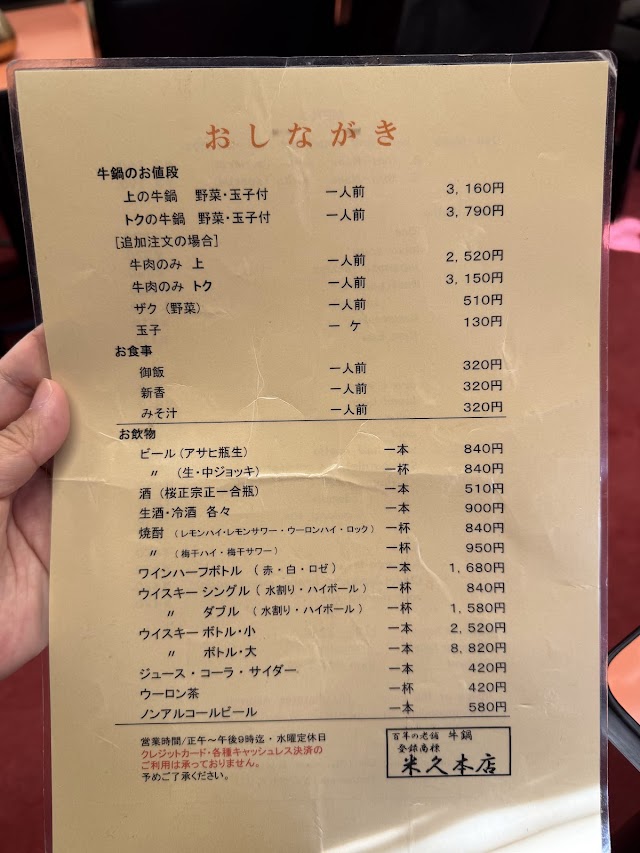
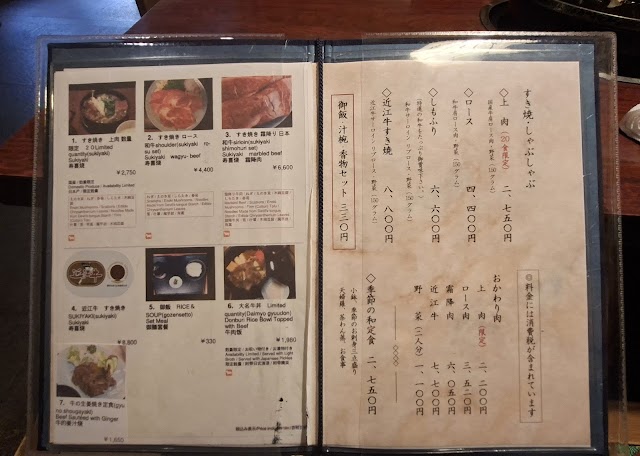
- Wide price range: lunch bowls/sets ~2,500-4,500 yen (Asakusa Imahan Kokusai-dori's limited 'Meiji sukiyaki bowl'); mid-tier shabu-shabu/gyunabe ~5,000-13,000 yen (Yonekyu, Shabuzen all-you-can-eat); old-house / top-wagyu evening courses ~10,000-25,000 yen (Ningyocho Imahan, Hiyama, Isejyu, Chinya, Imahan Bekkan). Decide the occasion first.
- For Taiwanese readers: for the ceiling of Tokyo sukiyaki, Ningyocho Imahan honten; for historical weight after Senso-ji, Chinya; for an affordable, original gyunabe, Yonekyu; to trust a butcher's eye for top wagyu, Hiyama; for 'oldest house x A5 wagyu,' Isejyu in Nihonbashi; for quiet sukiya-style garden rooms, Imahan Bekkan; for a Tokyo night view plus all-you-can-eat shabu-shabu, Shabuzen in Ginza; for an affordable midday taste of Imahan, order the 'Meiji sukiyaki bowl' at the Kokusai-dori honten; for brand-wagyu shabu-shabu after Ginza shopping, Konosasa.
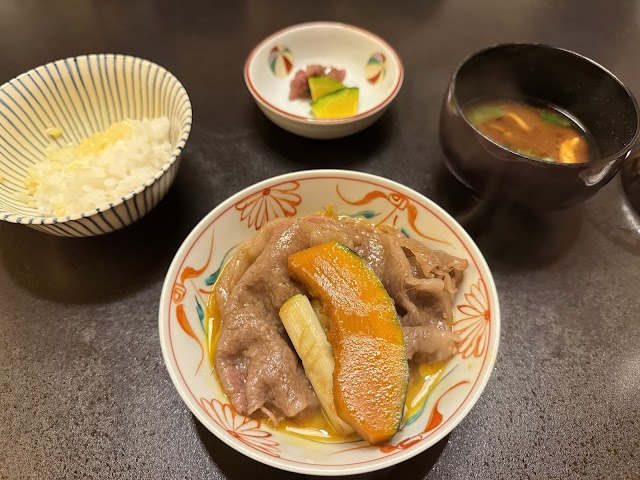
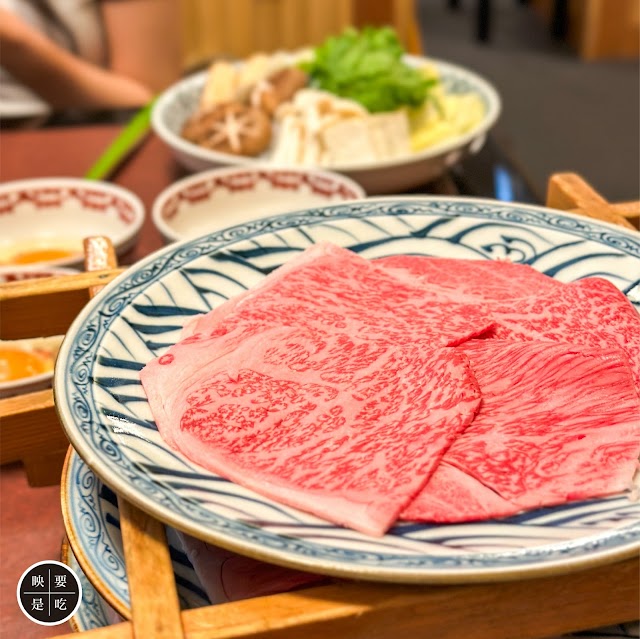
Sukiyaki is one of Japan's most celebratory dishes—a slice of kuroge wagyu simmered in a sweet-savory warishita and dipped in a freshly beaten raw egg yolk is almost a rite of a trip to Japan. For Taiwanese travelers, Tokyo's sukiyaki houses can look uniformly expensive and formal, but learn the tiers and the styles and you can pick one that fits the occasion and budget.
Sort a few things first. One: sukiyaki vs. shabu-shabu. Sukiyaki simmers beef and vegetables in a sweet-savory warishita until rich, then dips them in raw egg; shabu-shabu swishes thin beef briefly in a kombu broth and dips it in sesame or ponzu sauce for a cleaner, meat-forward taste. Two: the Kanto 'gyunabe' vs. Kansai 'sukiyaki' lineages—Kanto simmers in warishita first, Kansai sears the beef then adds sugar and soy; Tokyo's old houses mostly carry gyunabe blood. Three: price—a lunch rice bowl can run 2,500-4,500 yen, while an evening top-wagyu course can reach 20,000-plus.
The nine here split into three tiers. First, Meiji-era gyunabe temples: Ningyocho Imahan honten (a byword for sukiyaki), Chinya in Asakusa (one of its oldest), and Yonekyu honten (gyunabe only). Second, Michelin / oldest / butcher-run: Hiyama in Ningyocho (Michelin-listed, butcher-direct), Isejyu in Nihonbashi (Tokyo's oldest surviving sukiyaki house, A5 wagyu), and Imahan Bekkan by Senso-ji (a sukiya-style garden). Third, shabu-shabu, night views and lunch entry points: Shabuzen on the 32nd floor in Ginza (all-you-can-eat with a view), Asakusa Imahan Kokusai-dori honten (its hidden lunch 'Meiji sukiyaki bowl'), and Konosasa near Yurakucho (brand-wagyu shabu-shabu).
Below runs from a 2,500-yen lunch bowl to an evening top-wagyu temple that needs a booking—pick one by occasion and budget. (Prices are estimates; check each shop's current menu.)
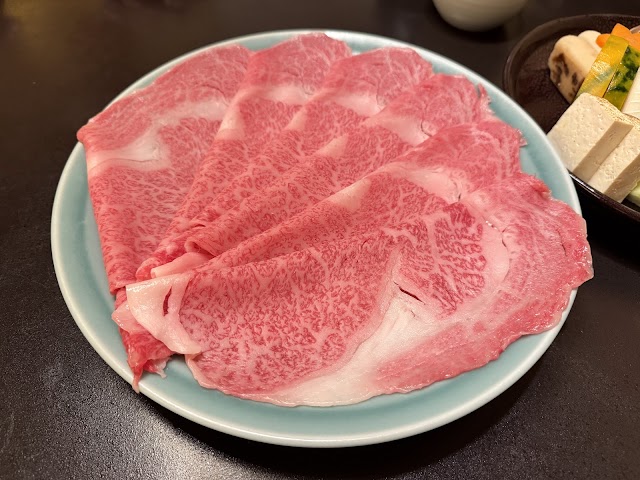
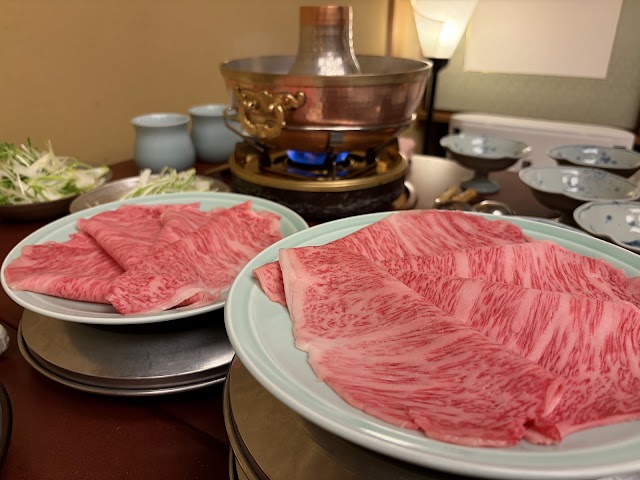
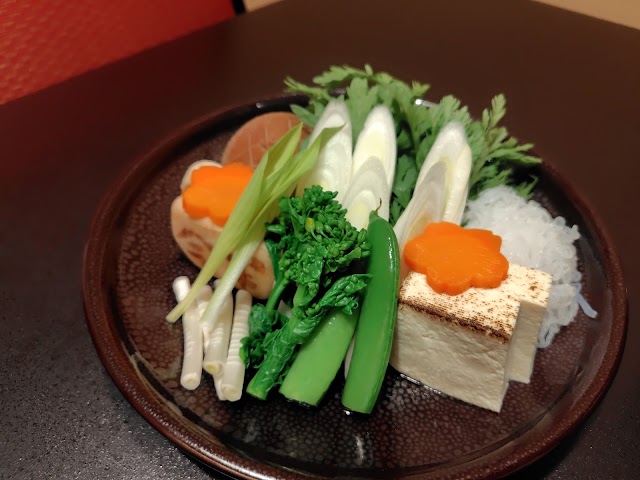
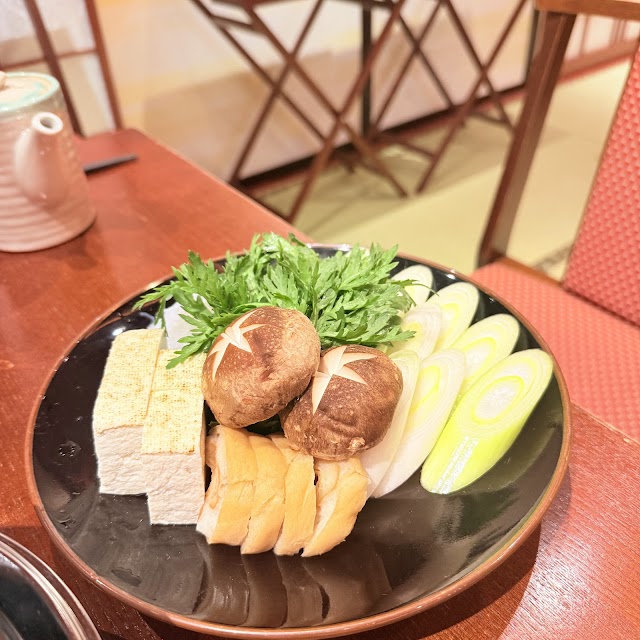
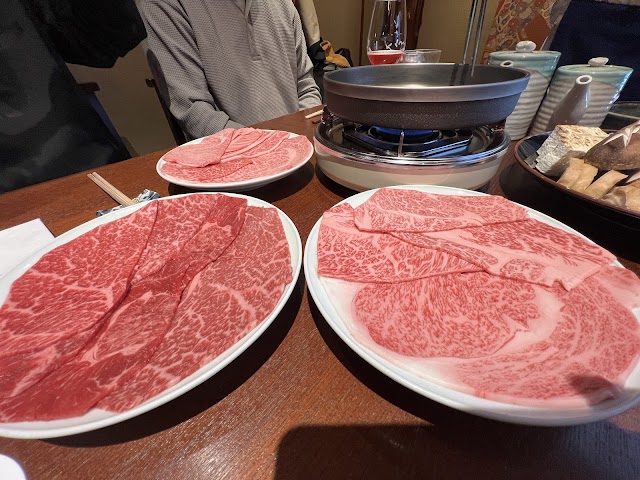
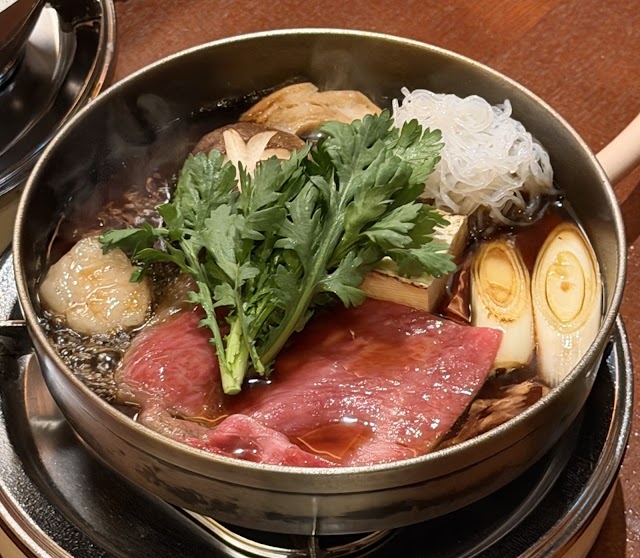
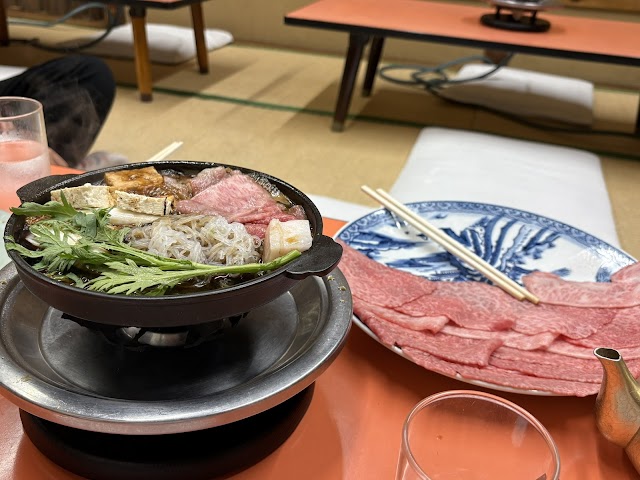
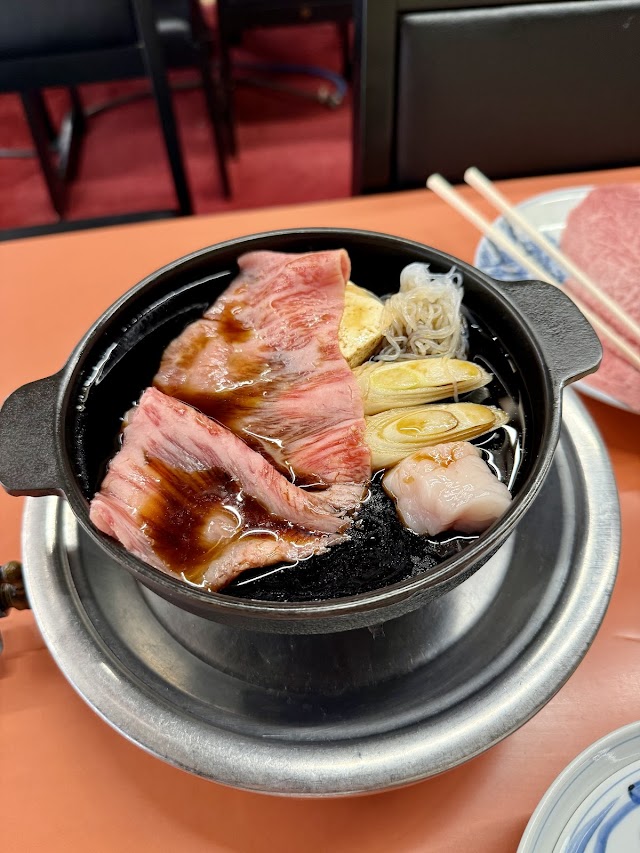
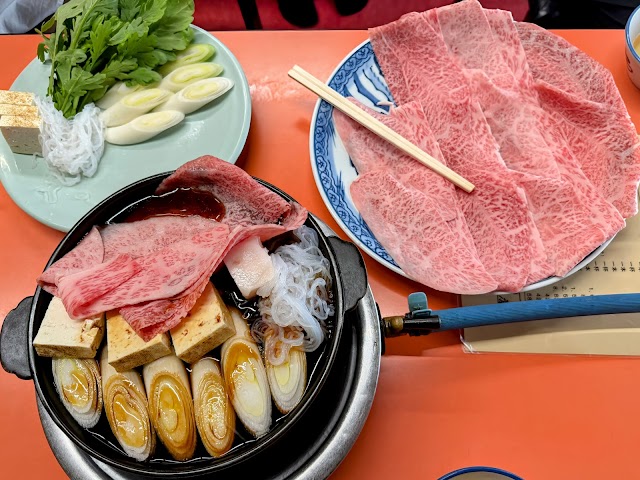
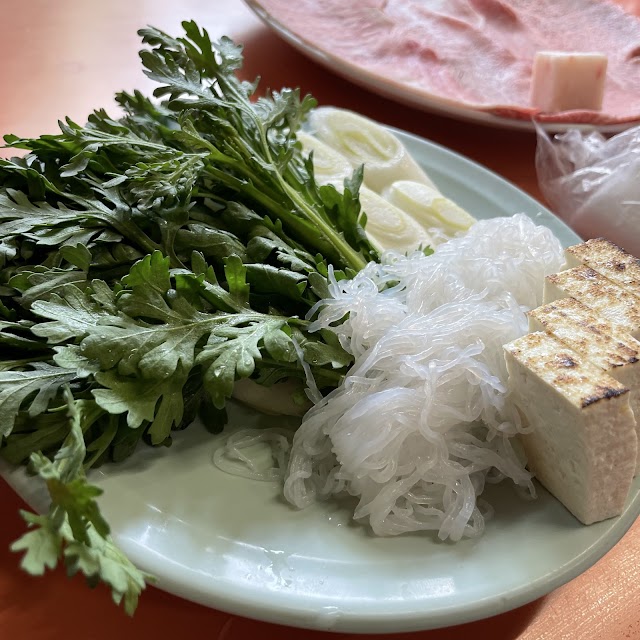
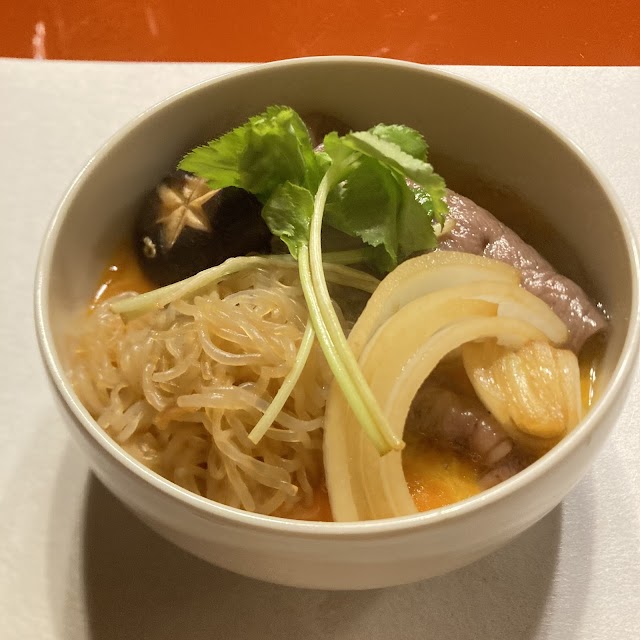
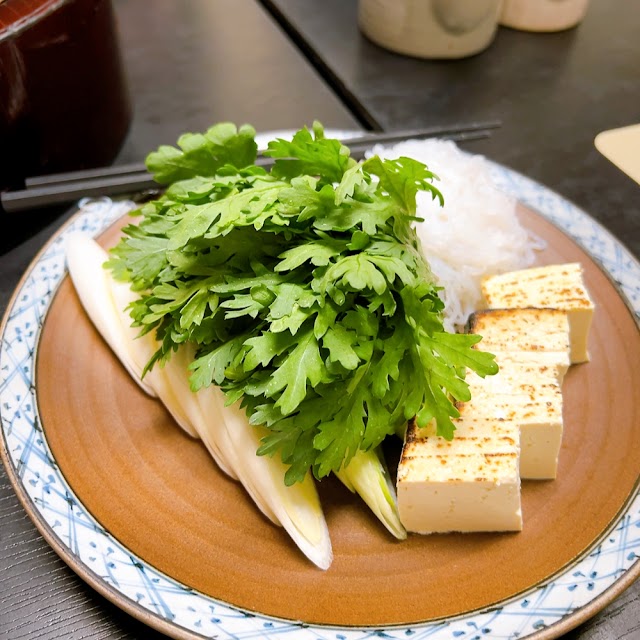
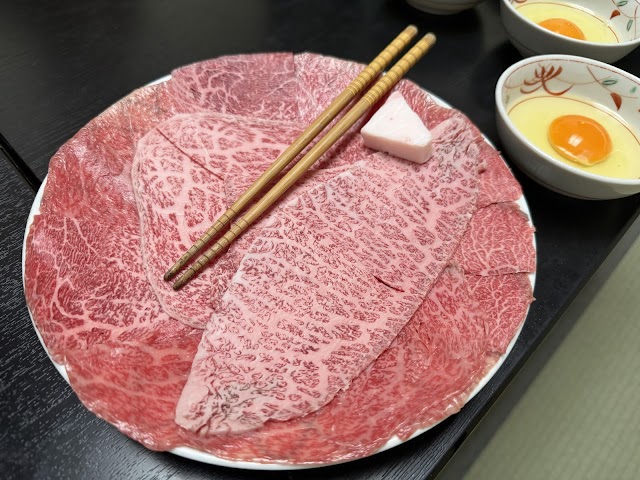
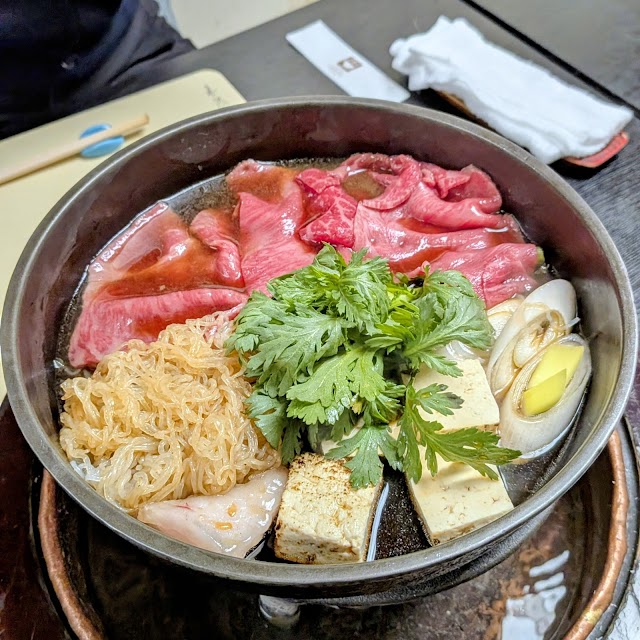
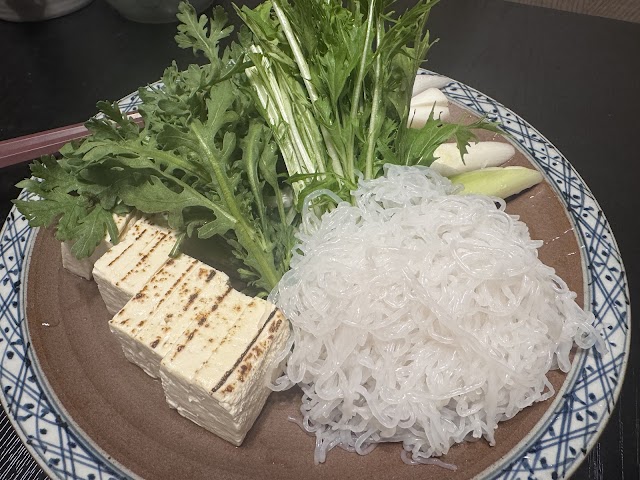
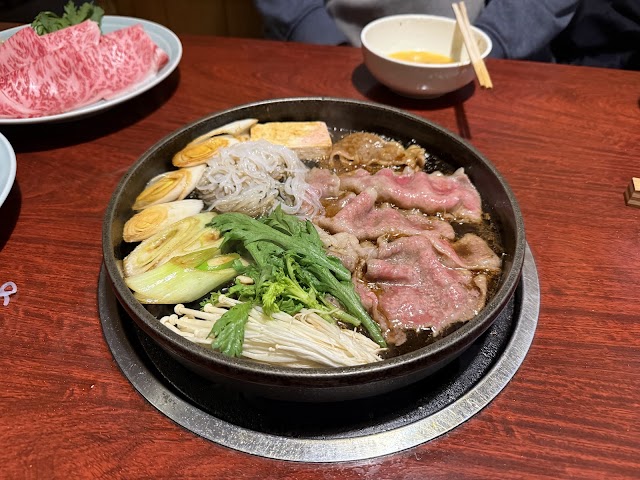
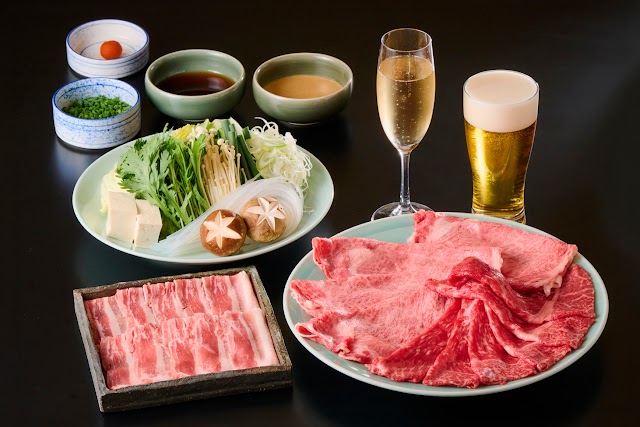
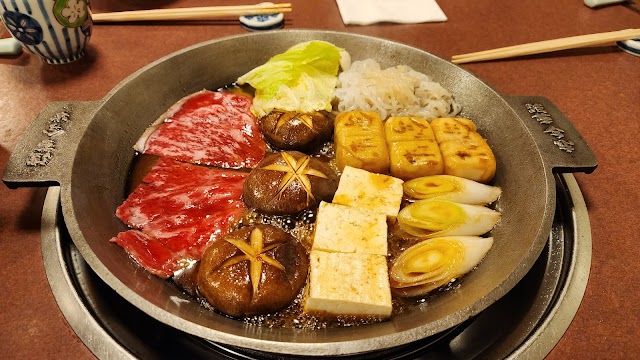
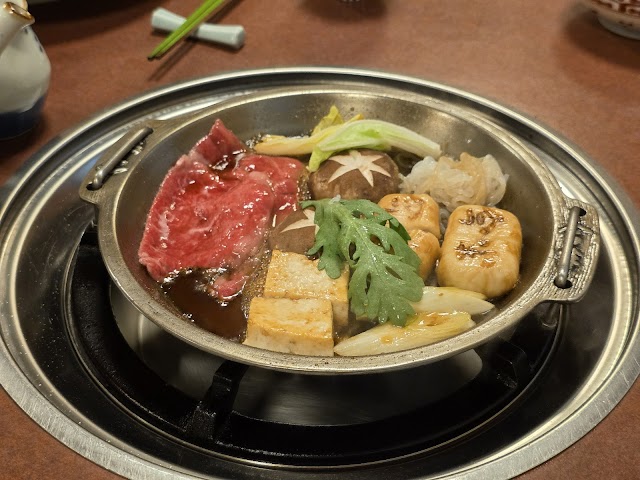
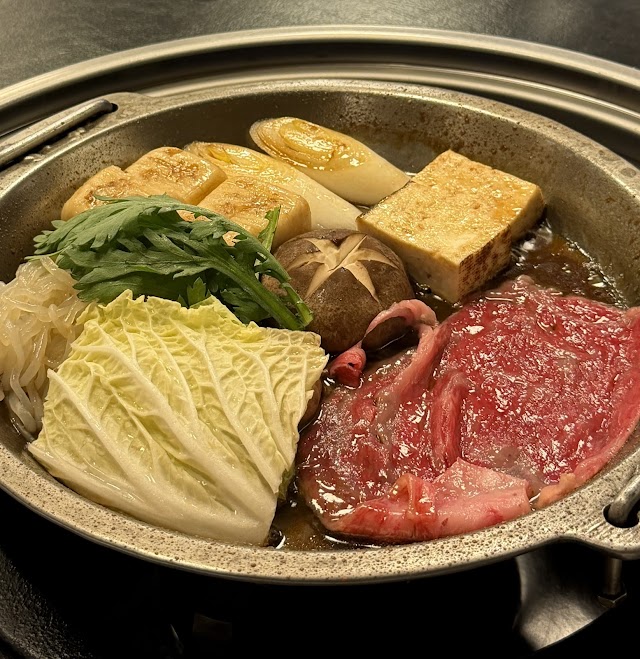
Sort sukiyaki into two styles and two lineages before you choose, then into three tiers. On style, sukiyaki simmers wagyu with leek, tofu, napa cabbage, shungiku and udon in a sweet-savory warishita (soy, sugar, mirin and dashi) until rich, then dips each bite in beaten raw egg yolk; shabu-shabu swishes thin slices briefly in kombu broth and dips them in sesame sauce or ponzu for a clean, meat-forward taste. Most old houses serve both. On lineage, the Meiji 'civilization and enlightenment' era made beef fashionable and Tokyo embraced 'gyunabe'—the Kanto root, simmering in warishita; Kansai's 'sukiyaki' seared the beef first then seasoned with sugar and soy. After the 1923 Great Kanto Earthquake the Kansai style spread east and the two merged, with 'sukiyaki' becoming the common name—so Tokyo's Meiji houses still show both labels.
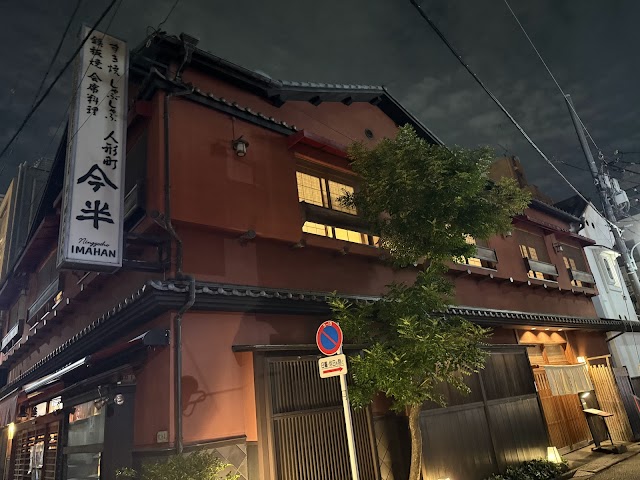
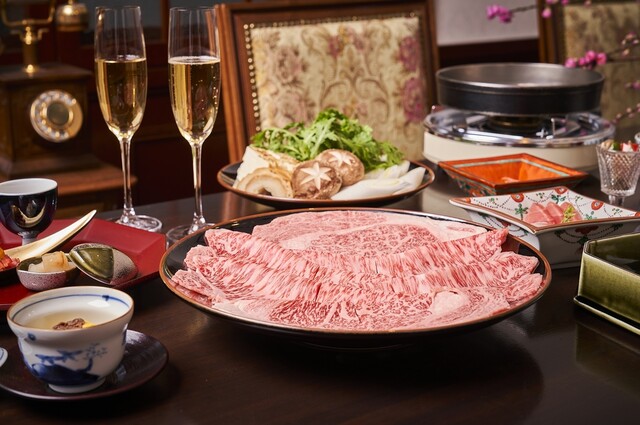
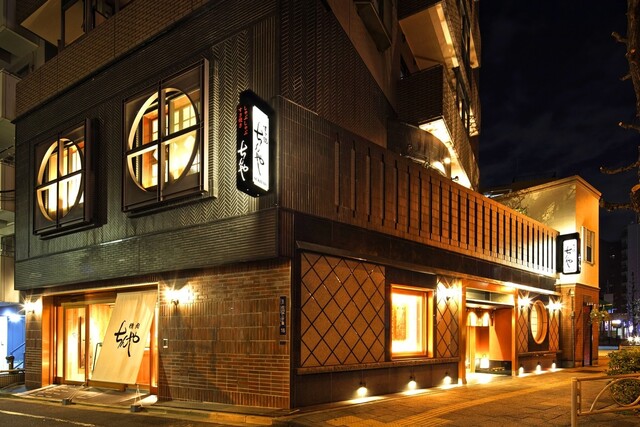
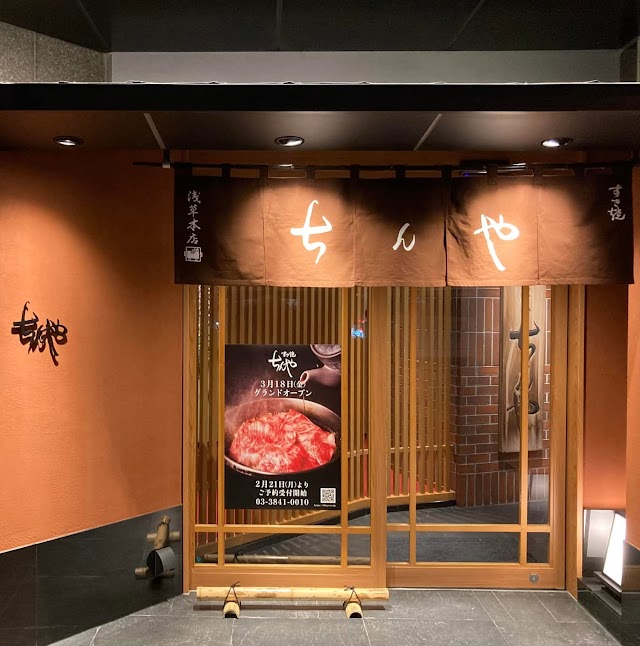
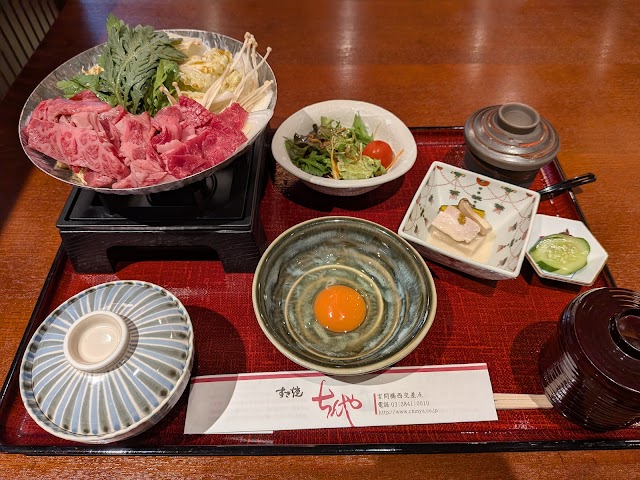
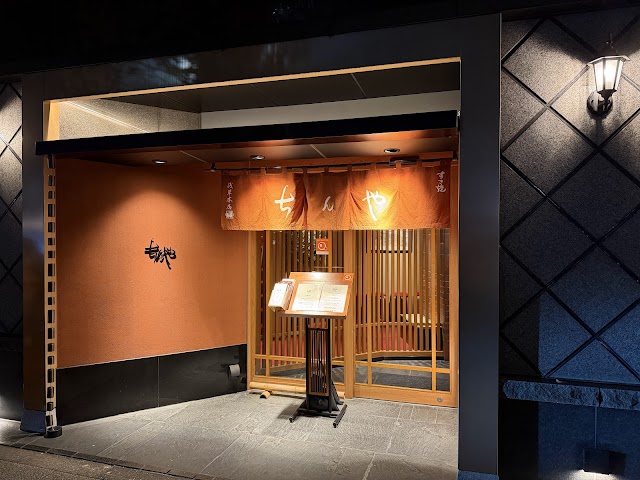
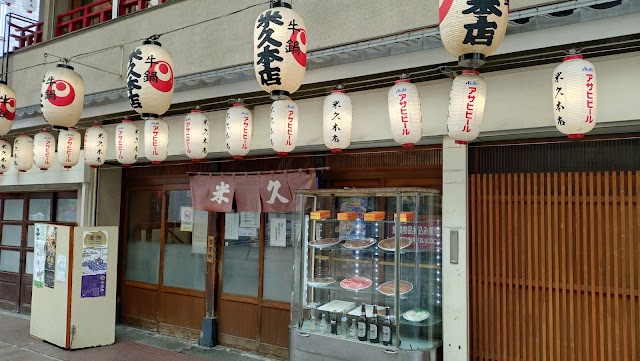
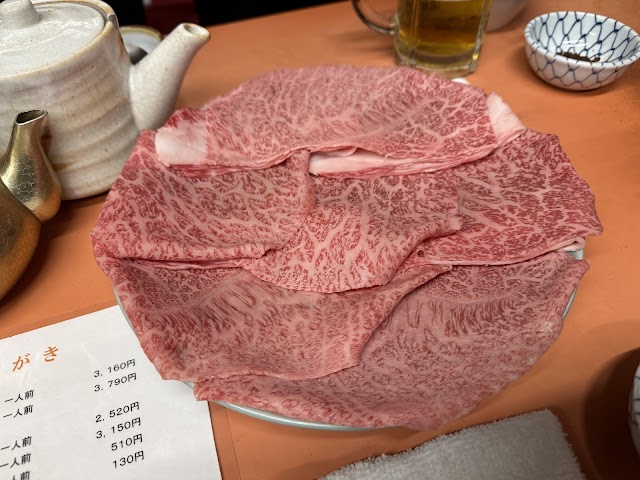
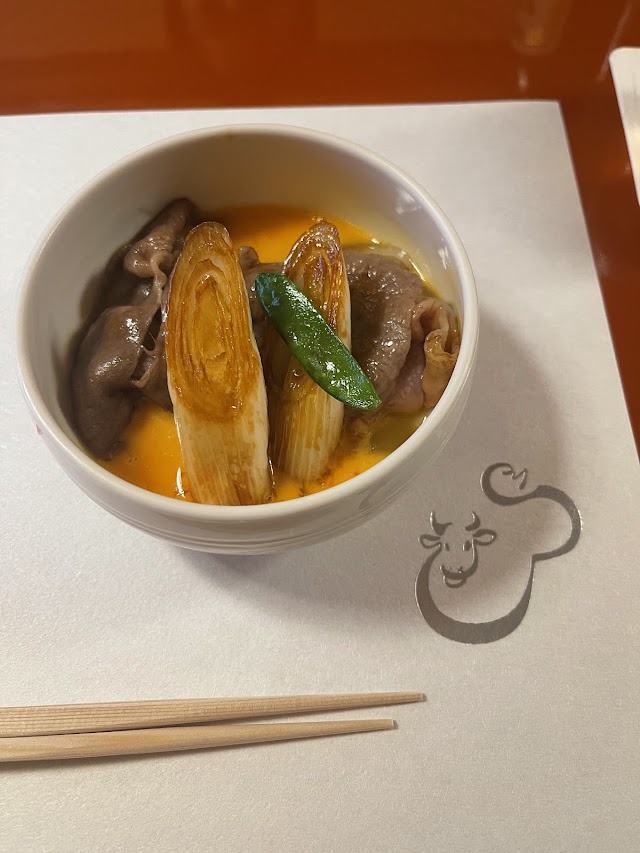
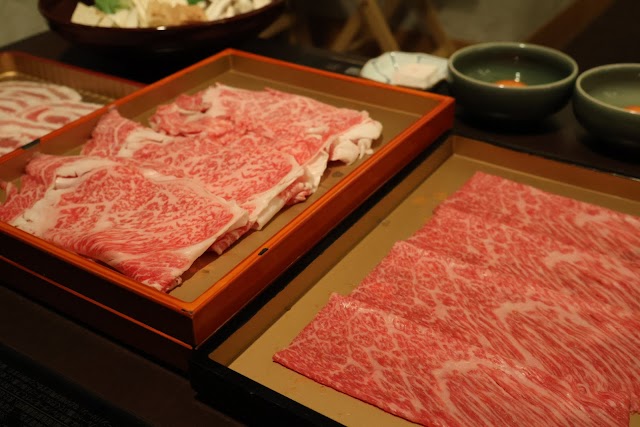
Among the Meiji-era gyunabe temples, Ningyocho Imahan traces to an 1895 gyunabe shop; with a secret warishita and select kuroge wagyu cooked tableside by kimono-clad staff—the 'cook it as if searing' Imahan way—it is the classic ceiling of Tokyo sukiyaki. Chinya in Asakusa, founded 1880 and running ~140 years, uses ~30-month aged 'tekisashi' kuroge wagyu with a sweeter warishita, right by Kaminarimon. Yonekyu honten, founded 1886, serves essentially gyunabe only—an elegant, sweet broth bubbling in tatami halls, affordable and fine for solo diners, the most original gyunabe scene.
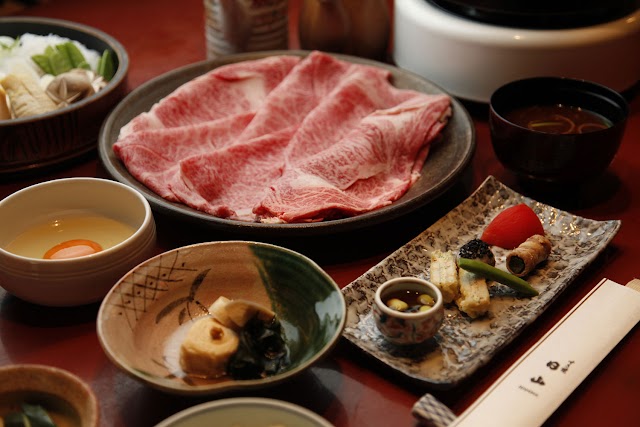
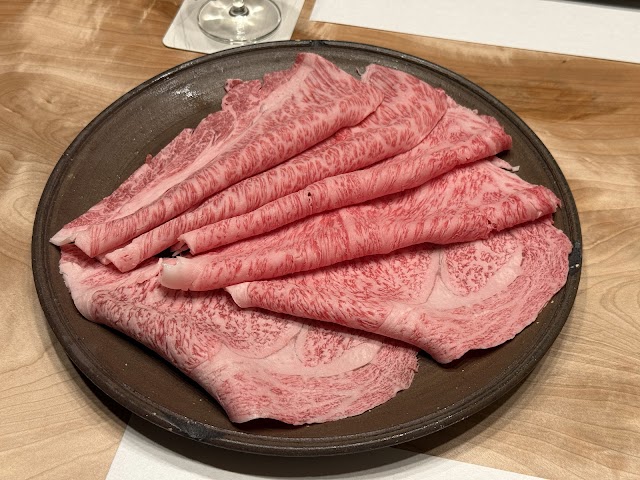
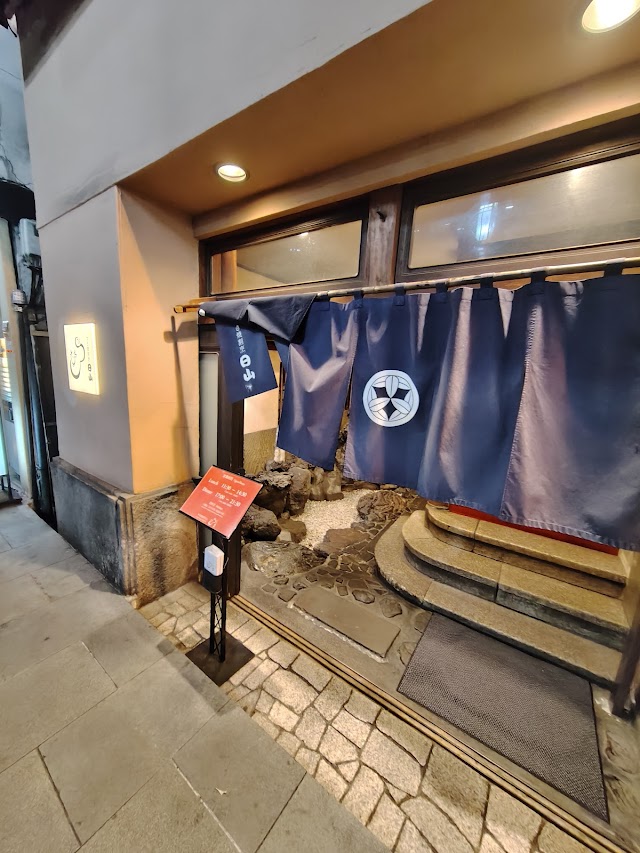
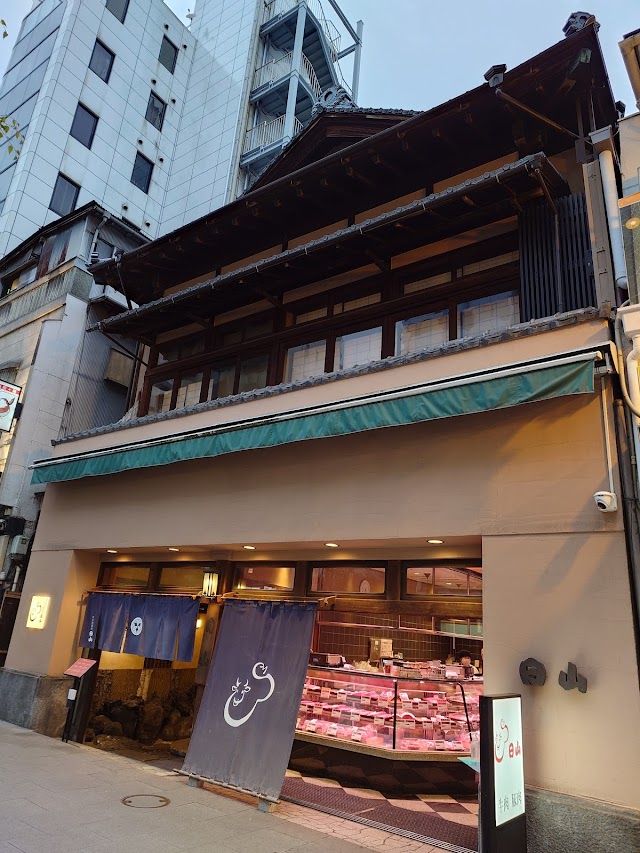
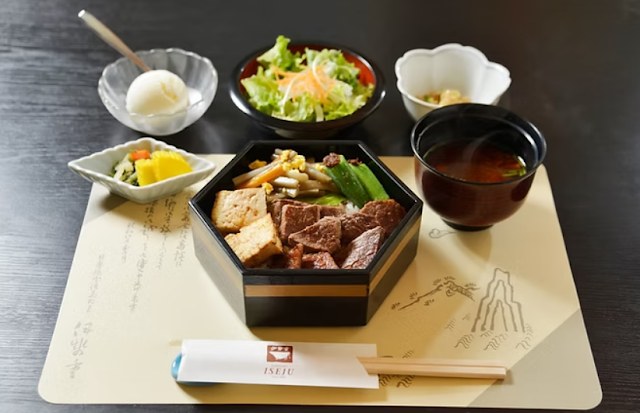
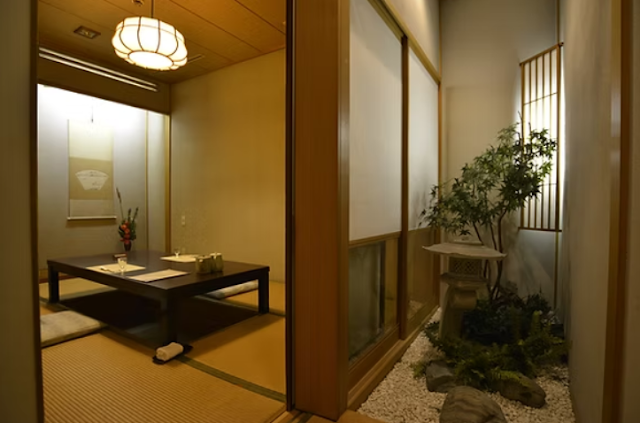
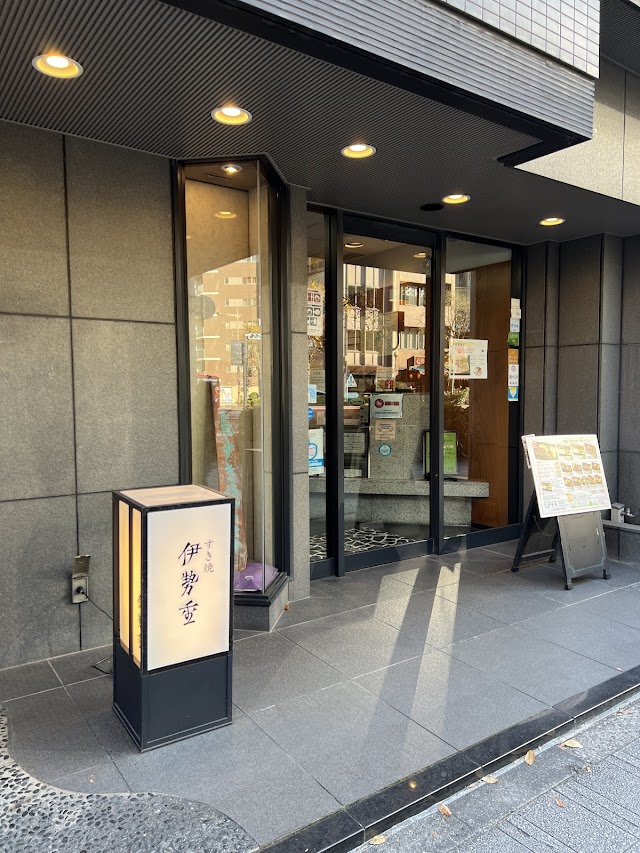
Among Michelin / oldest / butcher-run shops, Hiyama in Ningyocho is run by a famous butcher and has appeared in the Michelin guide; its strength is the meat—house-vetted kuroge wagyu, with top grades served as Yonezawa beef—an end-to-end operation insiders name for top wagyu. Isejyu in Nihonbashi, founded 1869, is one of Tokyo's oldest surviving sukiyaki houses at over 150 years, also butcher-run, its signature set using A5 wagyu—the roughly top one-tenth of all wagyu. Imahan Bekkan, which split from Imahan in 1921, offers sukiya-style architecture and a small garden, with quiet private rooms a world away from bustling Asakusa.
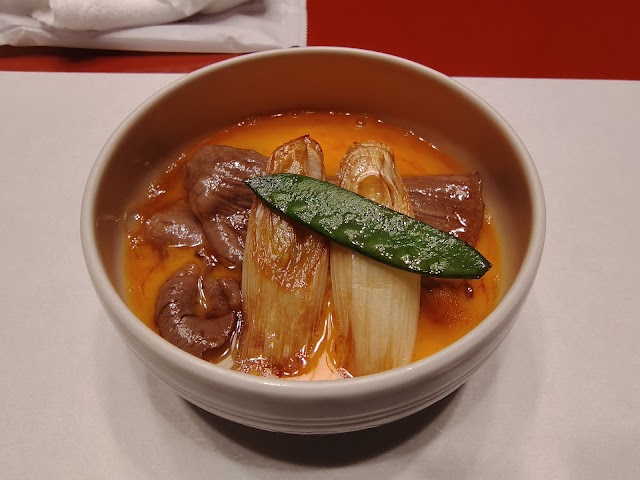
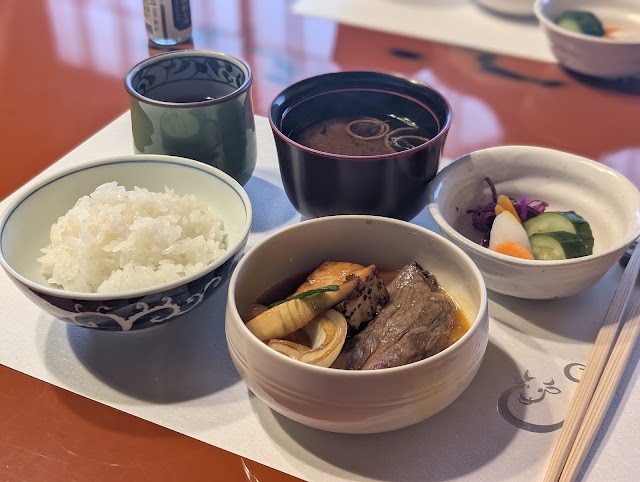
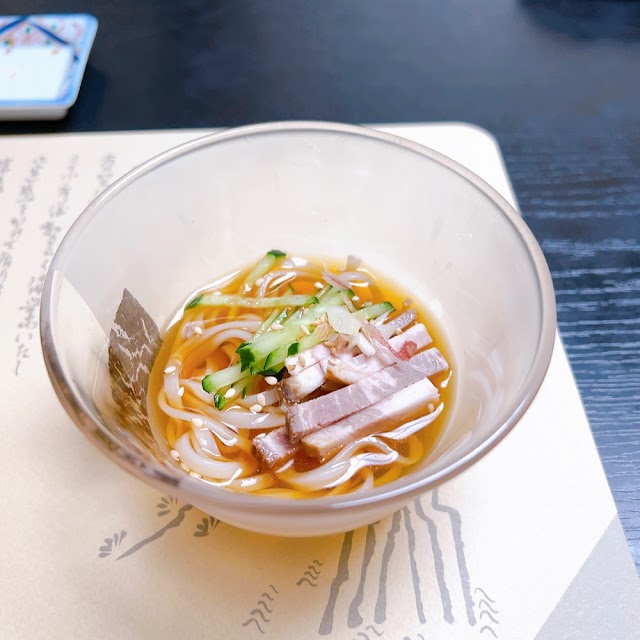
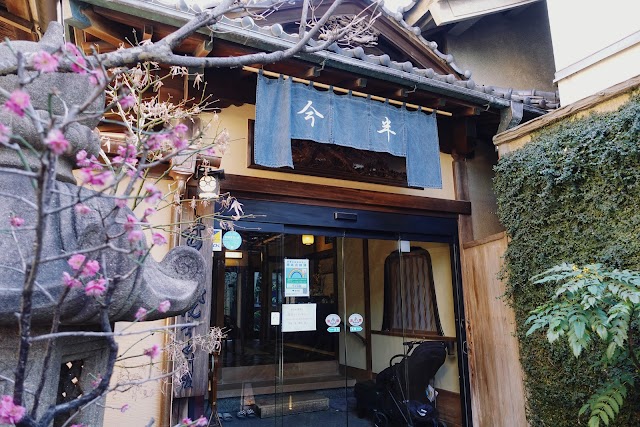
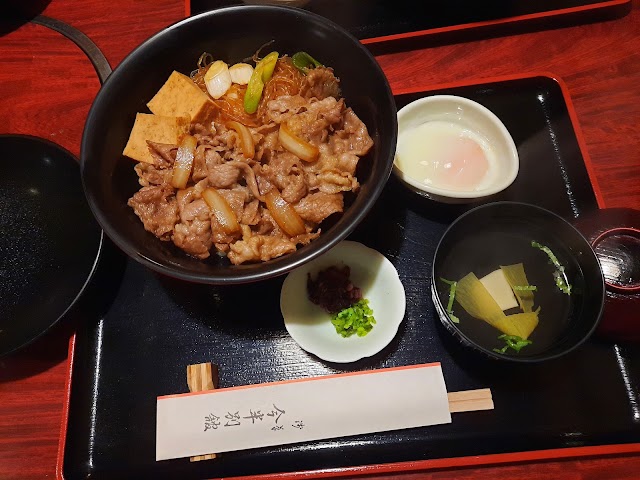
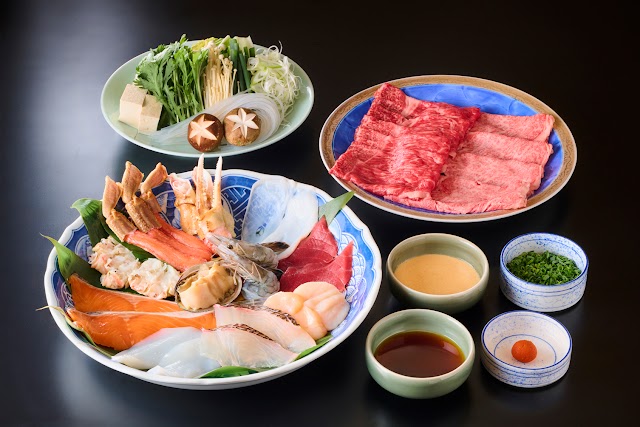
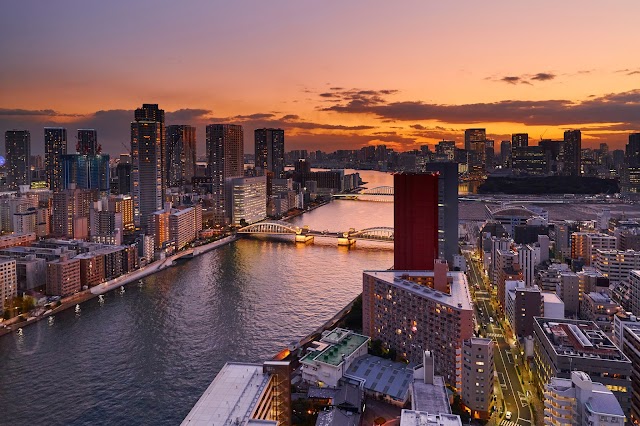
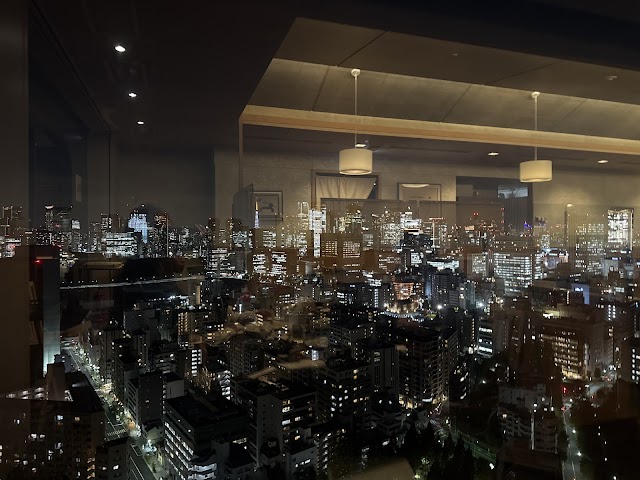
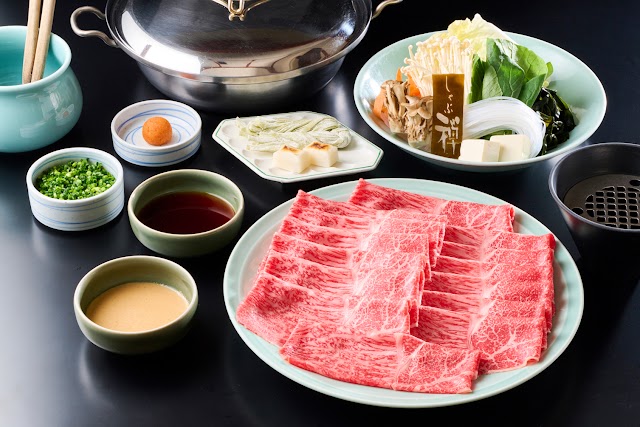
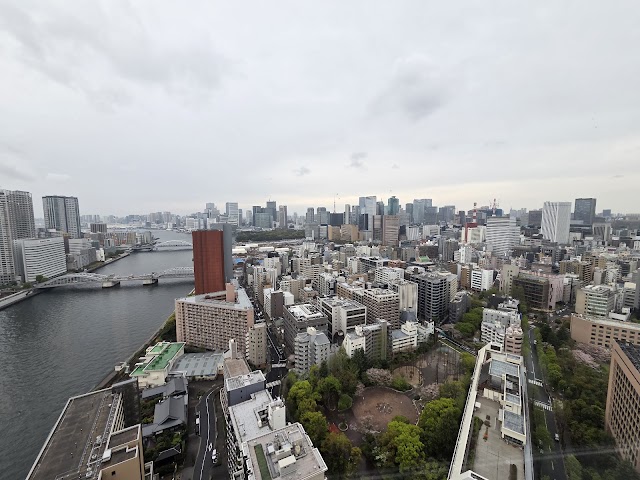
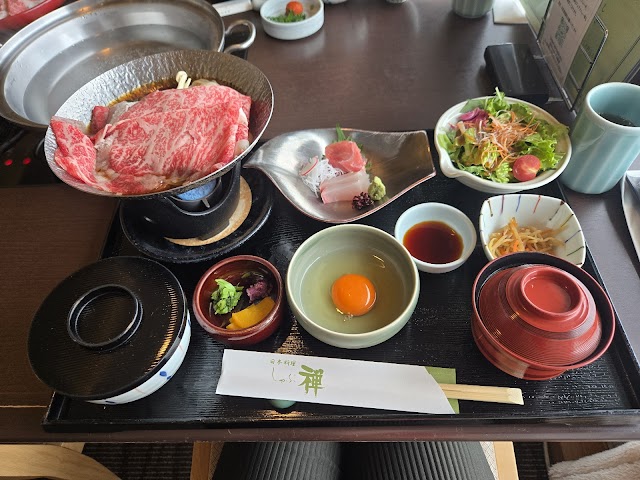
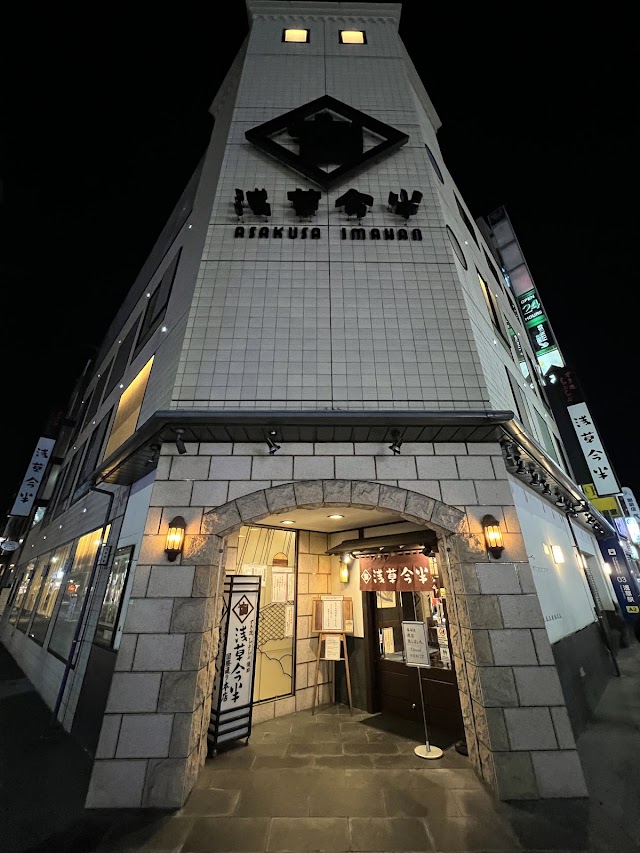
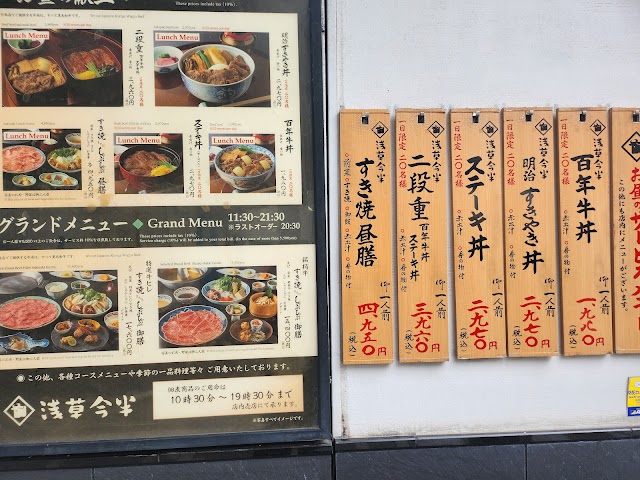
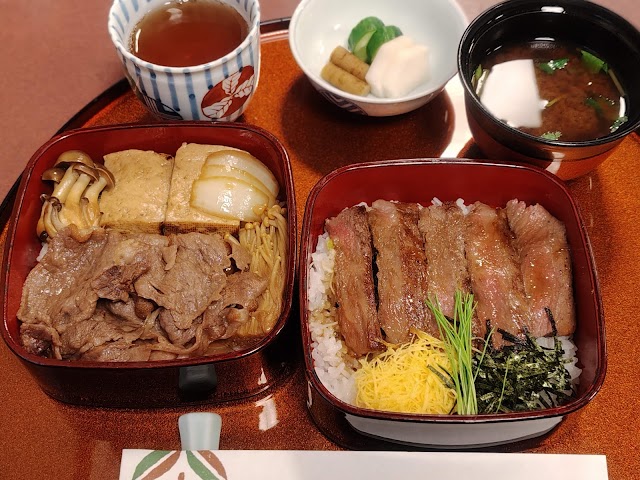
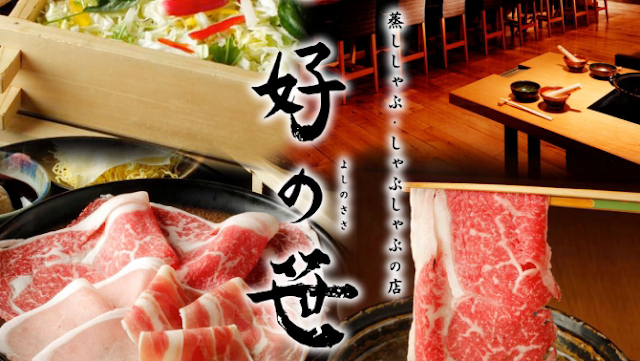
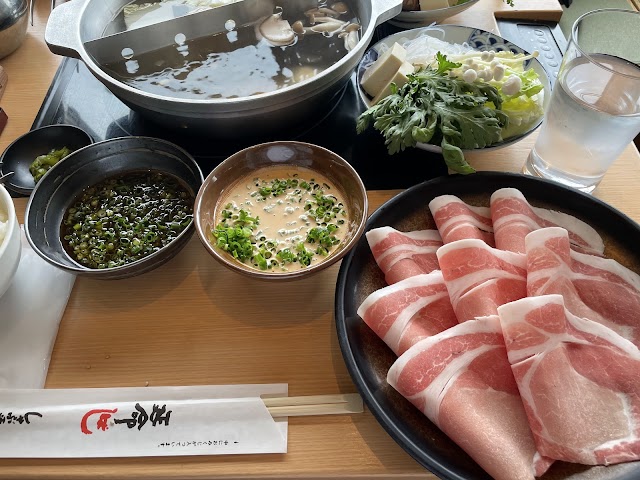
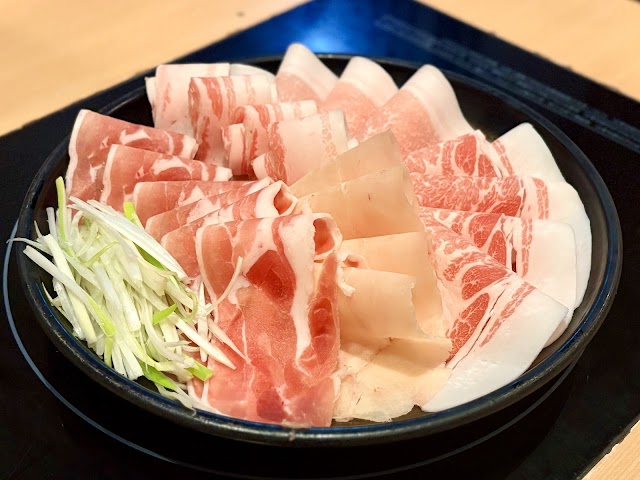
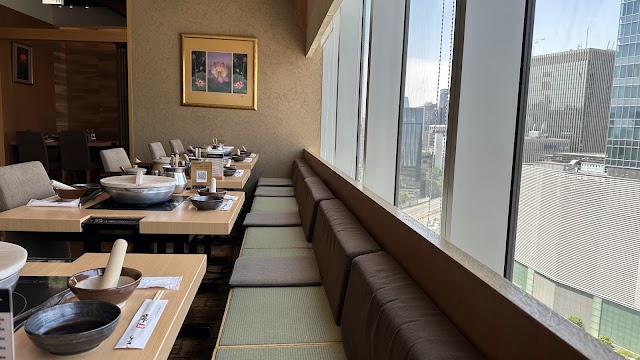
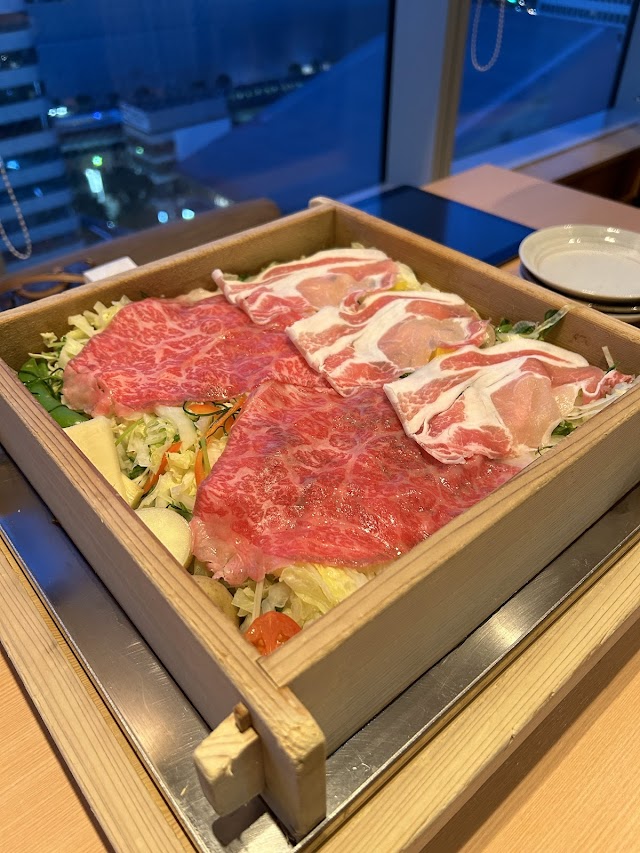
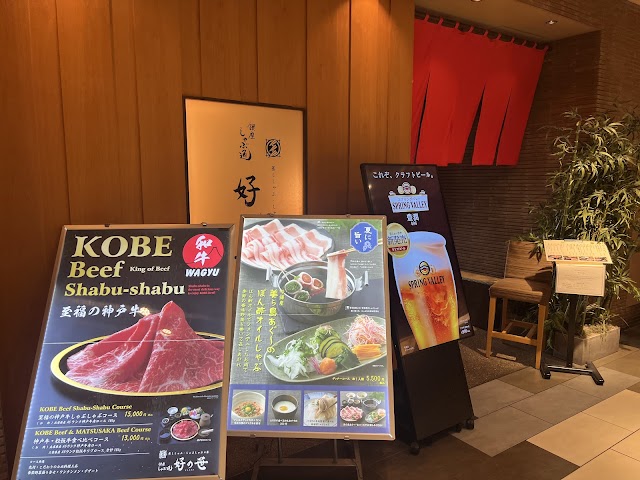
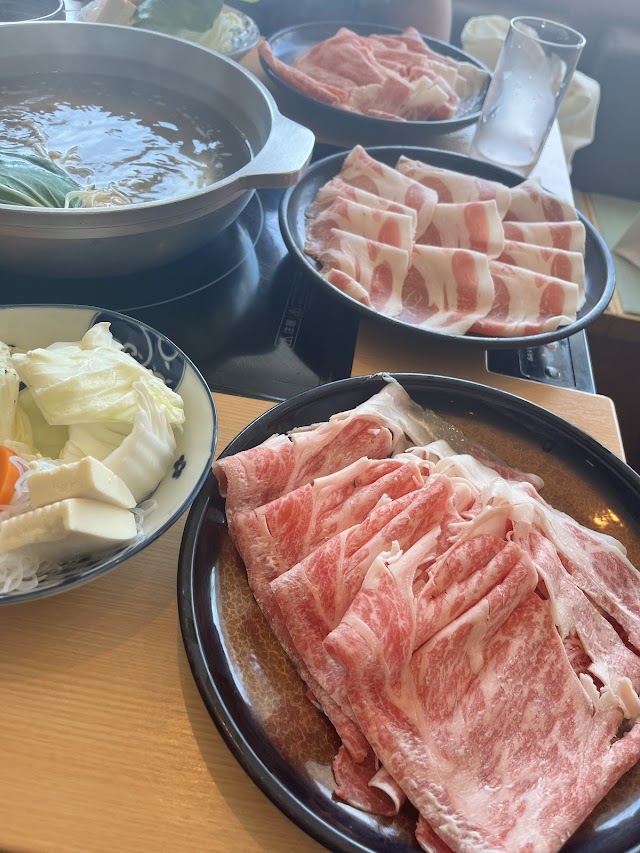
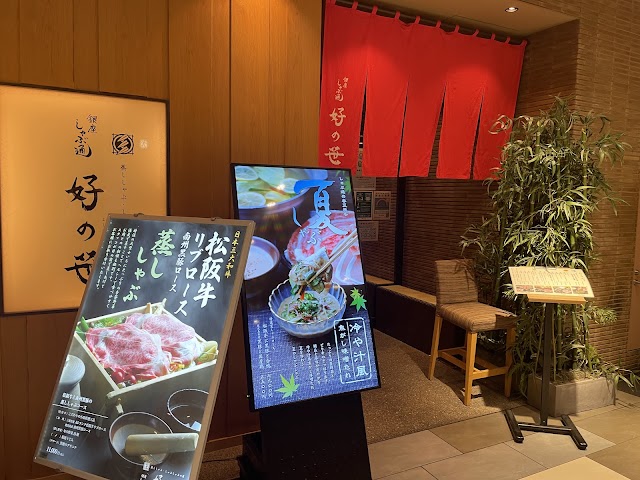
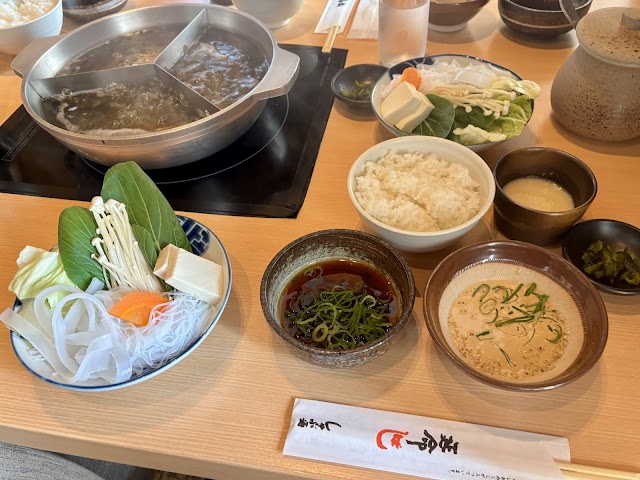
Among shabu-shabu, night-view and lunch entry points, Shabuzen on the 32nd floor of Ginza Cresston, about 120m up, serves Matsusaka and kuroge wagyu shabu-shabu and sukiyaki with all-you-can-eat courses, easy on the wallet and tourist-friendly. Asakusa Imahan's Kokusai-dori honten, also of the 1895 Imahan line, is best attacked at lunch—its 'Meiji sukiyaki bowl,' limited to about twenty a day, layers richly flavored thick-cut wagyu over rice, a word-of-mouth hidden bowl, open year-round for an affordable midday taste. Konosasa near Yurakucho is a ~40-year shabu-shabu house with A5 Matsusaka and kuroge wagyu, in central Ginza and handy after shopping or a show—a safe mid-tier pick. (Sources: Tabelog 'Sukiyaki & Shabu-Shabu Top-100 2024' and Tokyo rankings, shop info from Hot Pepper, Retty, Gnavi and Ikyu, the official sites of Ningyocho Imahan, Asakusa Imahan, Imahan Bekkan, Chinya, Yonekyu, Hiyama, Isejyu and Shabuzen, and Wikipedia on sukiyaki, shabu-shabu and gyunabe.)
 Scan for map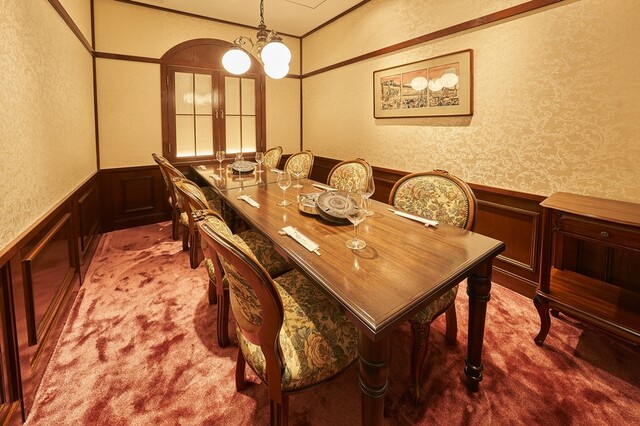
 Scan for map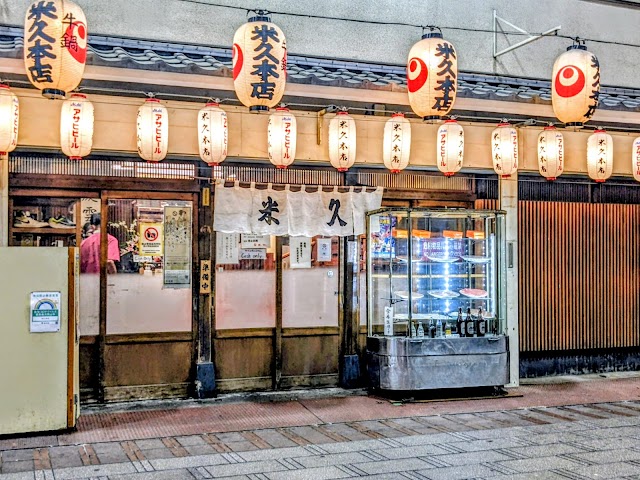
 Scan for map
 Scan for map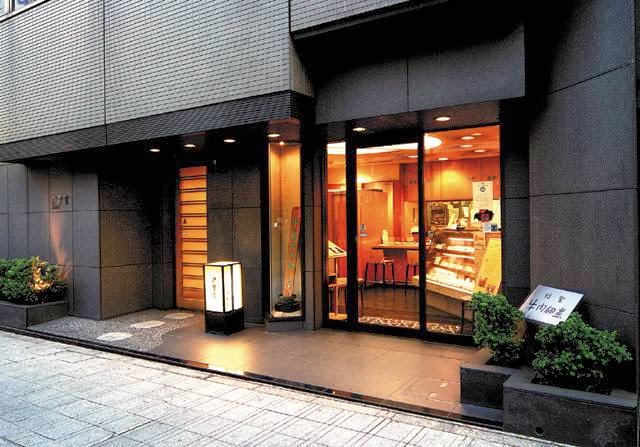
 Scan for map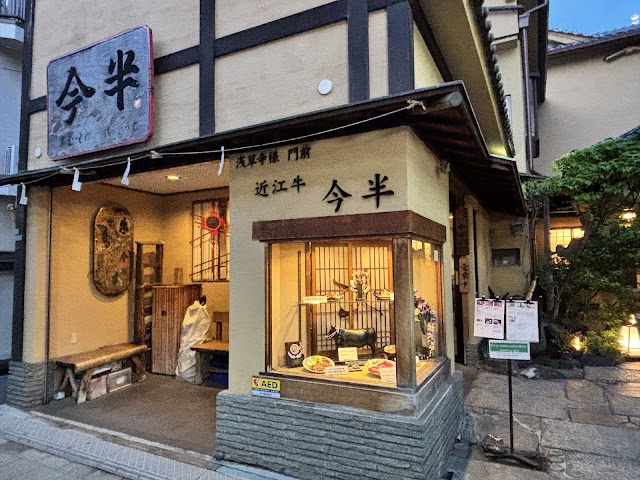
 Scan for map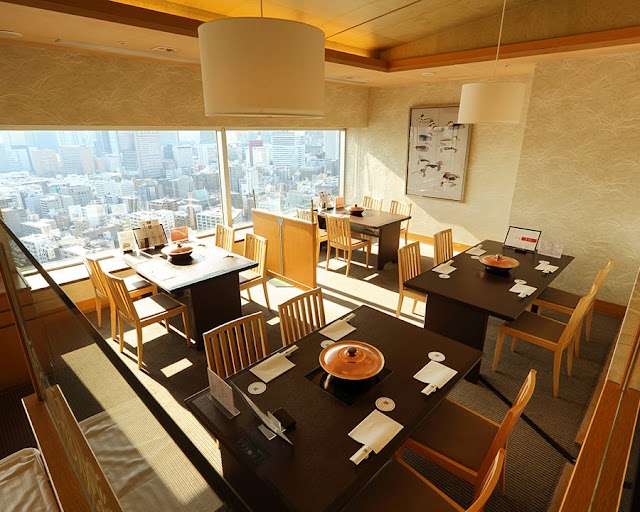
 Scan for map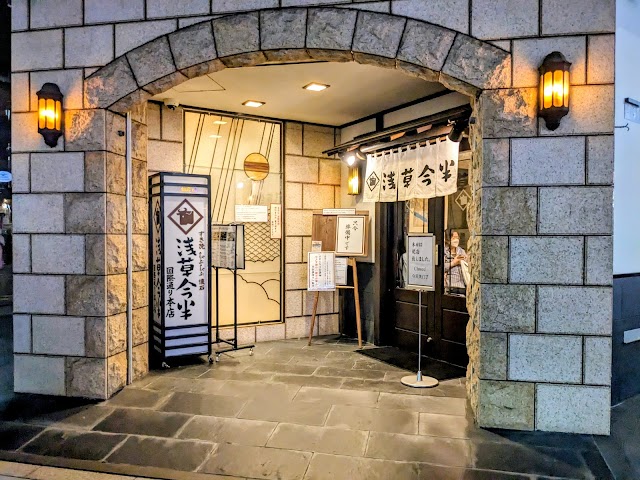
 Scan for map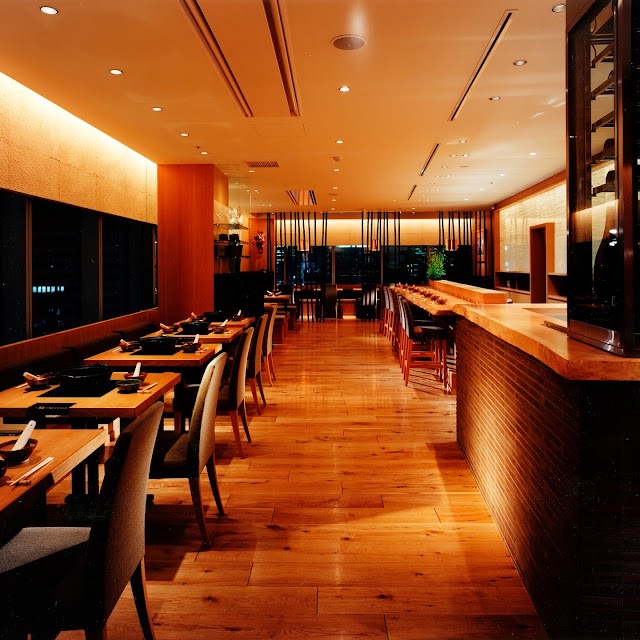
 Scan for map