JR East's KiHa40 Reborn in Thailand, Not as a Tourist Train but a Bangkok Commuter
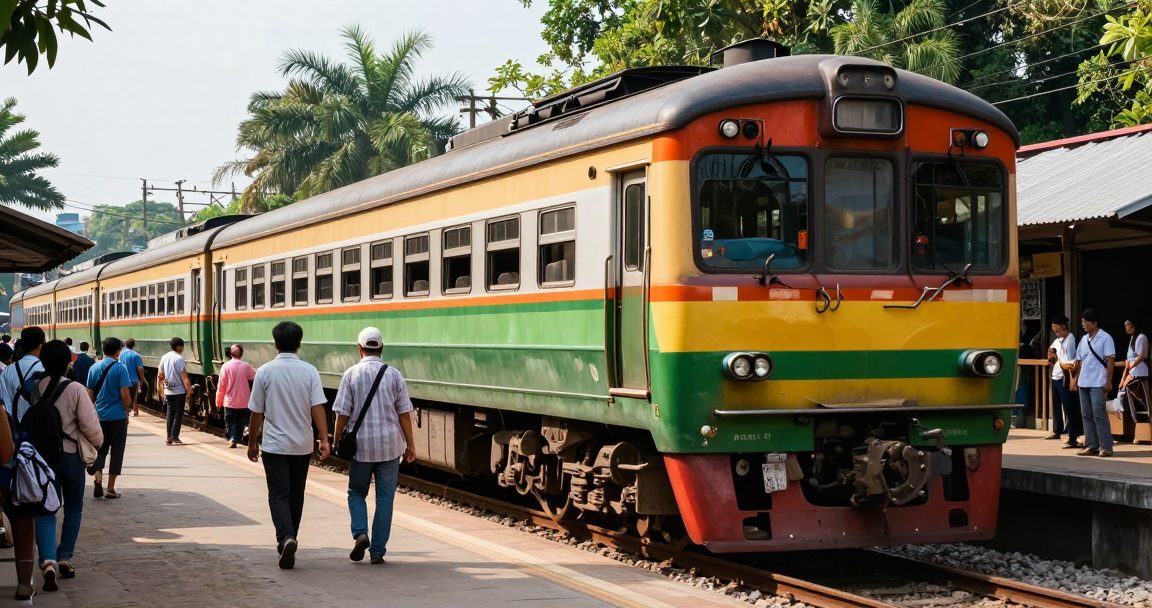
- JR East's KiHa40 diesel railcars, retired in Akita in 2021, now run near Bangkok
- Unlike most exported Japanese stock used as tourist trains, these serve as commuter trains
- For readers: the secondhand export of retired Japanese trains is an overlooked circular economy
- Their fate reflects Southeast Asian rail upgrades and the durability of Japanese manufacturing
JR East's KiHa40 diesel railcars, which served in Akita and retired in 2021, have come back to life near Bangkok. Notably, while most secondhand Japanese stock sent to Thailand becomes a 'tourist train,' these run as everyday commuter trains and do not enter the city center. This niche rail story holds two angles: the durability of Japanese manufacturing, since a railcar retired after decades at home still handles daily commuting abroad; and a circular economy in rolling stock, where retired Japanese trains get a second life in Southeast Asia, a win-win that offloads assets for the seller and adds low-cost capacity for the buyer. For readers it is a small window on Japan-Southeast Asia ties, relevant to Taiwan's own rolling-stock and tourist-rail debates: some markets need touristic appeal, others practical capacity. Watch the scale and destinations of such exports, local maintenance and parts supply, and the follow-on business for Japan's refit, repair and parts industries.