Japan Land Values Post Biggest Jump Since 2010 as Tourist Towns Drive Prices Up
- Nationwide average roadside land value rose for a 5th straight year, the biggest gain since 2010
- Surging foreign tourism is the main driver, lifting land prices in tourist areas
- Roadside land value is the tax base for inheritance and gift tax
- Gains have spread beyond central Tokyo to regional tourist gateway cities
- For overseas buyers: entry costs are climbing and the window is narrowing
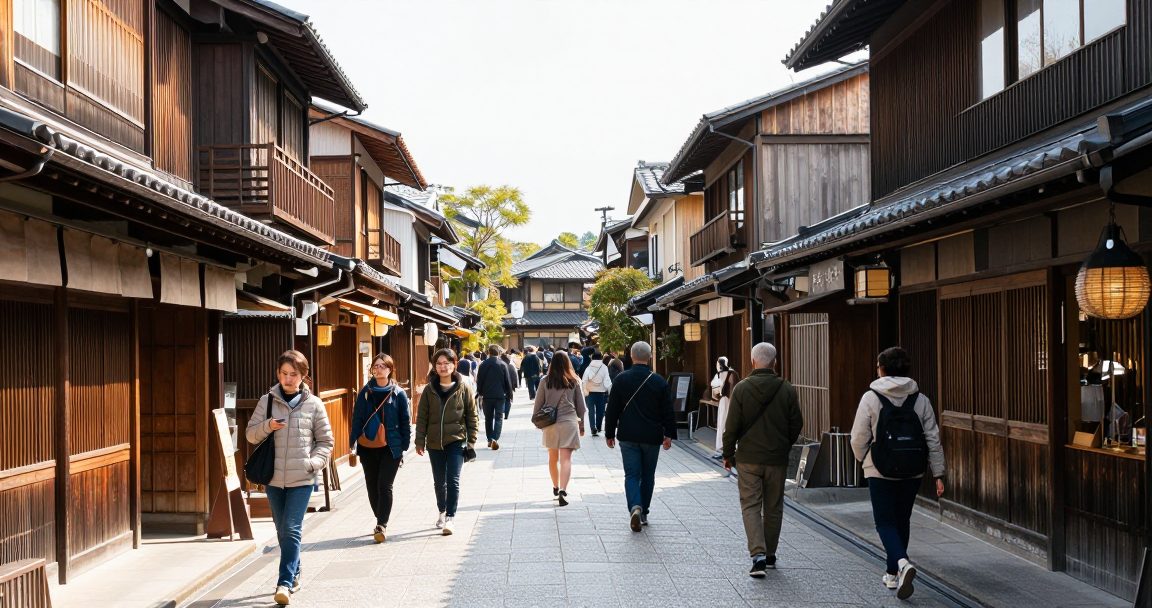
Japan's National Tax Agency released its latest roadside land values on the 1st: the nationwide average rose for a fifth straight year, with the biggest gain since 2010. Behind that number stand the crowds of foreign tourists filling Japan's sightseeing towns. A weak yen pushed inbound spending to highs; the cash flowed first into hotels and shopping streets, then into land itself.
Roadside land value is the per-square-meter base price the tax agency sets along major roads, used to calculate inheritance and gift tax. It is not a market transaction price, but as an official, nationwide gauge it is one of the most authoritative thermometers of land trends. Five straight years of gains—and the biggest in sixteen years—means the rally has spread from central Tokyo to regional tourist-gateway cities.
For existing owners and lodging operators, rising land lifts asset values and pricing power. For Taiwanese buyers still on the sidelines, the signal is mixed: a weak yen cheapens the FX side, but land itself is climbing, so real entry costs may be less sweet than they look—your FX savings can be eaten by the seller's markup in hot tourist spots. The hidden risk is tax: higher land values raise the inheritance and gift-tax base, quietly lifting the cost of passing property to the next generation.
Practical takeaway: price both 'land already high' and 'higher future tax' into any yield calculation; for lodging ventures, look toward less-hyped areas with transport and demand upside; and remember Japan's 'cheapness' is being filled in, cell by cell. Watch next year's figures, the yen's direction, and local rules on tourism capacity and short-term rentals.