BOJ Tankan Shows Big Manufacturers' Sentiment Improving, but Labor and Cost Pains Persist
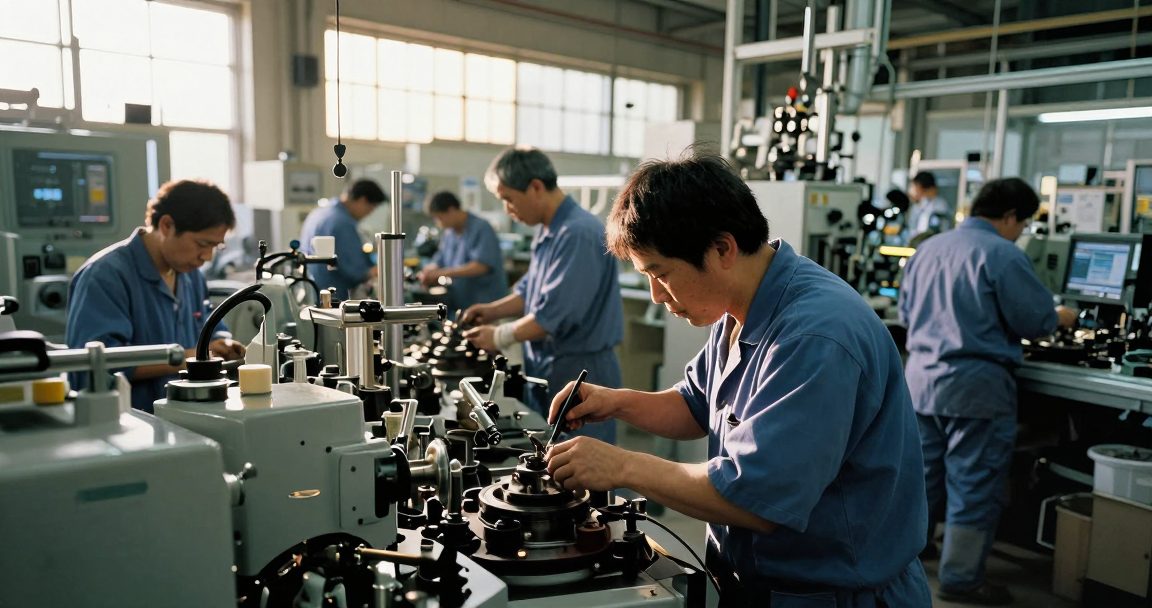
- The BOJ Tankan shows large manufacturers' business sentiment improving
- The Tankan is the BOJ's quarterly survey, key to gauging conditions and policy
- Manufacturing recovery ties to AI/chip demand and weak-yen export gains
- Yet the factory floor still faces labor shortages and rising costs
- For investors and BOJ watchers: an important input for the rate path
The BOJ released its latest quarterly Tankan, showing large manufacturers' sentiment improving. It matters because the Tankan—the BOJ's own survey of thousands of firms—asks whether business feels good and where it is heading, and is one of the most important thermometers of Japan's economic mood and, in turn, monetary policy.
Why is manufacturing warming? AI and chip demand is lifting supply-chain orders and exports, while a weak yen flatters exporters' repatriated earnings—the same story as the chip-led stock rally. But improving sentiment does not erase two real thorns: labor shortages from an aging, shrinking workforce, and costs, as a weak yen lifts imported materials and energy, clawing back some FX gains. Big-firm optimism and small-firm strain often coexist—Japan's 'dual structure.'
For investors and BOJ watchers, the Tankan is a key policy input. Improvement is read as giving the BOJ more confidence to normalize, feeding back into the yen and rate expectations—and thus that 162 line. Watch the non-manufacturing and small-firm sub-indexes for evenness, the capex plans that show whether domestic investment is really moving, and how labor shortages push firms toward wage hikes or automation.