Demolish or Abandon? Inside the Slow Crisis of Japan's 7 Million Aging Condos
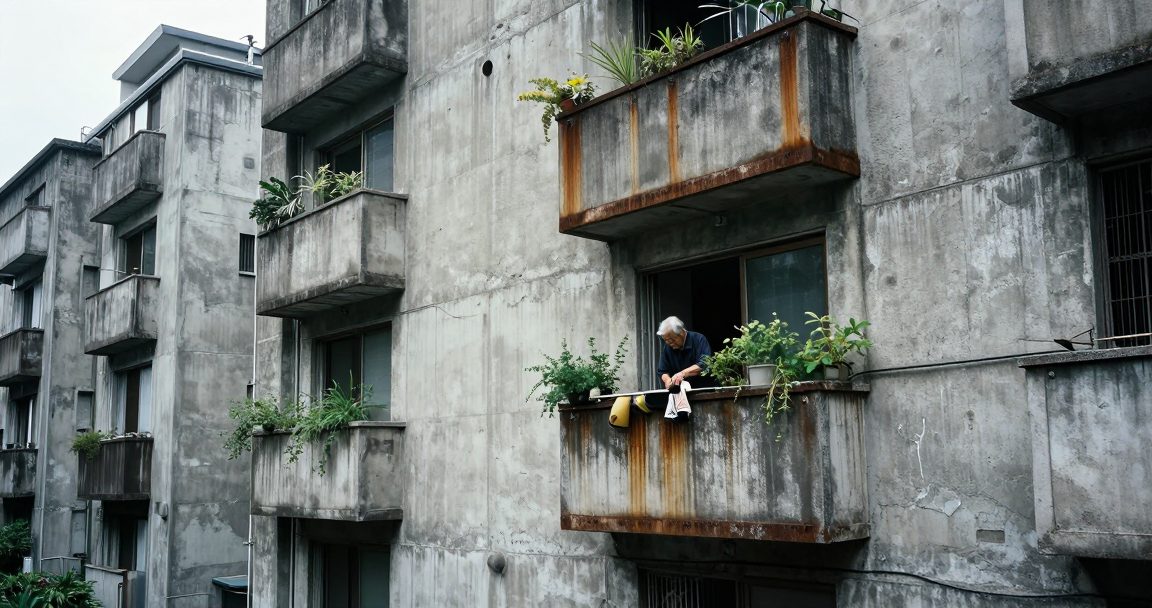
- Japan has roughly 7.04 million condominium units and stock is aging fast
- Only about 300 rebuilds have ever succeeded; neglect is becoming the default
- Rebuilds stall on used-up floor-area bonuses, soaring costs and elderly owners
- Legal reforms lower consent thresholds and add exit routes like en-bloc land sales
- For buyers: reserve funds and management health matter more than location
Japan holds about 7.04 million condominium units, yet successful rebuilds number only around 300 in total history. This ITmedia report highlights the colder reality: more aging buildings are drifting toward a third path—neither rebuilt nor properly maintained, simply neglected.
Two agings compound each other: the concrete and the owners. Buildings from the 1970s–90s boom are crossing 40–50 years just as their residents hit their seventies and eighties. Rebuild resolutions need supermajorities, and pensioners who cannot fund million-yen assessments will not vote for them. The old economics—selling bonus floor area to finance construction—has largely run out, while building costs have surged.
Recent reforms to Japan's condominium ownership law lower consent thresholds and expand exits such as selling the entire building and land to a developer. But law fixes voting math, not funding gaps.
For foreign buyers, three checks beat any location pitch: whether reserve funds match the long-term repair plan, whether the owners' association actually functions, and whether the site has redevelopment potential. The price gap between well-managed and failing buildings will only widen—Japan's cheap secondhand condos are, in part, the market pricing this risk.