Japan Bets on 'J-Beauty': Can a 9-Million-Job Industry Become the Next Export Goldmine?
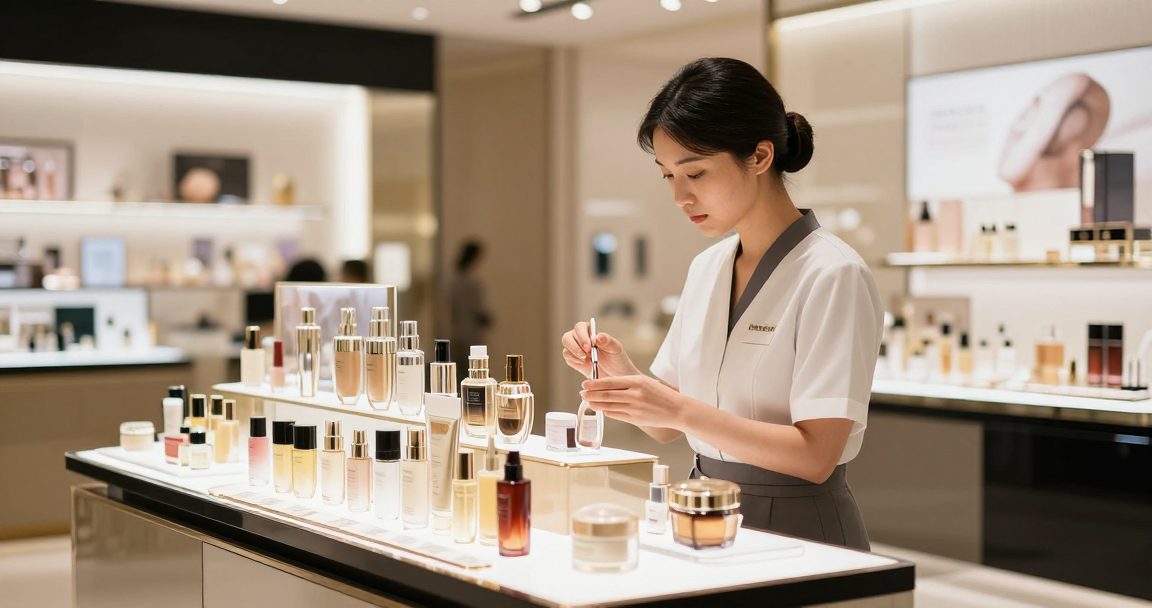
- Japan launches a national growth strategy for its beauty industry from July 6
- J-Beauty spans cosmetics, devices and services, with some 9 million related jobs
- The trigger: K-Beauty overtook Japan in exports while China demand stalled
- Policy aims at brand exports and monetizing inbound beauty tourism
- Taiwan distributors and e-commerce players can ride the buildout
From July 6 Japan formally elevates cosmetics, beauty devices and salon services into a national export strategy branded J-Beauty. Toyo Keizai calls it the growth strategy's hidden goldmine: roughly nine million related jobs—bigger than autos' direct employment—yet never before treated as an industrial-policy target.
The timing is defensive. Japanese cosmetics exports peaked around 2022 then slid as China demand stalled, while Korea's K-Beauty overtook Japan in exports with TikTok-speed marketing cycles. J-Beauty is a counteroffensive.
Japan's cards are real: deep R&D at Shiseido, Kao and Kose, strength in beauty devices, and inbound tourists who already treat drugstore hauls as ritual—upgrading them from buying products to buying services multiplies spend per visitor. The risk is equally clear: Cool Japan, the last national-branding venture, became a case study in subsidy waste. Success hinges on whether policy builds infrastructure—visas, duty-free rules, certification, channels—rather than bureaucrats picking brands.
For Taiwan, three angles: securing agency rights as mid-size Japanese brands go global, packaging Ginza beauty experiences into premium tours, and importing Japanese devices for the medical-aesthetics market. Watch the budget details, non-China export curves, and whether salon wages actually rise.