Tokyo Yokocho Bar Alleys 2026: Nine Picks From Shinjuku's 1956 Omoide-Yokocho Grills and Ueno's 90-Yen Skewers to the Neo-Yokocho Inside Toranomon Hills
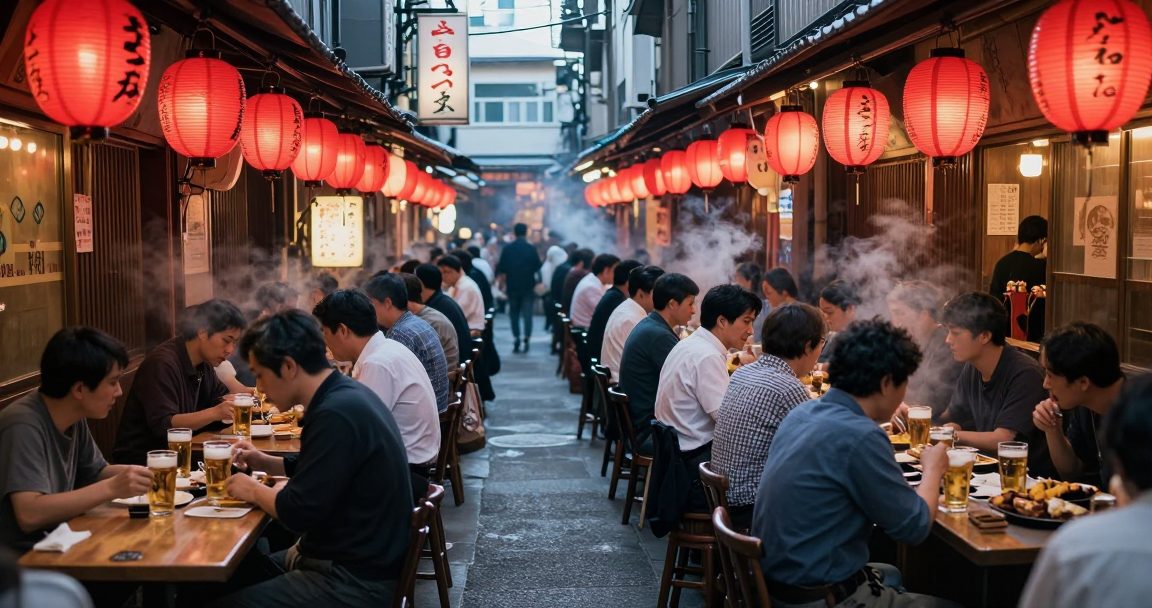
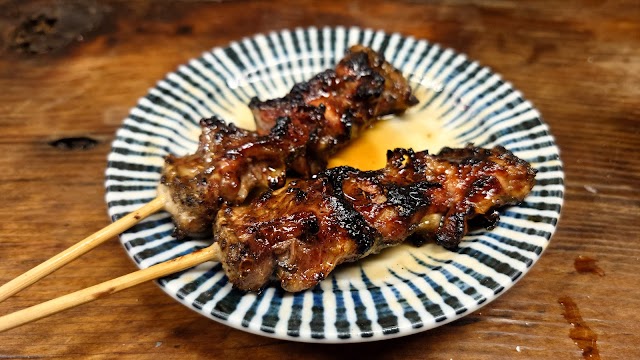
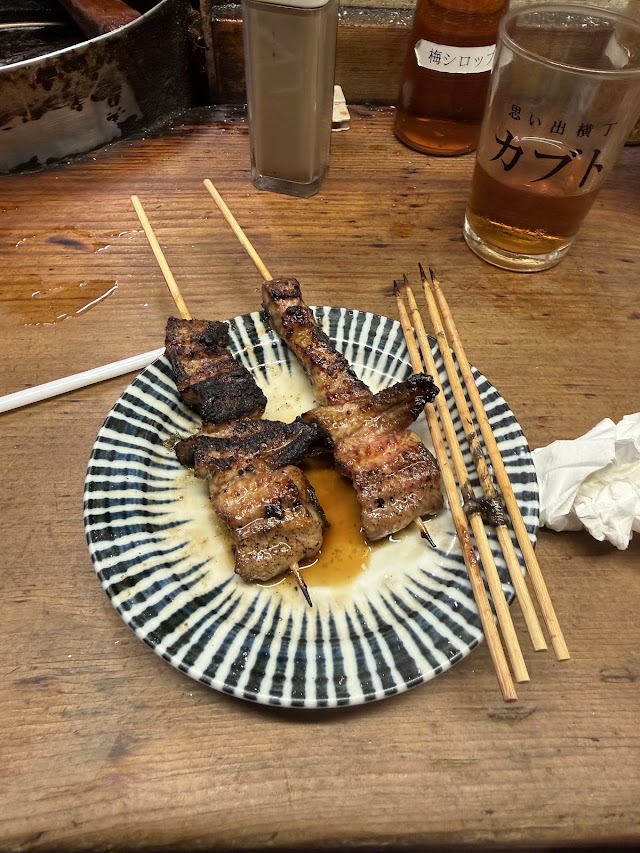
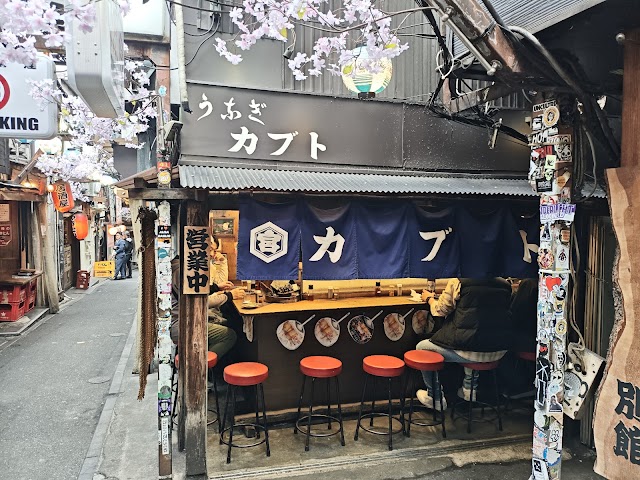
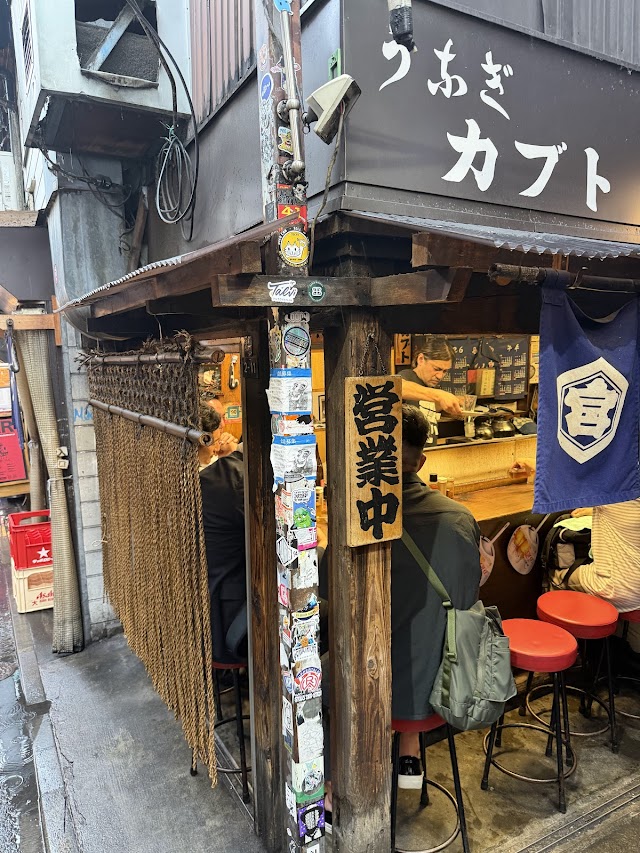
- Three generations: (1) postwar black-market alleys—Omoide Yokocho in Shinjuku (Kikuya, grilling since 1956 / Kabuto, eel skewers by the set / Kameya, cold soba to finish), Daitoryo under the Ueno tracks (since 1950, horse-offal stew, skewers from 90 yen), Sasanoha deep in Kichijoji's Harmonica Yokocho (since 1974, beef-tendon daikon); (2) Heisei revival—Ebisu Yokocho (2008, a former public market): Nikuzushi's horse and wagyu sushi, Denraku's Kyoto-style oden; (3) Reiwa neo-yokocho—Shibuya Yokocho (2020, regional soul food; Rikishi-meshi Yorozu's sumo chanko) and Toranomon Yokocho (2020, 26 famous shops' branches; Torishige a la carte).
- Budgets span 3x-plus for the same word 'yokocho': Ueno Daitoryo from 90 yen a stick and 1,500-2,500 yen a head; classic alleys and Ebisu around 2,000-4,500 yen; Toranomon's famous-name branches 5,000-8,000 yen. Pick the generation first, then the budget.
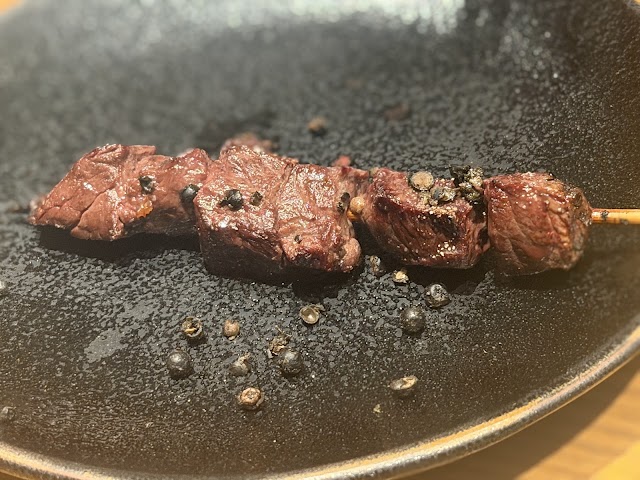
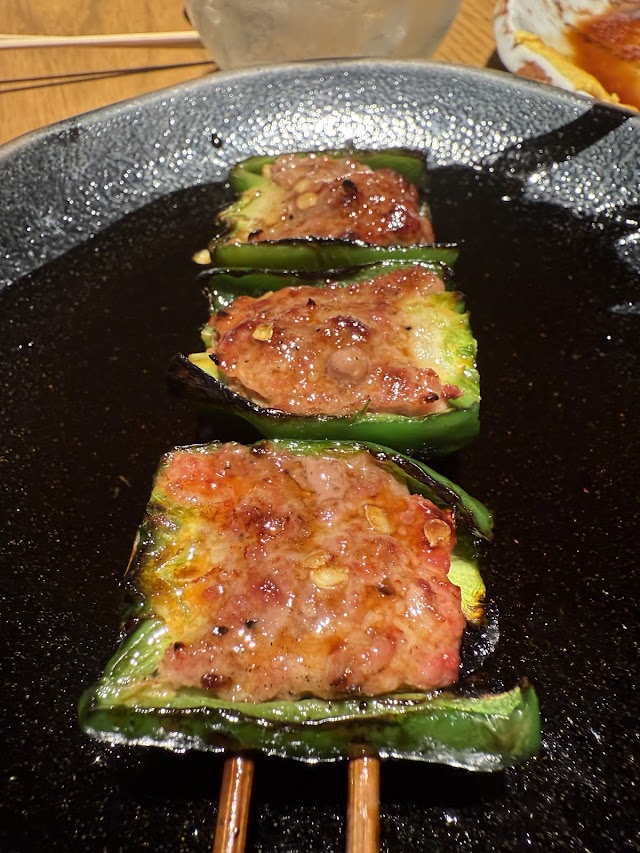
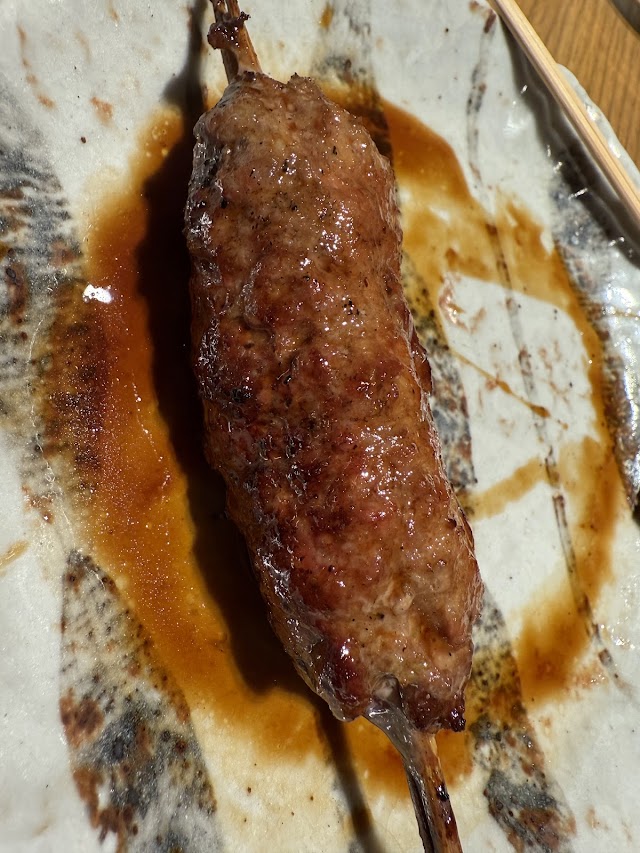
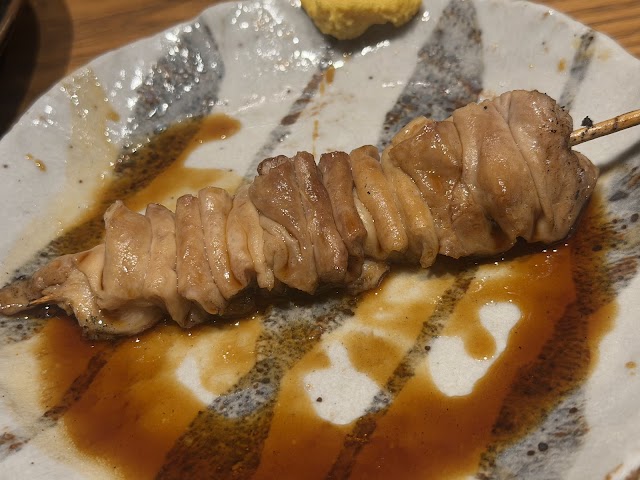
- House rules: otoshi seat-charge dish (300-500 yen) at most old counters; skewers by the stick, tare (sauce) or shio (salt); hashigo-zake (hopping) is the culture itself—two or three sticks and one drink per stop; carry cash and 1,000-yen notes in the old alleys.
- The alleys are vanishing: Tateishi's Nonbe Yokocho was demolished in 2023 for station redevelopment, its famed Edoyasu only reopening in a new site in 2025. Original postwar alleys like Omoide and Harmonica are scarce assets—put them early in the itinerary.
- Routing: first-timers do the Omoide Yokocho line (Kikuya skewers, Kabuto eel, Kameya cold soba); daytime or budget drinking means Daitoryo in Ueno; dodge crowds deep inside Harmonica Yokocho; for dates or rain choose the covered Ebisu or Shibuya Yokocho; when a famous restaurant is fully booked, Toranomon Yokocho's a la carte branches are the back door.
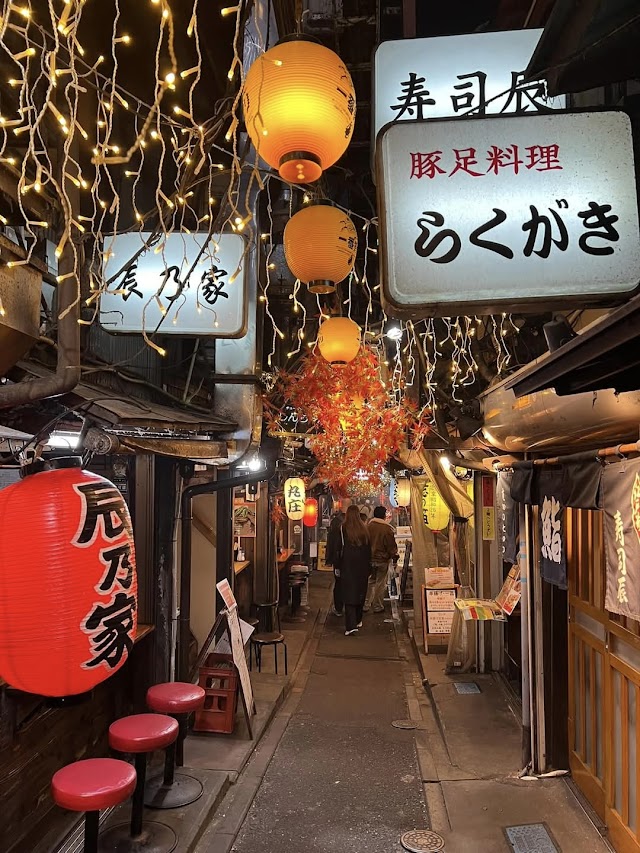
Yokocho—the narrow bar alleys where dozens of tiny counters press against each other—are the backbone of Tokyo drinking culture. Most visitors photograph Shinjuku's Omoide Yokocho and leave; the point is to sit down, order a few skewers and a chuhai, then move to the next stall. One night of 'hashigo-zake' (bar-hopping) gets you closer to everyday Tokyo than any grand dinner.
Tokyo's yokocho come in three generations. The first grew out of postwar black markets: Omoide Yokocho in Shinjuku, the Ueno railway underpass, Harmonica Yokocho in Kichijoji—seventy years of smoke and simmered sauce. The second is the Heisei revival: Ebisu Yokocho, opened in 2008 inside a former public market, proved the format could be rebuilt. The third is the Reiwa neo-yokocho: Shibuya Yokocho and Toranomon Yokocho, opened around 2020 inside brand-new developments—one a street of regional soul food, the other 26 famous restaurants' rare branch outposts where you can order a la carte. Meanwhile Tateishi's beloved Nonbe Yokocho was demolished in 2023 for redevelopment: the old alleys are disappearing, so go while they stand.
House rules are simple: most old counters serve an otoshi (small seat charge dish, 300-500 yen); skewers are ordered by the stick, with a choice of tare (sauce) or shio (salt); hopping is expected, and cash rules the old alleys. The nine picks below run from Showa-era grills to a neo-yokocho in a skyscraper. (Prices are estimates; check each shop on the day.)
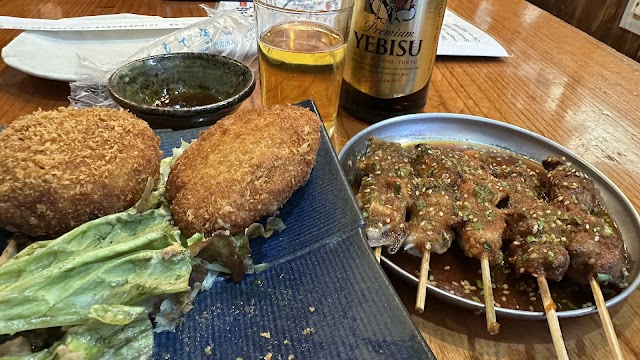
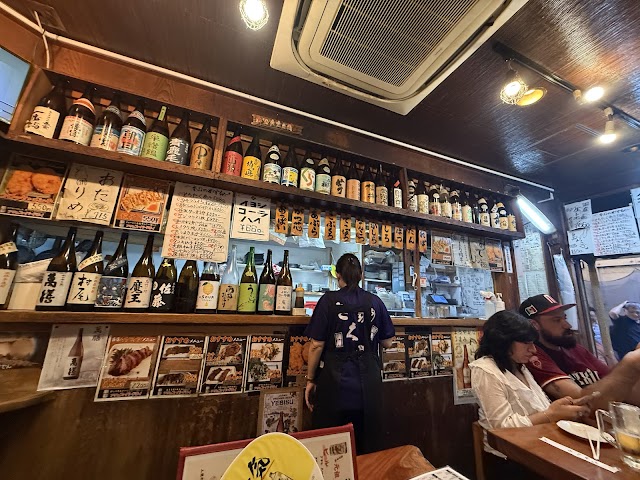
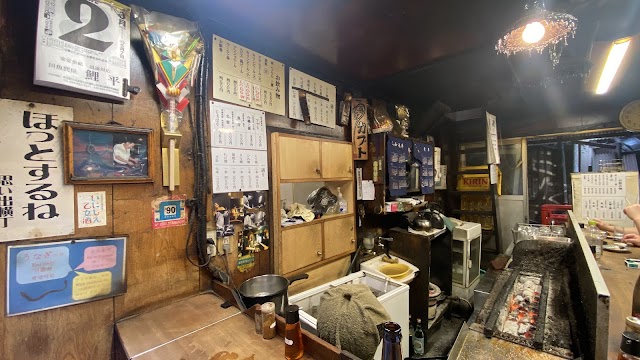
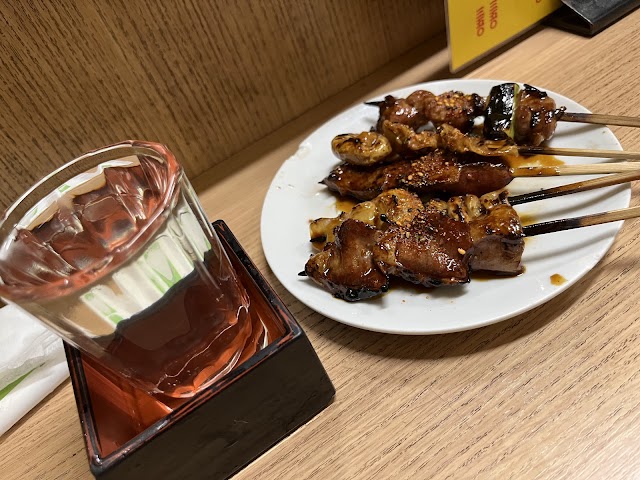
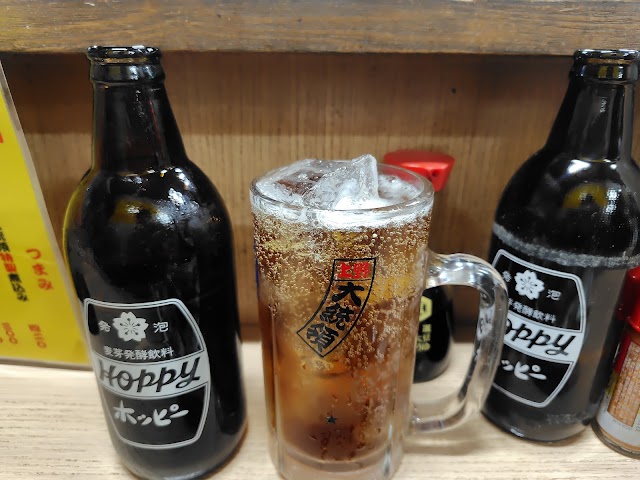
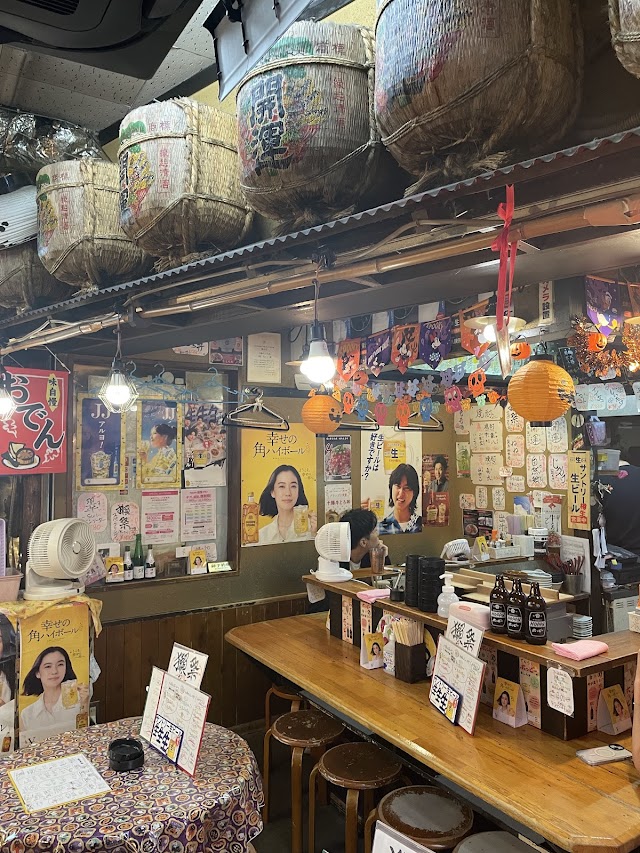
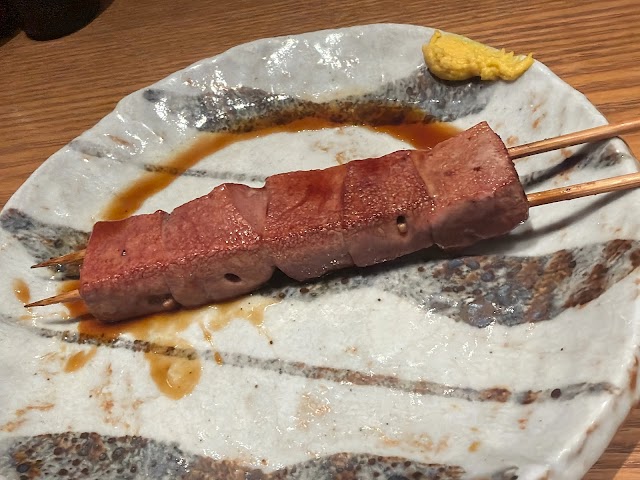
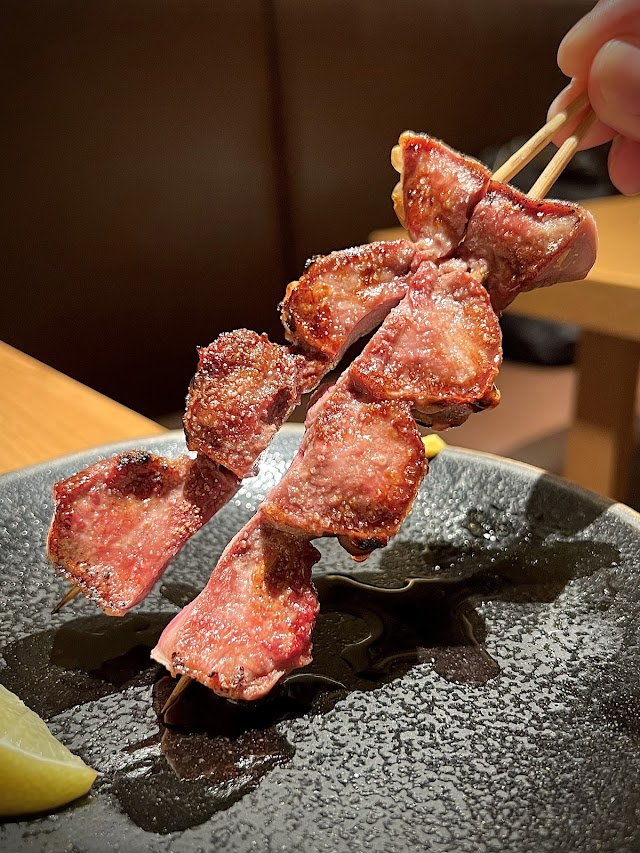
A yokocho is a side-alley of tiny bars, most seating six to ten with the owner alone at the grill. Order a drink first (draft beer or chuhai); most counters bring an otoshi, a small compulsory dish around 300-500 yen—custom, not a scam. Skewers are ordered by the stick, and serious shops ask tare (a sauce topped up for decades) or shio (salt). The culture's core is hashigo-zake: two or three sticks and one drink per stop, three or four stops a night. Cash first; specialties sell out. The nine below follow three generations.
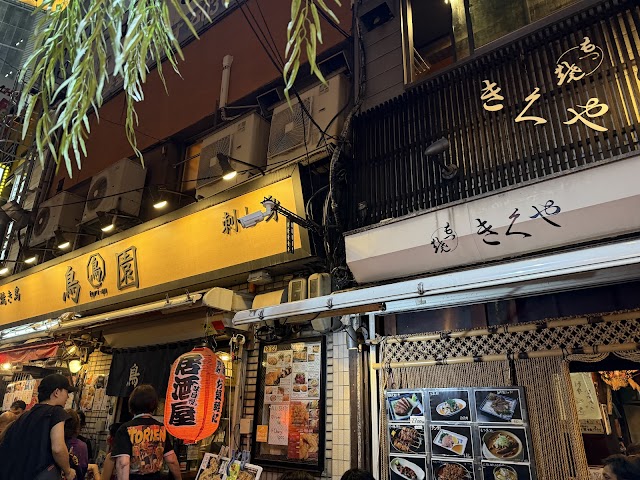
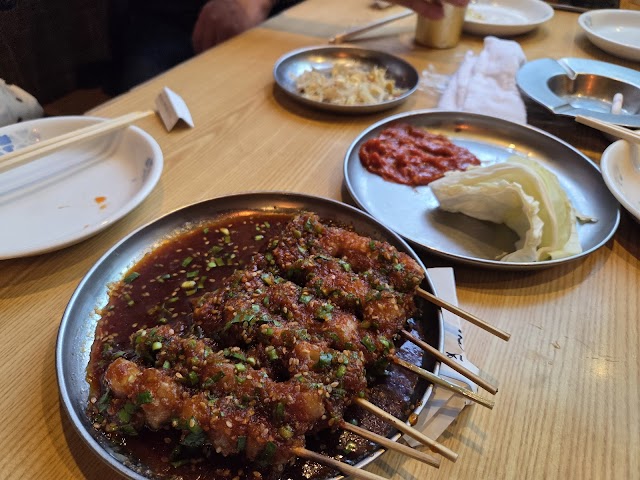
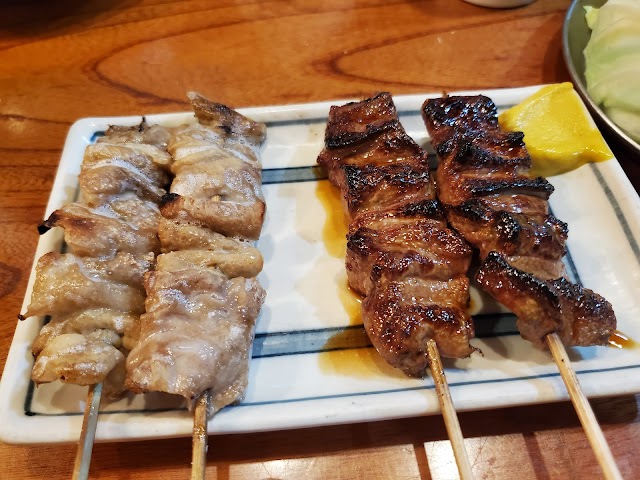
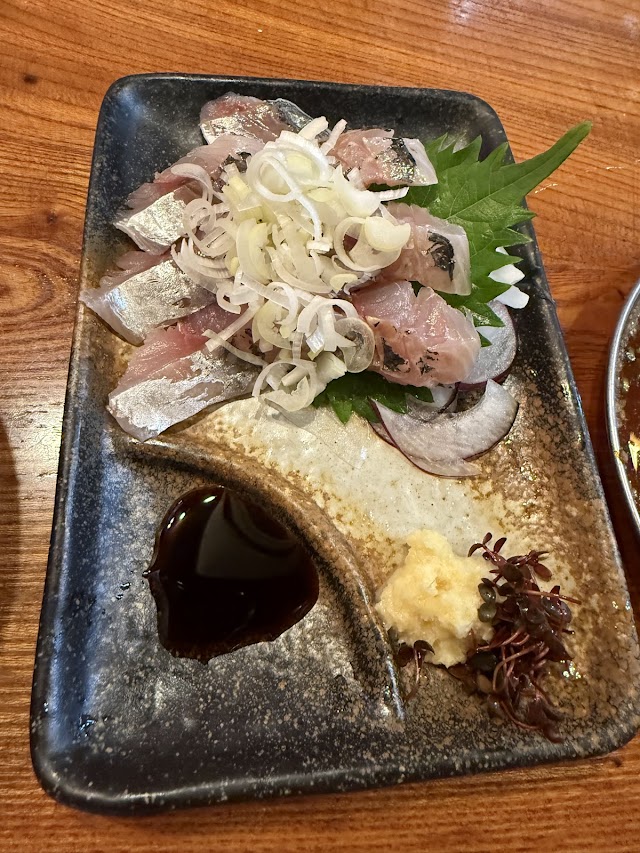
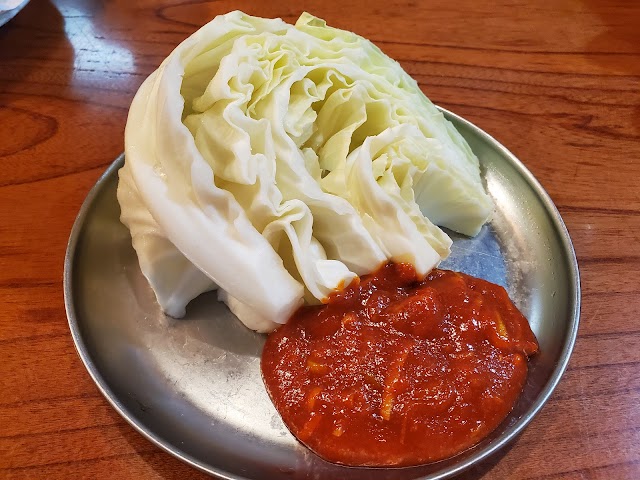
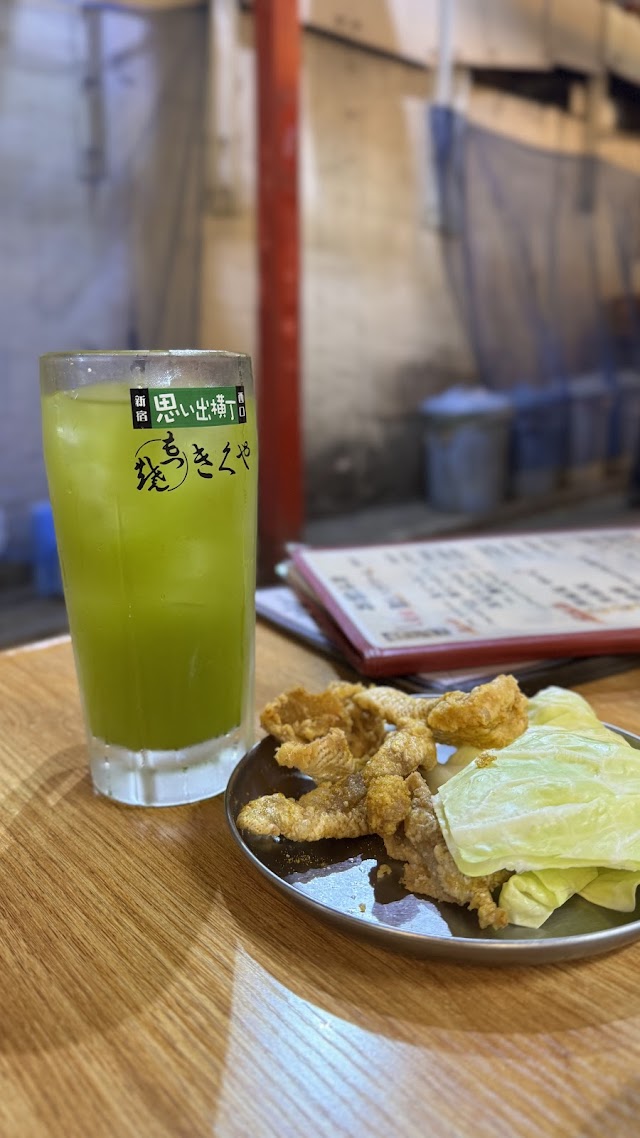
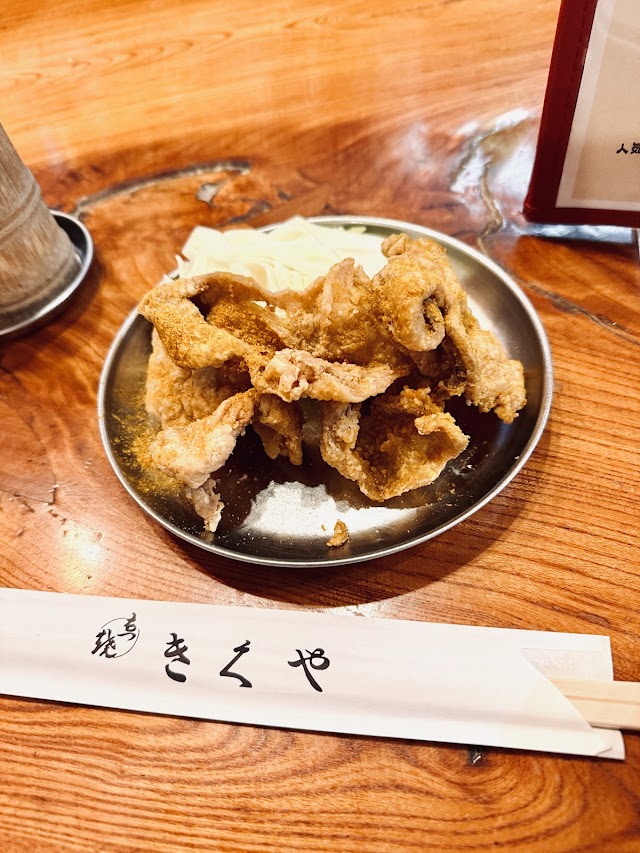
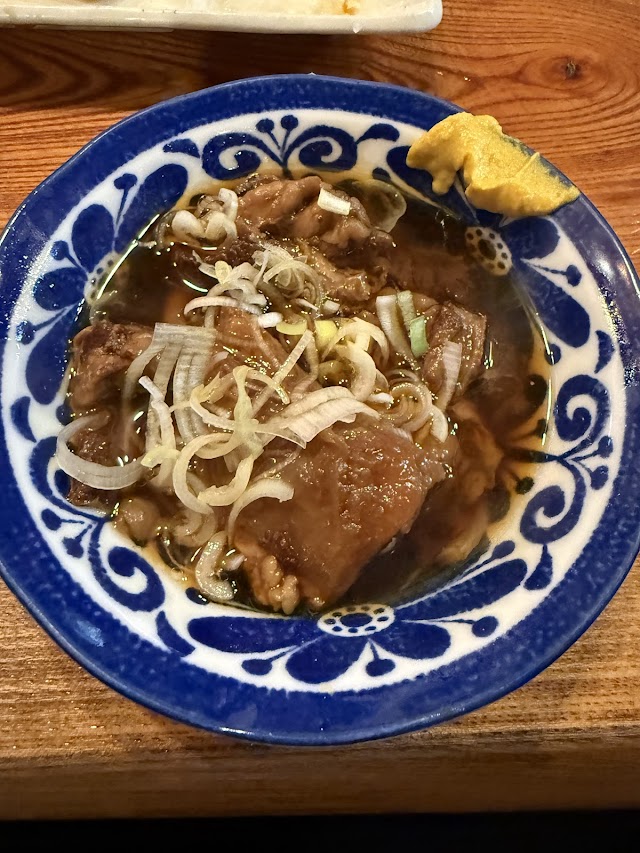
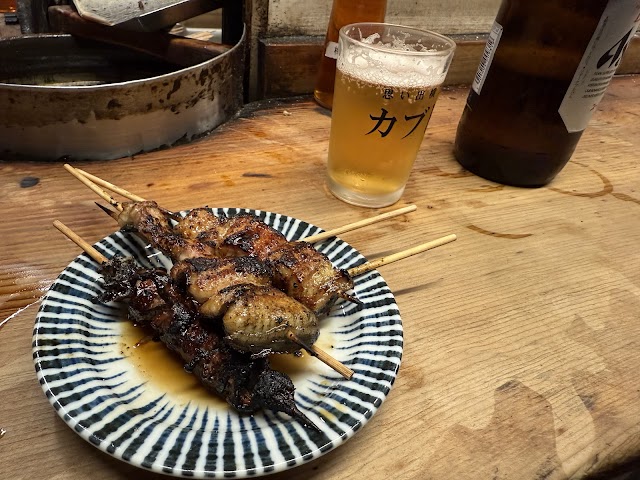
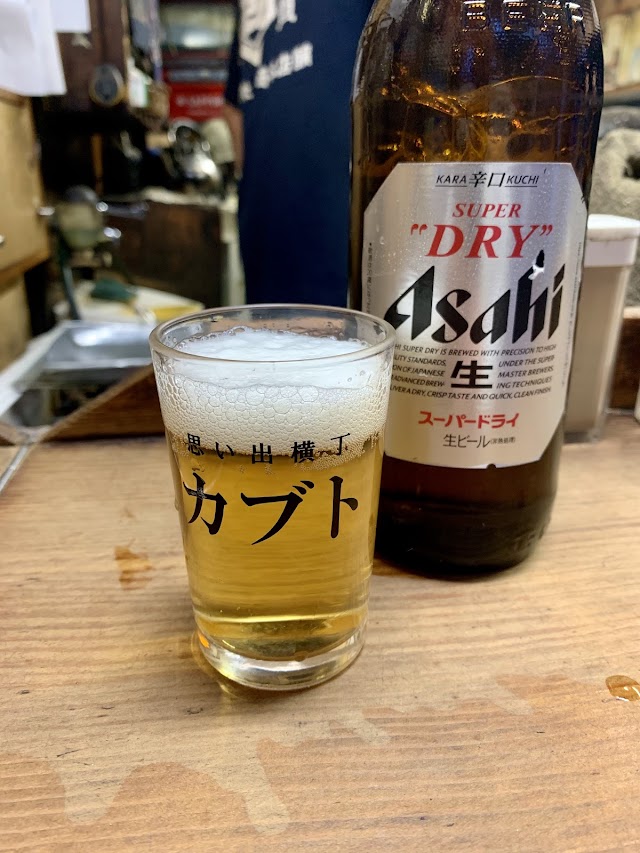
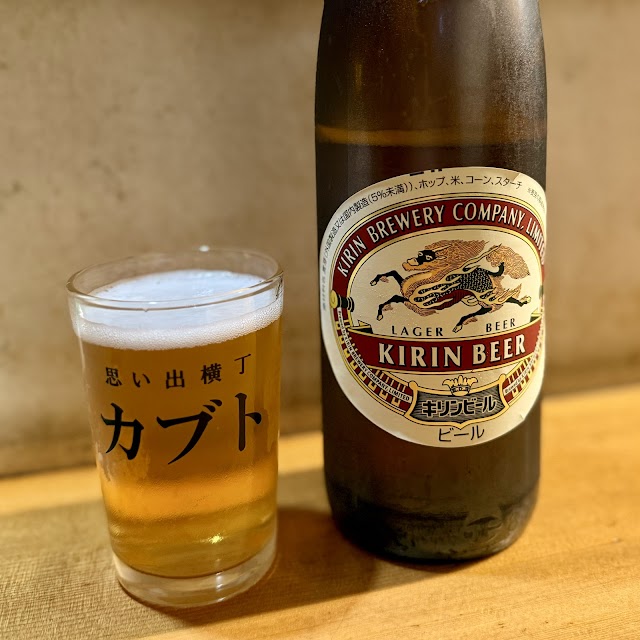
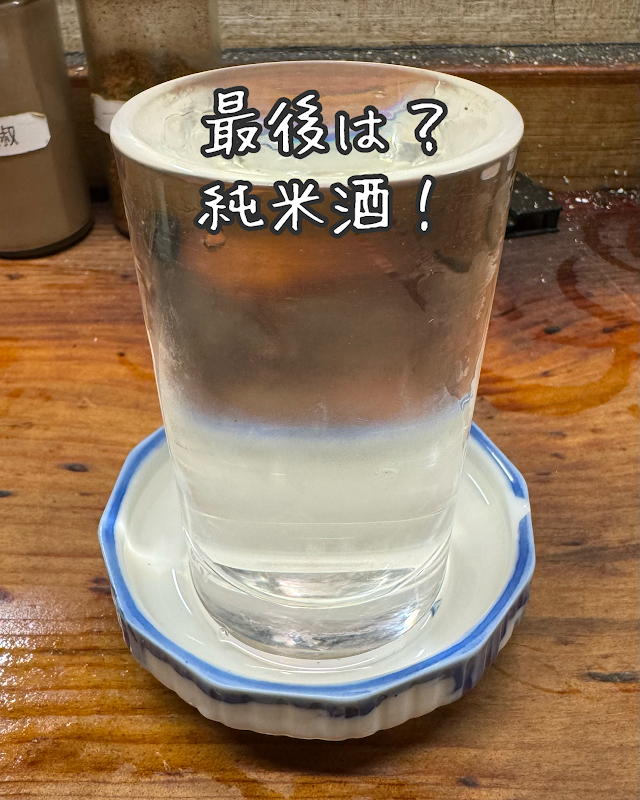
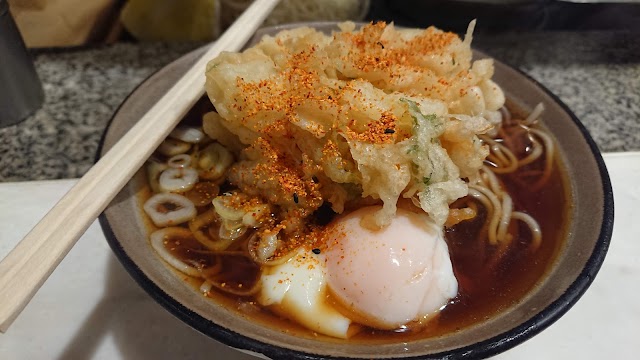
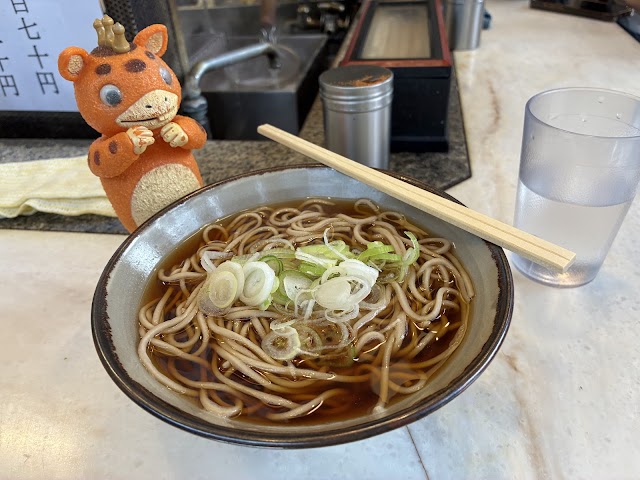
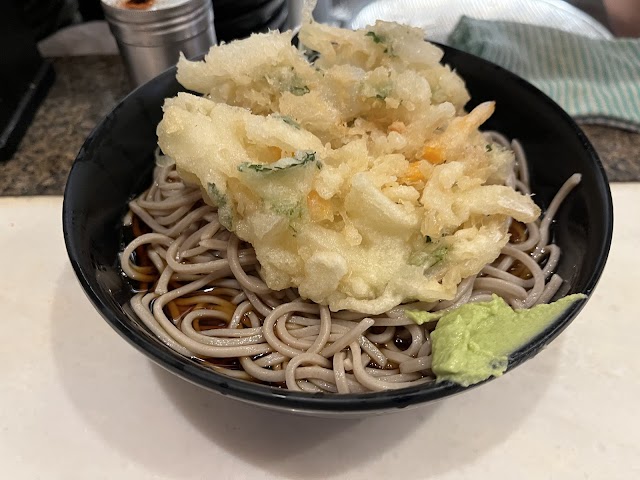
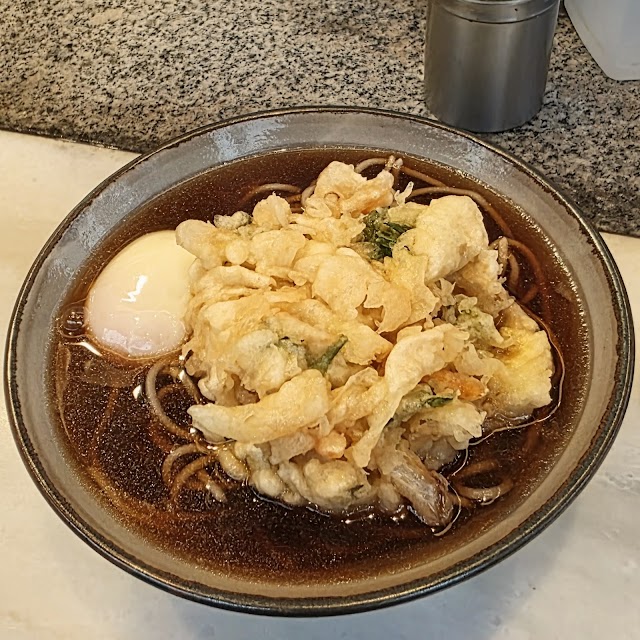
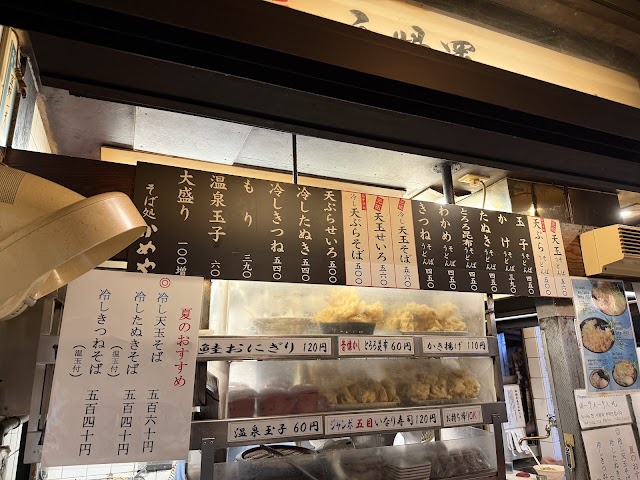
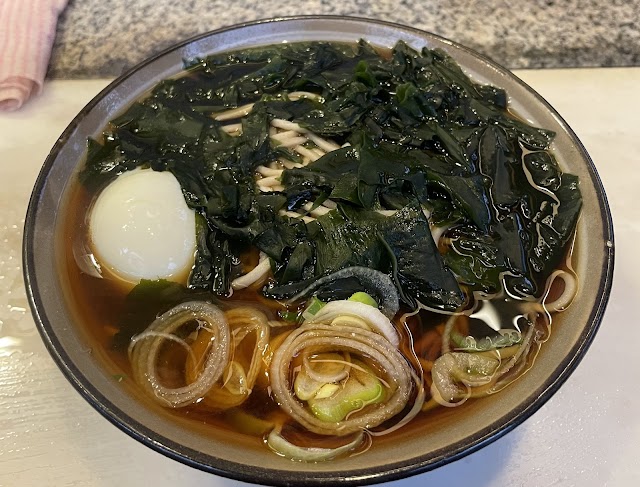
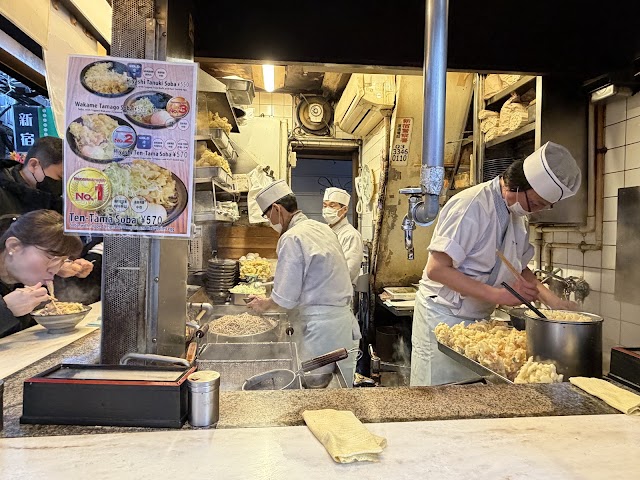
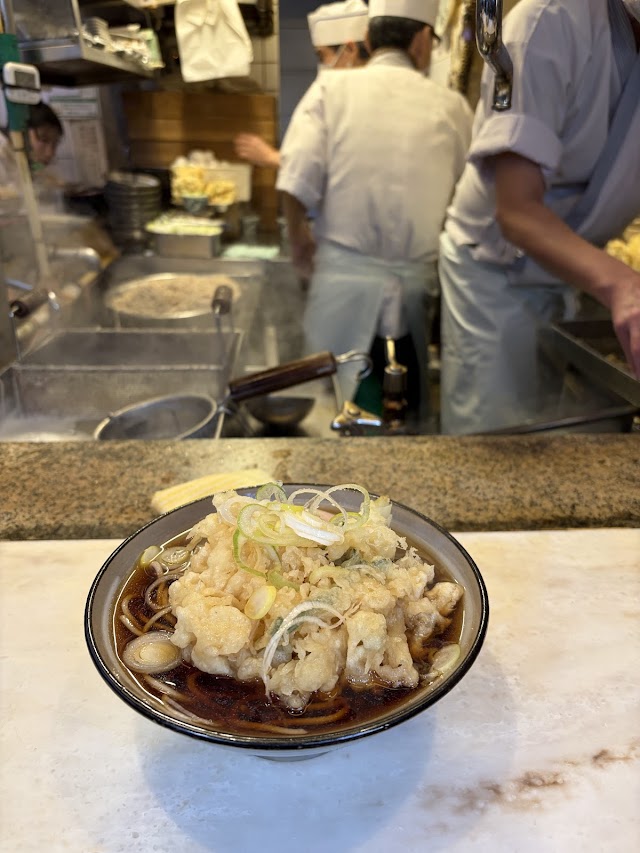
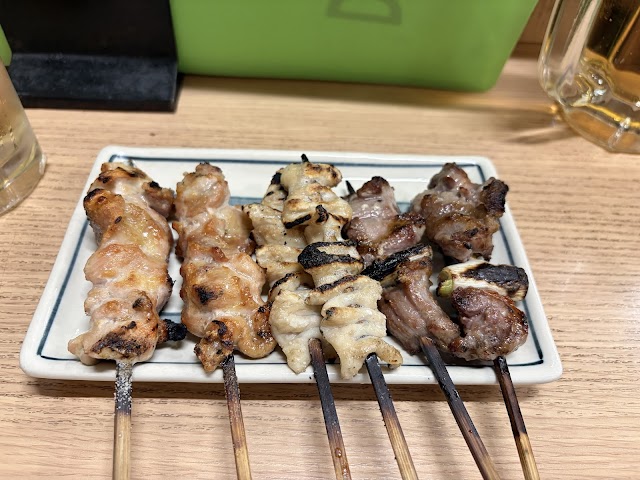
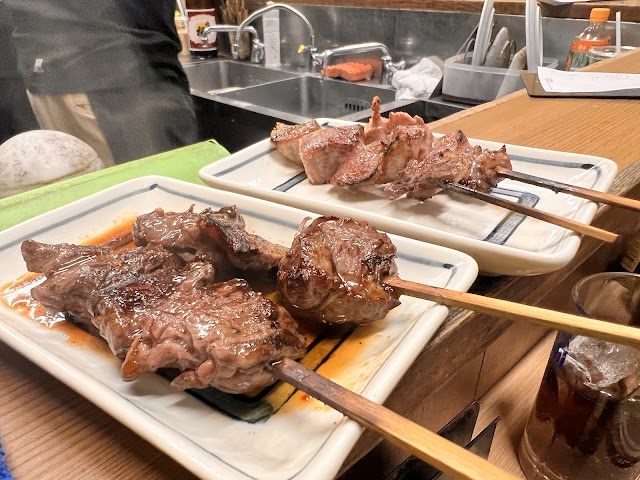
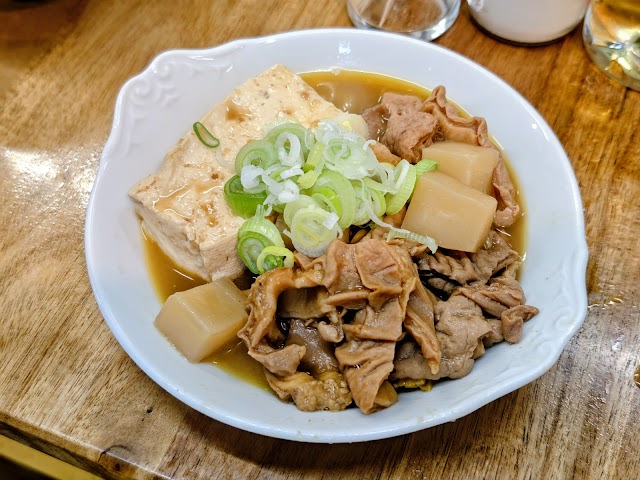
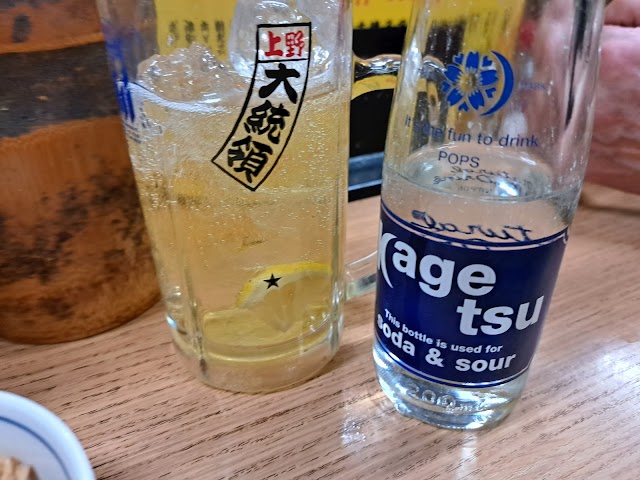
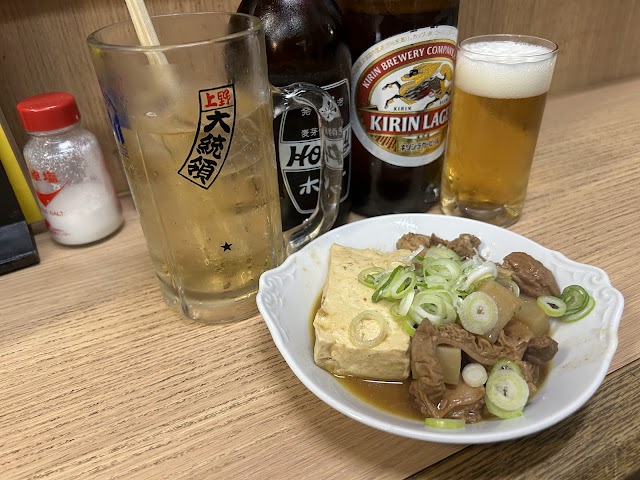
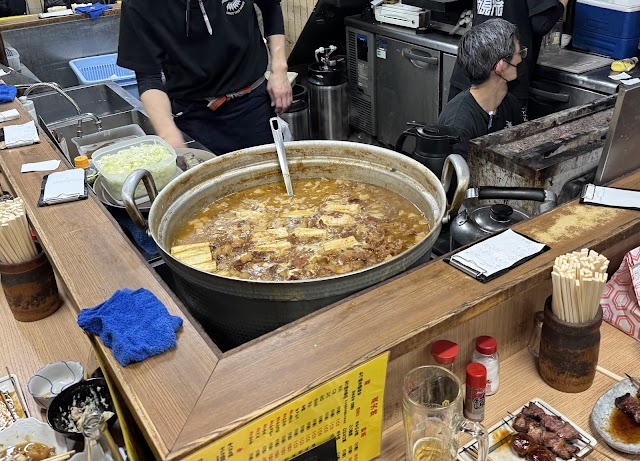
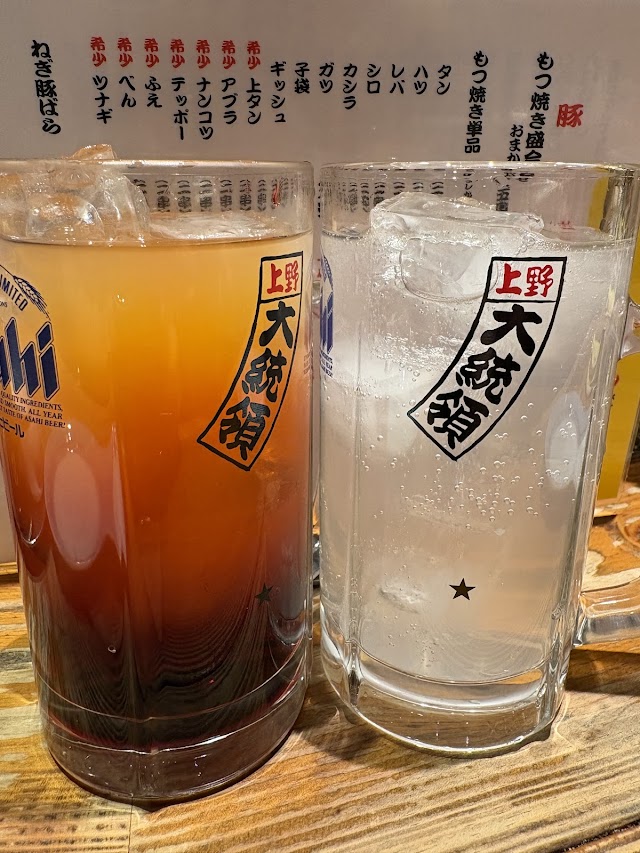
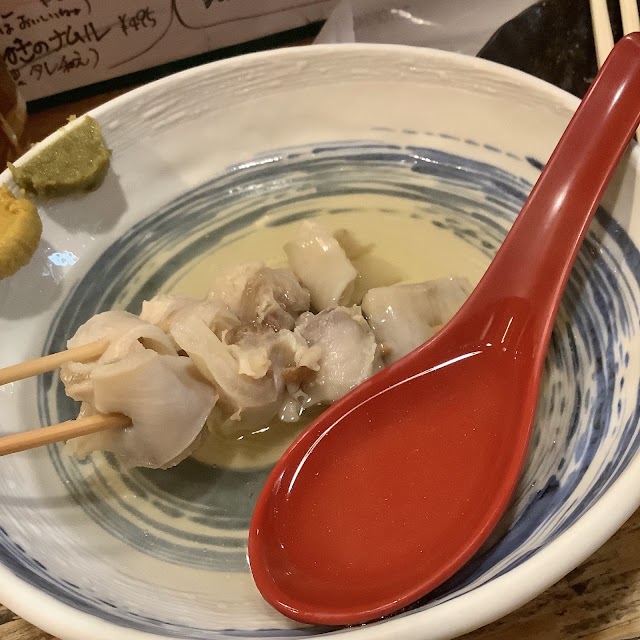
First generation, the postwar black-market alleys. Shinjuku's Omoide Yokocho packs about 80 shops into a lane born as an open-air market after the war. Kikuya, grilling since 1956, pairs its topped-up tare with a house-blend chuhai you can drink nowhere else—the standard first stop. Kabuto is that rare thing, an eel-skewer specialist over binchotan charcoal; first-timers order the 'hitotori' set of seven sticks to run through liver, fin and the rest, with a ume-spiked Kinmiya shochu. Finish at Kameya (since 1971) with its original chilled tempura-and-egg soba—a soft-boiled egg slipping into cold noodles for pocket change, the local way to end the night. Under the tracks between Ueno and Okachimachi, Daitoryo has poured since 1950: horse-offal stew unchanged since opening, skewers from 90 yen, drinking from midday, trains thundering overhead—the definitive gado-shita experience. In Kichijoji, Harmonica Yokocho, another late-1940s black-market child of nearly 100 shops, keeps its best seats deep inside: Sasanoha (since 1974) simmers two days' worth of beef-tendon daikon in one great pot.
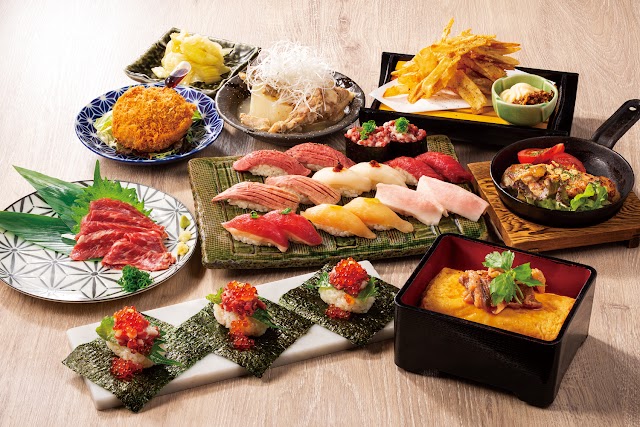
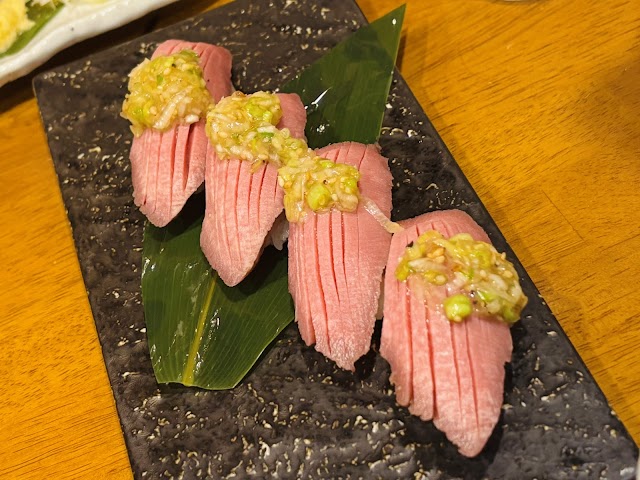
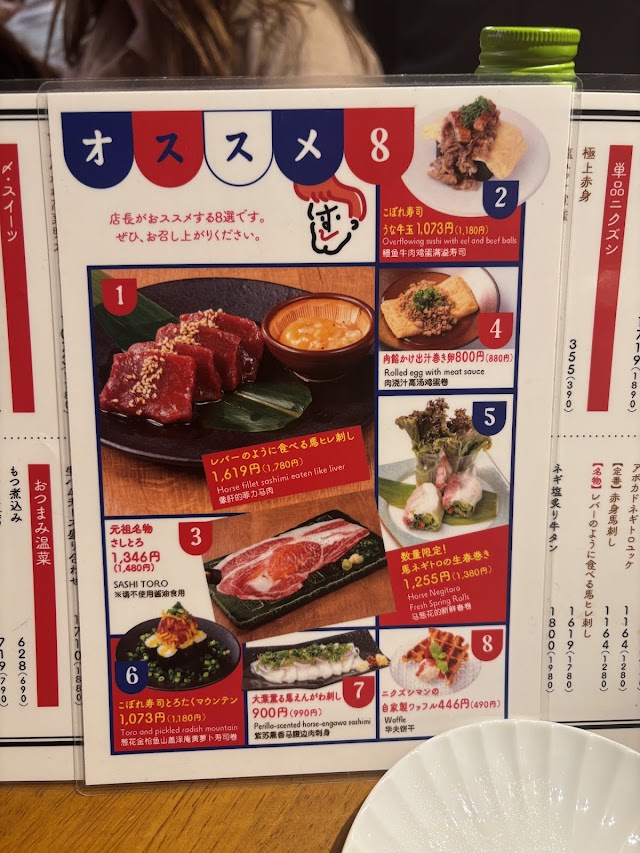
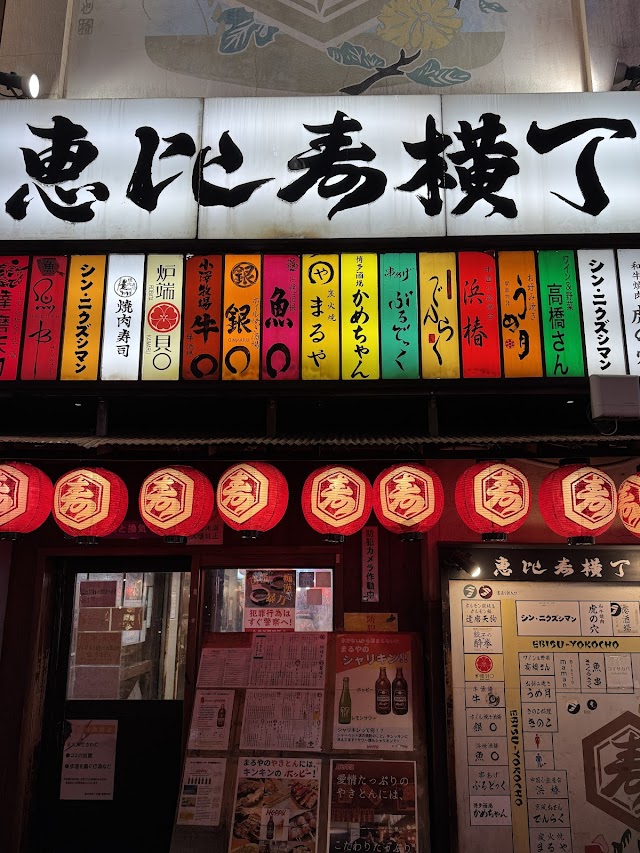
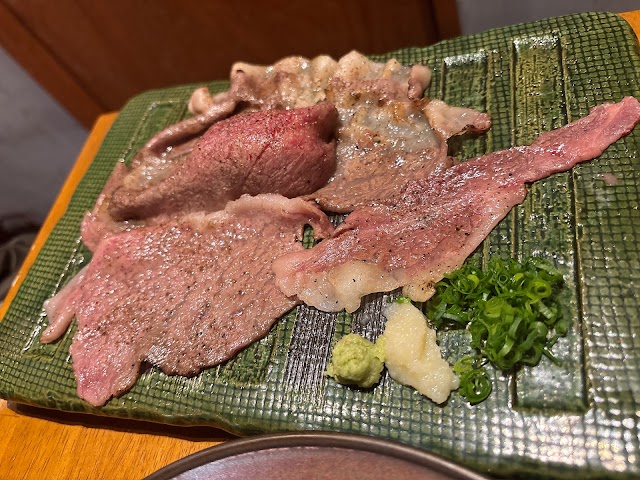
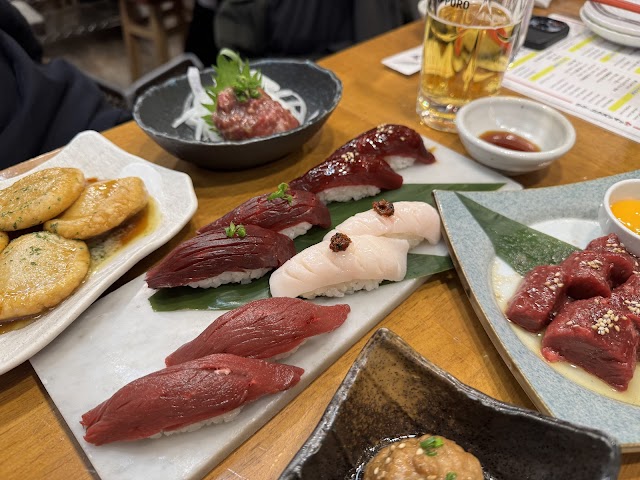
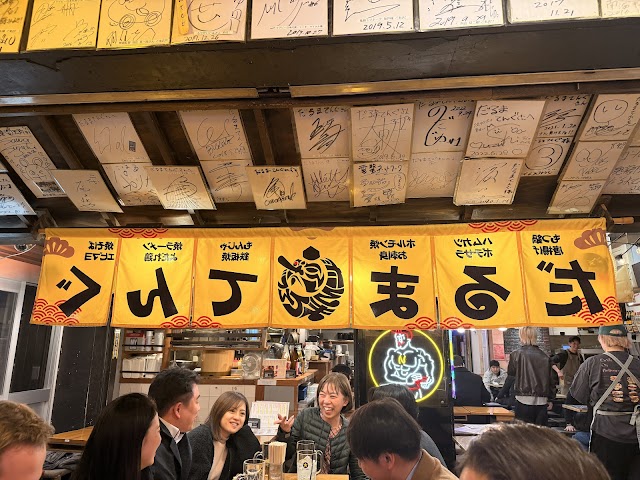
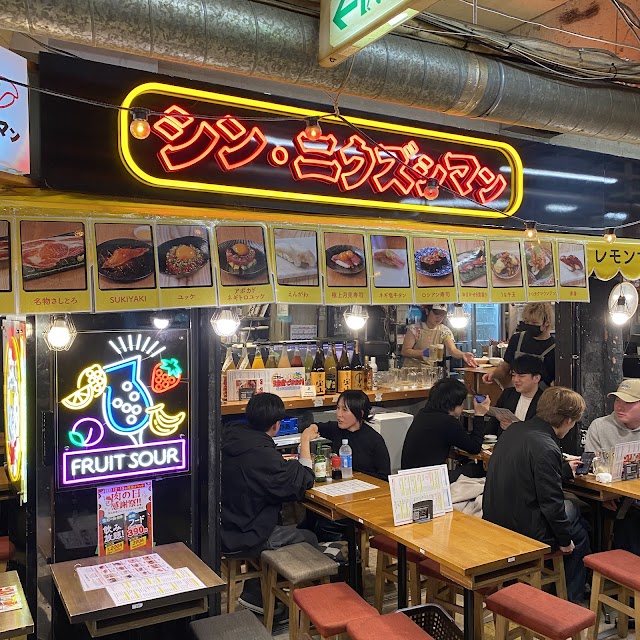
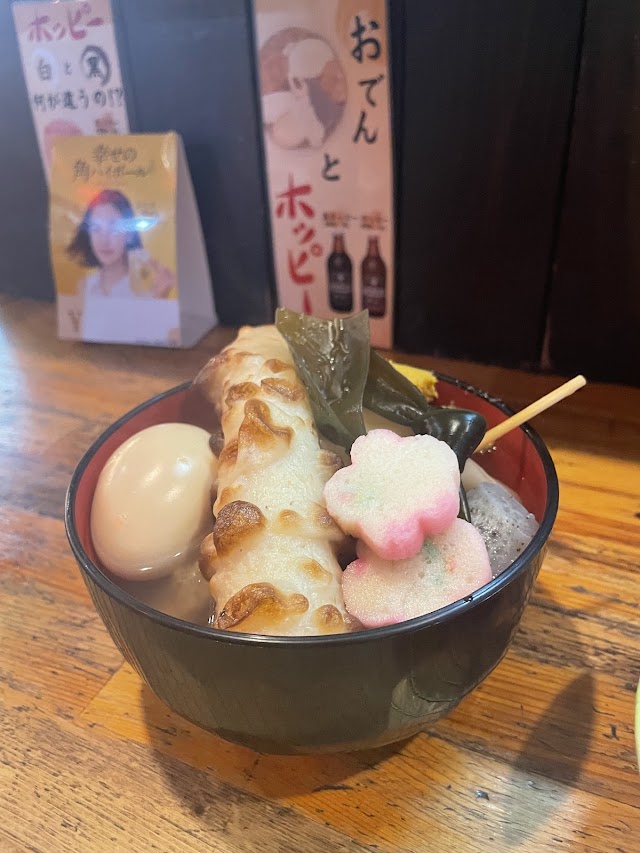
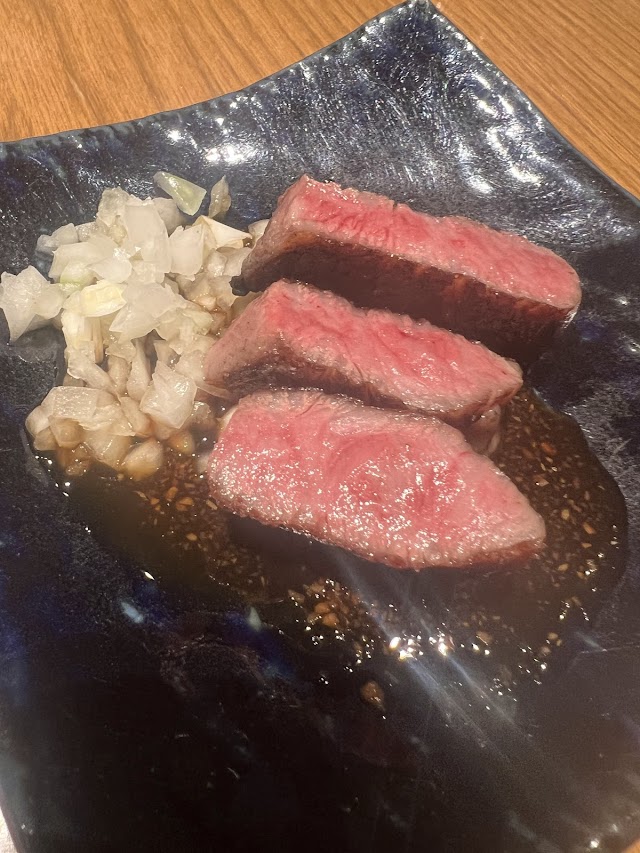
Second generation, the Heisei revival. In 2008 a defunct public market became Ebisu Yokocho, twenty counters sharing one loud corridor. Nikuzushi, the alley's star, serves horse and wagyu as nigiri by the piece; no reservations, perpetually full, so go at opening. Hop next to Denraku for Kyoto-style oden, its pale dashi the perfect counterpoint to grilled smoke—eating oden in the air-conditioning in midsummer is a Japanese pleasure of its own.
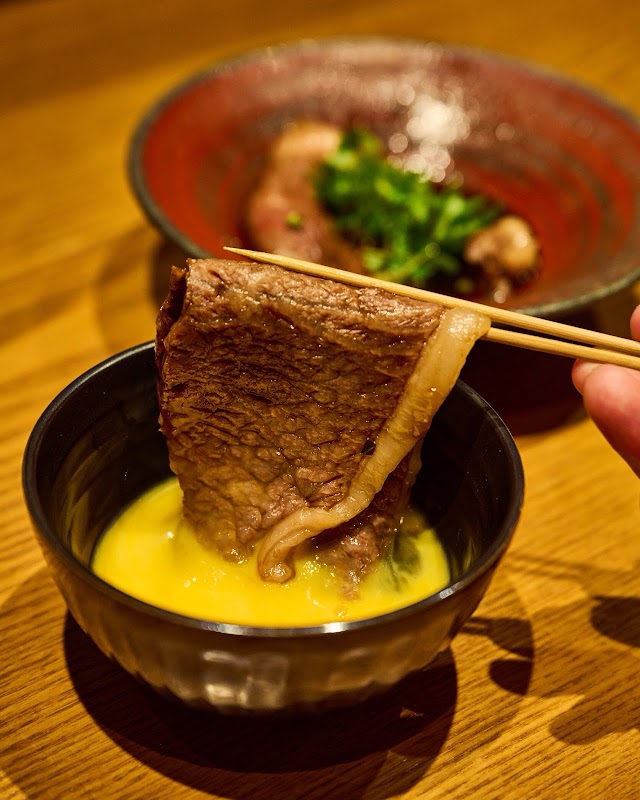
Third generation, the Reiwa neo-yokocho. Shibuya Yokocho runs 100 meters along MIYASHITA PARK's ground floor, regional soul food from Hokkaido to Okinawa mostly open late; Rikishi-meshi Yorozu serves the chanko a former wrestler actually ate in his ring days. Toranomon Yokocho, on the third floor of Toranomon Hills Business Tower, inverts the formula: 26 famous restaurants that almost never open branches, including Torishige—seventy years old in Shinjuku, nearly unbookable there—here taking a la carte orders. It is the most efficient back door into Tokyo's famous-restaurant list, at the highest prices of these nine (5,000-8,000 yen).
And the alleys are vanishing. Tateishi's Nonbe Yokocho, a sanctuary of cheap drinking, was demolished in 2023 for station redevelopment; its famous Edoyasu reopened in a new site only in January 2025. Original postwar yokocho disappear one redevelopment at a time—schedule the old ones first. (Sources: Shinjuku Tourism Association and Omoide Yokocho official site, Kikuya official site, Ebisu Yokocho and Hamakura-style official sites, GO TOKYO official guide, Ameyoko shopping street official site, Time Out Tokyo's neo-yokocho features, Nikkan SPA! and Inshokuten.com reporting on the Tateishi redevelopment, and Gogai-NET Katsushika on Edoyasu's revival.)
 Scan for map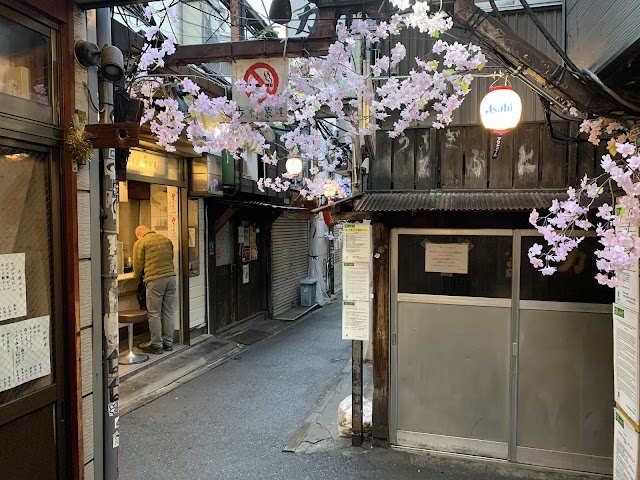
 Scan for map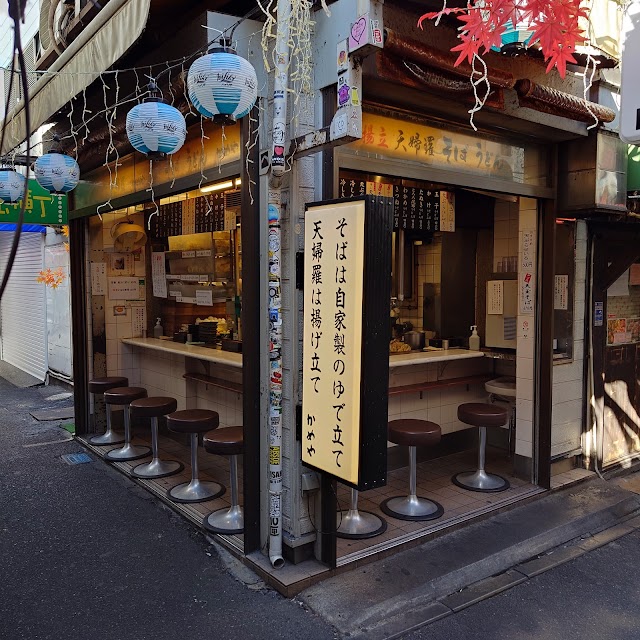
 Scan for map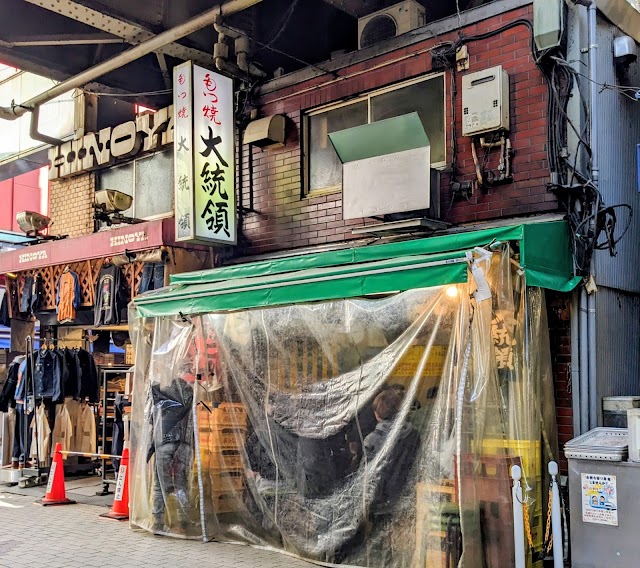
 Scan for map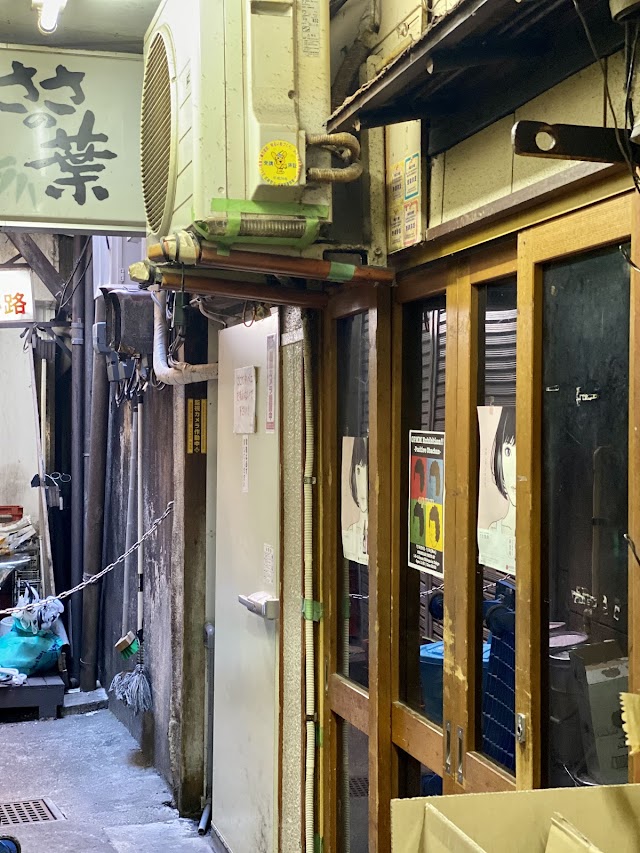
 Scan for map
 Scan for map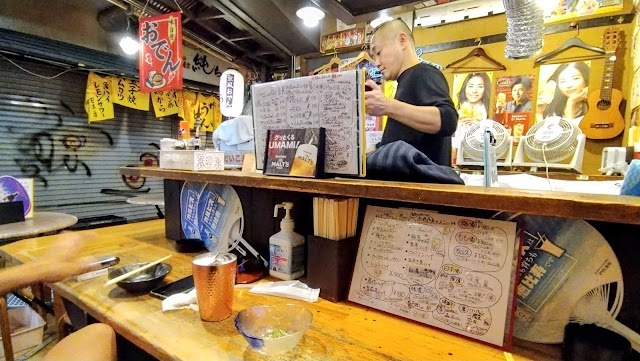
 Scan for map
 Scan for map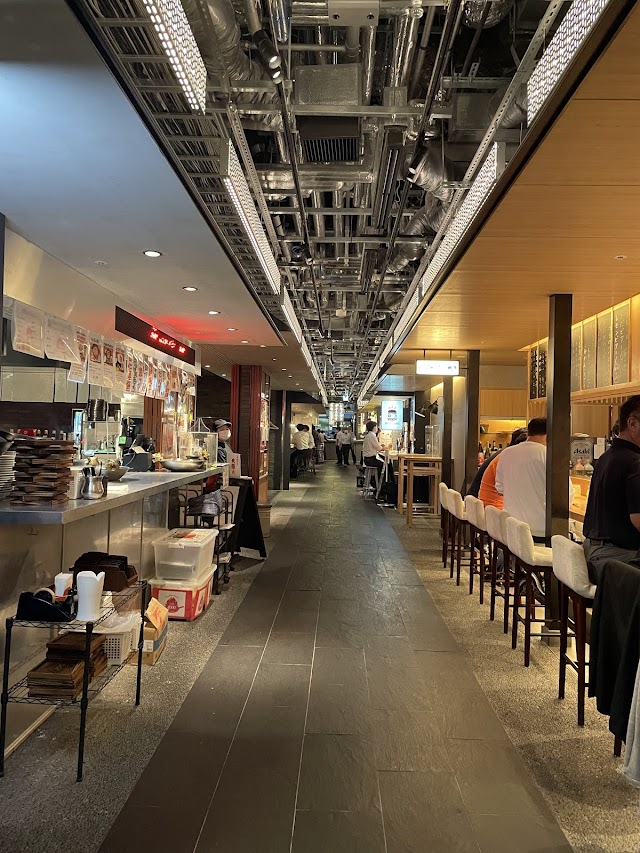
 Scan for map