Tokyo Late-Night Shokudo 2026: Nine Places That Feed You After the Last Train
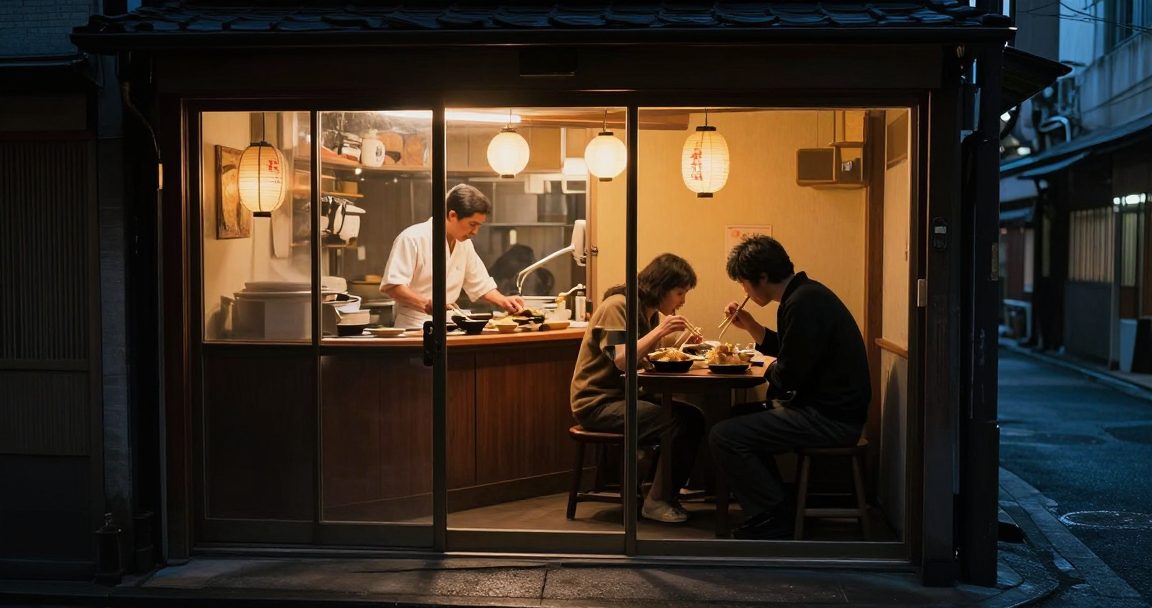
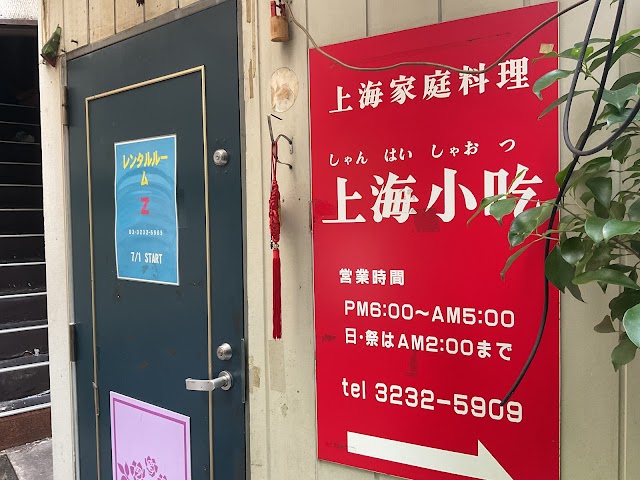
- Three tracks: entertainment-district legends (Tsurukame 1956, Shanghai Xiaochi until 5 a.m., Choraku Shibuya), craftsman late-night teishoku (Osaka Sangenjaya, Hanare Ebisu, Asagaya's stamina bowl), and the 24-hour safety net (Shinpachi, Ichibankan, Kakekomi Gyoza)
- Tokyo's last trains leave around 12:00–12:30 a.m.; late-night dining clusters in nightlife districts and a few shokudo, so pre-mark a fallback near your route
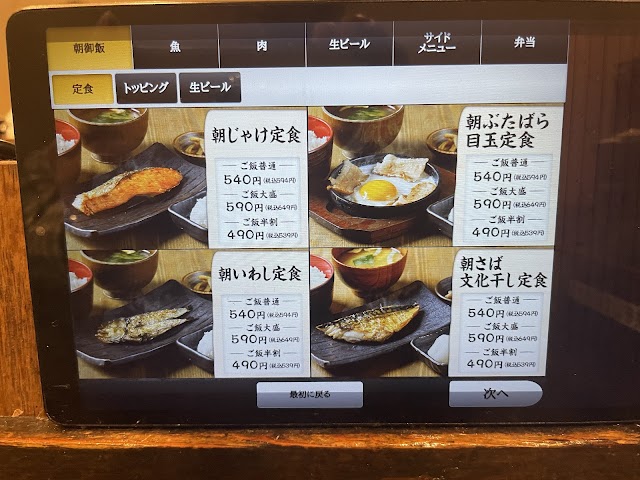
- Ordering basics: ticket machines and cash dominate; last order usually lands around 2 a.m. at shops marked 'until 3:00'; posted late-night surcharges of about 10% are standard practice
- Post-pandemic Tokyo lost much of its 24-hour dining; the survivors are scarce assets worth memorizing
- Budget ¥1,000–2,500 at most picks; store cards carry daily-verified official Google data for phone, hours and closing days
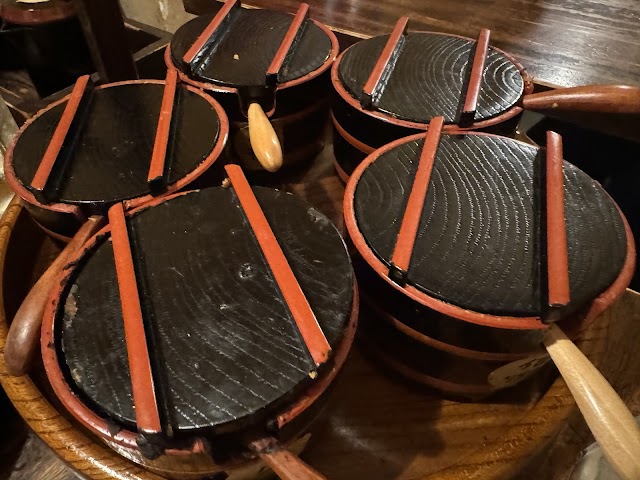
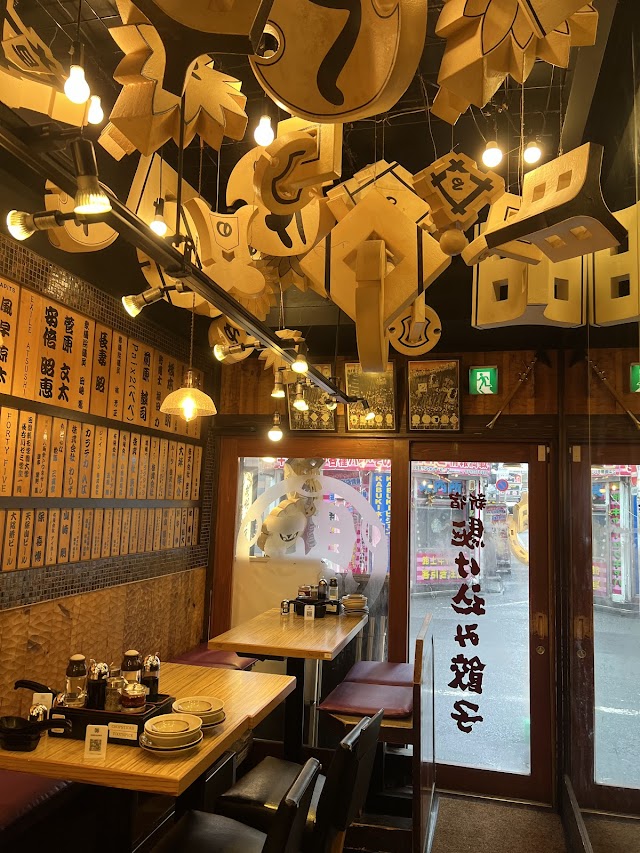
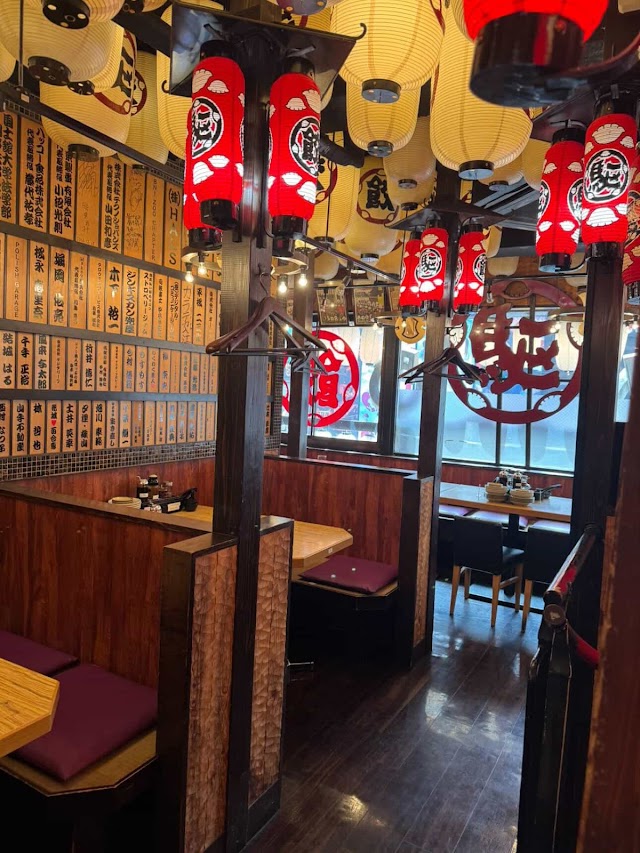
The manga Midnight Diner convinced the world that a tiny meshiya opens at midnight in a Shinjuku alley; the set was actually built in a Saitama warehouse. Tokyo's real late-night tables do exist, though, and they are more specialized than fiction: Shanghai home cooking until 5 a.m. in Kabukicho, a dried-fish teishoku counter in Sangenjaya that opens at 10 p.m. for night workers, and a handful of 24-hour shokudo. For visitors the point is itinerary design — Tokyo's last trains leave around half past midnight, earlier than Taipei's night winds down, so knowing two or three reliable late-night spots decides whether a missed train ends in a net café or over grilled fish and miso soup. Nine picks, three tracks: district legends, craftsman teishoku, and the 24-hour safety net. Expect ¥1,000–2,500 at most of them, ticket machines and cash first, and a roughly 10% late-night surcharge where posted.
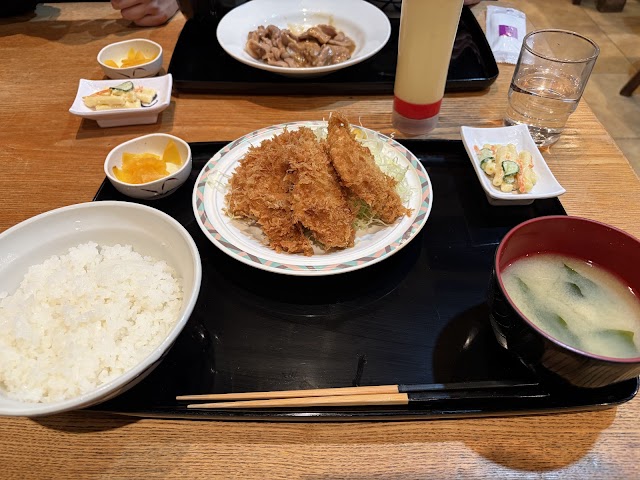
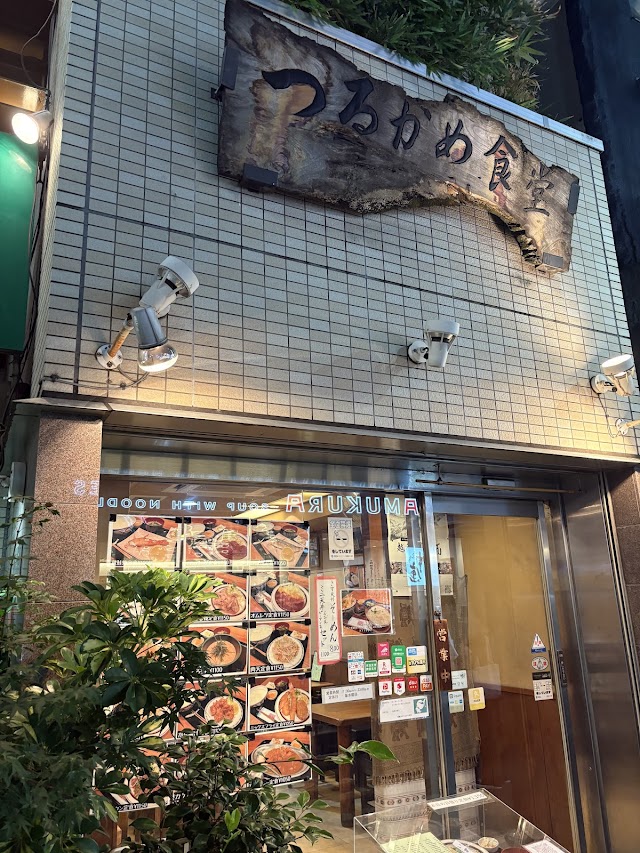
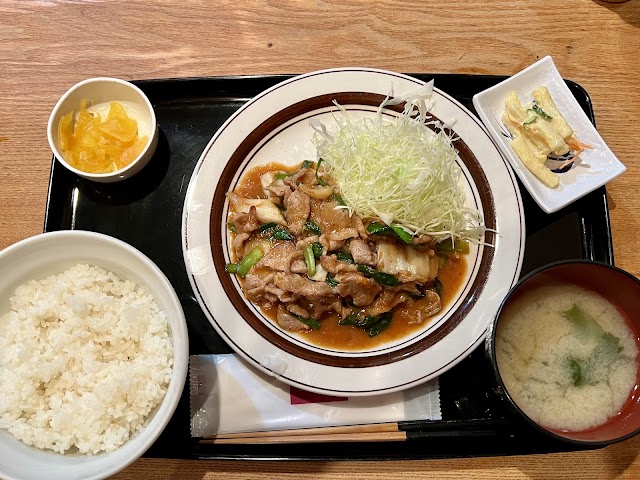
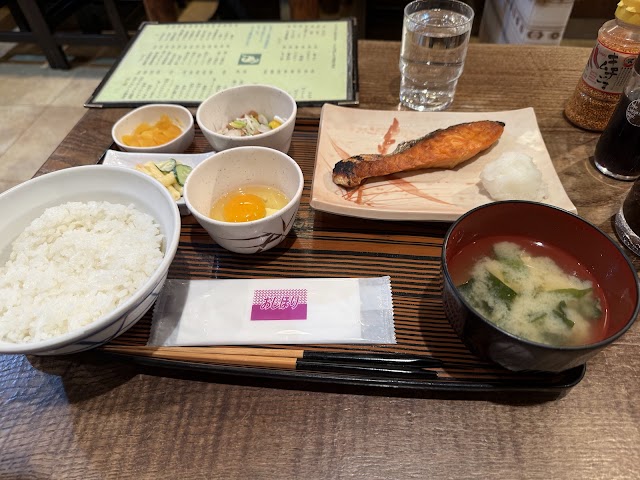
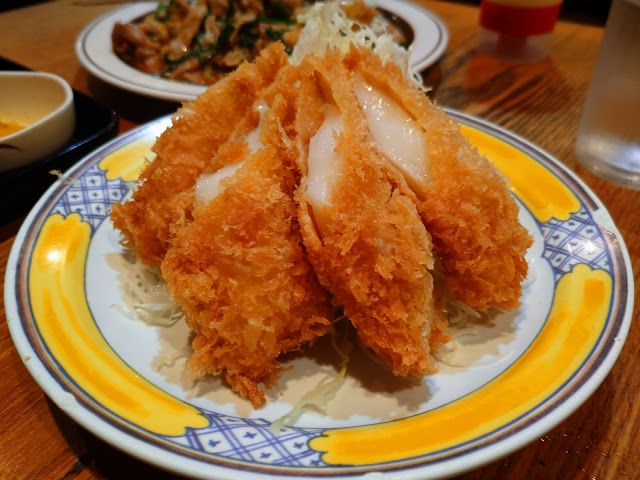
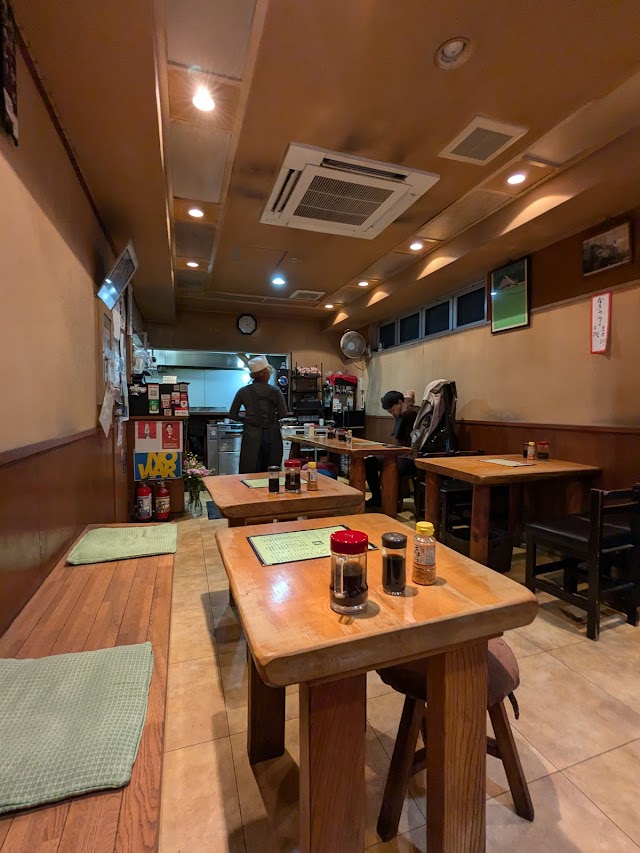
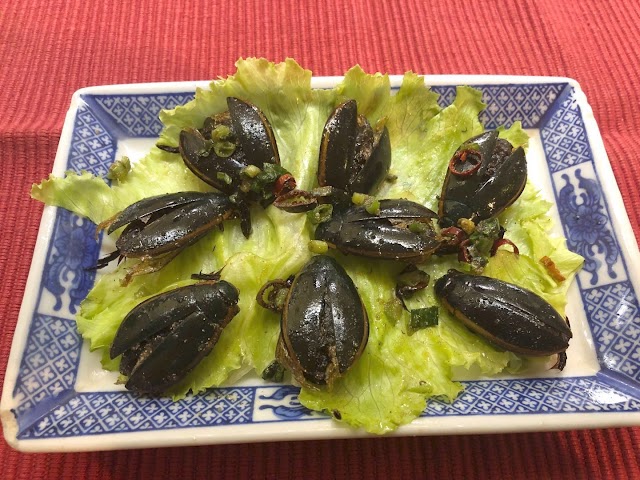
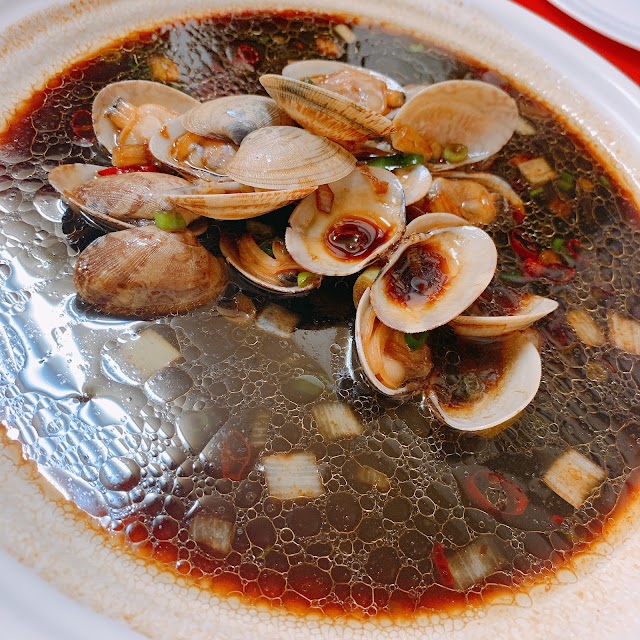
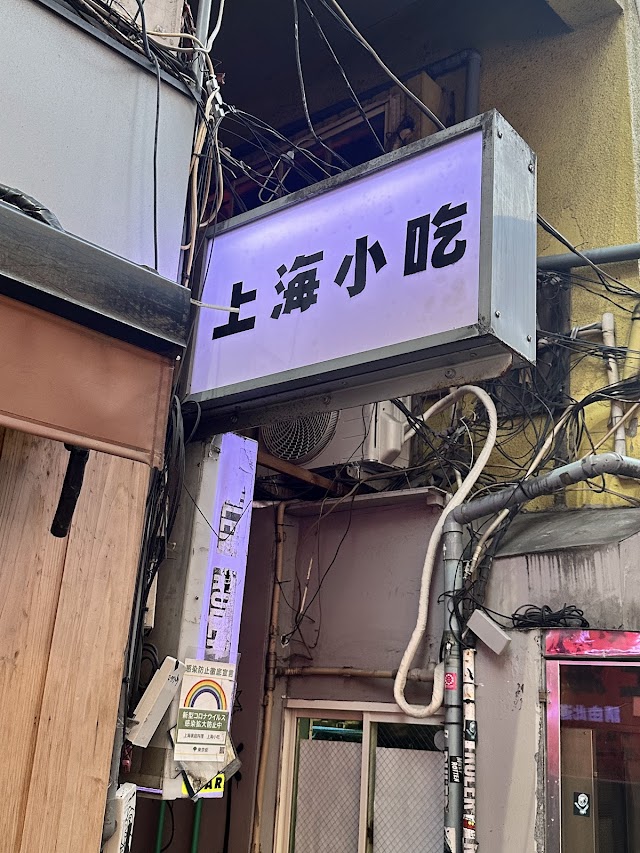
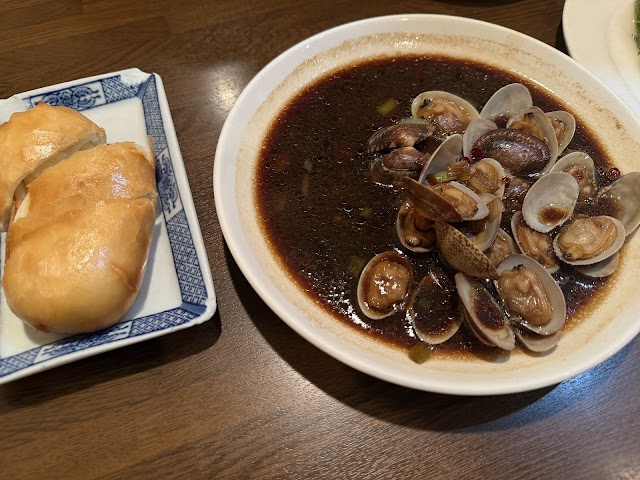
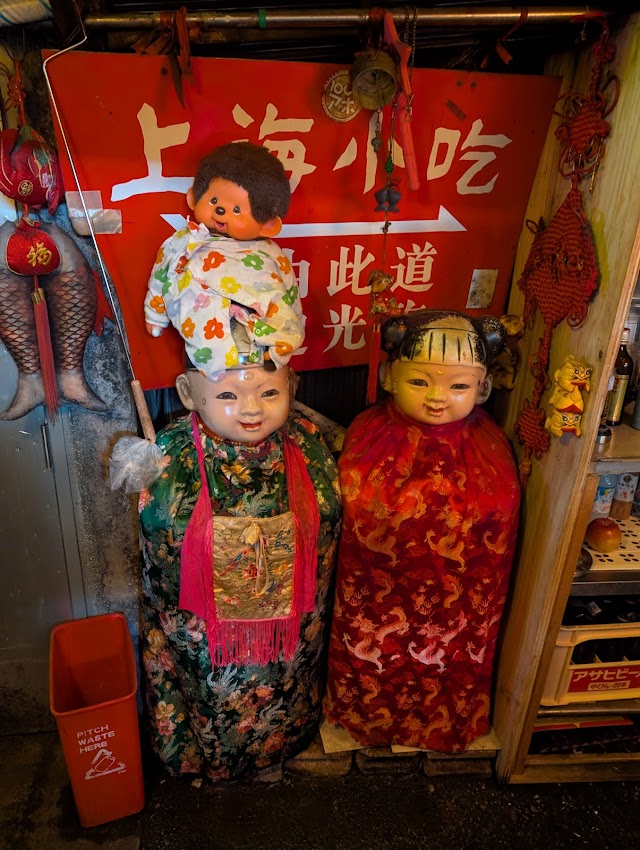
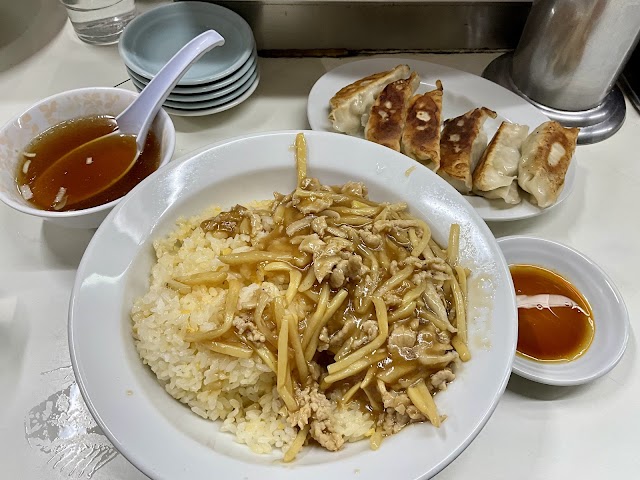
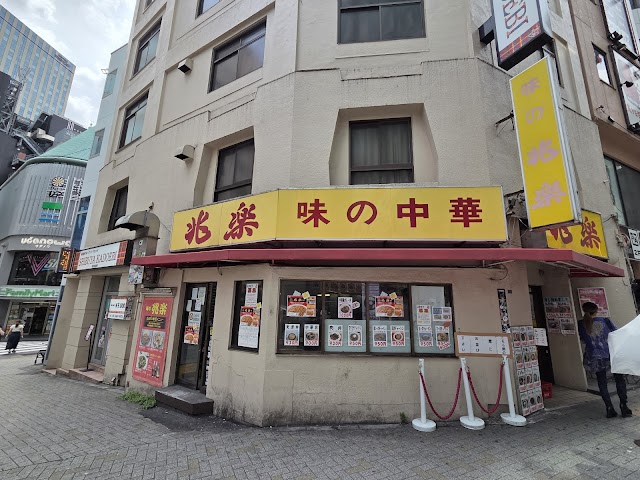
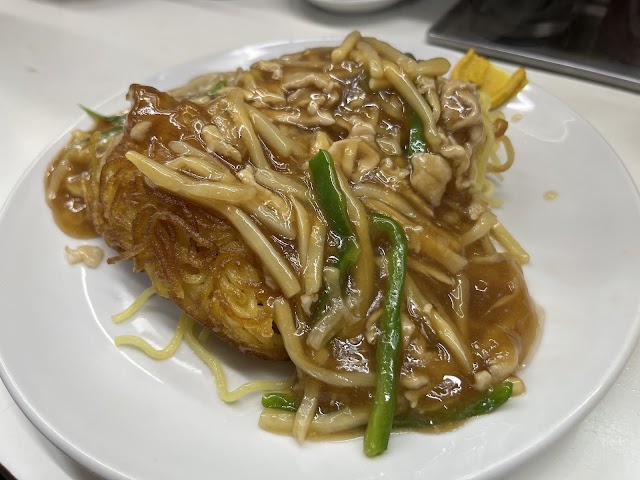
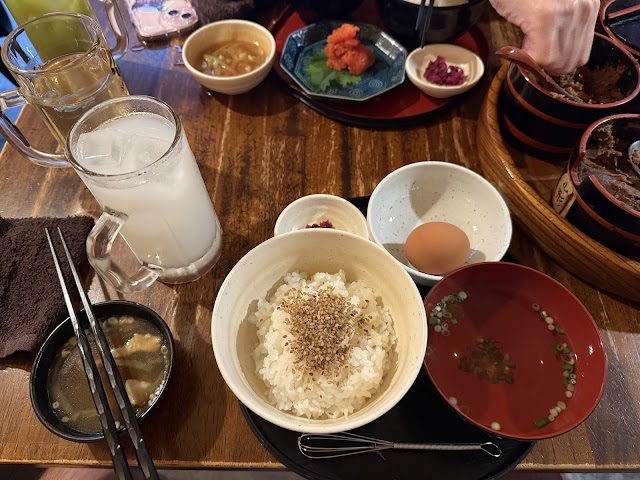
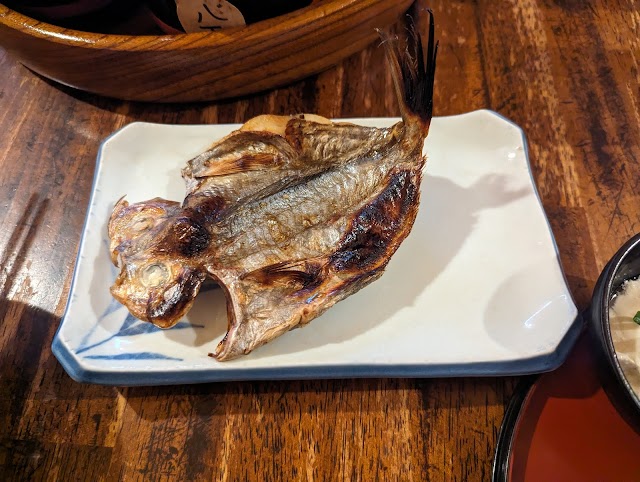
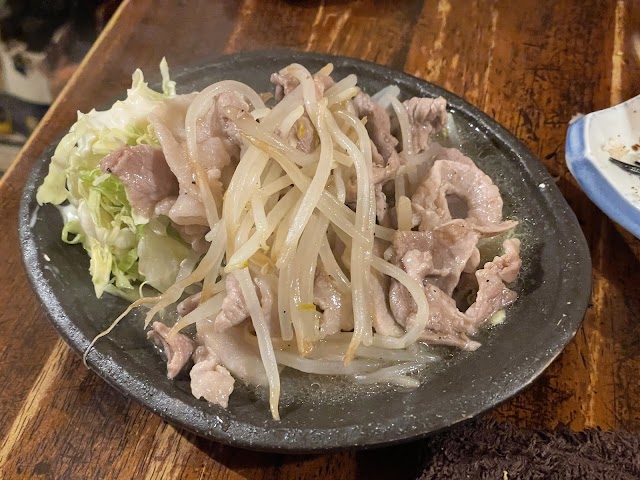
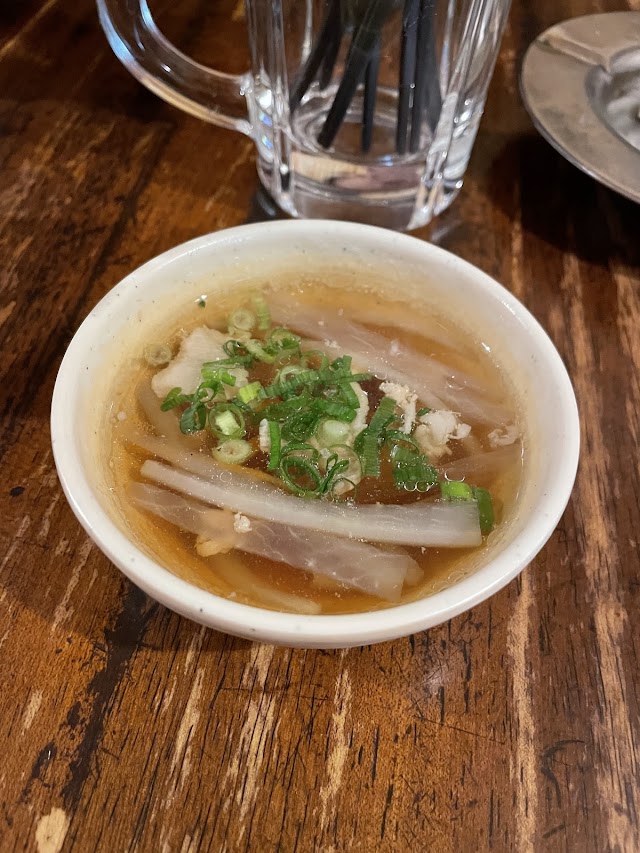
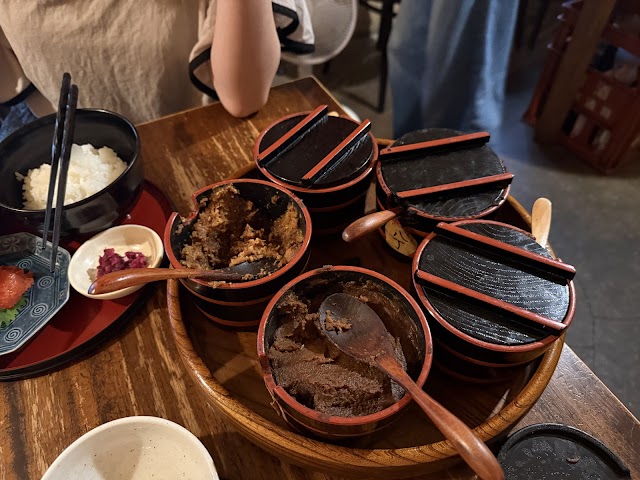
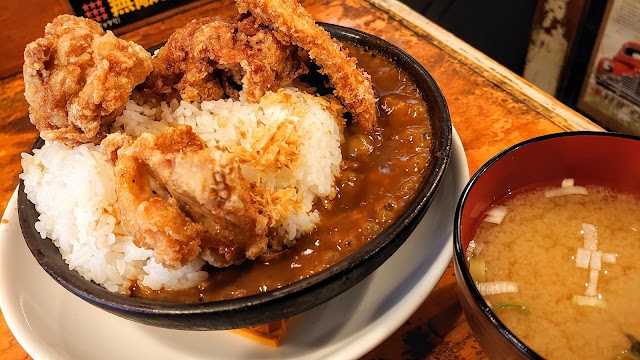
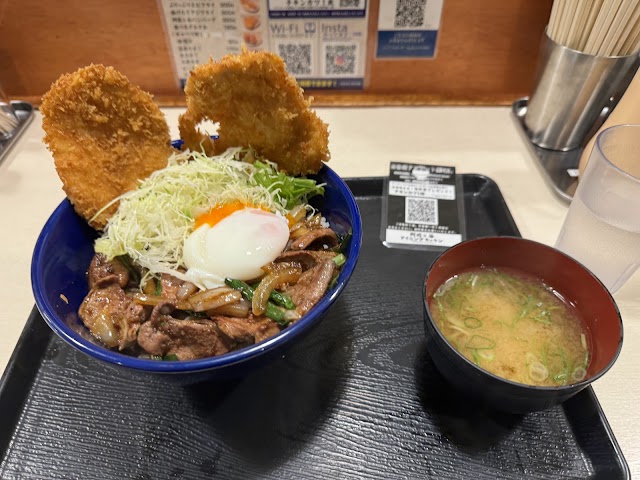
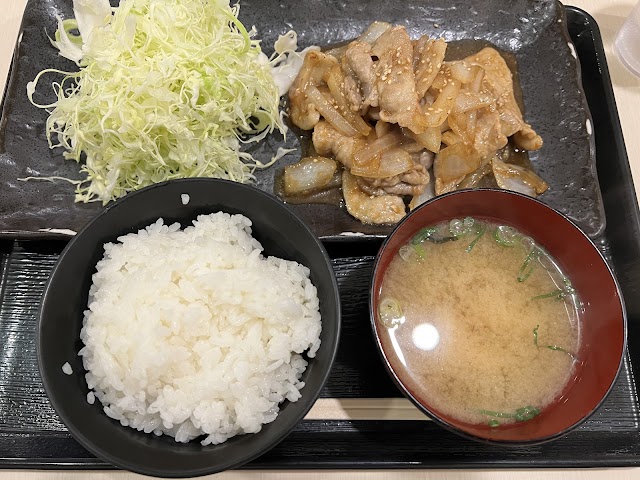
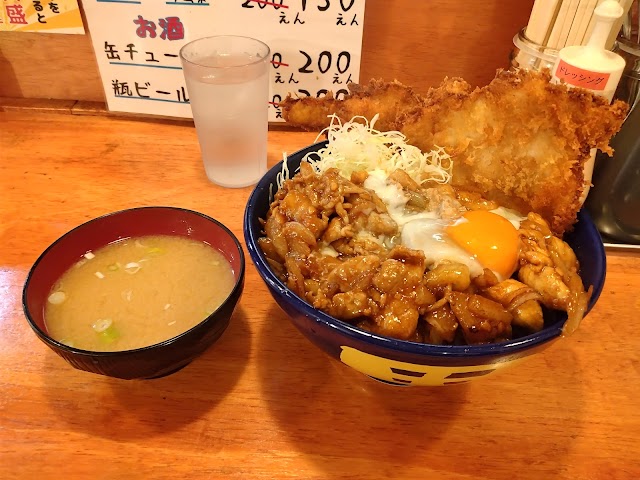
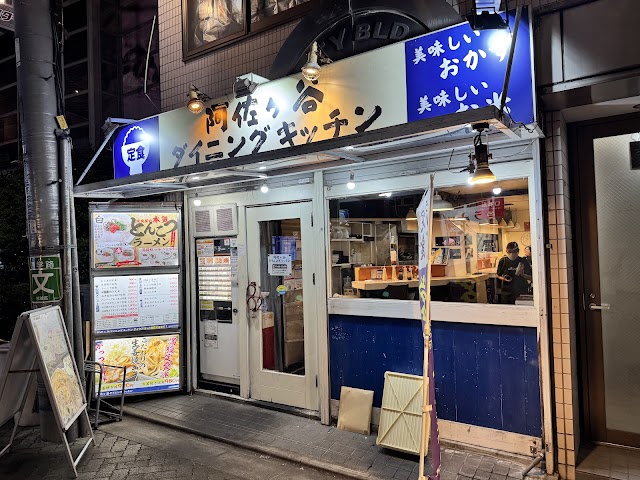
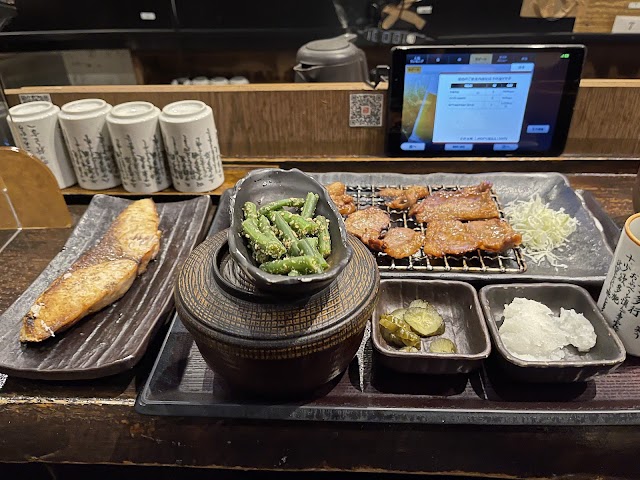
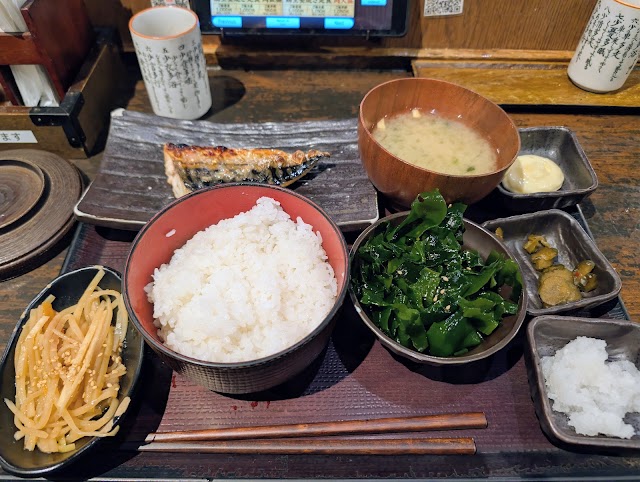
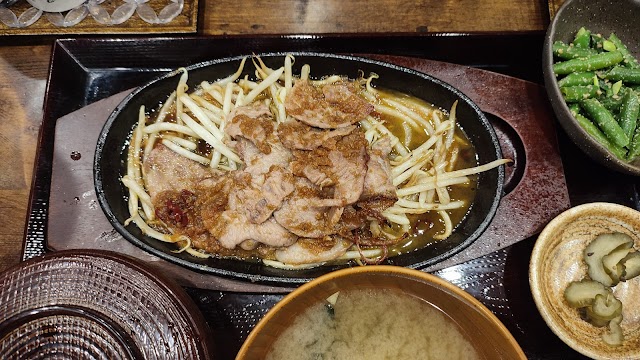
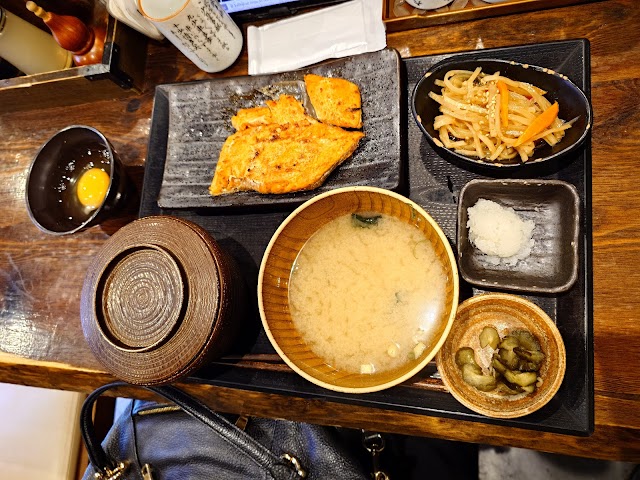
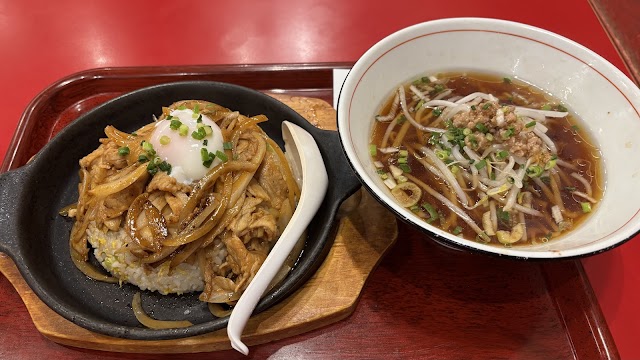
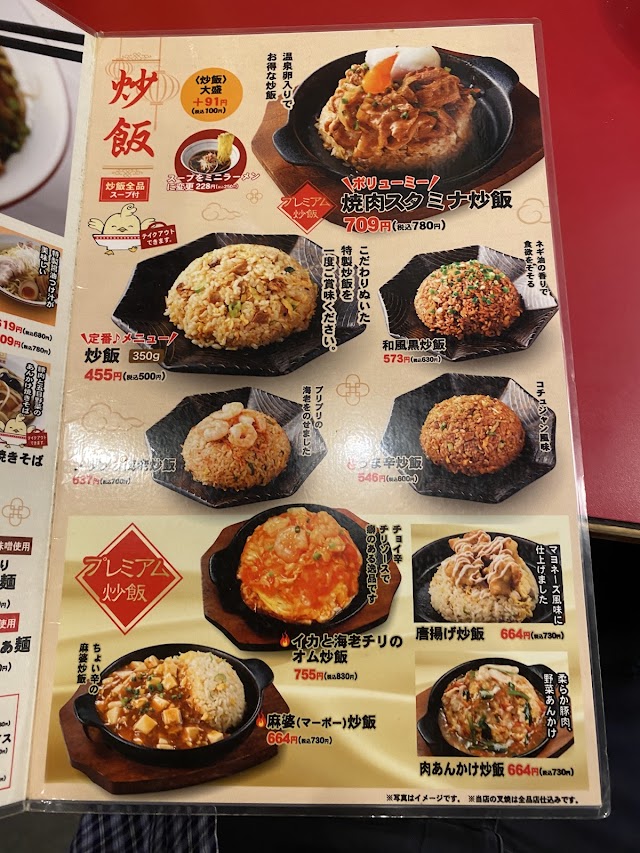
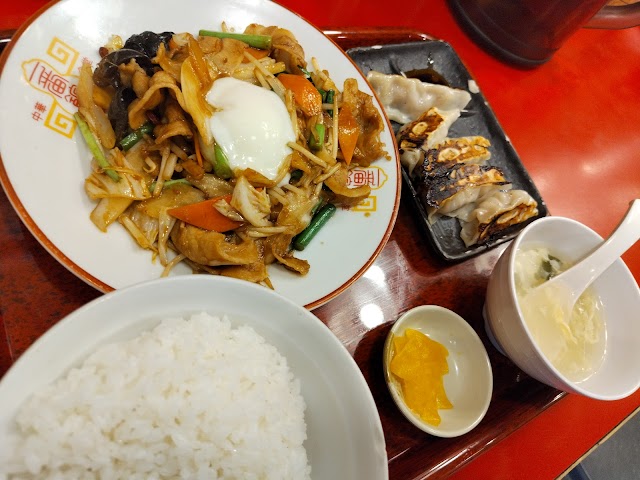
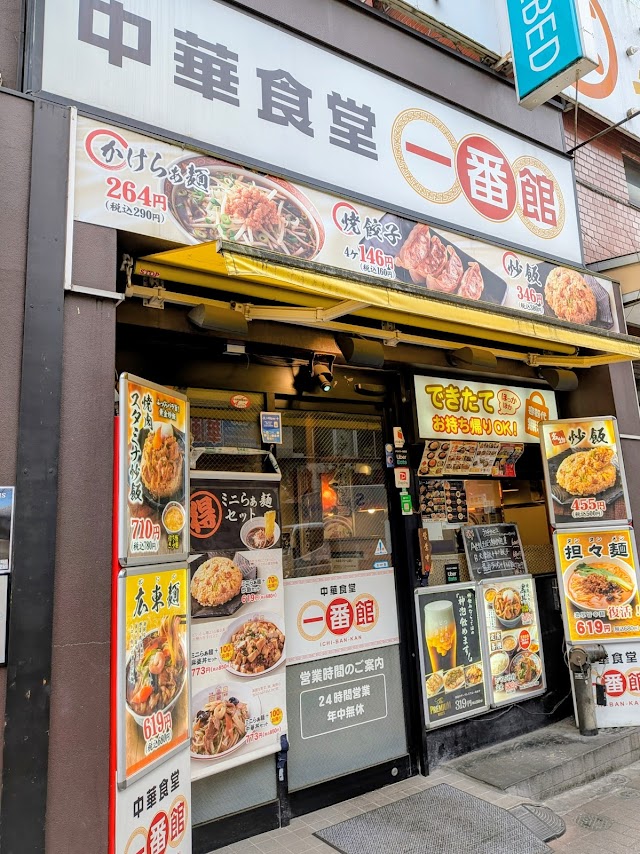
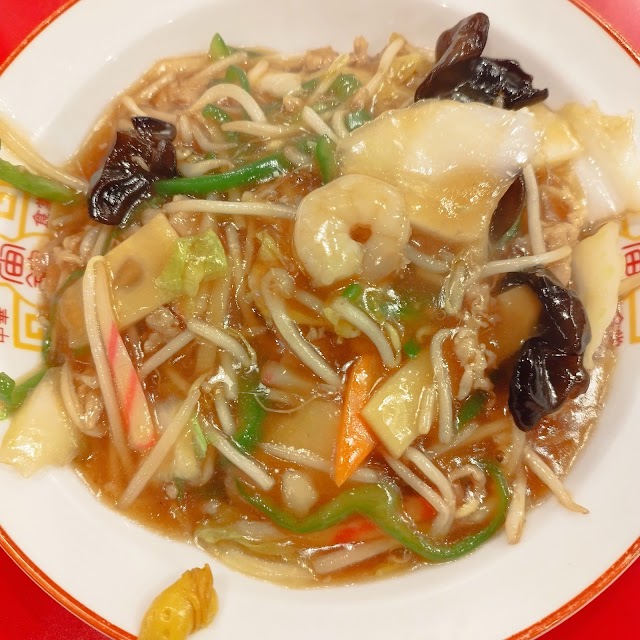
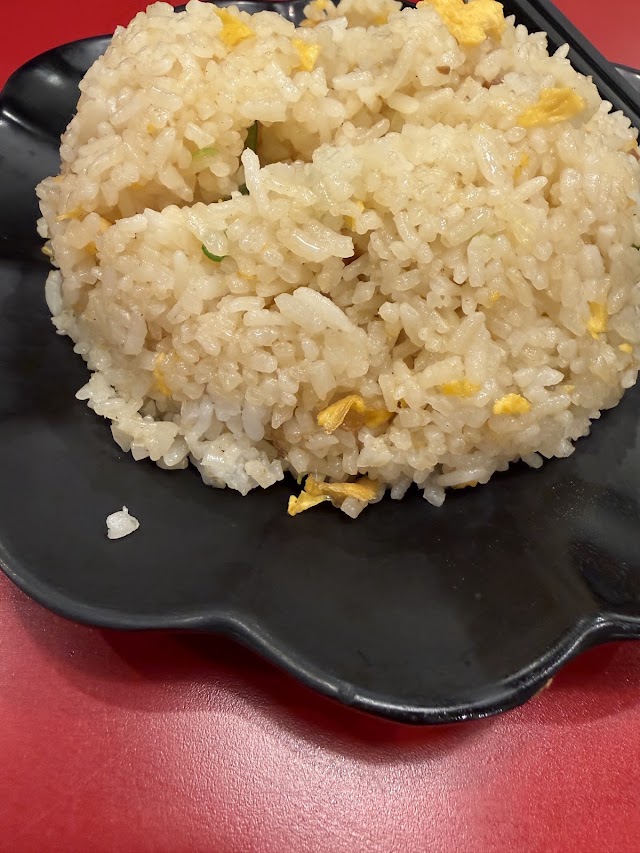
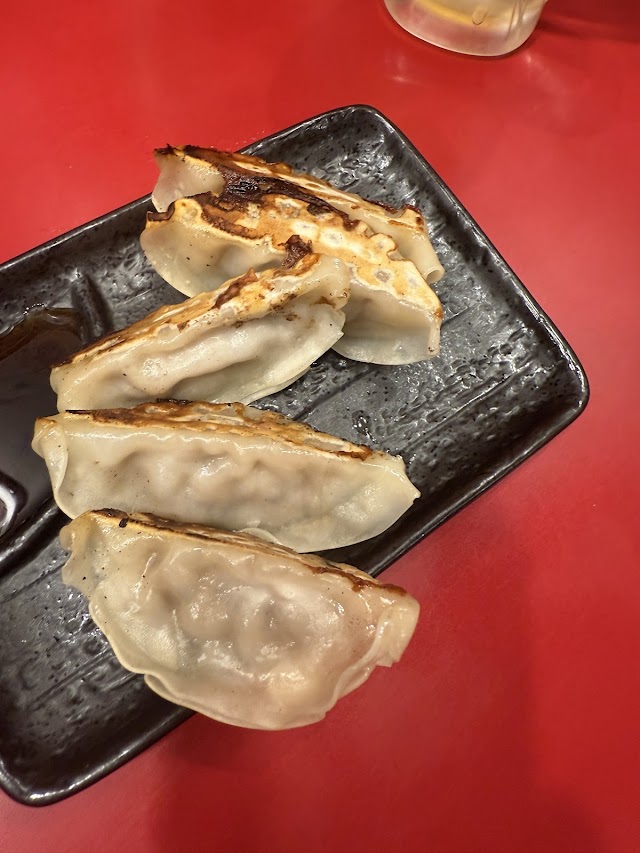
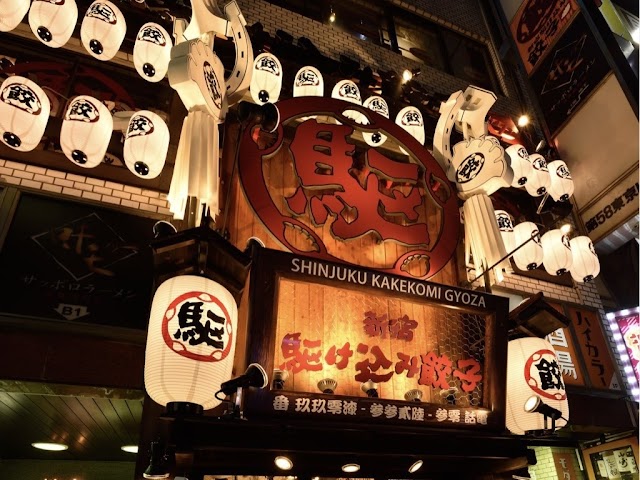
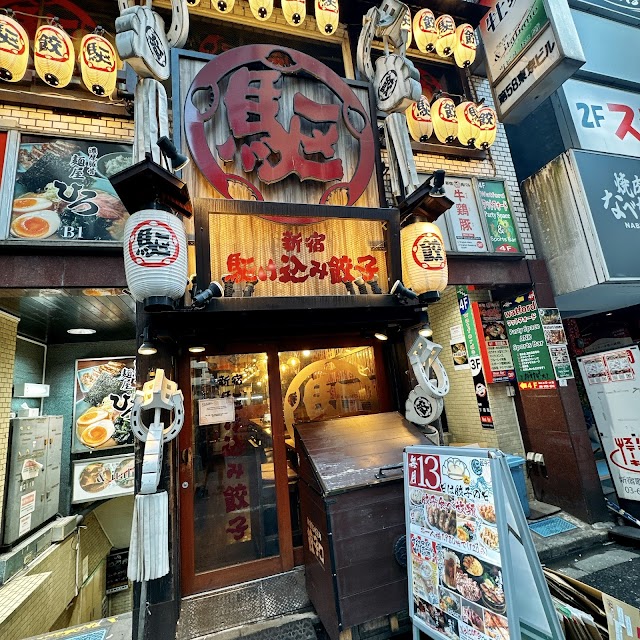
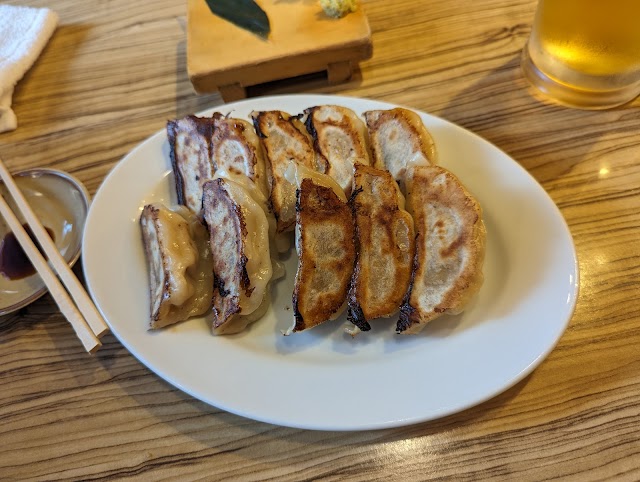
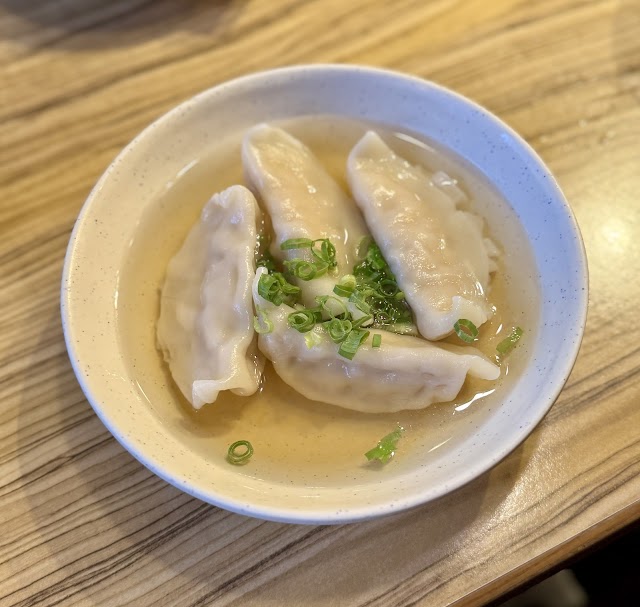
The midnight diner of Yaro Abe's manga — open from midnight to 7 a.m. in a Shinjuku back alley — does not actually exist; even the TV set was built in a warehouse in Saitama. But Tokyo does keep a real fleet of late-night shokudo, and for visitors they matter in a practical way: last trains leave around 12:00–12:30 a.m., and once you miss yours, a proper hot meal beats waiting in a net café. This guide lines up nine places along three tracks. Track one, the legends of the entertainment districts: Tsurukame Shokudo has served homely teishoku in the middle of Kabukicho since 1956; Shanghai Xiaochi hides in a Kabukicho alley and cooks a hundred-dish Shanghai home menu until 5 a.m. on weekdays; Choraku in Shibuya ladles green-pepper pork sauce over fried rice as the district's classic last stop. Track two, craftsman-grade late-night teishoku: Shokudo Osaka in Sangenjaya opens at 10 p.m. and serves sun-dried fish from west Izu with a choice of five miso soups until noon the next day; Shinya Shokudo Hanare in Ebisu, run by the group behind French house Au Gamin de Tokio, attaches four obanzai side dishes to any main until 3 a.m.; Kitchen Otoko no Bangohan in Asagaya feeds the Chuo line with its stamina rice bowl. Track three, the 24-hour safety net: Shinpachi Shokudo grills dried fish over charcoal for about a thousand yen at any hour in Shinjuku; Chuka Shokudo Ichibankan in Shin-Okubo runs around the clock and still fills up at 2 a.m.; Kakekomi Gyoza in Kabukicho never closes, 365 days a year. One structural note: Tokyo's 24-hour dining shrank sharply after the pandemic, so the survivors are scarce assets — memorizing two or three of them is cheap insurance for any late itinerary. Prices mostly sit between ¥1,000 and ¥2,500. Store cards below carry official Google data — phone, hours, closing days and ratings are verified daily.
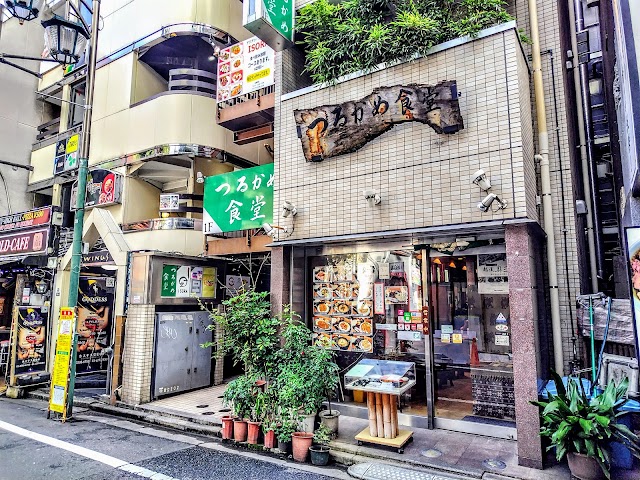
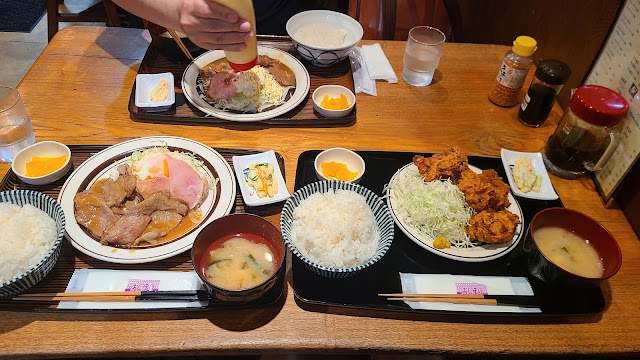
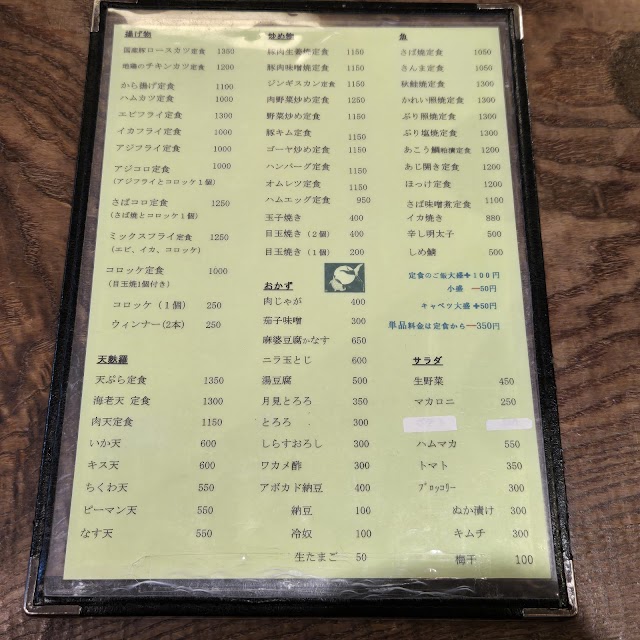
 Scan for map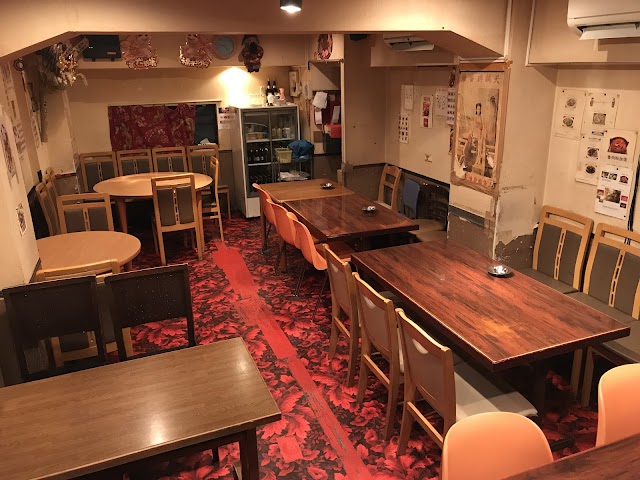
 Scan for map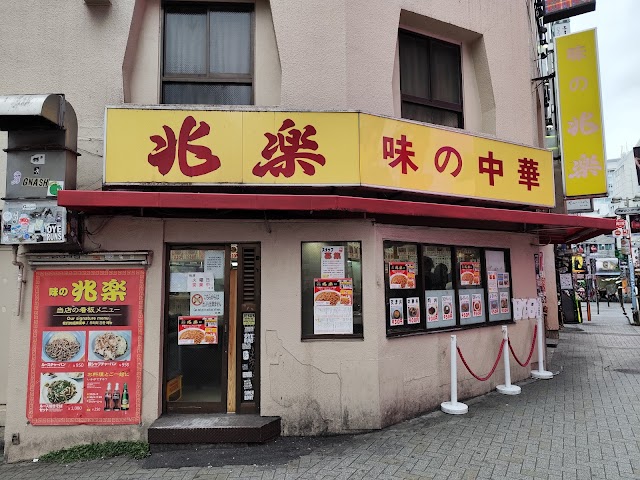
 Scan for map
 Scan for map
 Scan for map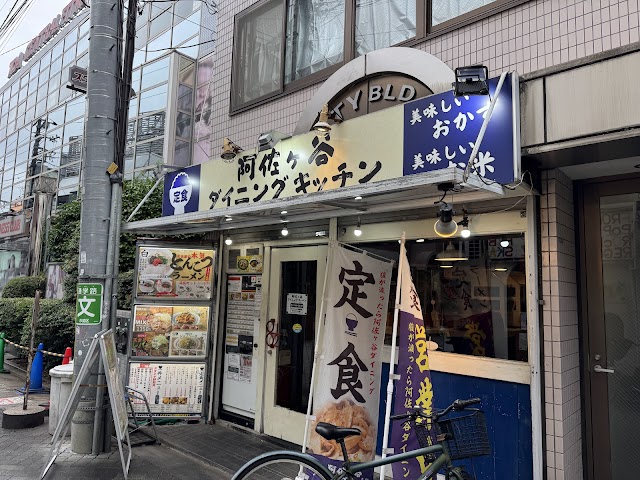
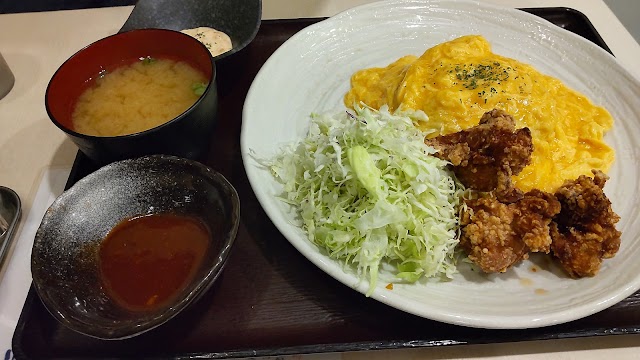
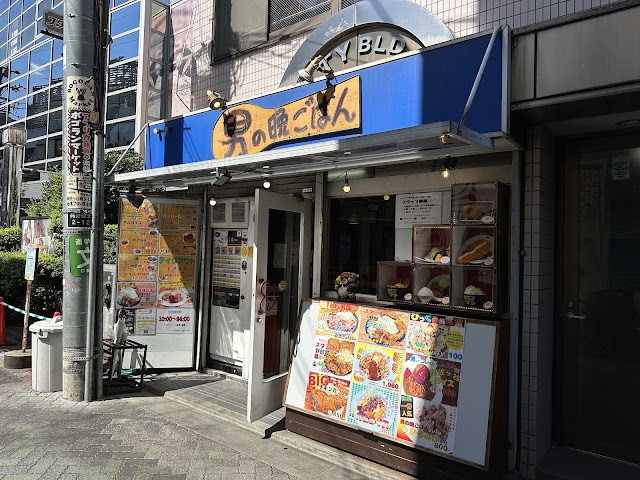
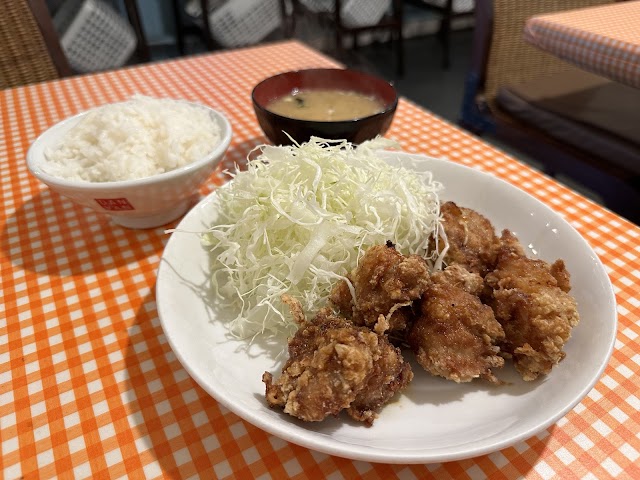
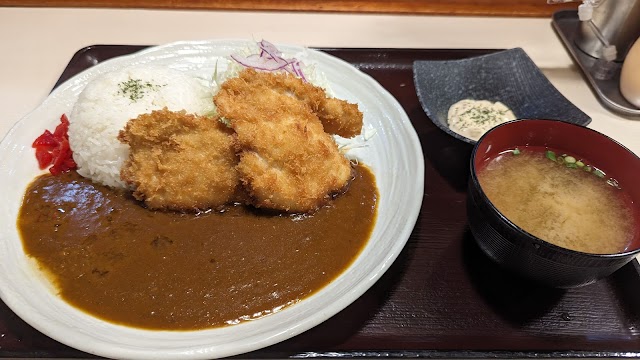
 Scan for map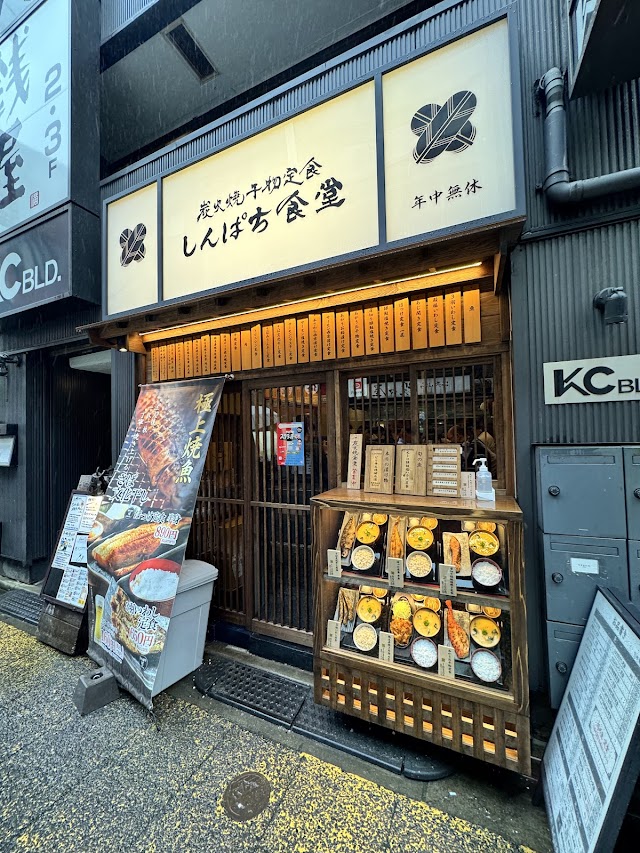
 Scan for map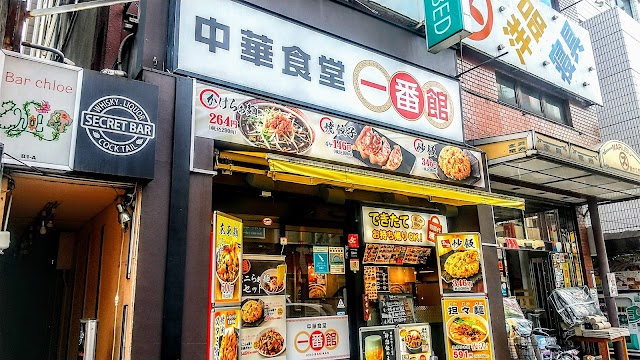
 Scan for map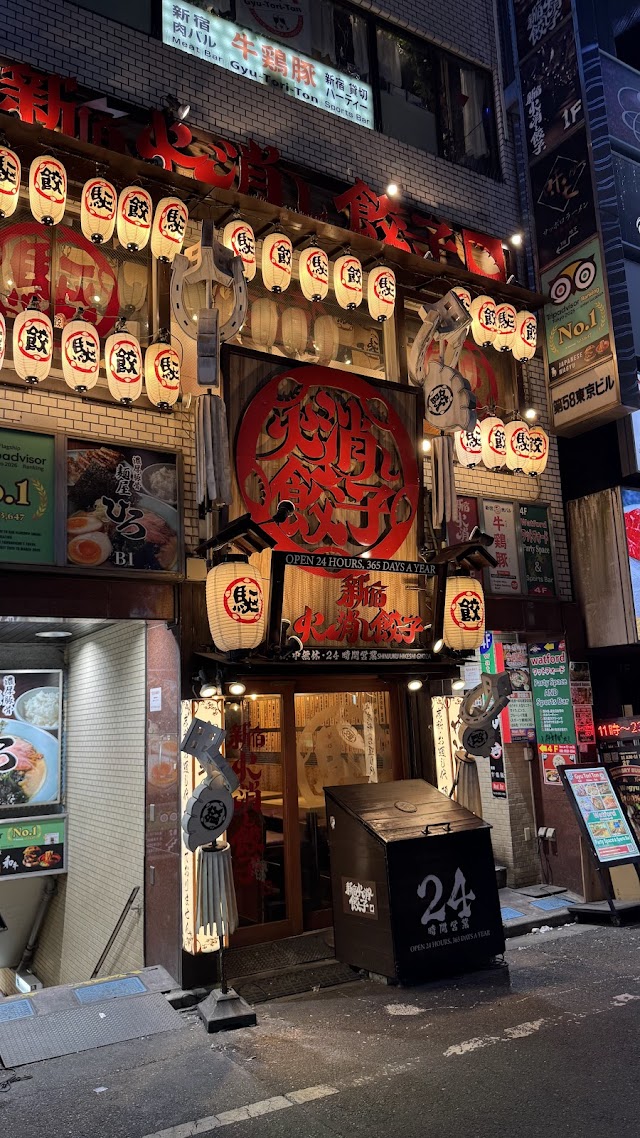
 Scan for map