Ten-Year Standoff Ends: Shizuoka Governor to Approve Maglev Construction in the Prefecture
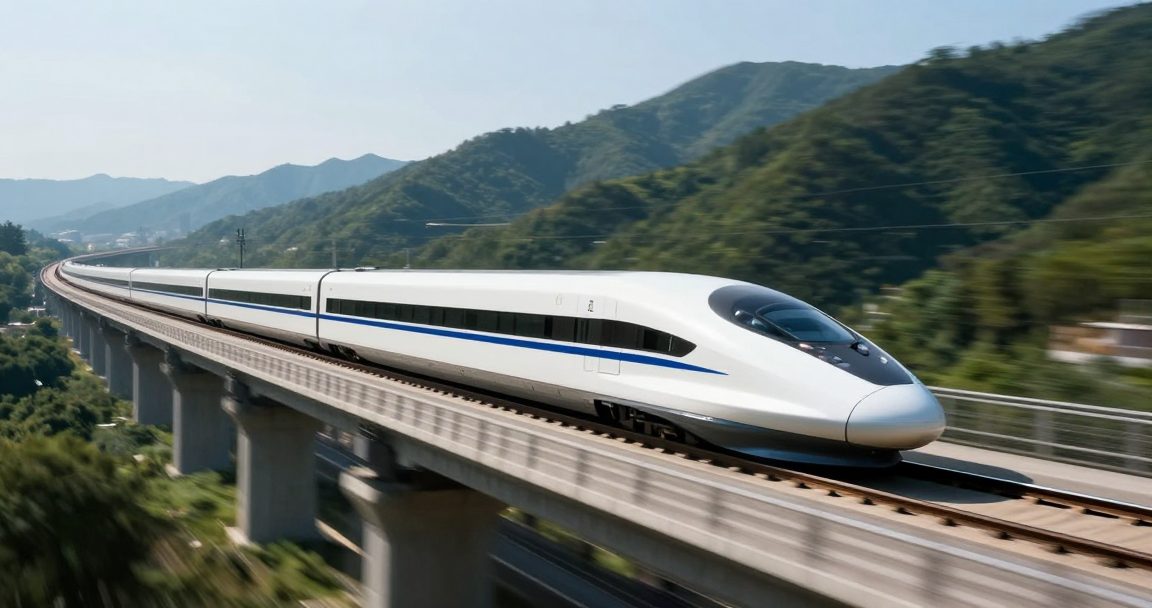
- Shizuoka Governor Suzuki has decided to accept maglev construction within the prefecture
- On July 7 he is set to announce an environmental conservation pact with JR Tokai
- The pact is the precondition for starting work stalled ~10 years over Oi River water concerns
- The Tokyo-Nagoya line, once targeted for 2027, is now slated for 2034 or later
- Property along the route, Tokaido Shinkansen capacity and tourism flows all reprice
Japan's most famous infrastructure deadlock is breaking. Shizuoka Governor Suzuki has decided to accept construction of the Chuo Shinkansen maglev in his prefecture and will announce plans to sign a nature-conservation agreement with JR Tokai on July 7—the precondition for starting the stalled section.
The backstory: the 500km/h maglev will link Shinagawa and Nagoya in about 40 minutes, but an 8.9km stretch under the Southern Alps was frozen for roughly a decade after former governor Kawakatsu objected over Oi River water resources, pushing the 2027 opening target to 2034 or later.
Three layers matter for readers. Property: a 40-minute Shinagawa commute zone will reach Hashimoto, Iida and Nakatsugawa—every past shinkansen opening triggered station-area repricing, though this is a decade-scale story, not a trade. Capacity: diverting business traffic frees Tokaido Shinkansen slots for tourism, improving access to mid-route cities like Shizuoka and Hamamatsu, with knock-on effects for lodging investment. Risk: the pact doesn't tunnel through the Alps—geology, water-monitoring clauses and financing costs in a 2.8% rate world can still slow things.
Watch the pact's compensation terms, JR Tokai's updated timeline, and land prices around Hashimoto and Iida—the most honest scoreboard for this news.