Tokyo Solo Dining 2026: Nine Places From a 600-Yen Tendon and the Original One-Grill-Per-Seat Yakiniku to 130-Yen Standing-Bar Plates — a Difficulty Ladder for Eating Alone
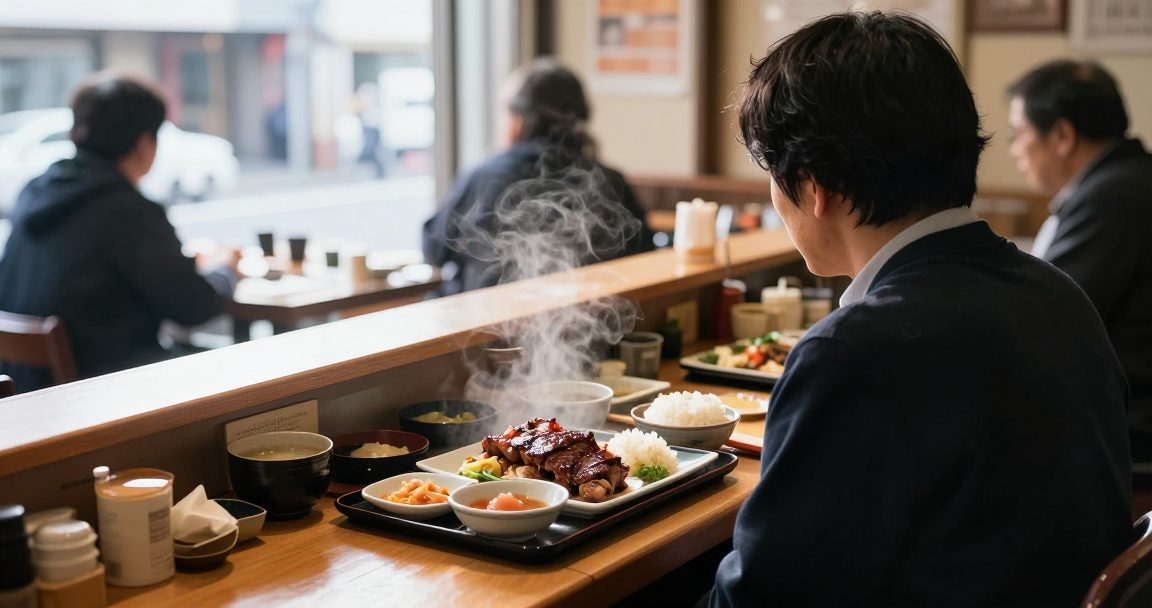
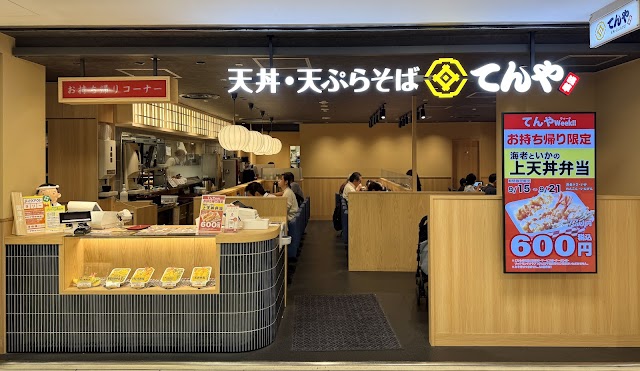
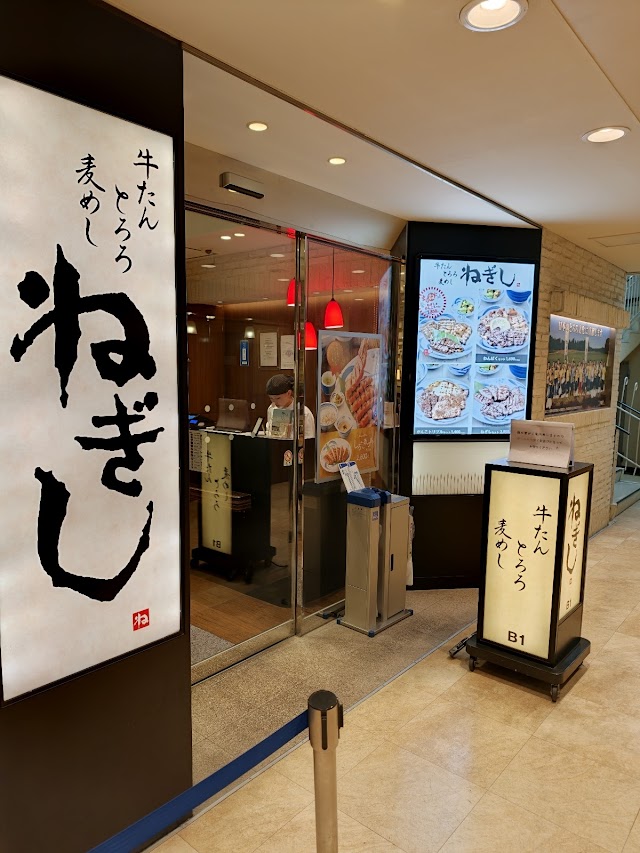
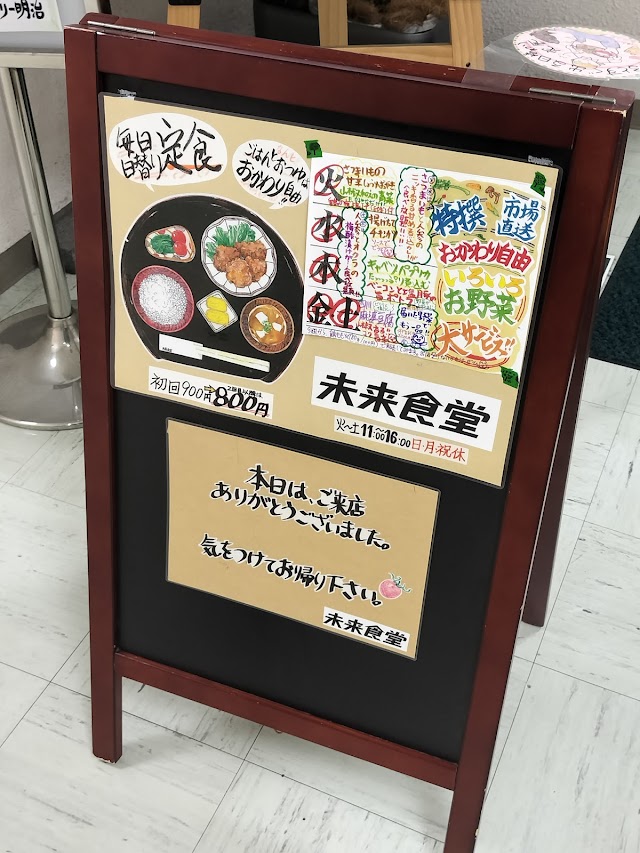
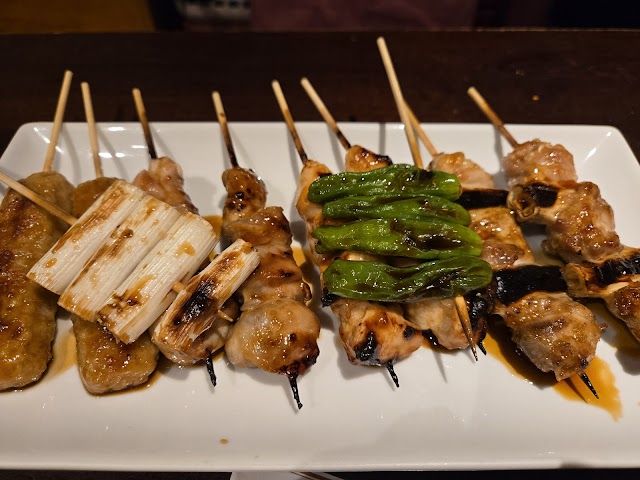
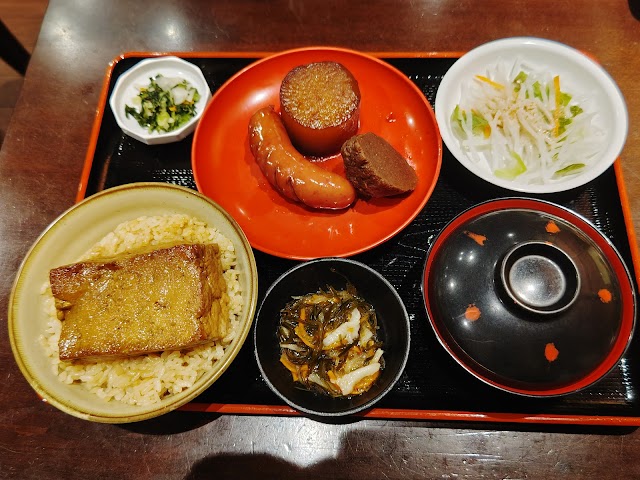
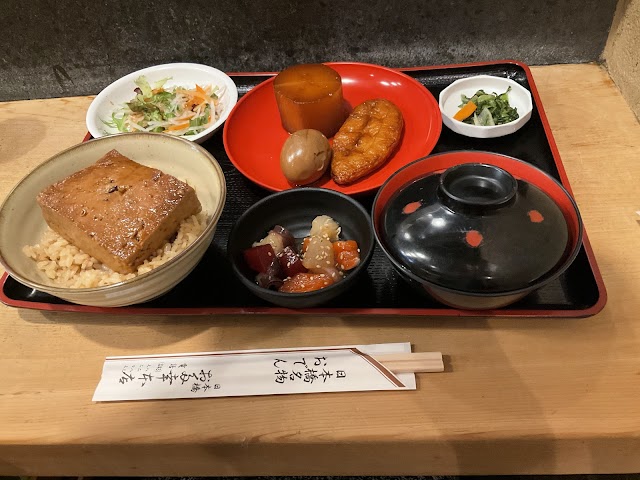
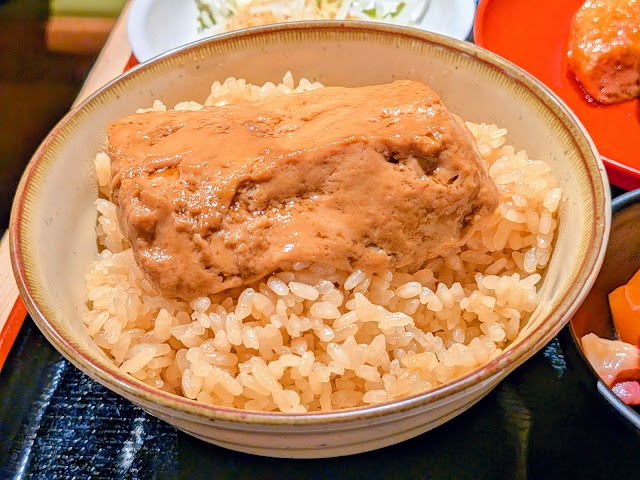
- The ladder: Lv1 ticket-machine chains (Tenya tendon from ¥600; Negishi beef-tongue teishoku, est. 1981) → Lv2 counter specialists (Ethiopia curry Jimbocho; Kiji okonomiyaki Marunouchi; Chinka Shisai stone-pot mapo Akasaka) → Lv3 solo yakiniku (Yakiniku Like's 2018 original Shimbashi shop, one grill per seat) → Lv4 legacy/concept counters (Otako oden, 1923 lineage; Mirai Shokudo's 12-seat one-menu system) → Lv5 standing bar (Banpaiya Musashi-Koyama, plates from ¥130)
- Budget span: a full solo meal runs ¥600–1,000 at Tenya, ¥1,000–2,500 at teishoku and counter specialists, ¥3,000–5,000 for an evening of oden at Otako — no price tier in Tokyo is closed to the solo diner
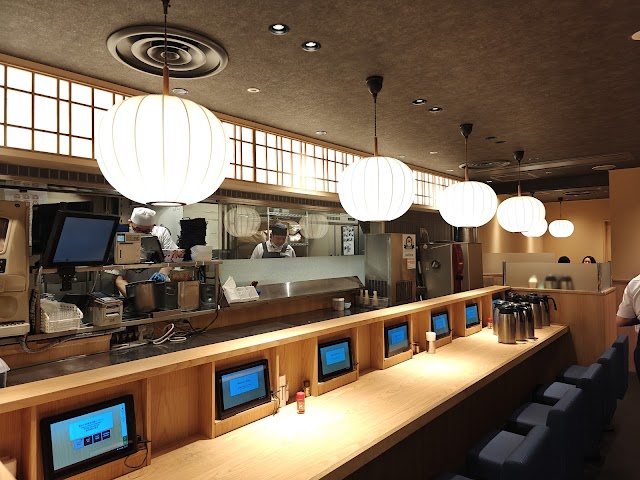
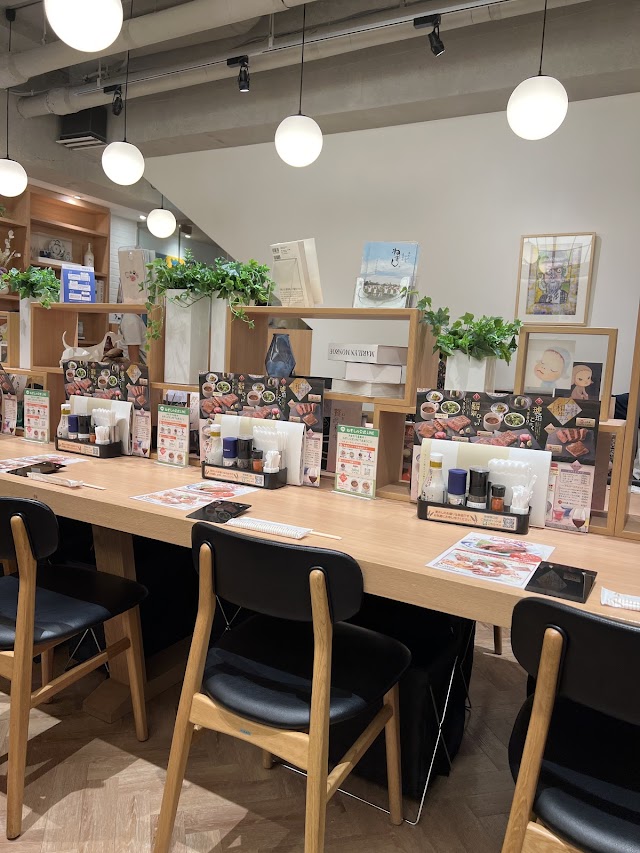
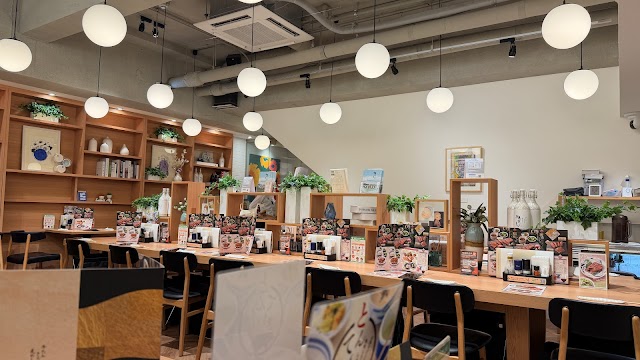
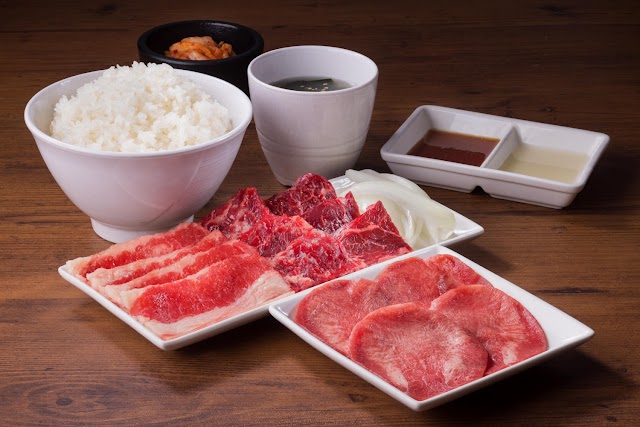
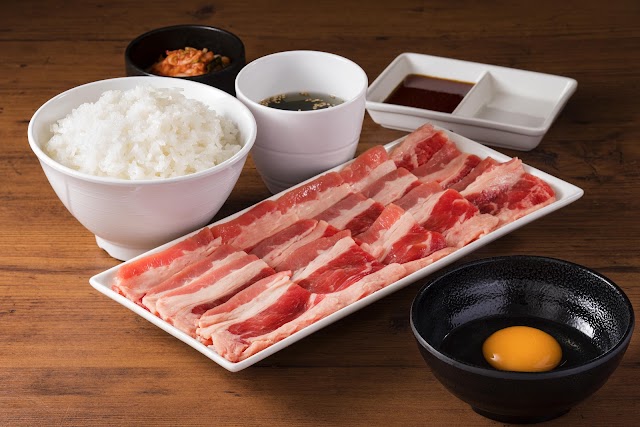
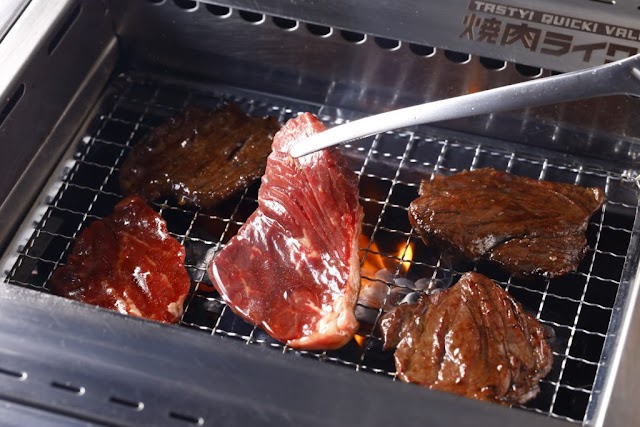
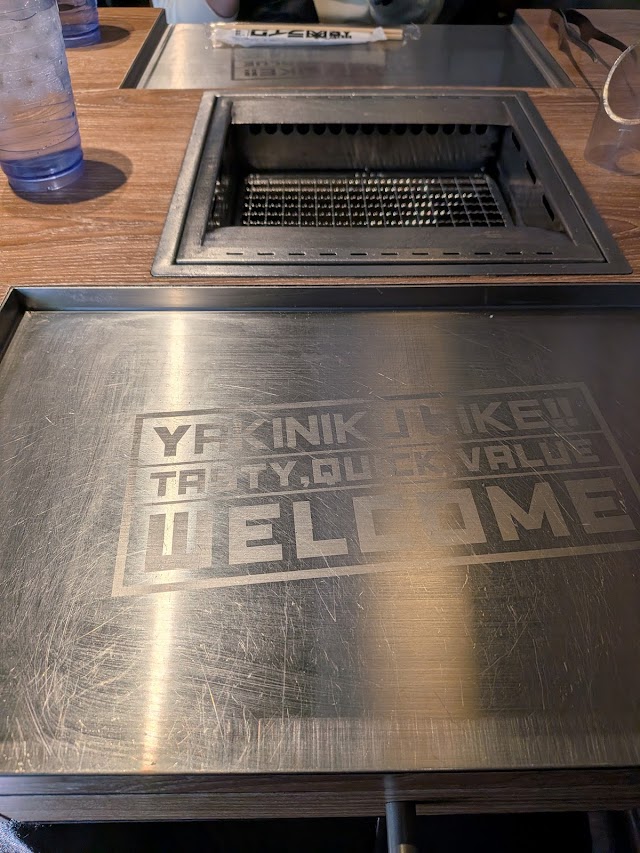
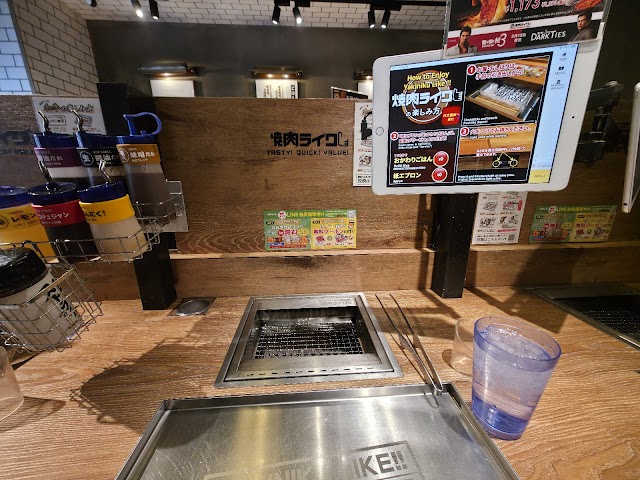
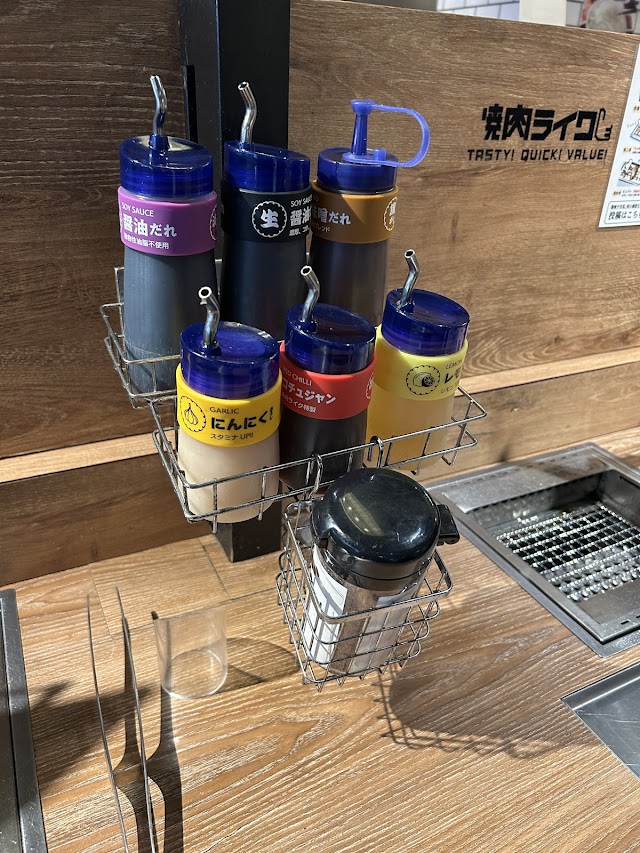
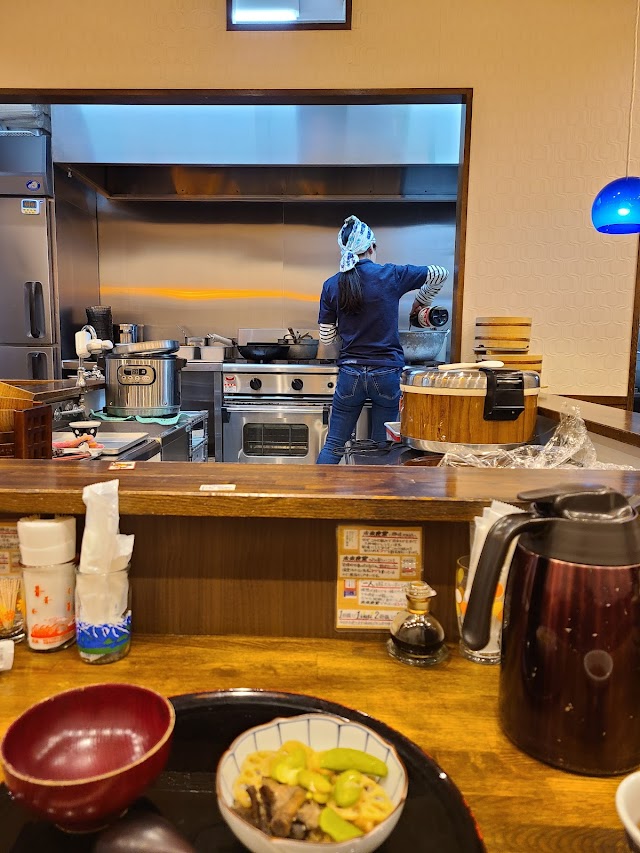
- The hardware is built for one: ticket machines mean zero conversation, counters are the default seat, Yakiniku Like gives every seat its own smokeless grill, and Mirai Shokudo's single daily menu removes even the burden of choosing
- Three ordering tips: buy the ticket before sitting down (photo buttons are the safe bet); say 'hitori desu' at the door; standing bars run on cash, some settle per round
- Suggested route: Tenya → Kiji → Otako all sit within 500m of Tokyo Station; Jimbocho pairs Ethiopia and Mirai Shokudo in one day; finish the trip with the Banpaiya graduation exam in Musashi-Koyama
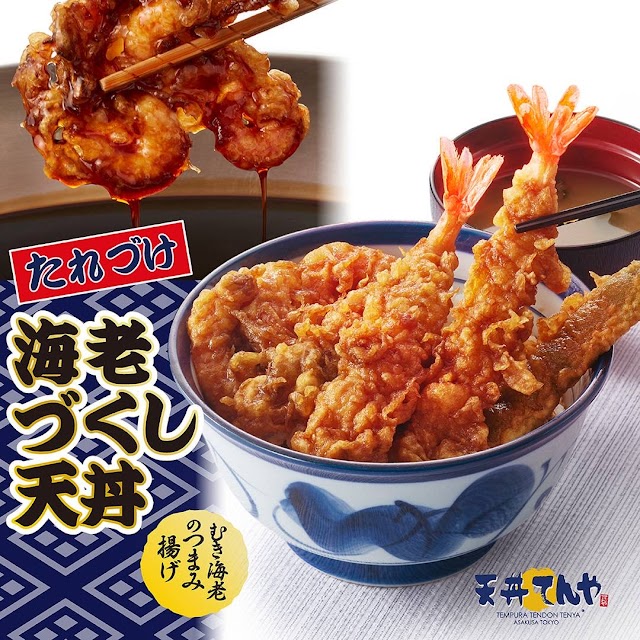
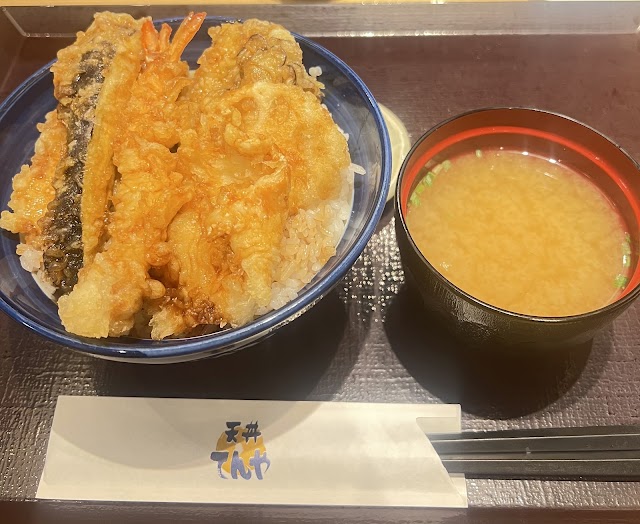
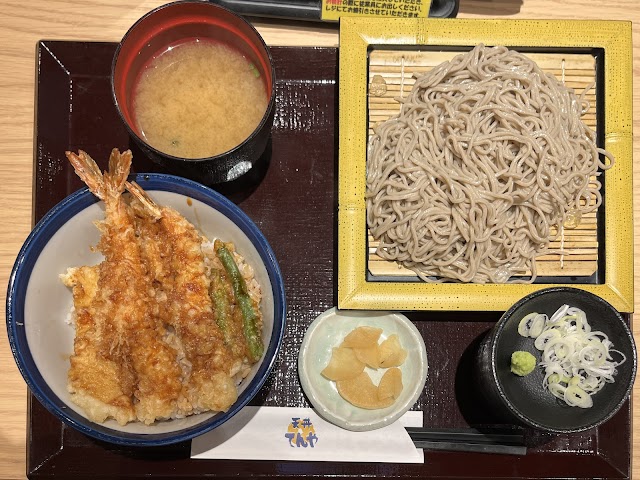
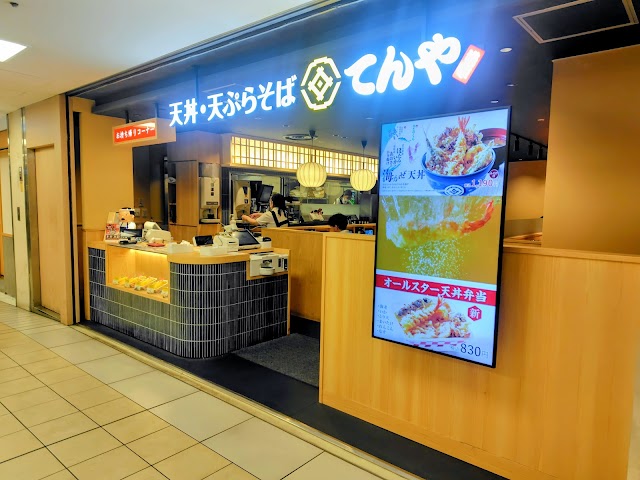
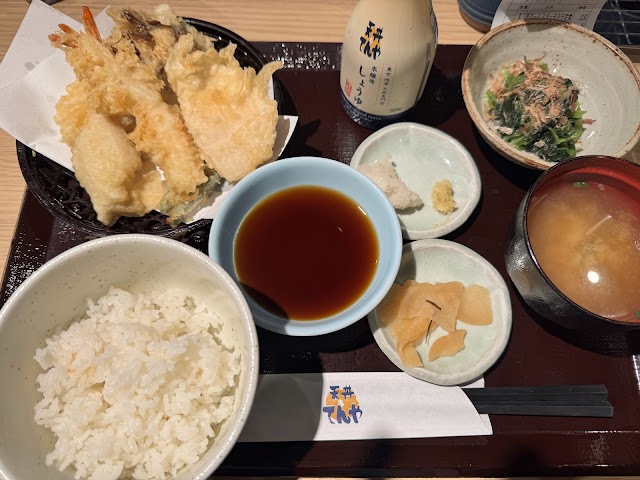
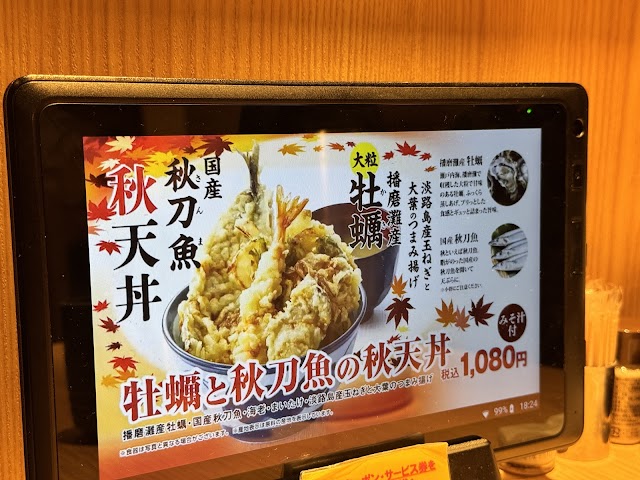
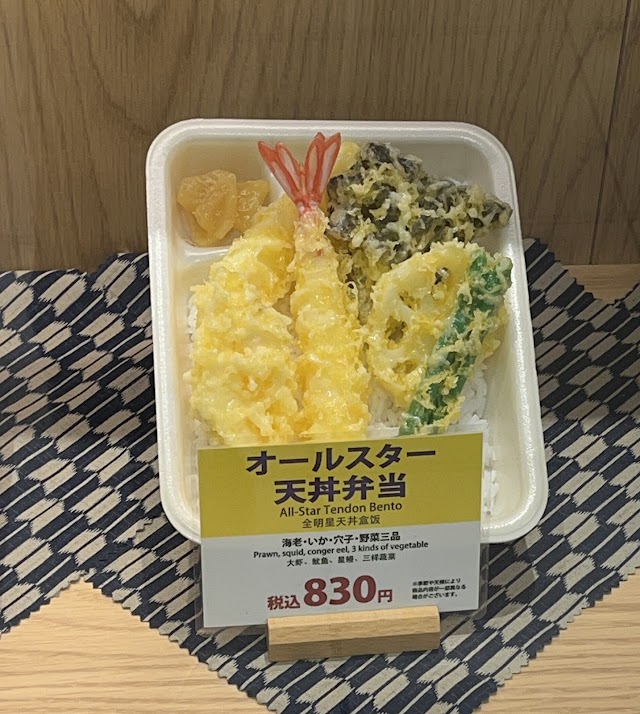
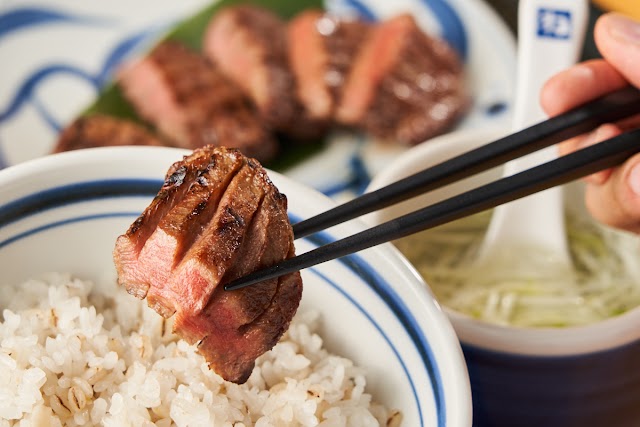
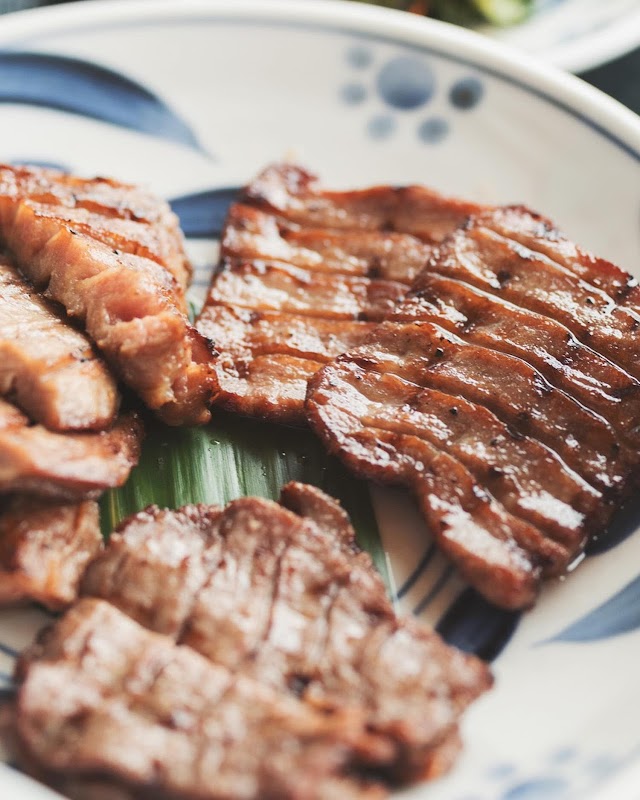
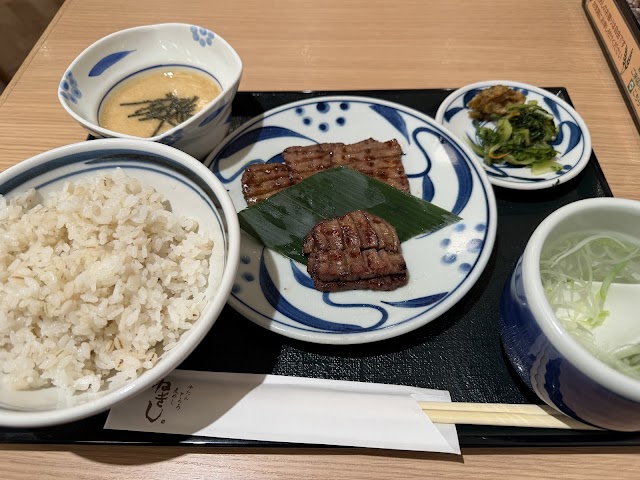
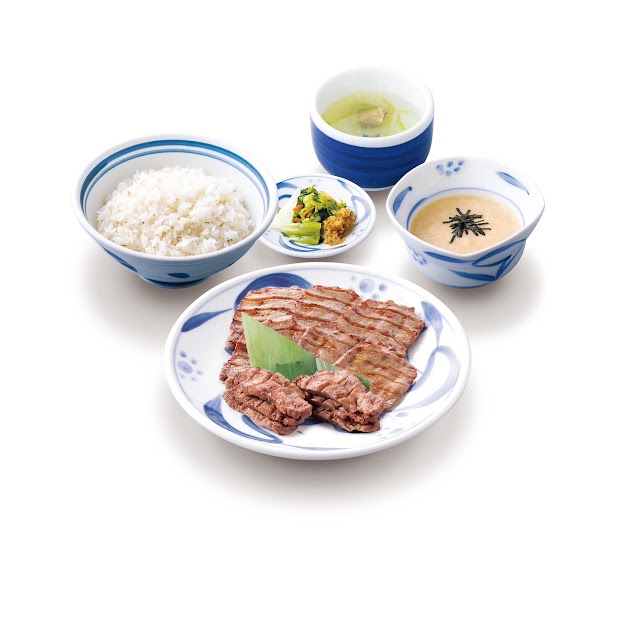
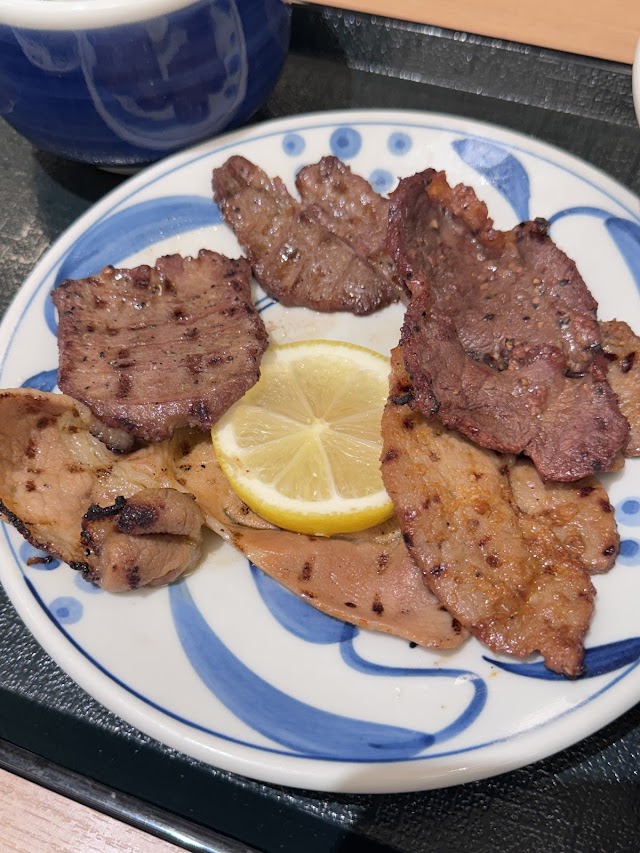
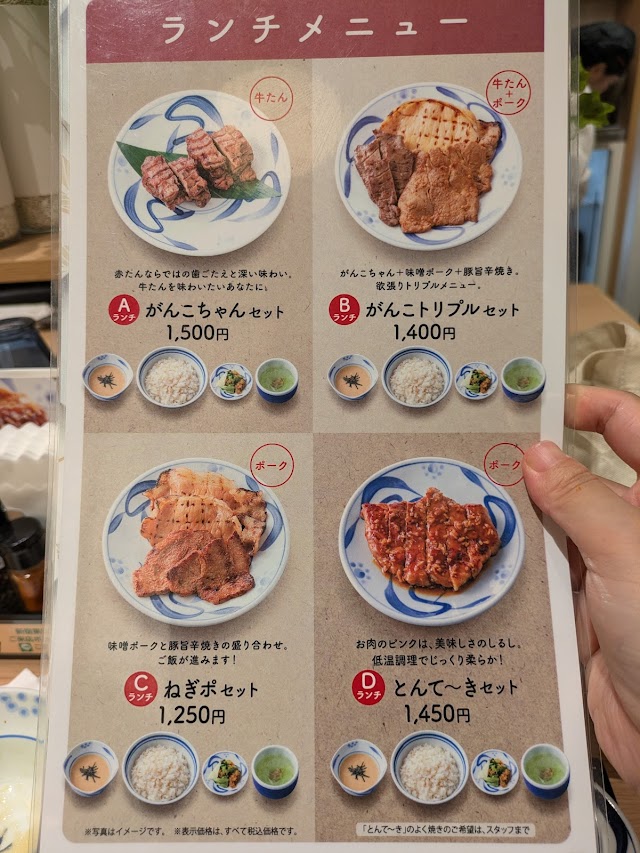
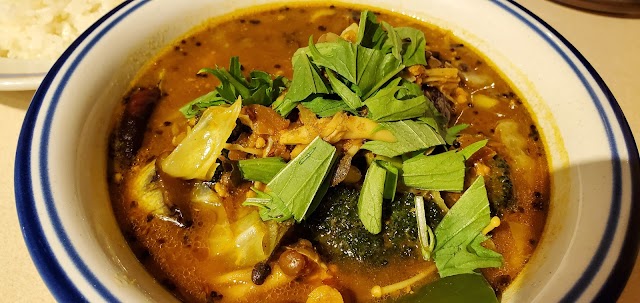
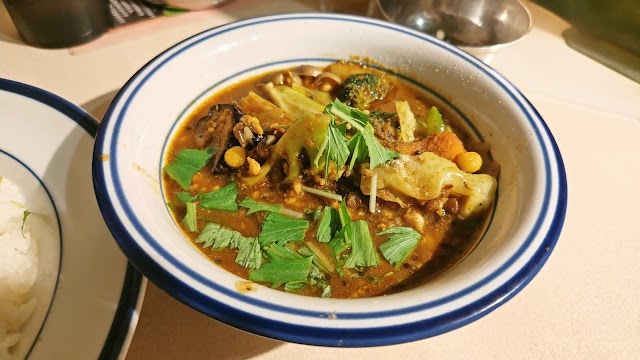
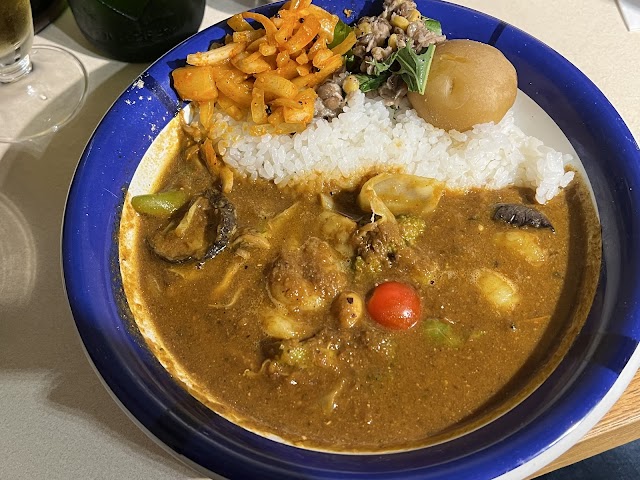
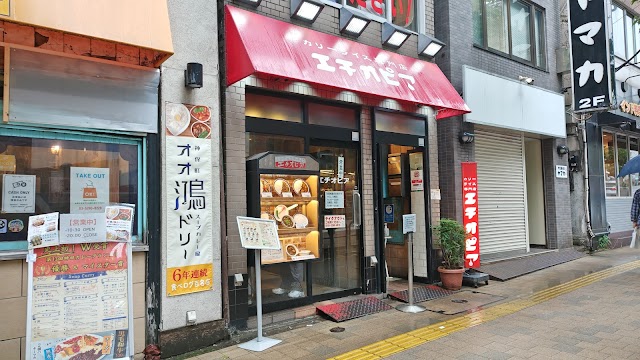
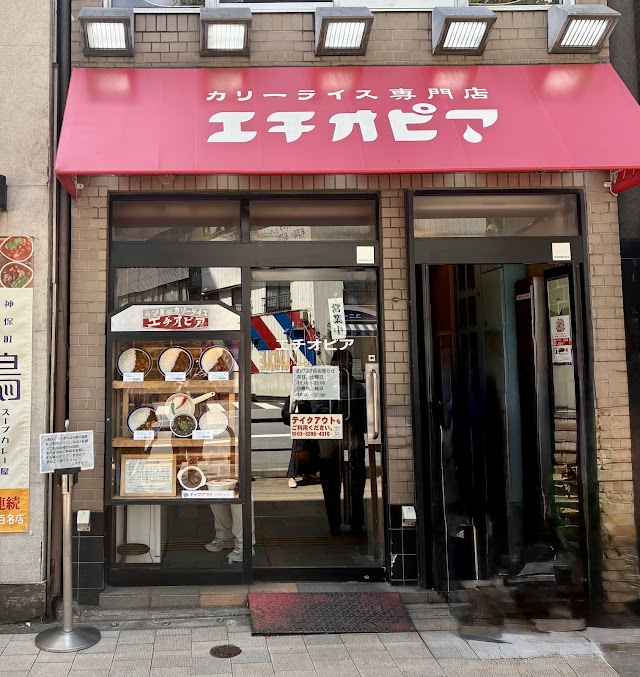
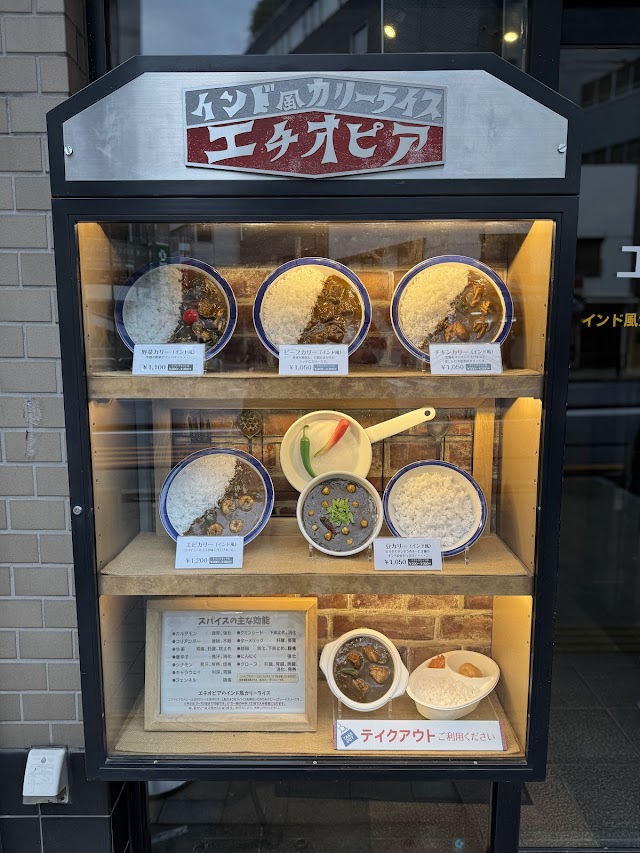
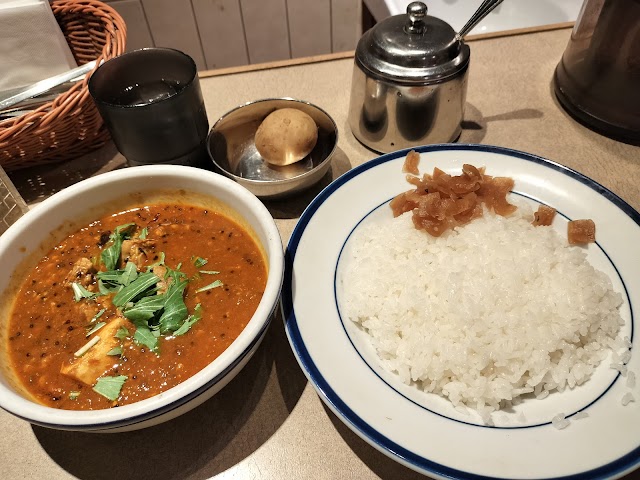
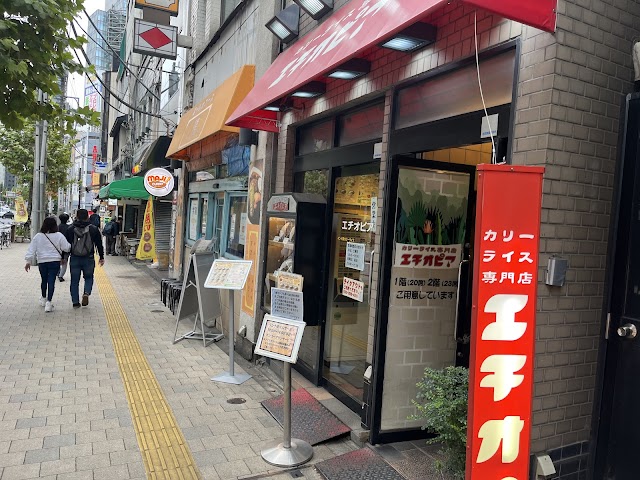
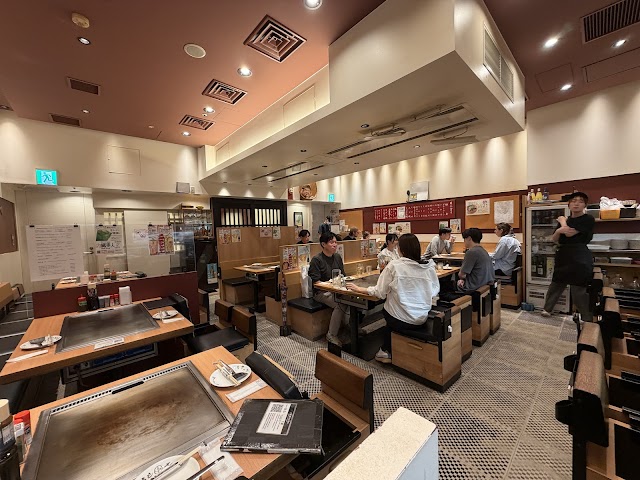
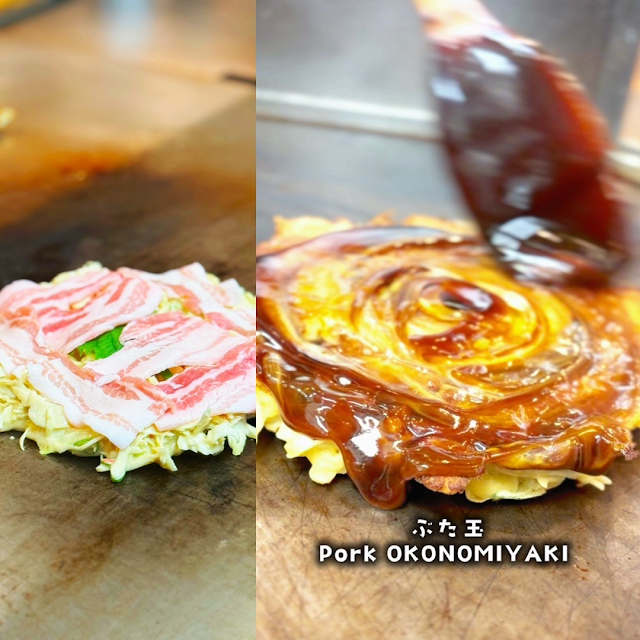
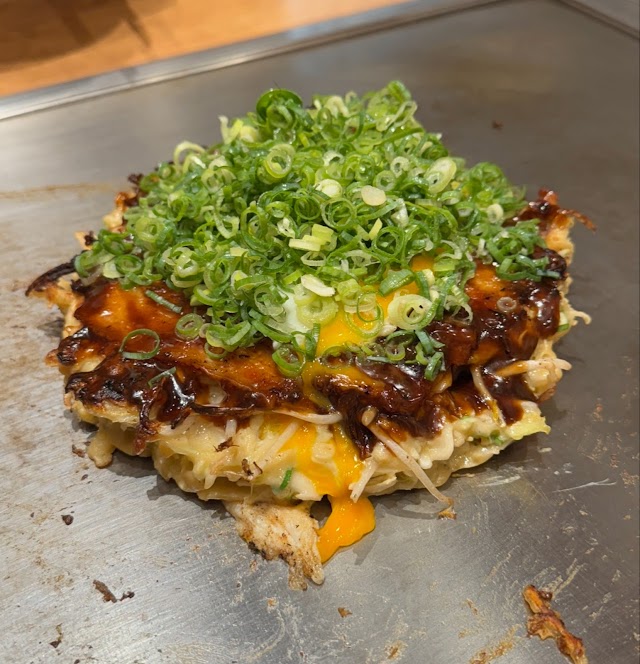
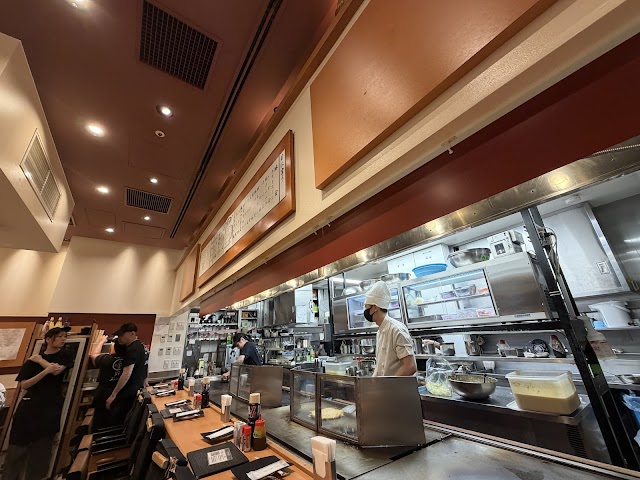
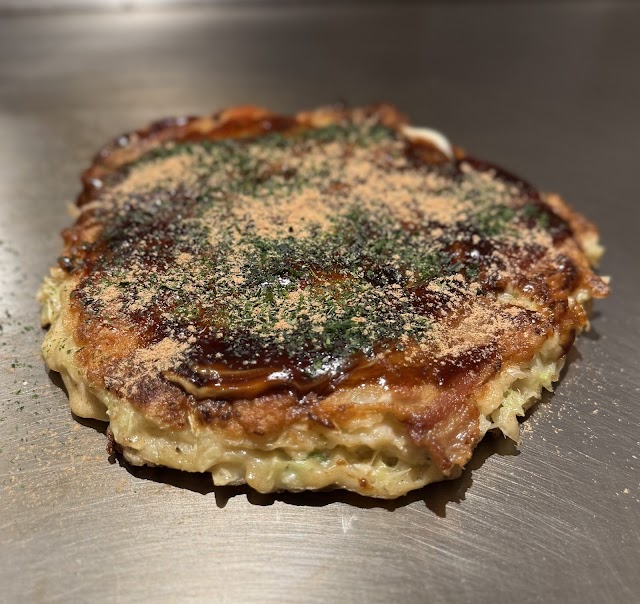
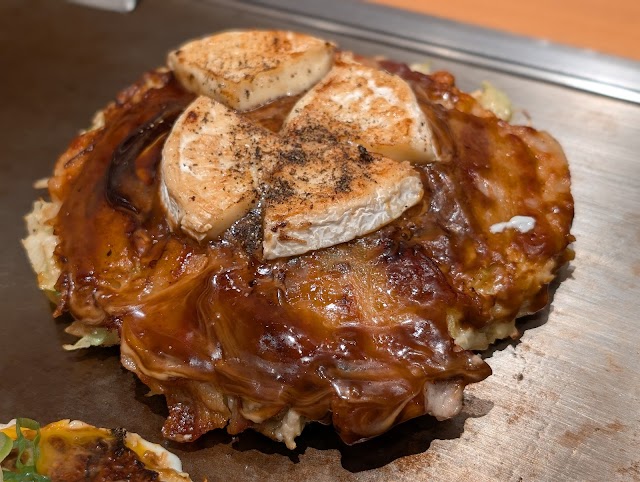
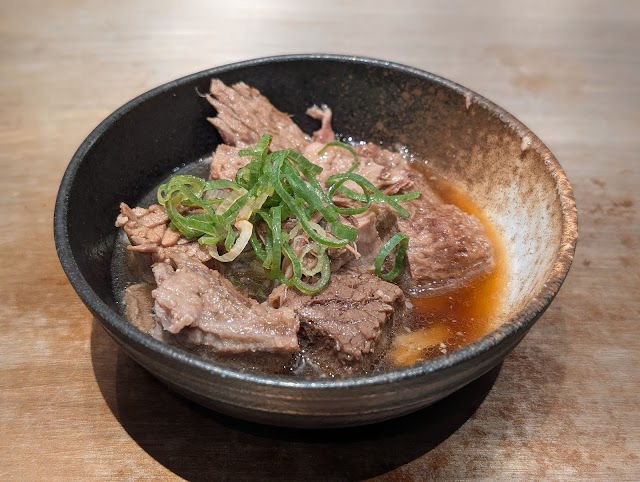
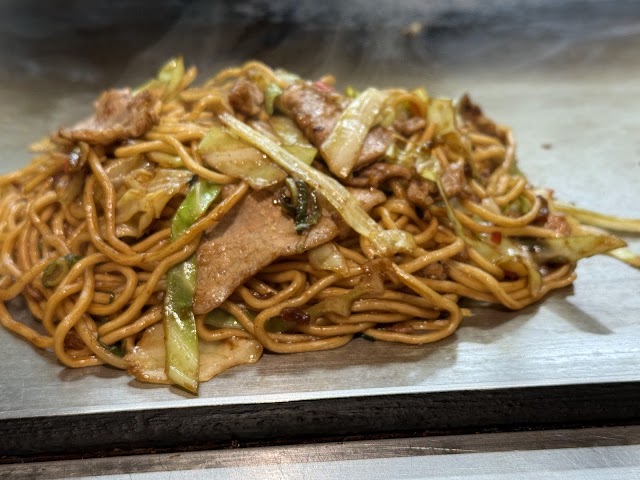
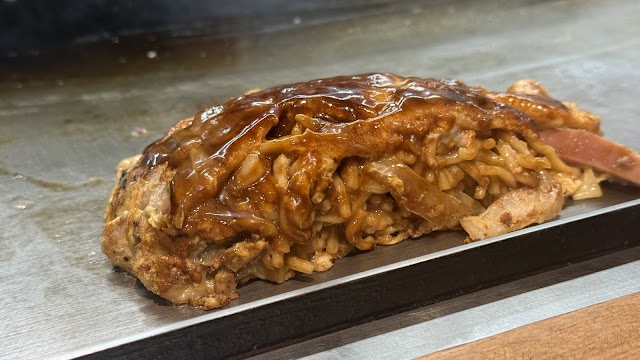
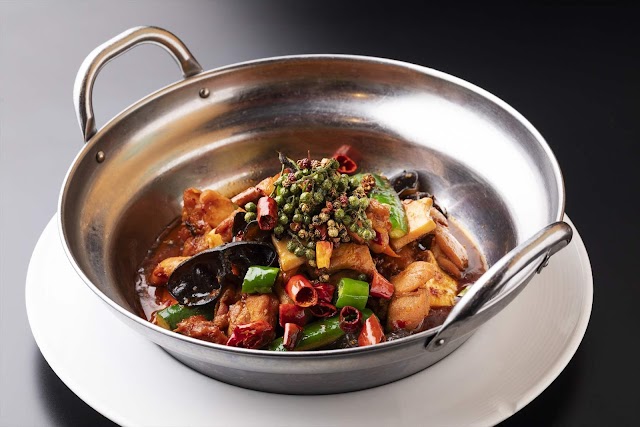
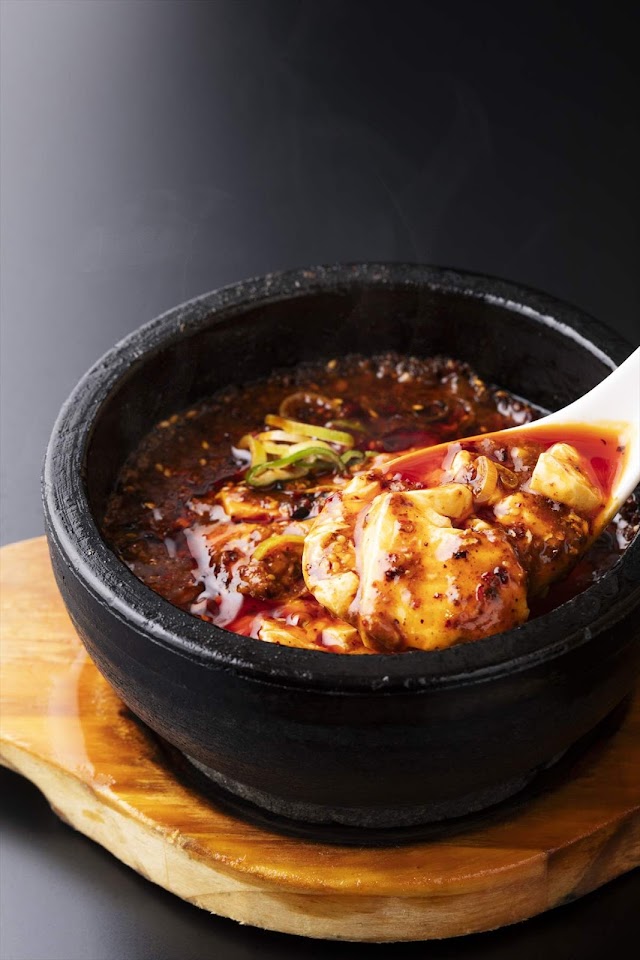
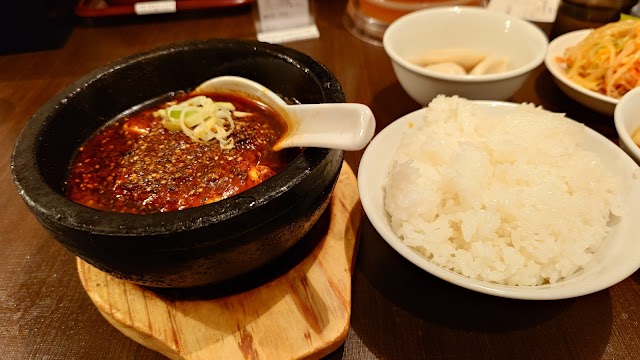
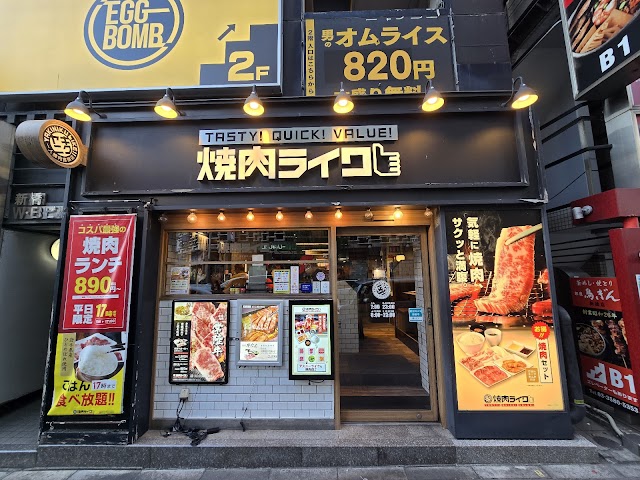
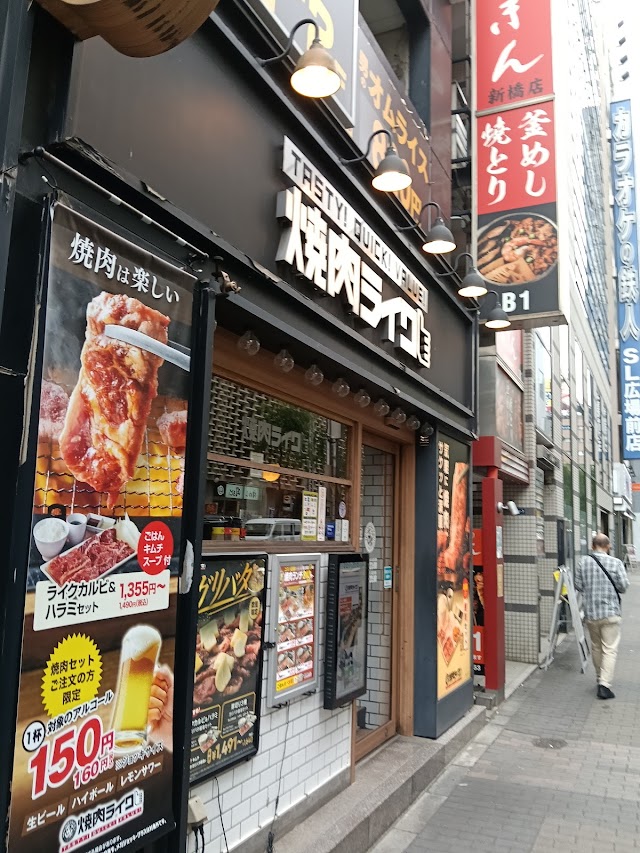
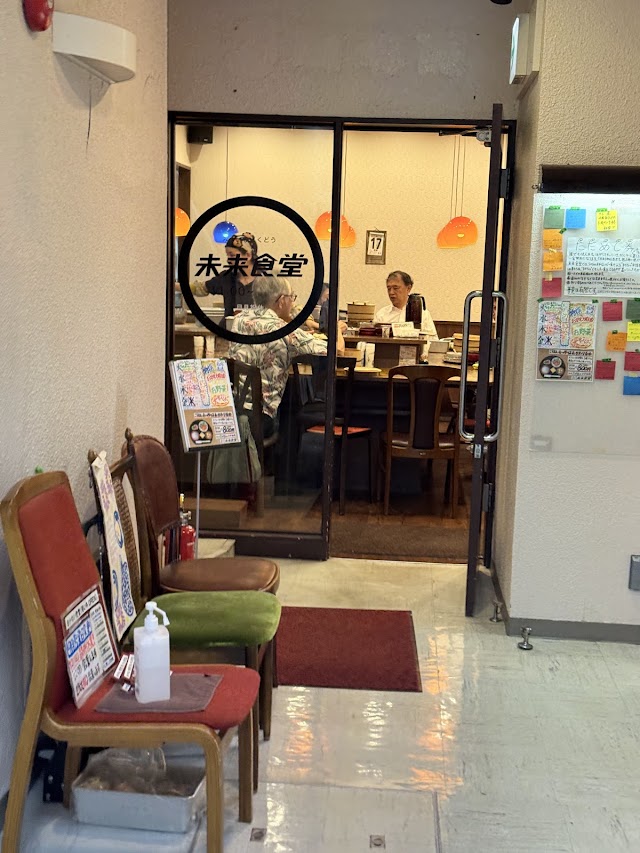
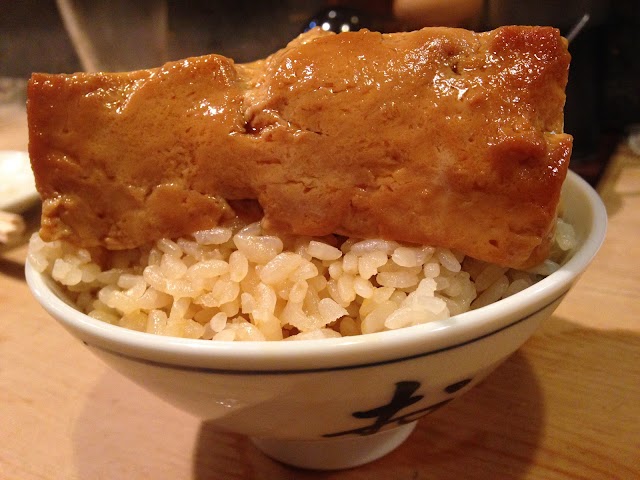
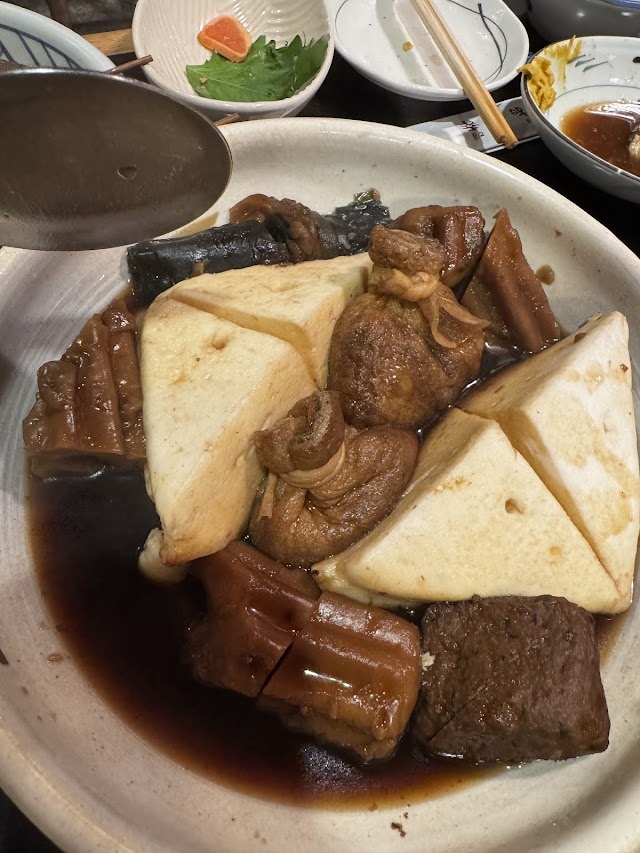
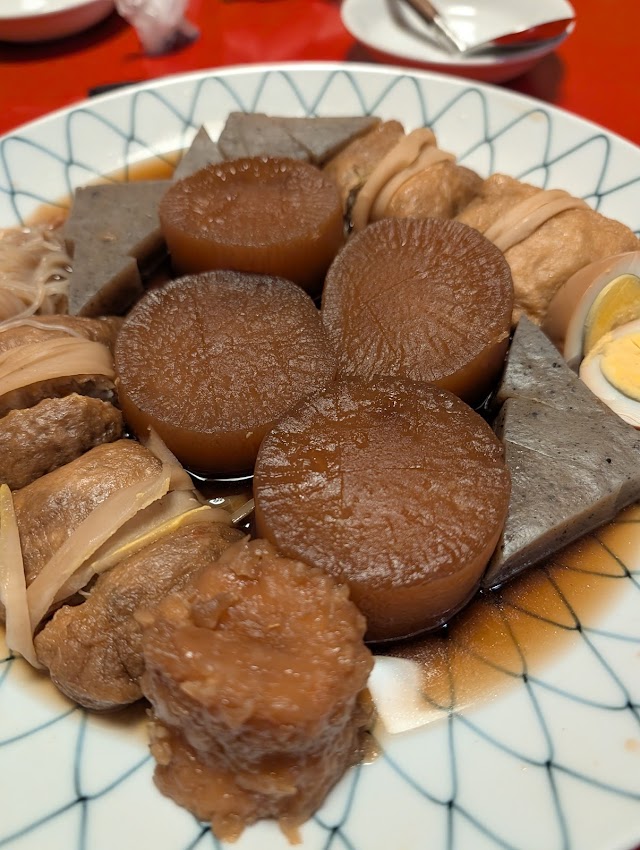
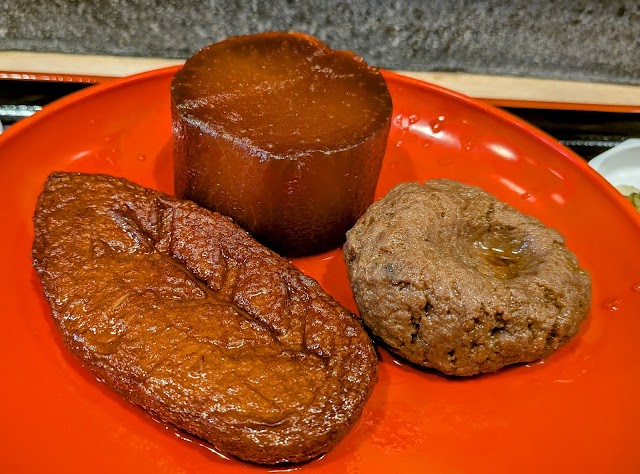
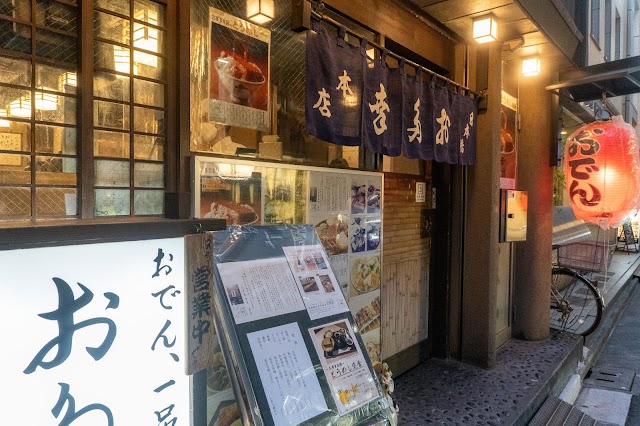
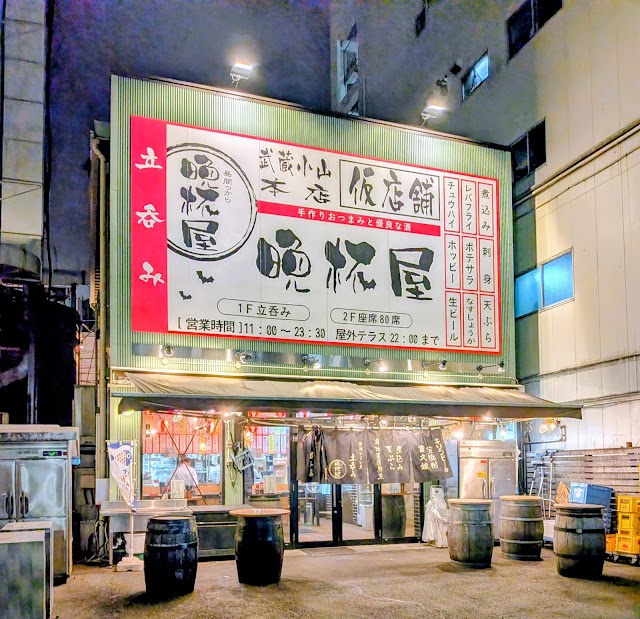
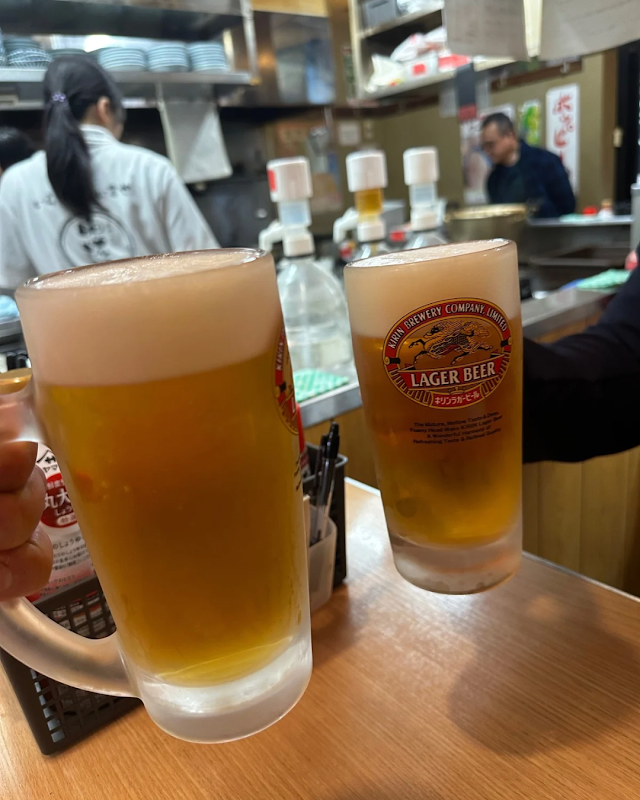
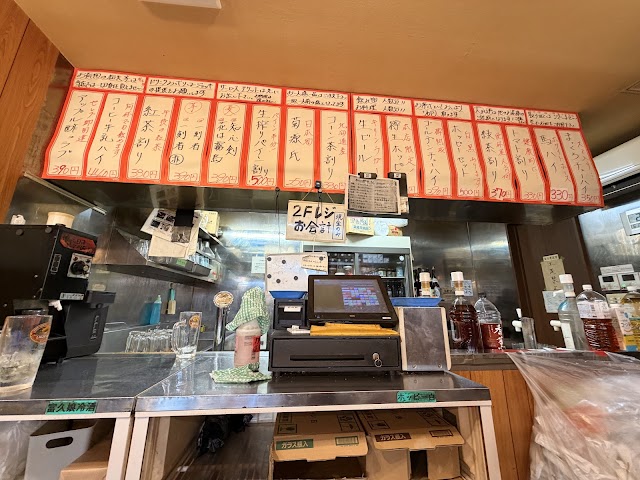
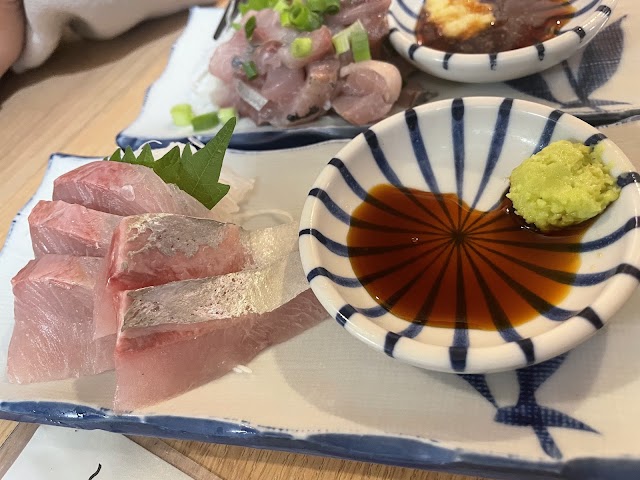
Tokyo's restaurant industry treats the solo diner as its core customer: ticket machines remove the ordering conversation, counter seats are the default rather than a compromise, and since 2018 even yakiniku — the last 'group-only' genre — has one smokeless grill per seat. This guide arranges nine verified places into a difficulty ladder for first-time solo diners: Level 1 ticket-machine chains (Tenya's 600-yen tendon near its 1989 Yaesu birthplace; Negishi's beef-tongue teishoku with free barley-rice refills, born in Kabukicho in 1981). Level 2 counter specialists (Ethiopia's spice curry in the curry mecca of Jimbocho, adjustable from 0 to 70x heat; Kiji's Osaka-style okonomiyaki griddled before you at Tokyo Station; Chinka Shisai's sizzling stone-pot mapo tofu in Akasaka). Level 3 is Yakiniku Like's original Shimbashi shop, the store that detonated Japan's solo-yakiniku market. Level 4 covers legacy and concept counters: Otako's Kanto-style black oden (a 1923 lineage) with its cult tofu-on-rice finisher, and Mirai Shokudo, the 12-seat one-menu diner whose pay-it-forward 'tadameshi' system made it nationally famous. Level 5, the graduation exam: Banpaiya's standing bar in Musashi-Koyama, where sashimi plates start at 130 yen and you toast strangers. All nine were verified operational via Google Maps official data on July 6, 2026; phone numbers, hours and photos are auto-merged from Google the morning after publication. Prices are estimates — check each shop on the day.
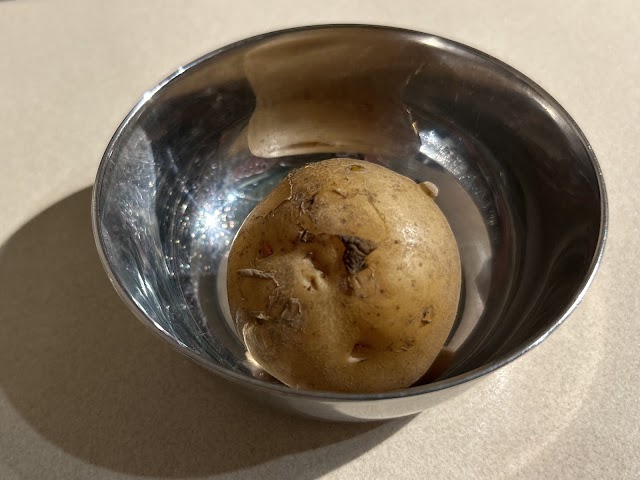
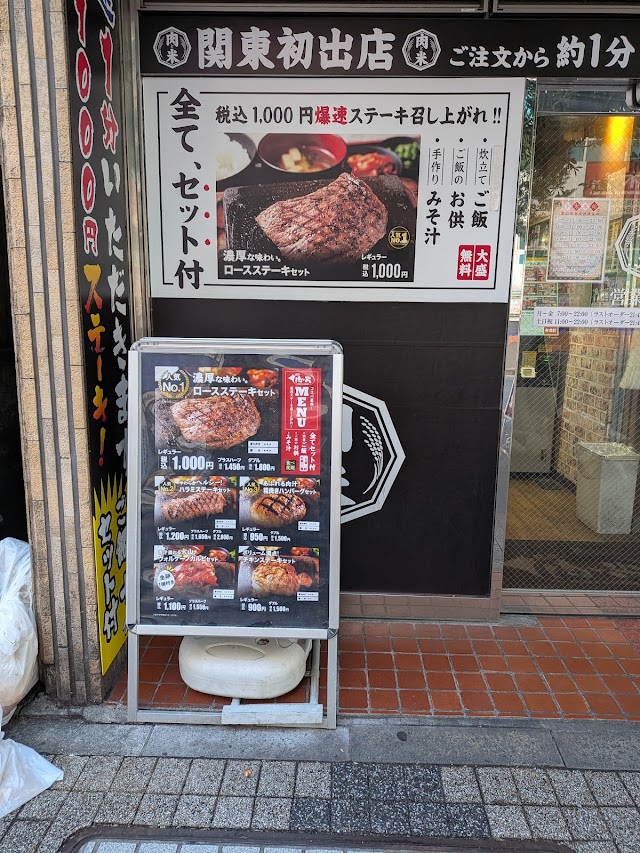
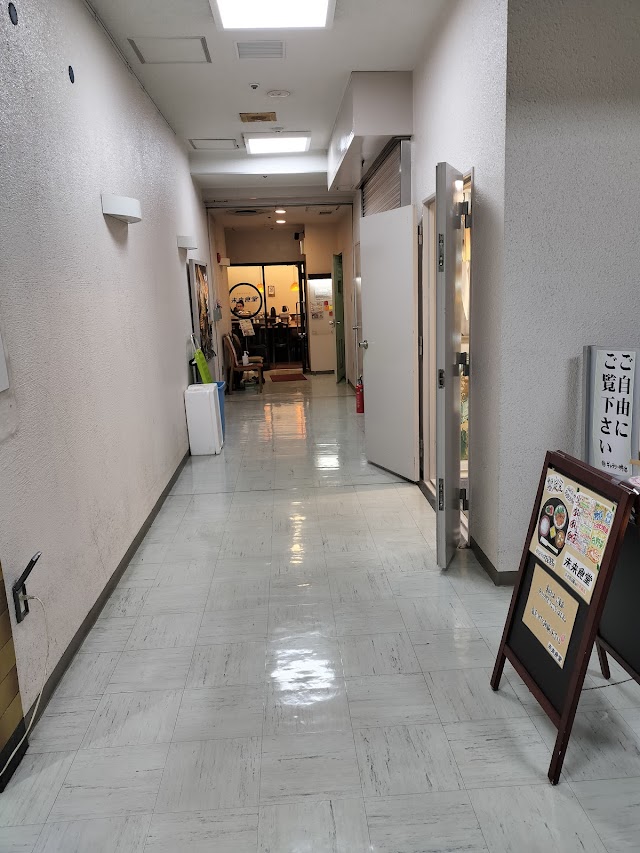
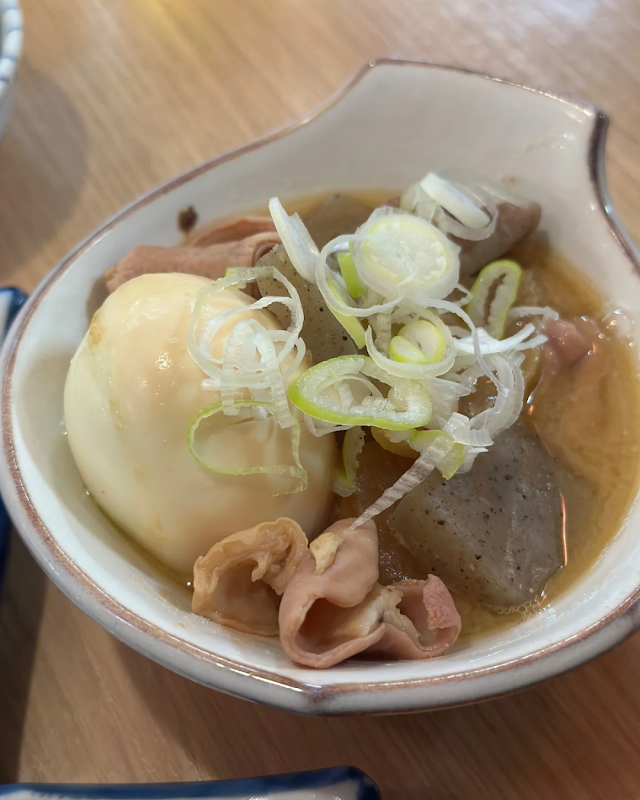
Solo dining is Tokyo's default mode, not an accommodation. Market researchers have tracked 'solo katsu' (solo activities) as a distinct consumption category since the late 2010s, with solo yakiniku among its fastest-growing segments. For visitors this means the entire city is open to a party of one — the only barrier is psychological, and this guide's nine places are sequenced to dismantle it level by level. Level 1: Tenya (Yaesu, near the 1989 first store) serves Edomae-style tendon as fast food from ¥600 via ticket machine; Negishi (Shinjuku, est. 1981 in Kabukicho) plates thick-cut grilled beef tongue with barley rice, grated yam and oxtail soup, refills free, solo seats standard. Level 2: in Jimbocho, Tokyo's curry mecca, Ethiopia's medicinal-spice curry scales from 0 to 70x heat and opens with a buttered potato; Kiji (Tokyo Building TOKIA B1) brings a legendary Umeda okonomiyaki house to a counter where the chef griddles your single portion; Chinka Shisai (Akasaka, est. 1995) lands its trademark mapo tofu still boiling in a stone pot. Level 3: Yakiniku Like's Shimbashi original (August 2018) built the 'one roaster per person' format — ticket machine, 100g to 300g portions, ten-minute turnaround — and single-handedly created Japan's solo-yakiniku boom. Level 4: Otako Honten in Nihonbashi carries a 1923 oden lineage, its soy-dark Kanto broth and tofu-meshi finisher best taken alone at the ground-floor counter; Mirai Shokudo in Jimbocho runs 12 seats, one daily set meal, and the famous makanai/tadameshi work-for-a-meal system, publishing its books openly since 2015. Level 5: Banpaiya (Musashi-Koyama, 2009) is the standard-bearer of 'senbero' standing-bar culture — a thousand yen gets you drunk, plates start at ¥130, and toasting the salaryman beside you is the graduation ceremony. All nine venues were verified operational against Google Maps official data on July 6, 2026; closed candidates surfaced by that check (Ikinari Steak Ginza 4-chome, Hitori Shabu-Shabu Ichi Shinjuku, Banpaiya Oyama) were cut or replaced. Official phone numbers, hours, ratings and photos are merged automatically from Google the morning after publication.
 Scan for map
 Scan for map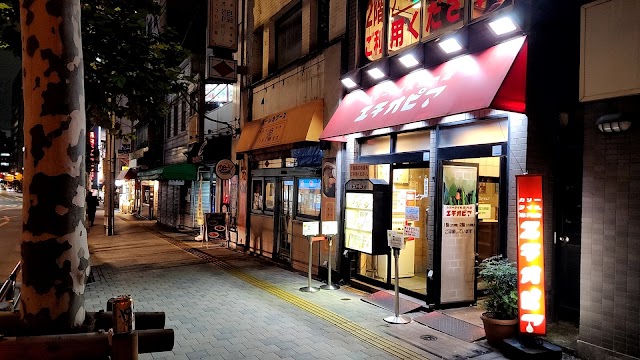
 Scan for map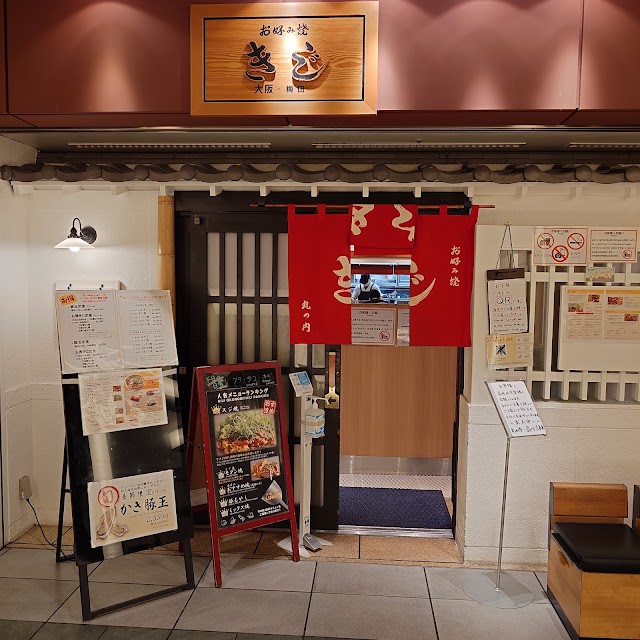
 Scan for map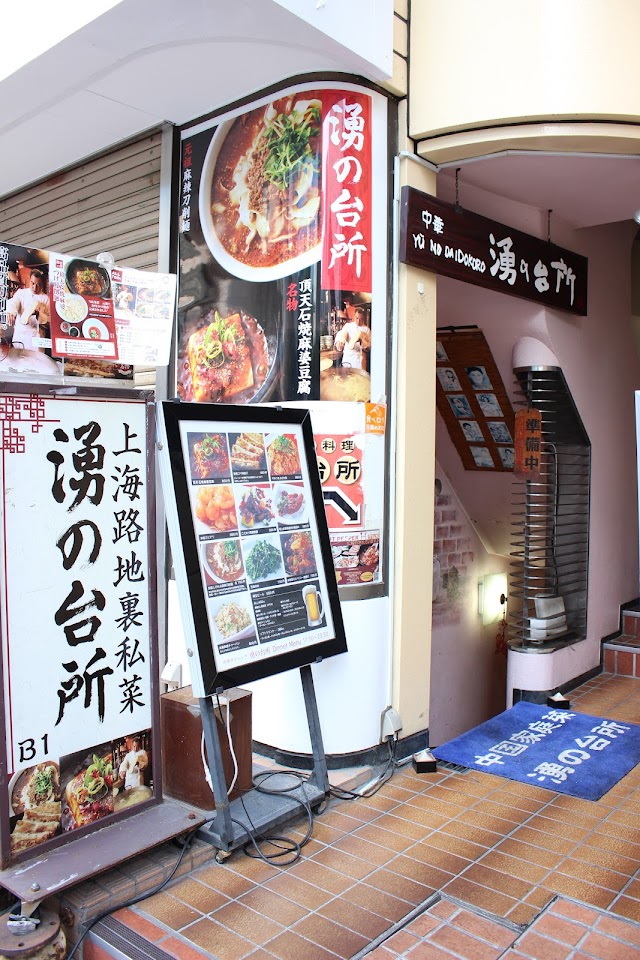
 Scan for map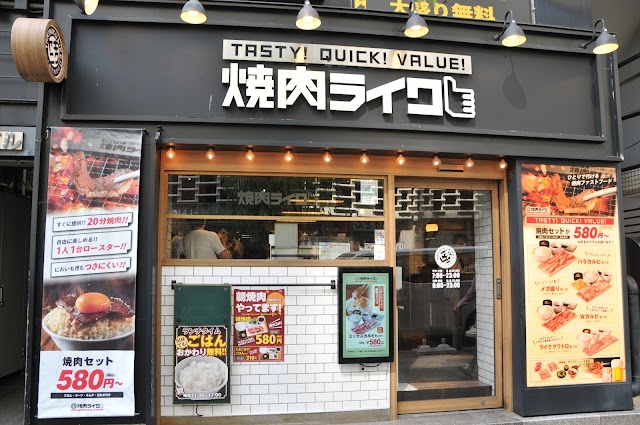
 Scan for map
 Scan for map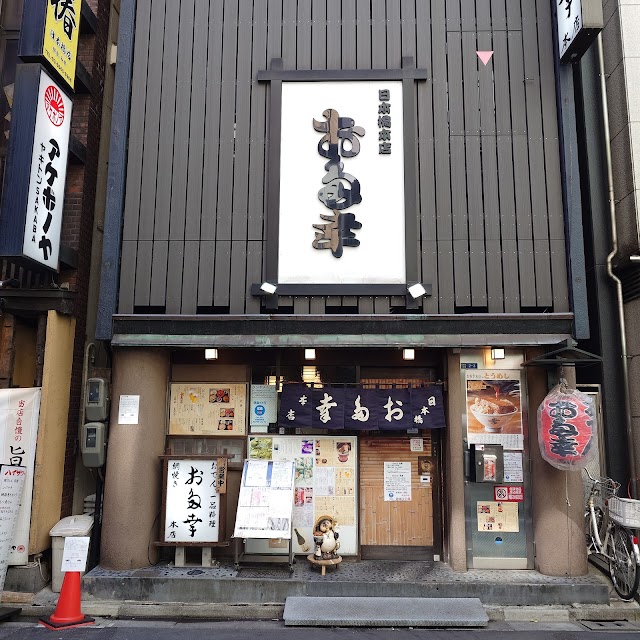
 Scan for map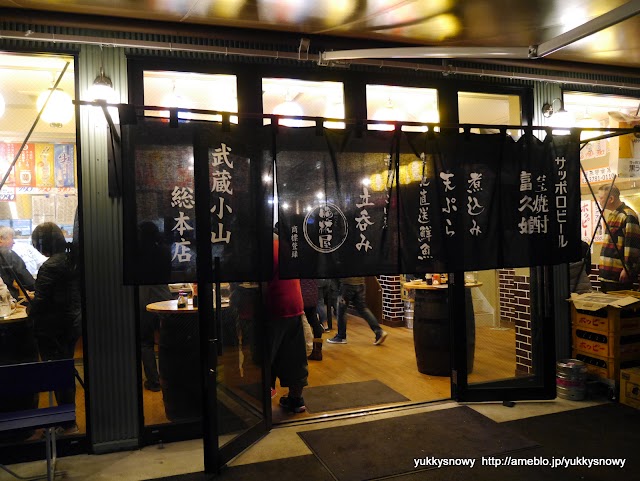
 Scan for map