Why Central Banks Keep Buying Gold Below 4000 Dollars
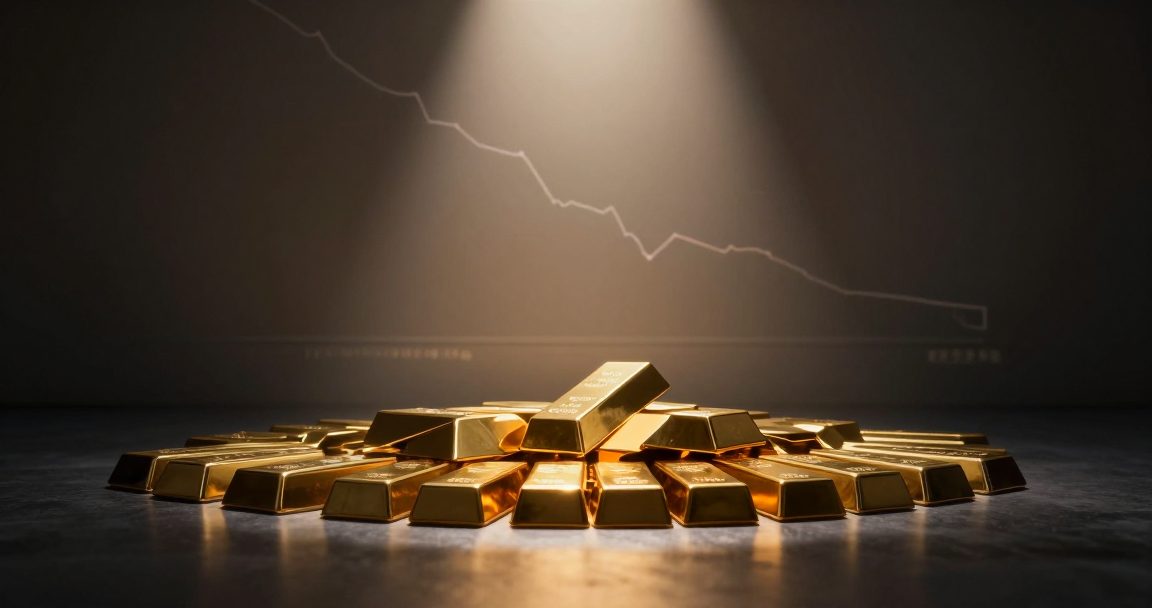
- Gold spiked above 5500 dollars early 2026, then slid
- Briefly broke below 4000 dollars in late June
- Traders see 4000 as a mid-term support floor
- Central banks keep buying the dips, propping demand
- Gold is insurance, not a lottery ticket
Gold has been a rollercoaster this year, spiking above 5500 dollars an ounce early on before sliding, briefly breaking below 4000 dollars in late June. Gold pays no interest, so its main enemy is real rates: as global bond yields rise, the opportunity cost of holding non-yielding gold climbs and prices fall. Why does 4000 dollars look like a floor? The biggest buyers are now central banks, who buy to diversify away from the dollar and hedge geopolitical risk-so they buy the dips. That deep-pocketed, non-speculative demand puts a hard floor under the market. Note that equity and gold investors often sit on opposite sides: gold's role in a portfolio is protection when stocks fall, not gains alongside them. Treat it as insurance, keep it around ten percent, and watch real rates and central-bank buying data.