japan-mlit-selects-vacant-home-model-projectsA · FULL TRANSLATION
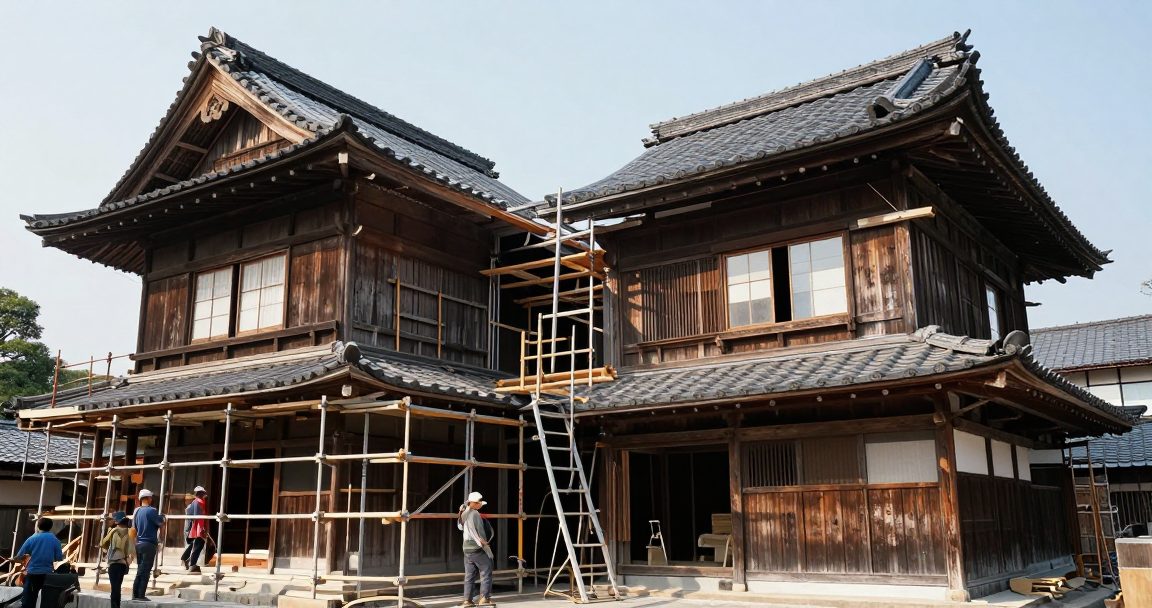
- MLIT announced FY2026 vacant-home model project selections
- Model projects explore viable ways to revive and recirculate vacant homes
- Backdrop: Japan's vast vacant-home stock as a social and asset problem
Japan's land ministry named its FY2026 vacant-home model projects, using subsidized cases to test ways to revive and recirculate empty homes — a structural problem that is both a safety and landscape issue and frozen capital. Vacant-home policy is a key front for regional revitalization and reuse. For investors, model approaches (minpaku conversion, migration, commercial reuse) often come with subsidies and eased rules — a window into cheap stock — though revival is hard: tangled titles, high repair costs, thin local demand. Understanding which approaches work beats grabbing cheap listings. Watch the selected methods and subsidy terms. (From the MLIT title and recent framework.)
MLIT announced the FY2026 "Vacant-Home Countermeasure Model Projects" selections. The ministry subsidizes exemplary cases of reviving and recirculating vacant homes to find scalable methods — covering renovation and reuse, regional migration and commercial revival — responding to Japan's vast vacant-home stock as a social and asset problem. As the full text cannot be retrieved here, the selected cases and subsidy terms are per the original. (From the MLIT title and recent framework.)