Tokyo Showa Junkissa 2026: Nine Classic Coffee Houses From Yanaka's 1916 Kayaba to the Birthplace of Vienna Coffee
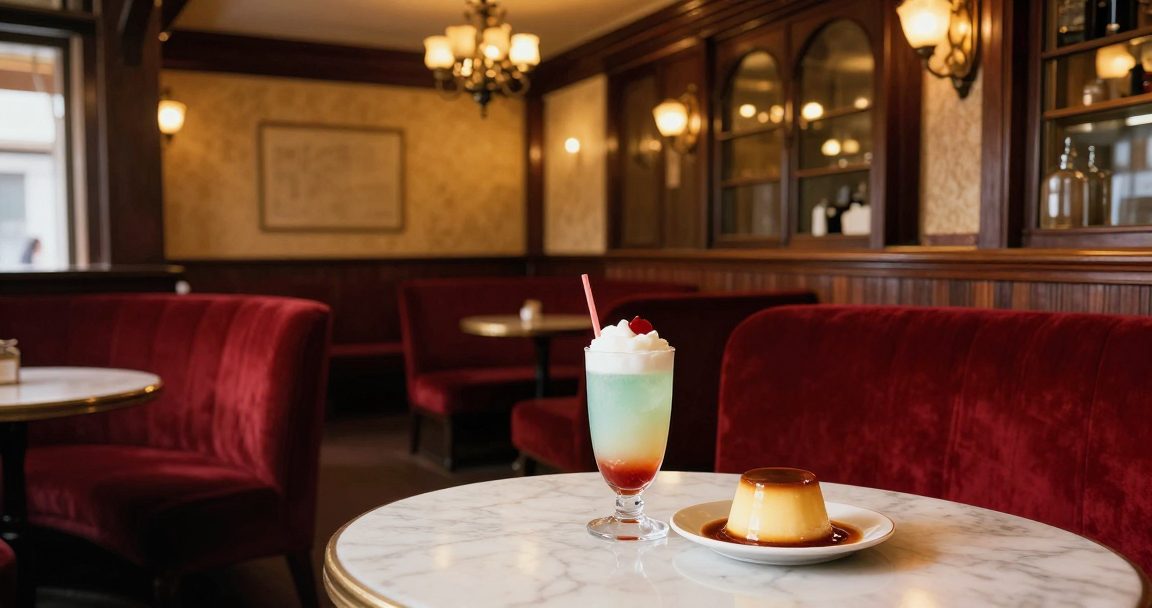
- Three routes: (1) time-capsule landmarks (Yanaka Kayaba Coffee 1916 townhouse, Shibuya Meikyoku Kissa Lion 1926 classical-music listening room, Ginza Tricolore 1936 flannel drip); (2) Jimbocho/Ueno literary cafes (Saboru 1955 rainbow cream soda, Ladrio 1949 birthplace of Vienna coffee, Coffee Oujou palace-style); (3) signature-dish photo spots (Ginza Kissa You silky omurice, Ueno Galant, Setagaya Jashumon)
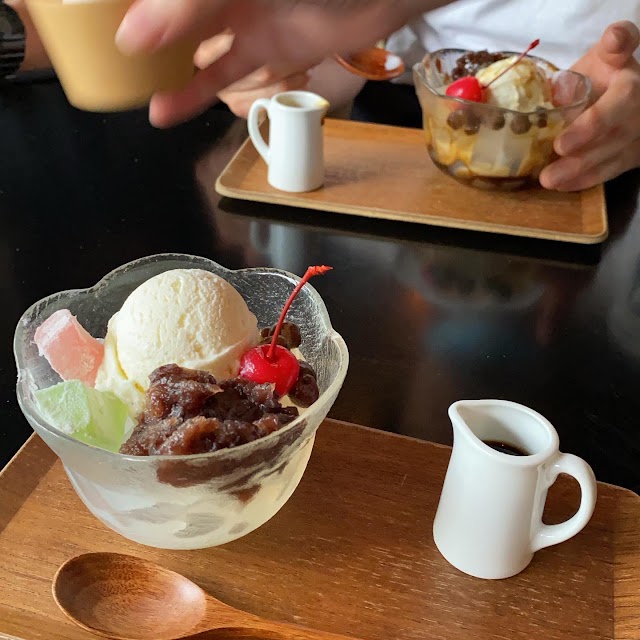
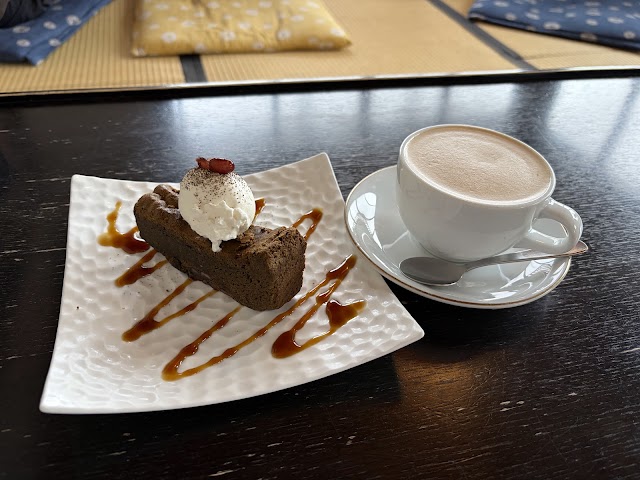
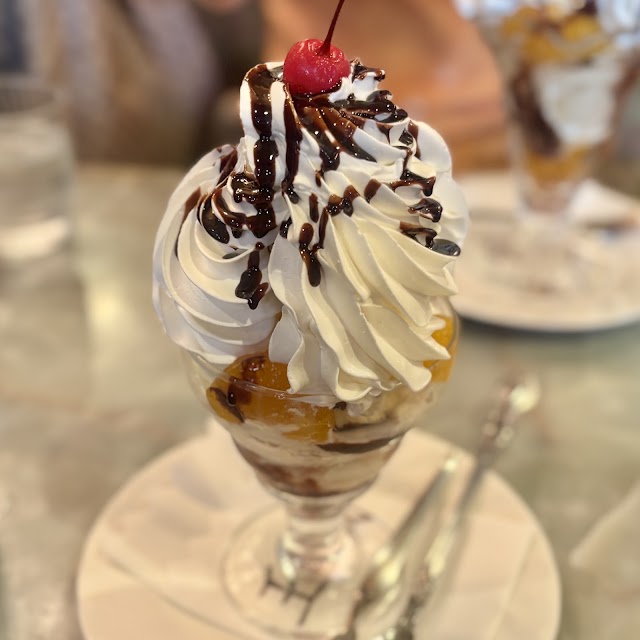
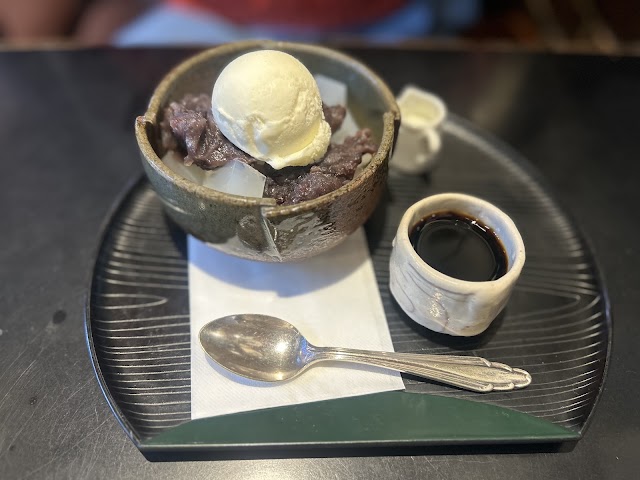
- A junkissa is an alcohol-free classic cafe; the point is the Showa space and dishes — cream soda, firm pudding, pudding a la mode, egg sandwiches, Napolitan — not just coffee
- Easiest entry points for first-timers: Kayaba Coffee (old townhouse + egg sandwich), Saboru (photogenic rainbow cream soda), Tricolore (old-school table service)
- Route pairing: Jimbocho (Saboru + Ladrio) among used bookshops; Ueno (Coffee Oujou + Galant) by Ameyoko; Ginza (Tricolore + Kissa You) for shopping and Kabukiza
- Etiquette: no talking or photos inside Meikyoku Kissa Lion; most shops take no reservations and get lines on weekends; prices vary, confirm on site
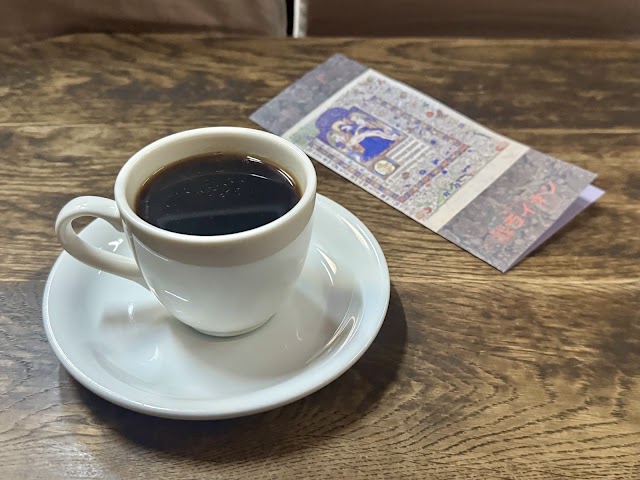
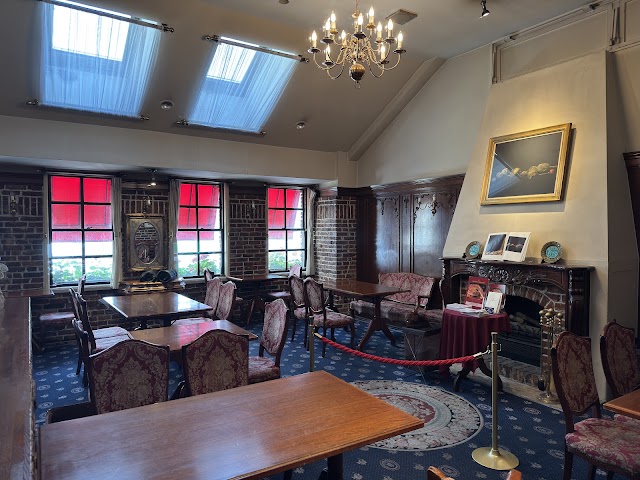
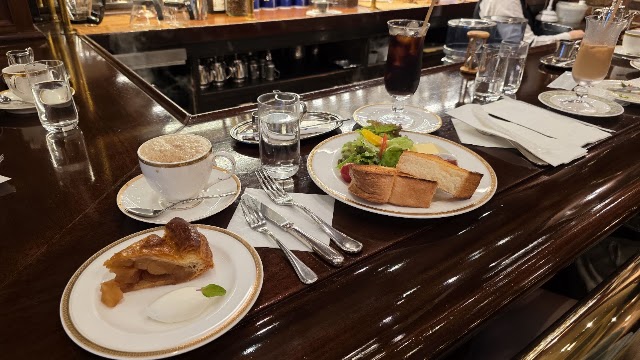
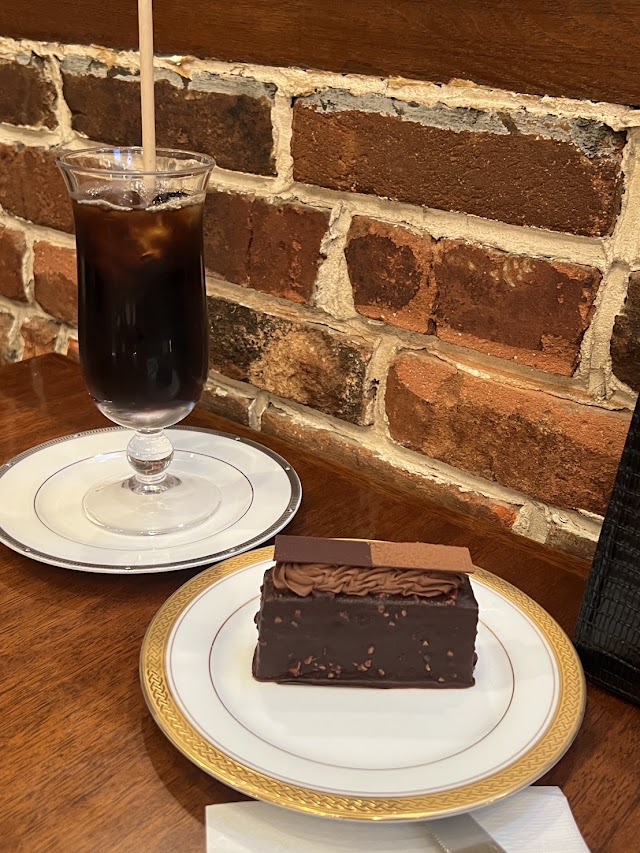
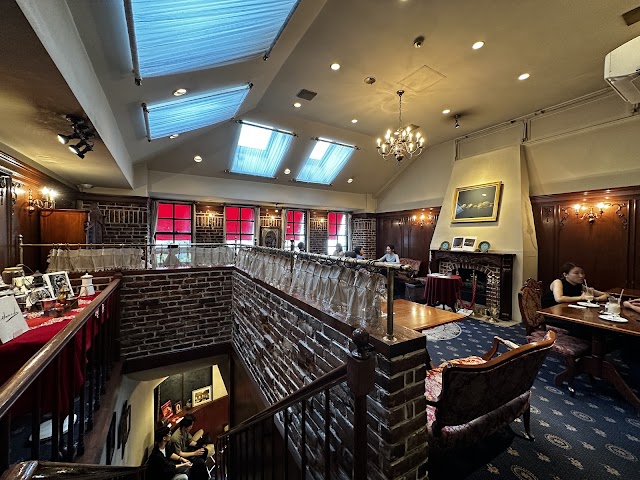
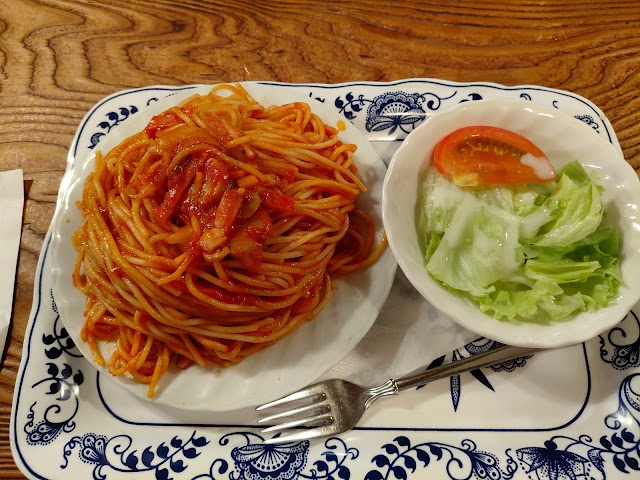
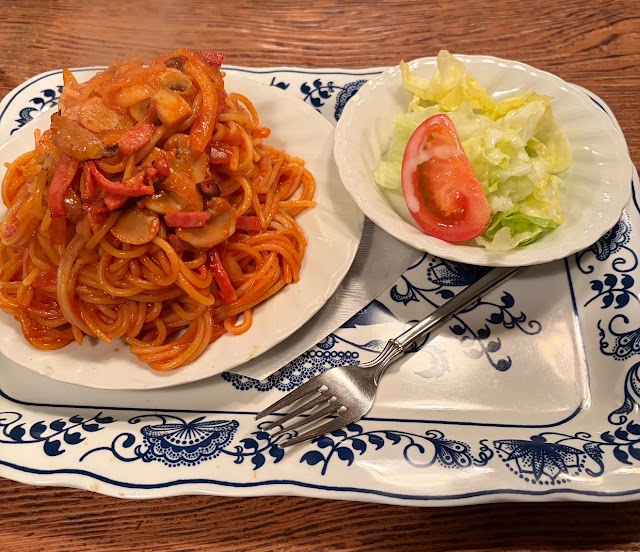
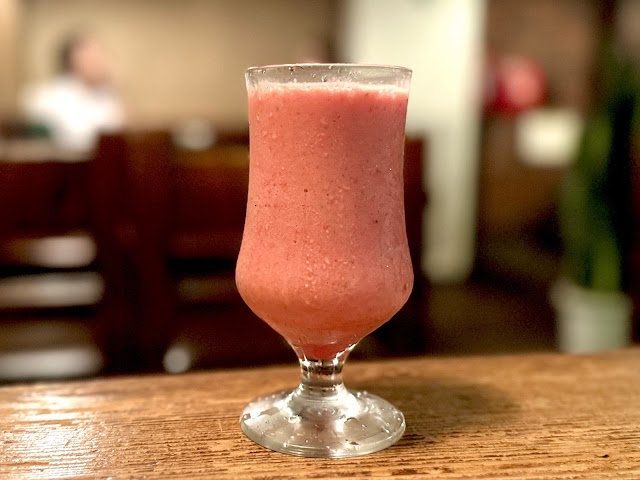
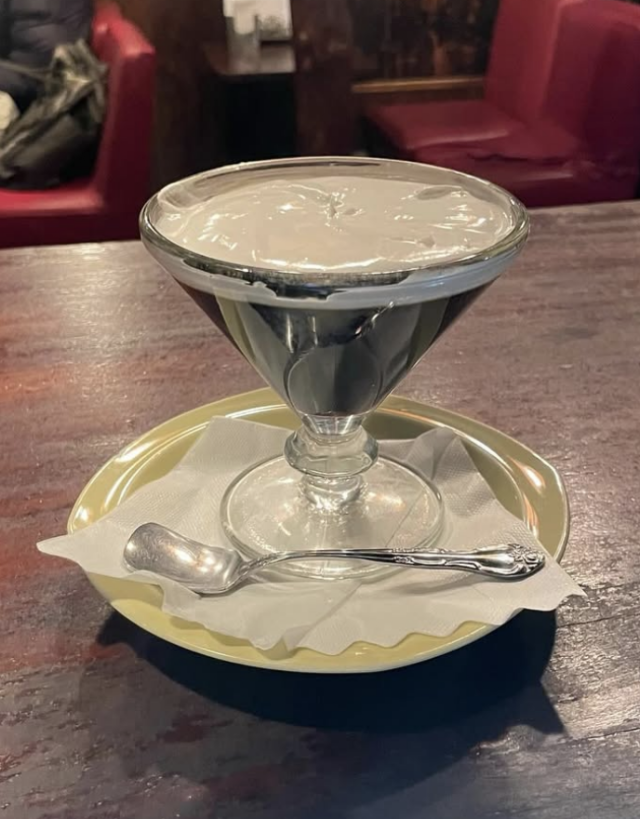
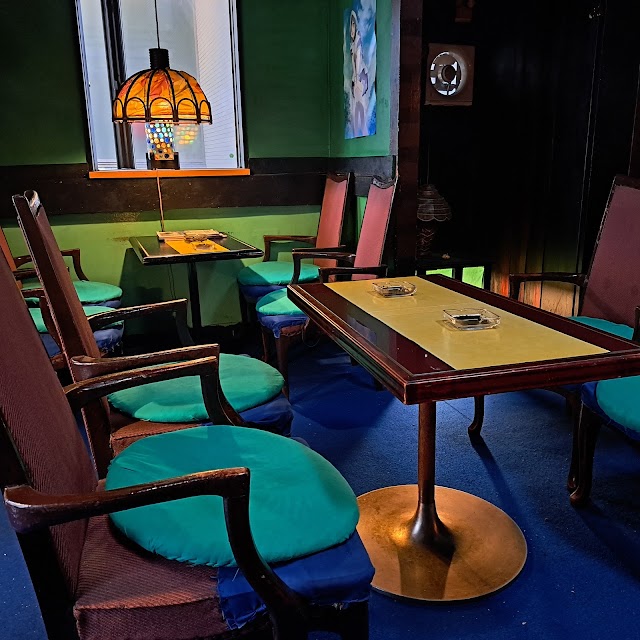
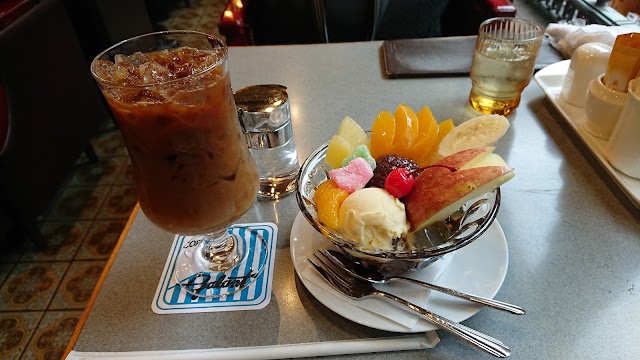
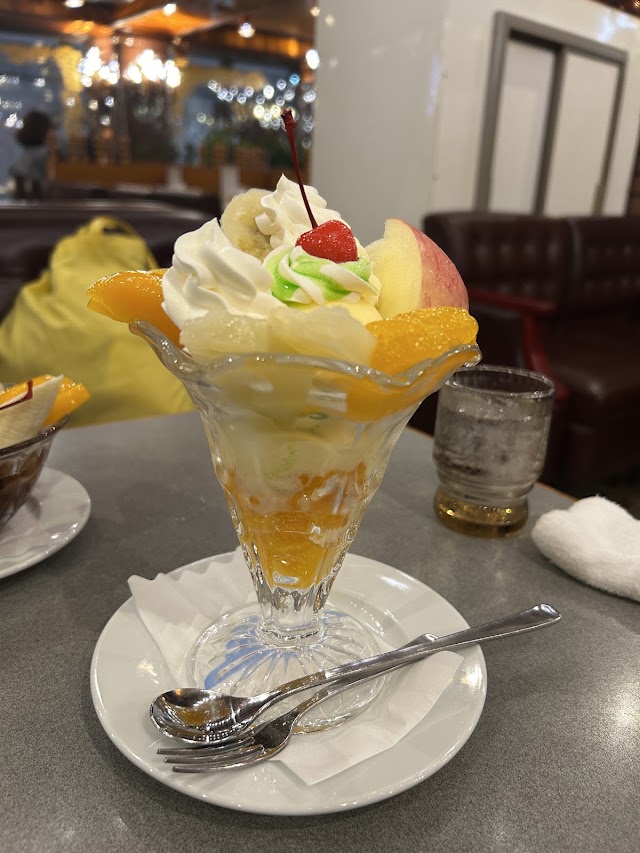
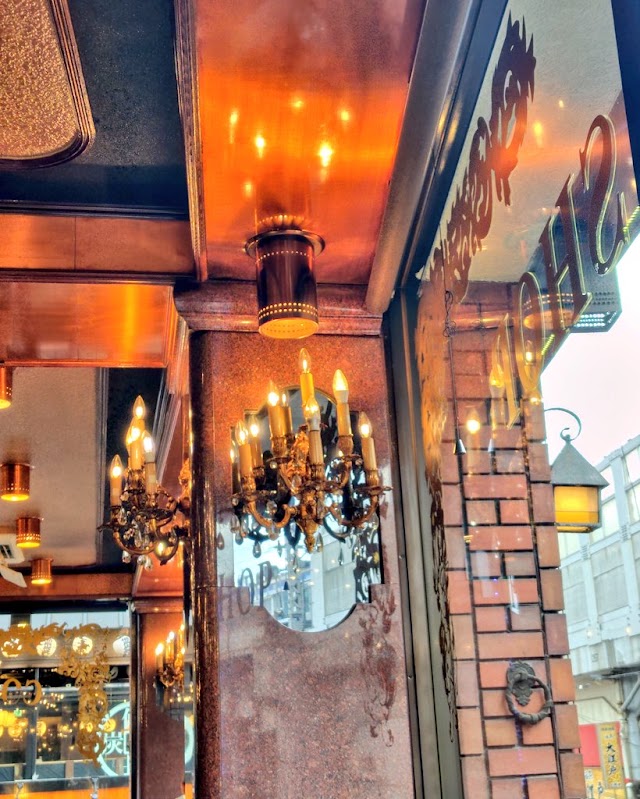
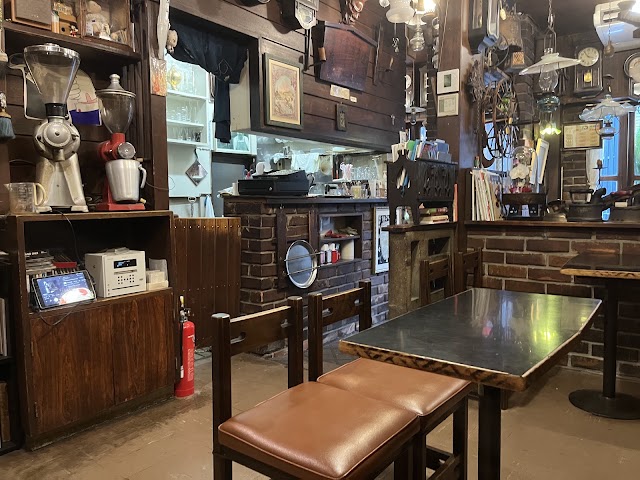
Taiwanese travelers tend to picture Tokyo coffee as chains or third-wave latte spots, but the city hides an older, deeper lineage: the junkissa (pure coffee house). A junkissa serves no alcohol and, really, sells not coffee but an entire Showa-era mood — velvet sofas, chandeliers, an old speaker playing classical music, and signatures no chain can copy: rainbow cream soda, firm custard pudding, pudding a la mode, thick egg sandwiches, and nostalgic Napolitan spaghetti. The Showa-retro revival has made these old cafes cool again with younger crowds, even rescuing shops that were about to close — Yanaka's Kayaba Coffee, a century-old townhouse saved by local residents, is the best example. These nine are grouped into three routes: time-capsule landmarks (Kayaba, Meikyoku Kissa Lion, Tricolore), Jimbocho-and-Ueno literary cafes (Saboru, Ladrio, Coffee Oujou), and signature-dish photo spots (Kissa You, Galant, Setagaya Jashumon). All can be visited on their own, need no coffee expertise, and are open year-round.
Tokyo's coffee story has two parallel lineages. One is the third-wave, light-roast, single-origin scene of Kiyosumi-Shirakawa; the other is the junkissa — the alcohol-free classic coffee house that sells an entire Showa-era atmosphere. These nine are arranged into three routes.
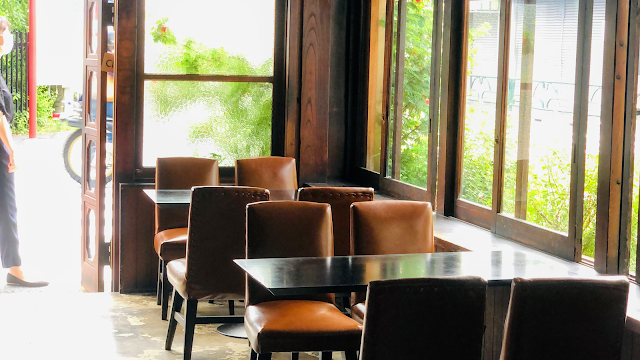
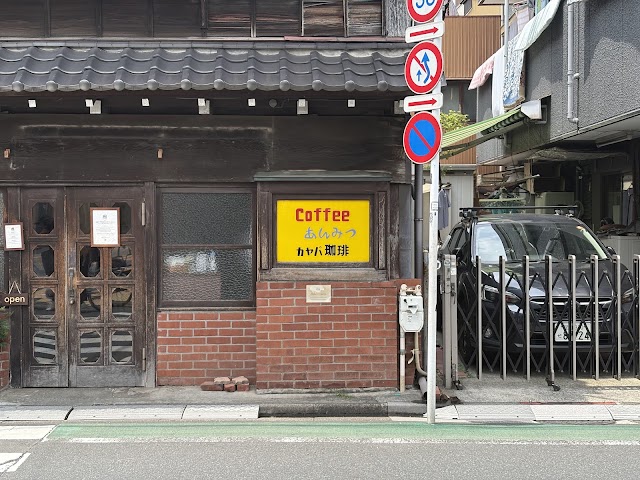
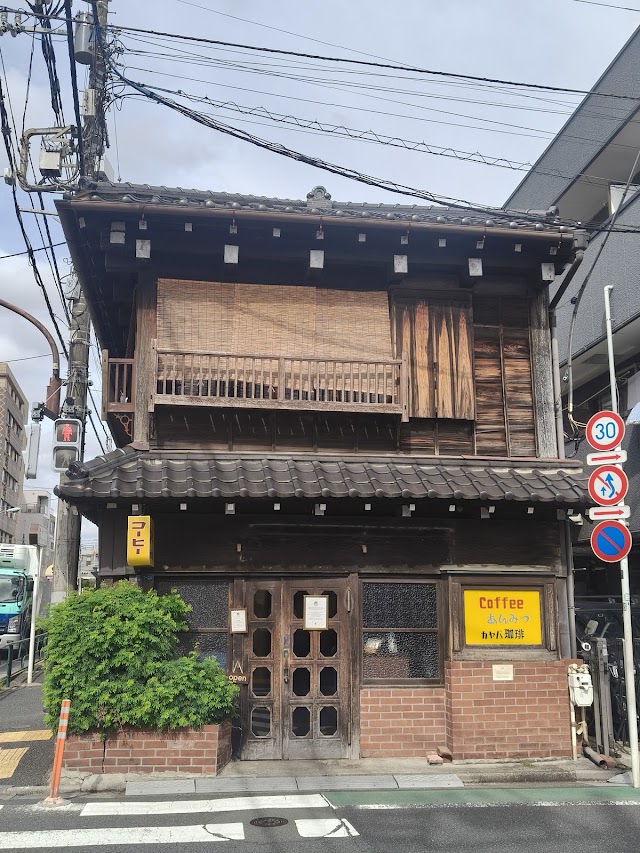
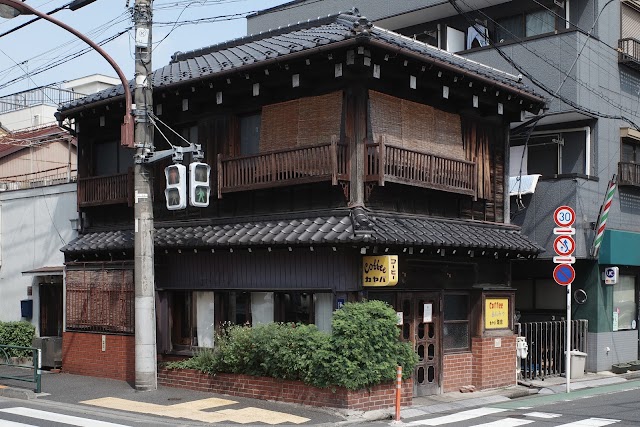
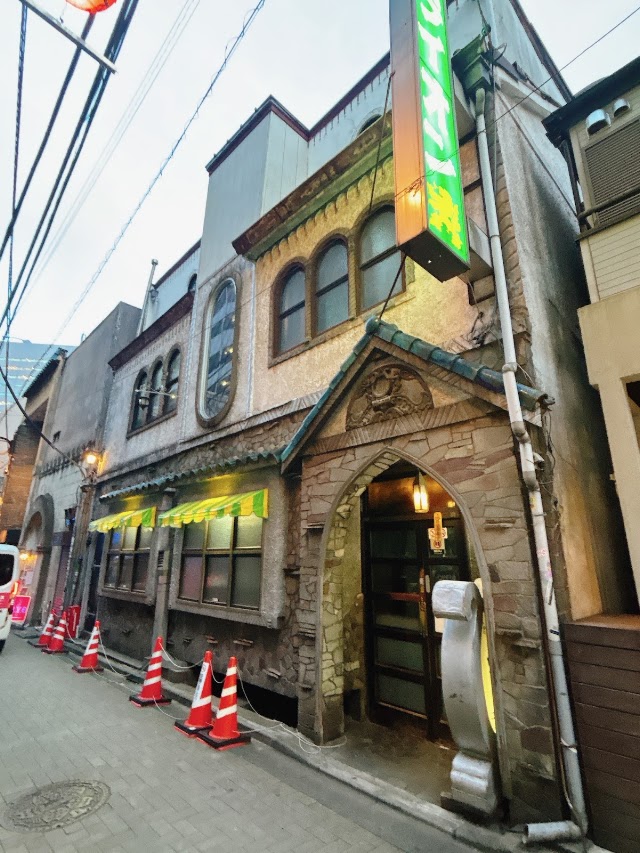
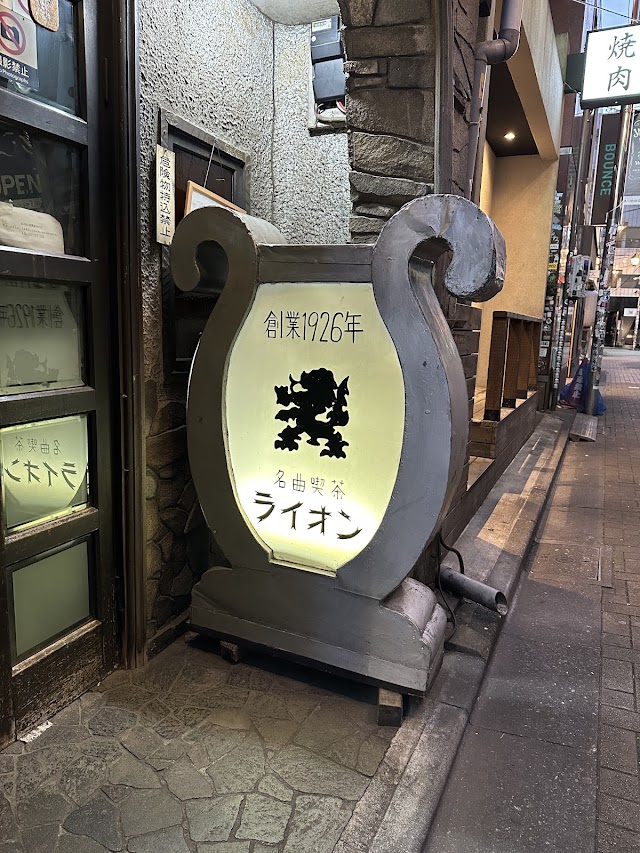
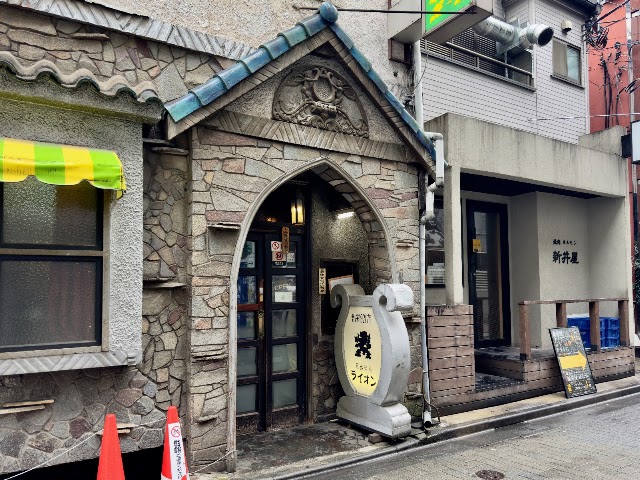
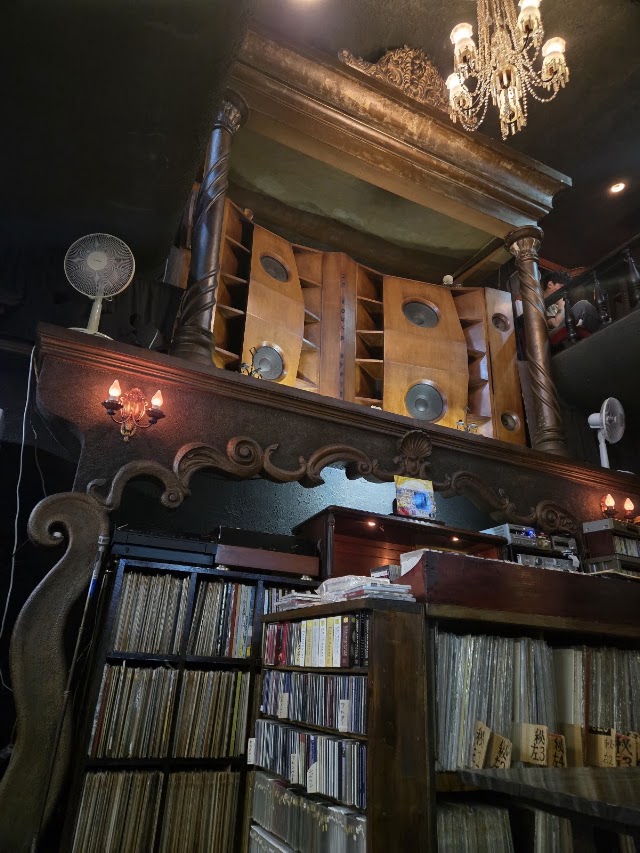
Route 1 — time-capsule landmarks: Yanaka's Kayaba Coffee occupies a 1916 townhouse, became a cafe in 1938, nearly demolished in 2006 and revived in 2009 by local residents and a neighborhood gallery. Shibuya's Meikyoku Kissa Lion (1926) is the oldest surviving 'classical-music cafe,' where guests face a giant vintage speaker in silence. Ginza's Tricolore (1936) is the template for refined Showa Ginza, still hand-brewing with a flannel drip.
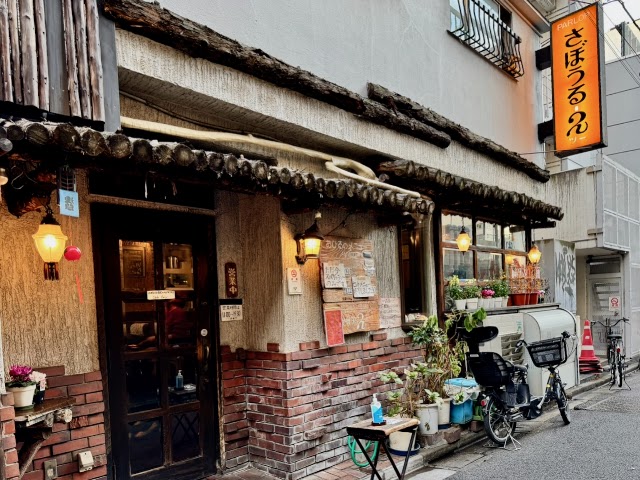
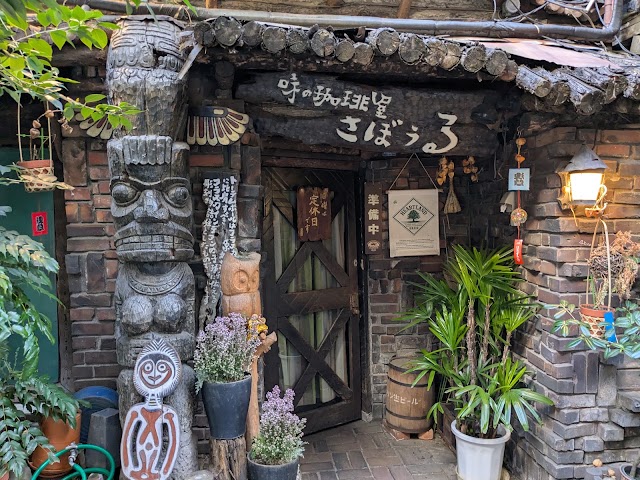
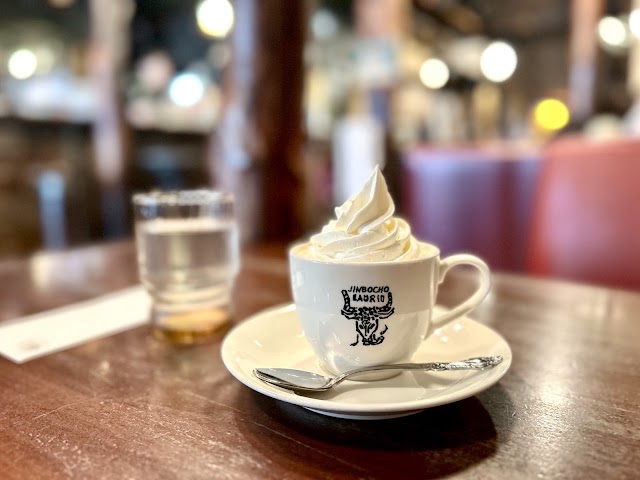
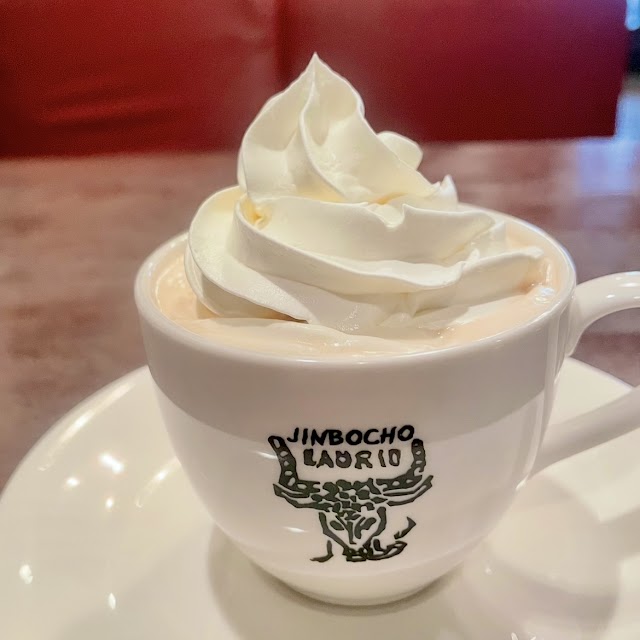
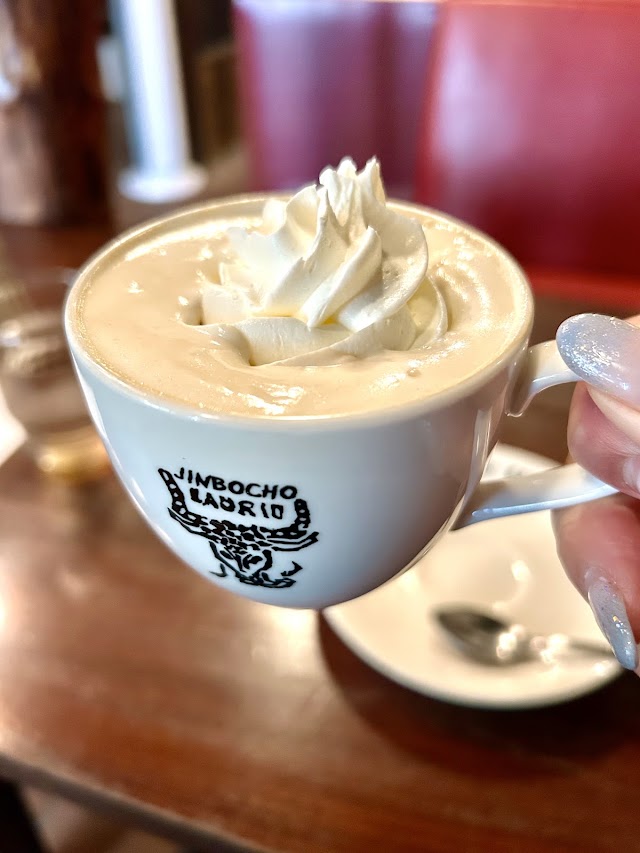
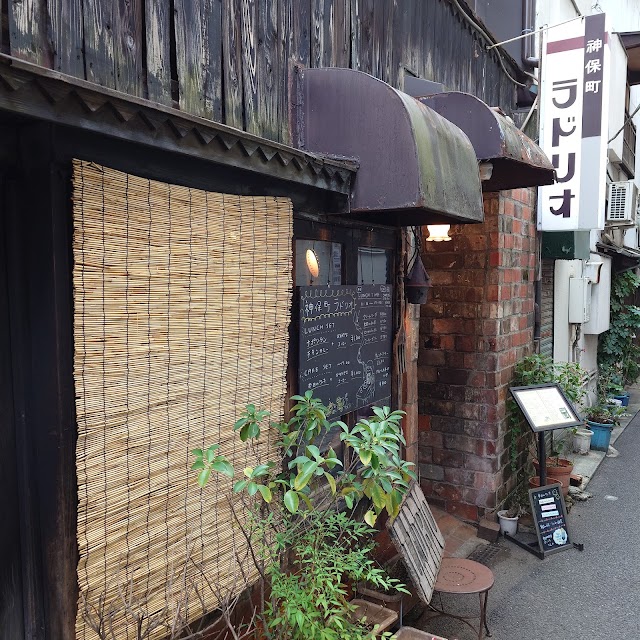
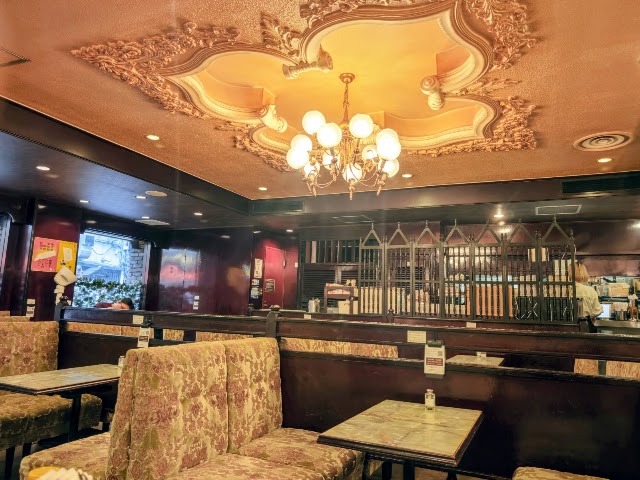
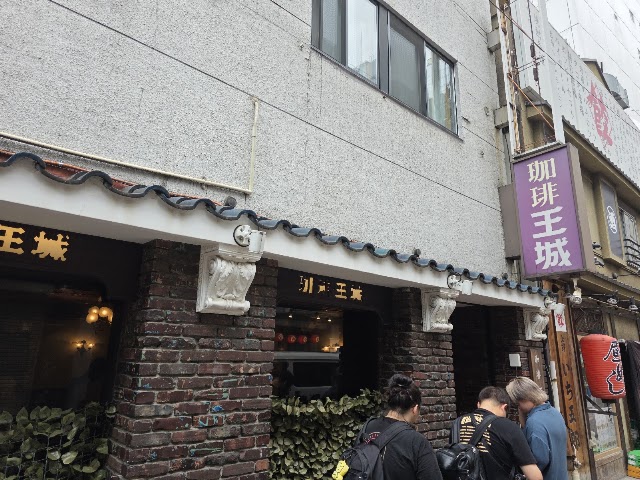
Route 2 — literary cafes: In the Jimbocho used-book district, Saboru (1955) is famous for cabin-like alcove seating and rainbow cream sodas, while nearby Ladrio (1949) is the birthplace of Japanese Vienna coffee. Ueno's Coffee Oujou is a palace-style legend with chandeliers and its signature pudding a la mode.
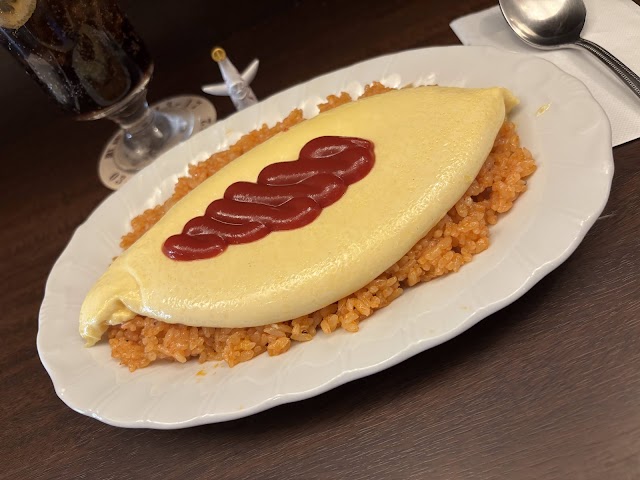
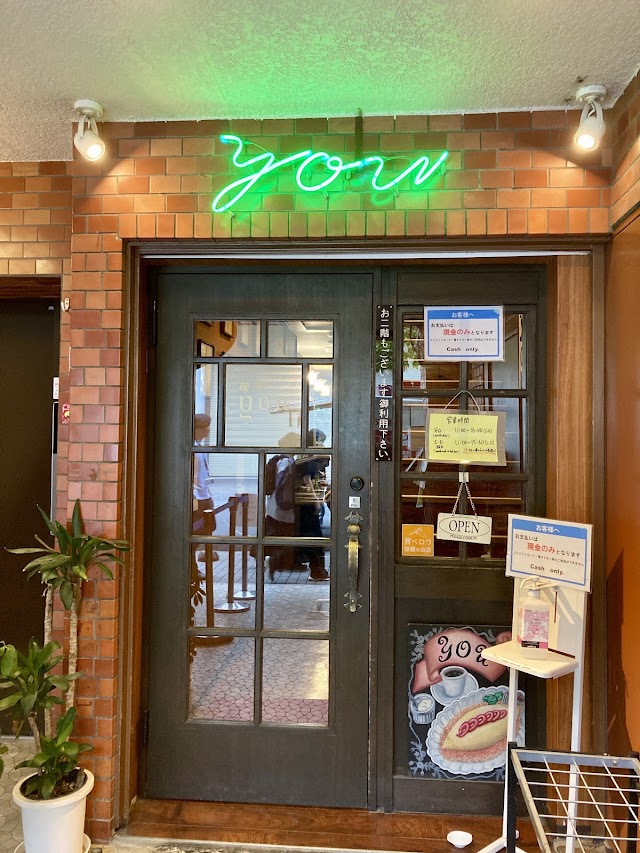
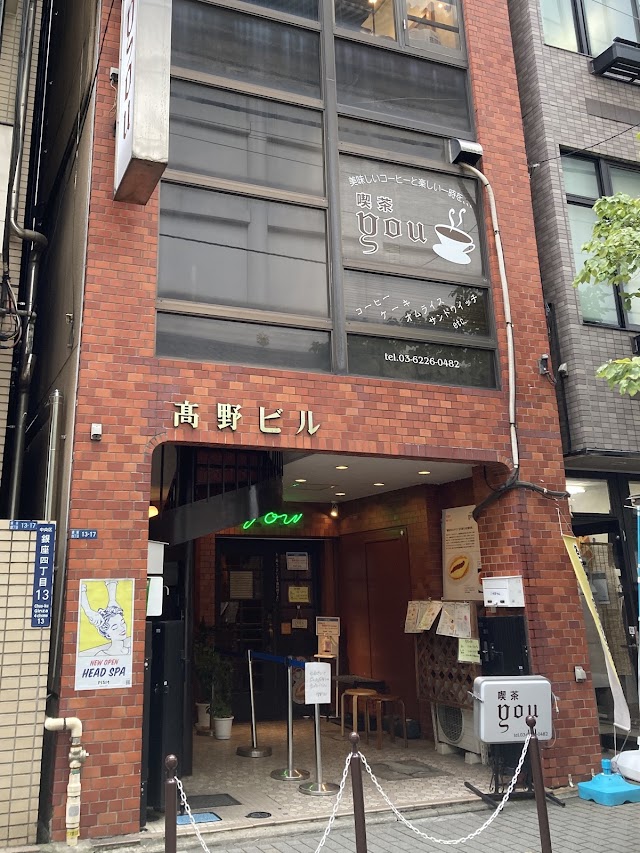
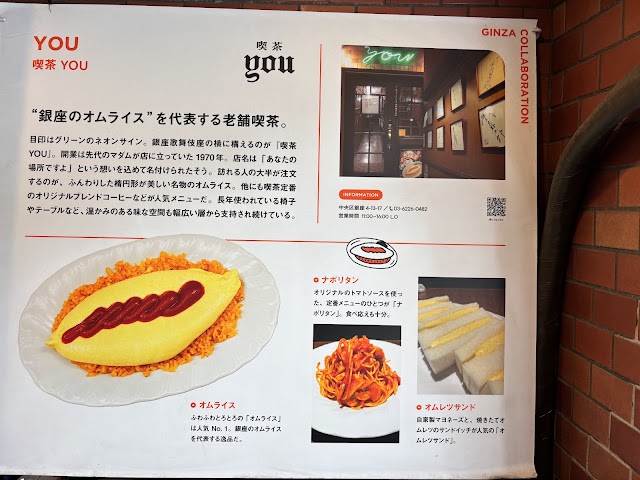
Route 3 — signature-dish photo spots: Kissa You by Kabukiza serves one of Tokyo's most famous silky omurice; Galant by Ueno Station has staff in red tartan uniforms and vivid cream sodas; Setagaya's Jashumon keeps its founding-era interior almost untouched, a connoisseur's pick away from the crowds.
For first-time Taiwanese visitors: junkissa need no coffee expertise. Pair Saboru + Ladrio in Jimbocho, Coffee Oujou + Galant by Ueno's Ameyoko, and Tricolore + Kissa You in Ginza. Note the no-talking rule at Meikyoku Kissa Lion, expect weekend lines, and confirm prices on site.
 Scan for map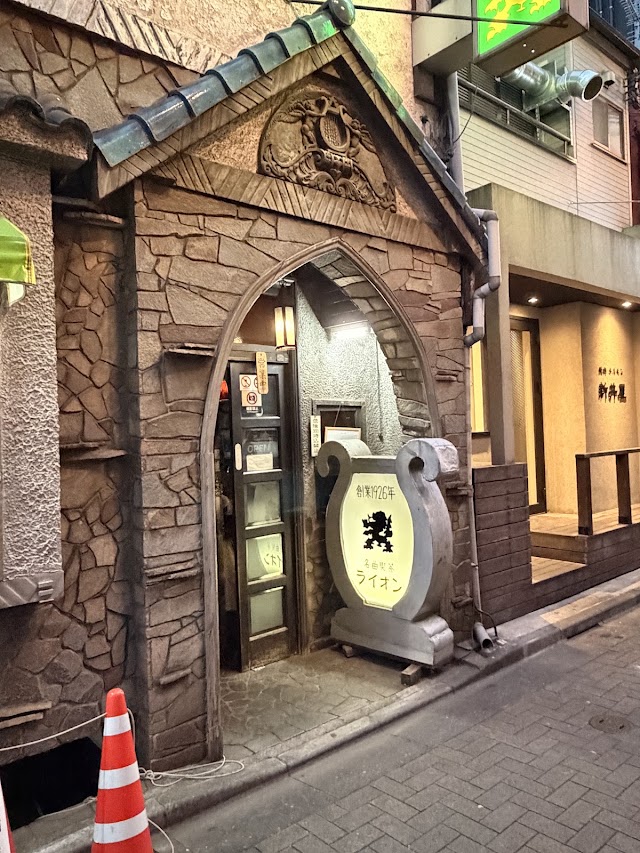
 Scan for map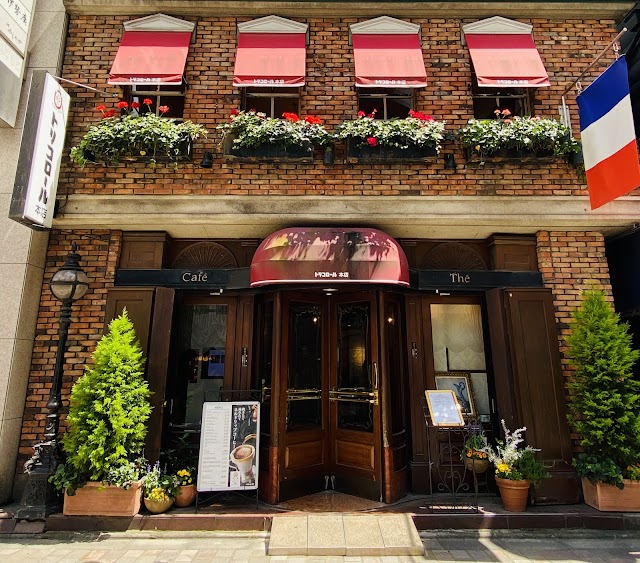
 Scan for map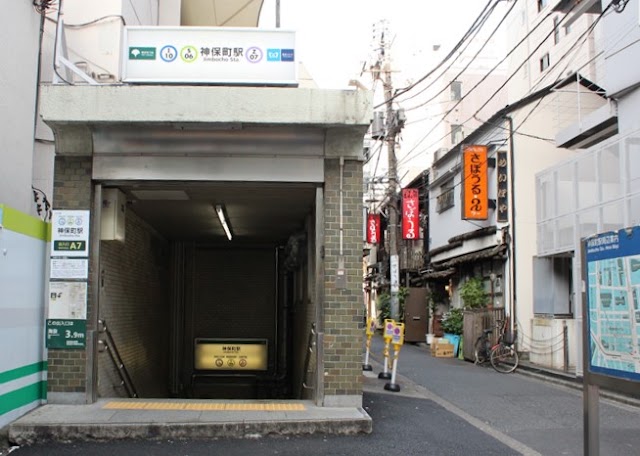
 Scan for map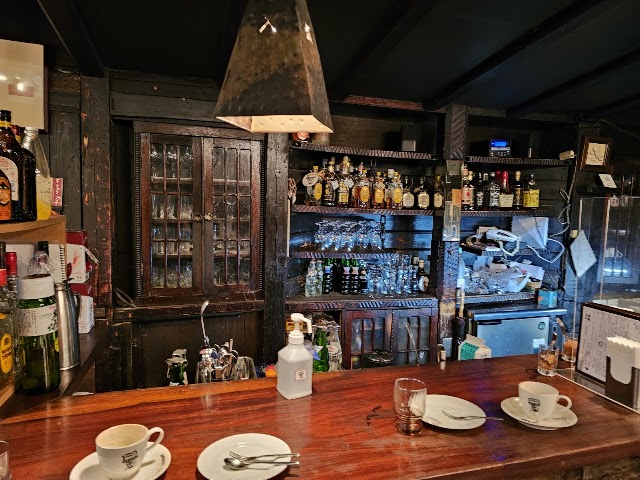
 Scan for map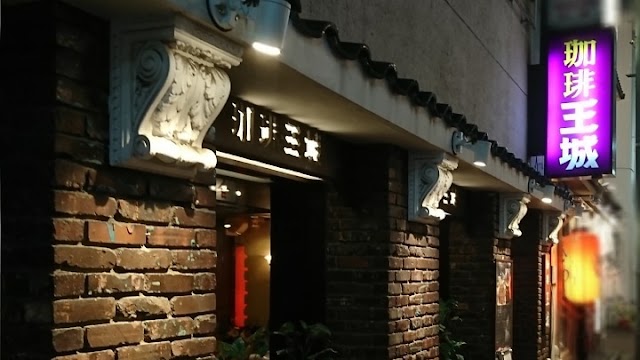
 Scan for map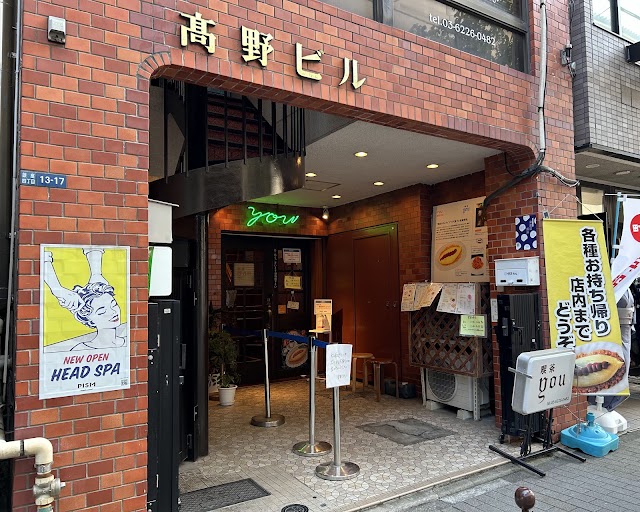
 Scan for map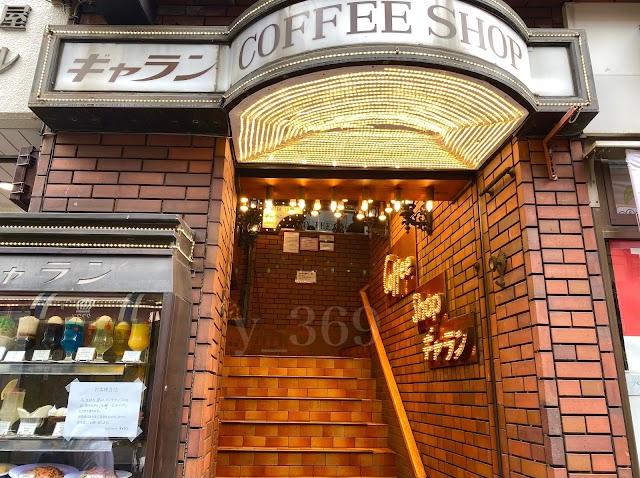
 Scan for map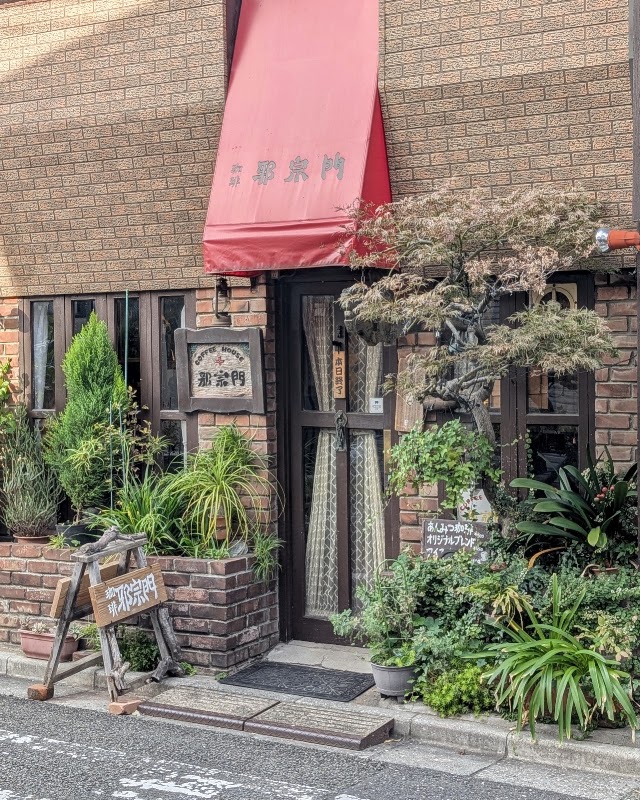
 Scan for map