Eighty Percent Foreign Clients: How Japanese Salons Turned Haircuts Into Tourism Revenue
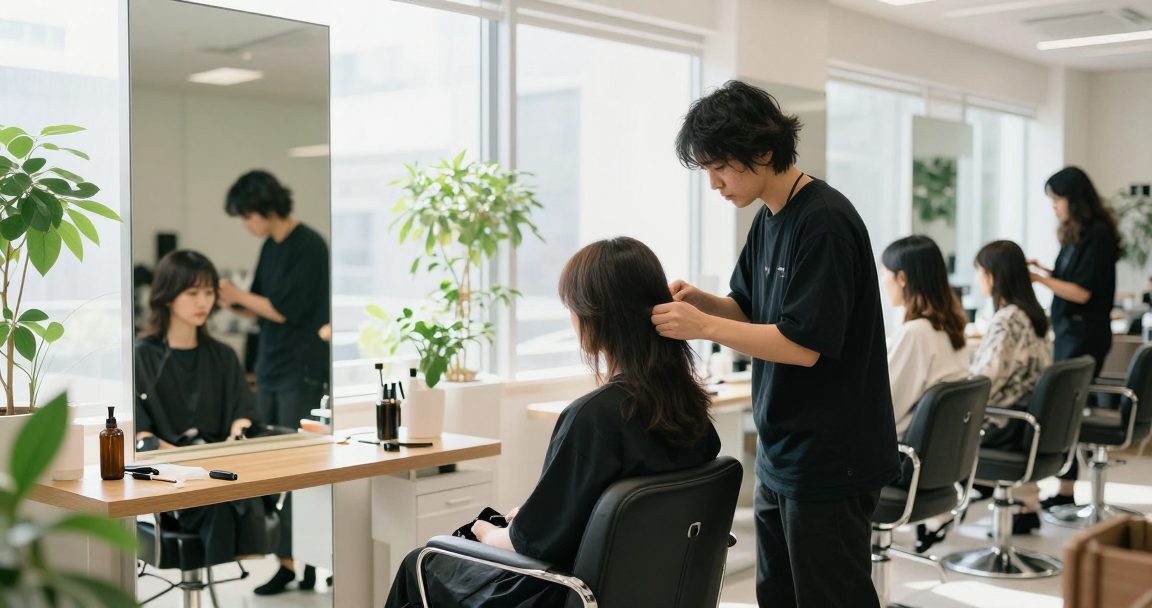
- 'J-beauty' bundles cosmetics, salons and spas into an export brand pushing overseas
- Some salons now draw 80% of clients from inbound tourists via English service and SNS
- Non-takeaway services like haircuts are becoming experiential travel spending
- The edge is language and social marketing, not discounting — ticket prices can rise
- A replicable 'service-based domestic demand x inbound' model for tourism entrepreneurs
Japan is turning 'beauty' into an export business. Under the 'J-beauty' brand, cosmetics, hair salons and spas are pushed overseas — and the most striking case is hair salons, some of which now draw 80% of clients from inbound tourists. The shift matters because it monetizes services you cannot take home: haircuts and coloring must be experienced on-site, binding them to the travel itinerary and turning local demand into tourism revenue. The playbook rests on two capabilities — English-language service that lowers the barrier for non-Japanese speakers, and SNS that turns 'a Japanese salon experience' into searchable, shareable content. Crucially, this is not discounting; packaged as an only-in-Japan experience, ticket prices can rise. For entrepreneurs, it is a replicable, lower-capital model than building a hotel: a reputable local service, a language interface, and a social channel. Risks: reliance on the inbound boom and a weak yen, chronic labor shortages, and easy imitation, meaning the real moat is brand and social presence. Watch whether inbound spending keeps shifting from shopping to experiences, whether players scale single-shop models into chains, and the direction of the yen.