us-reimposes-hormuz-blockade-nikkei-whipsaws-1900-points-what-markets-are-betting
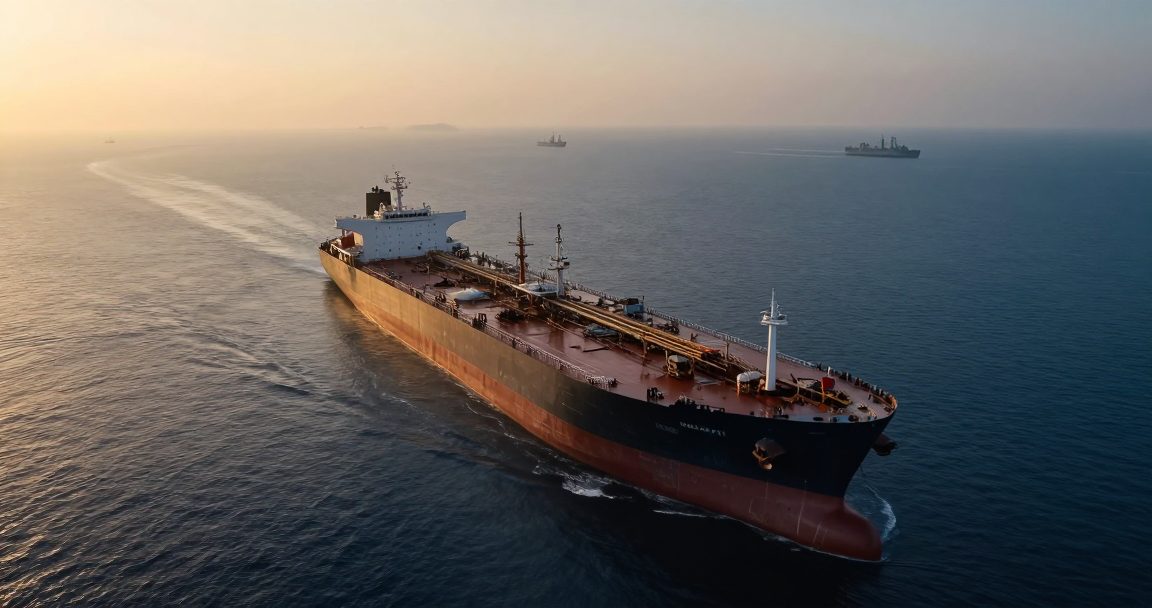
- US Central Command reimposed a naval blockade on ships using Iranian ports from July 15, 5am JST
- Trump withdrew his earlier 'compensation' demand; US-Iran exchanges of strikes continue
- The Nikkei plunged over 1,900 points intraday Monday, then rebounded Tuesday on chip buybacks
- Oil-driven import costs and safe-haven flows are pulling the yen in opposite directions
- Japan's energy agency is sourcing crude via routes bypassing the strait
The US has reimposed a naval blockade on vessels using Iranian ports, restarting from 5am JST on July 15, while withdrawing Trump's earlier 'compensation' demand. Markets have already voted twice: Monday the Nikkei plunged more than 1,900 points intraday with Korean stocks down over 8%, and Tuesday brought a rebound as oil's surge paused and semiconductor names were bought back. The yen slipped — safe-haven demand lost out to the terms-of-trade hit from dearer crude. The structure matters: equities are still trading geopolitical conflict as short-term noise, but this time the blockade is a physical operation with real escalation risk, and Japan's inflation backdrop means higher oil feeds directly into the BOJ's case for further hikes. Japan imports roughly 90% of its crude from the Middle East; alternative routes diversify shipping risk, not price risk. Three scenarios: a long standoff with oil a step higher, an escalation that closes the strait and slams risk assets, or a diplomatic break that turns this week's dip into a buying opportunity. Watch tanker transit volumes, crude spreads, and BOJ language on import prices.