japan-greenlights-zero-day-minpaku-rules-cities-can-ban-home-sharing-in-residential-areasA · FULL TRANSLATION
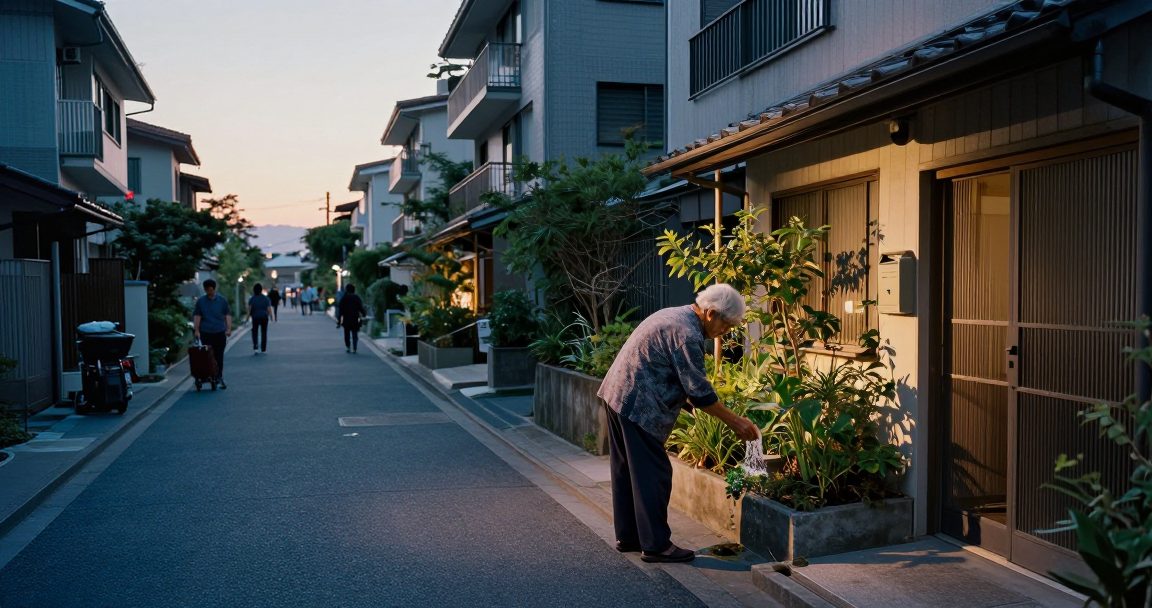
- Japan's tourism agency issued technical advice allowing municipalities to set minpaku operating caps at zero days
- Local governments can ban new home-sharing and even restrict existing operations in troubled areas
- Ordinances may mandate ICT monitoring: noise meters, entrance cameras, data retention
- It reverses the 'industry cultivation' stance held since the 2018 minpaku law
- For investors: compliance costs rise, supply shrinks, surviving legal assets get repriced
If you own or plan to buy a short-term rental property in Japan, the rules changed on July 15. The Japan Tourism Agency issued formal technical advice to municipalities endorsing 'zero-day regulation' — ordinances that cap minpaku operating days at zero in residential zones, an effective ban. The notice has two pillars. First, location control: within reasonable necessity, municipalities may block new registrations and, in areas already suffering harm, restrict existing operators too. Second, mandatory ICT management: ordinances can require noise meters, entrance cameras and retention of monitoring data. Together they end the free-growth era. The reversal is striking — when the 2018 home-sharing law launched, the agency held that outright local bans were inappropriate, framing minpaku as an industry to cultivate. Eight years of noise, garbage and safety disputes in Kyoto, Osaka and beyond flipped the stance from volume to quality control. Expect hotspot cities to tighten first, shrinking residential-zone supply and lifting the value of licensed ryokan, hostels and special-zone rentals; existing properties face a repricing period as transitional treatment varies by city. Buyers should now weigh zoning and municipal attitude ahead of headline yields, and budget for ICT compliance. Watch Kyoto, Osaka and Tokyo ward ordinances, transition rules, and platform delisting policies.
Summary of the Japan Tourism Agency's July 15 release: the agency notified local governments of technical advice under the Local Autonomy Act concerning 'zero-day regulation' of registered minpaku under the Private Lodging Business Act. Key points: (1) Location regulation by ordinance — within reasonable and necessary limits, municipalities may prohibit new private lodging businesses or restrict operating days, including setting them to zero; in areas where harm has already arisen, restrictions on existing registered homes are also possible. (2) Mandatory ICT-based management — ordinances may require noise meters, entrance-monitoring cameras, and retention of records for a set period such as one year, according to local circumstances. Actual rules will be set by each municipality's ordinance; refer to the original notice for full details.