kyoto-overtourism-data-debunks-blame-on-chinese-tourists-concentration-is-the-culprit
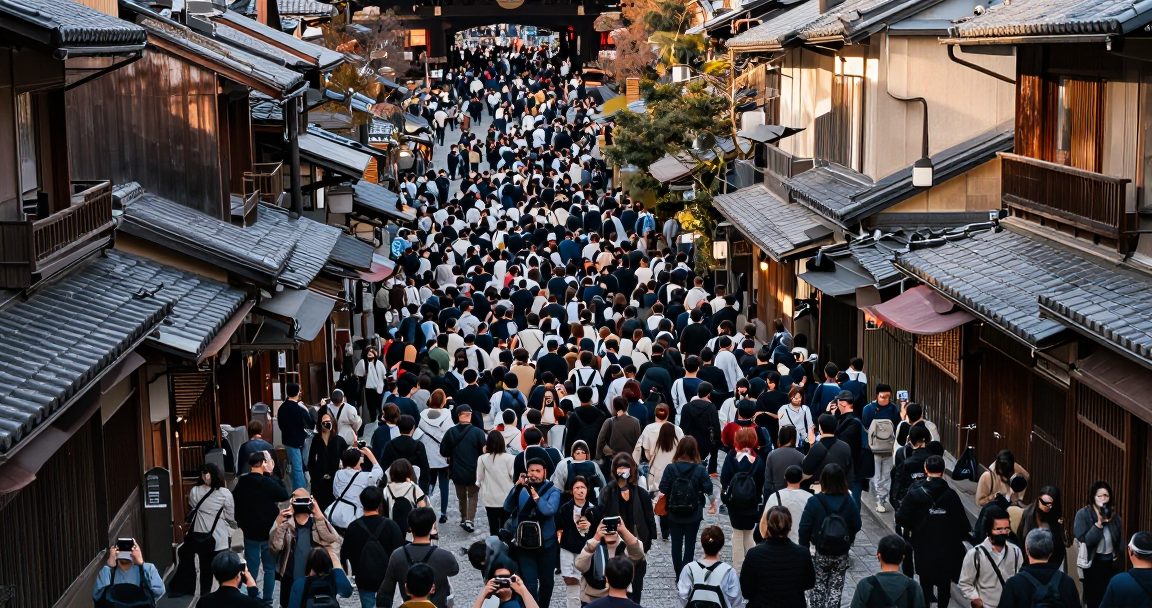
# Kyoto overtourism# Japan tourism# visitor dispersion
Key Points
- ITmedia's analysis finds blaming Chinese tourists for Kyoto's crowding contradicts the data
- The real issue is dual concentration: peak seasons and a handful of famous spots
- Crowding persists even as Chinese arrivals halved, proving structure over nationality
- Dispersion via pricing, timing and routes beats crude visitor caps
Analysis
'Kyoto is overrun because of Chinese tourists' — ITmedia dismantles the popular claim with data. Kyoto's overtourism is a concentration problem: temporal (cherry-blossom, autumn and holiday peaks) and spatial (Kiyomizu, Fushimi Inari, Arashiyama and specific bus routes). Chinese arrivals halved this year, yet the hotspots remain packed — structure, not nationality. The city's remedies point to dispersion: scrapping the one-day bus pass, raising lodging tax, promoting off-peak and suburban routes. For travelers, the 'reverse Kyoto' of early mornings and outer districts delivers far more; for tourism entrepreneurs, the supply gap sits on secondary corridors like Uji and Otsu.