Tokyo Depachika 2026: Nine Department-Store Food Halls, From Isetan Shinjuku the 'King of Depachika' and Seibu Ikebukuro's 180-Shop Giant to Daimaru's Station-Side Hoppe Town — Plus the Evening Discount Timetable
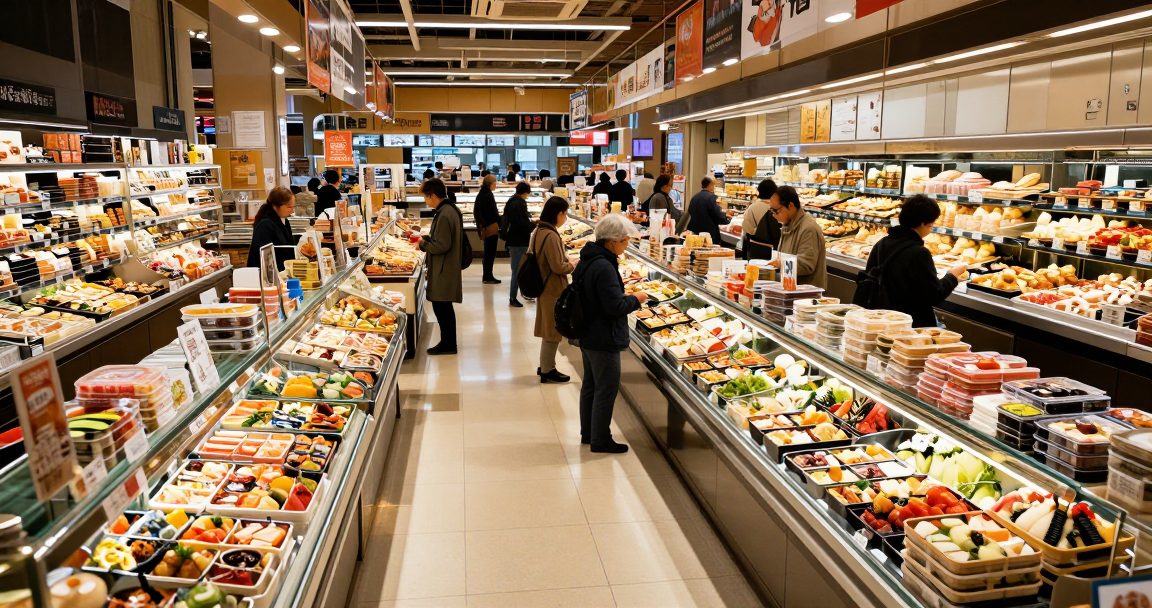
- Depachika = department-store basement food hall, a takeout institution: deli sozai, famous-name bento, and gift confectionery — a different animal from dine-in food courts
- Three routes, nine picks: champions (Isetan Shinjuku / Seibu Ikebukuro ~180 shops / Daimaru Tokyo at Tokyo Station), heritage (Nihombashi Mitsukoshi 1904 / Nihombashi Takashimaya / Ginza Mitsukoshi with food concierges), new wave (Matsuya Ginza / Shibuya Tokyu Food Show / GINZA SIX B2)
- Money move: time-sales start 1–2 hours before closing with 30–50% off same-day bento and deli; weekday mornings are quietest, Sunday afternoons busiest
- Souvenir rule: ask how many days an item keeps (hi-mochi) — shelf-stable goods travel to Taiwan, fresh confections are same-day only; July adds ochugen gift season and chilled summer sweets
- Most food halls offer tax-free shopping on consumables over ¥5,000 per store (sealed-bag rule); bring your passport
The depachika — the basement food hall of a Japanese department store — has no real equivalent abroad. Unlike Taiwan's dine-in basement food courts, the depachika is a takeout institution: freshly made sozai (deli side dishes), bento from famous restaurants, and beautifully boxed Japanese and Western confectionery, with a 170-year-old Edo bento shop and a French patissier's first Japan boutique trading side by side. For travelers it works three ways: by day it is a one-stop souvenir depot (ask 'hi-mochi wa dore kurai?' — how many days does it keep? — before you buy); in the last hour or two before closing, same-day bento and deli go on time-sale at 30–50% off, and a wagyu hamburg bento back at your hotel beats most restaurant dinners for half the price; Sunday afternoons are the crowd trap to avoid. July adds a bonus layer: ochugen (midsummer gift) season is at its peak and chilled summer sweets like mizu-yokan fill the counters. This guide sorts Tokyo's depachika into three routes of three — the all-round champions, the heritage halls of Nihonbashi and Ginza, and the new-generation showcases — so you pick by itinerary, not completionism.
Route 1, the champions: Isetan Shinjuku's main-building B1 is widely rated Tokyo's best depachika — a national No.2 behind Osaka's Hankyu Umeda in one 120-store survey — with what many call Japan's best sweets lineup and rotating exclusive pop-ups. Seibu Ikebukuro plays the scale card: roughly 180 shops across two basement floors, said to be Japan's largest, with some 50 deli counters cooking on site and a BENTO Station gathering about 100 bento from 40 brands. Daimaru Tokyo's 'Hoppe Town', connected directly to Tokyo Station's Yaesu side across 1F and B1, is the logistics king — Meat Yazawa's kuroge wagyu hamburg bento is legendary shinkansen fare. Route 2, heritage: Nihombashi Mitsukoshi, Japan's original department store (its 1904 'Department Store Declaration') and an Important Cultural Property building, lines up Bentmatsu (one of Japan's oldest bento makers), Imahan and Maisen; Nihombashi Takashimaya (the first department-store building designated an Important Cultural Property) counters with fruit-parlour pioneer Sembikiya and the perpetually sold-out Sagaeya rice crackers; Ginza Mitsukoshi adds resident food concierges and Japan-exclusive counters such as Frédéric Cassel. Route 3, the new wave: Matsuya Ginza as a launchpad for department-store-first brands; Shibuya Tokyu Food Show, relaunched in 2021 as part of the four-site 'SHIBUYA FOOD ISLANDS'; and GINZA SIX's B2 with its curated 23-shop sweets floor, home to Kurogi Chacha's matcha kuzu confection in a paulownia box. Sources: Mitsukoshi-Isetan FOODIE, Otonano Shumatsu Web, Mapple Web, Hanako Web, Fashion Press, Tokyu Dept. and GINZA SIX official sites.
 Scan for map
 Scan for map
 Scan for map
 Scan for map
 Scan for map
 Scan for map
 Scan for map
 Scan for map
 Scan for map