Priced Out of Hawaii: Why Japanese Travelers Call This Vietnamese Beach the Last Paradise
- The weak yen has pushed traditional destinations beyond many Japanese budgets
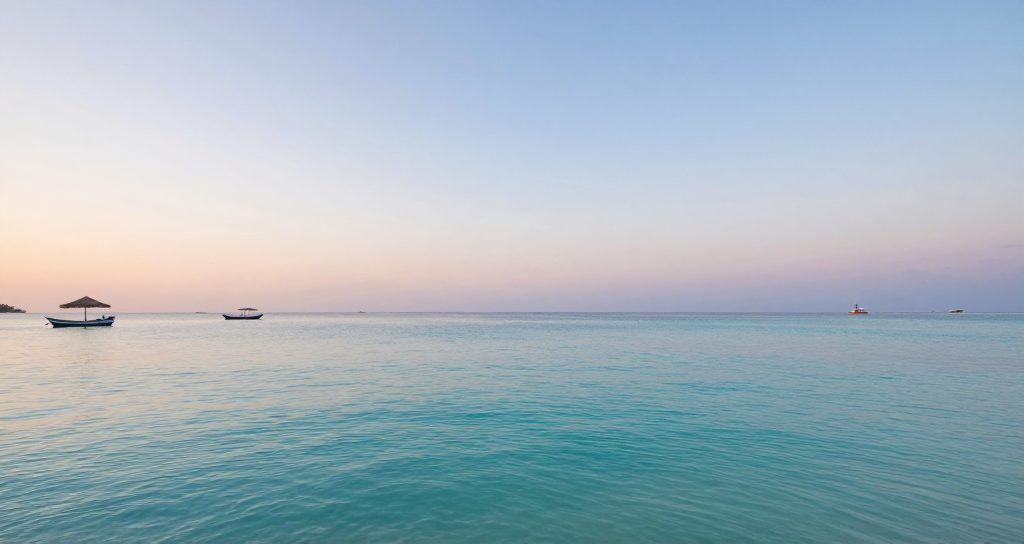
- Quy Nhon in central Vietnam is dubbed the Vietnamese Maldives
- Quiet beaches, affordable resorts and cheap seafood drive its appeal
- Japanese outbound travel is migrating to short-haul Southeast Asia
- The pattern maps the tourism development cycle for investors
While foreign tourists flood into cheap Japan, Japanese travelers face the mirror image: the weak yen has made Hawaii and Europe 50% pricier than pre-pandemic, and outbound travel remains stuck below 2019 levels. Toyo Keizai tracks where the squeezed travel budget is going—to places like Quy Nhon, a central Vietnamese beach town locals call the Vietnamese Maldives.
Quy Nhon hits every note for the yen-poor traveler: undeveloped quiet beaches, reasonably priced resorts, cheap excellent seafood, and a short flight. It is a classic second-wave destination—Da Nang and Nha Trang matured and got expensive, and Quy Nhon sits in the gap, early in the cycle that runs from backpacker discovery through budget-airline routes to international hotel chains.
The historical rhyme is exact: the post-Plaza Accord strong yen sent Japanese tourists conquering Hawaii in the 1980s; today's weak yen runs the machine in reverse. Exchange rates set a nation's travel radius.
For the tourism trade, the old assumption that Japanese tourists mean high budgets is gone—total price now beats luxury in closing sales. Watch Japan's monthly outbound recovery, new LCC routes into central Vietnam, and resort investment heat in Quy Nhon. Cheap and quiet never lasts; that paradox is the entire secret of timing in tourism investment.