WTI Back Above $85 on US-Iran Escalation: Japan's Wallet Feels It First
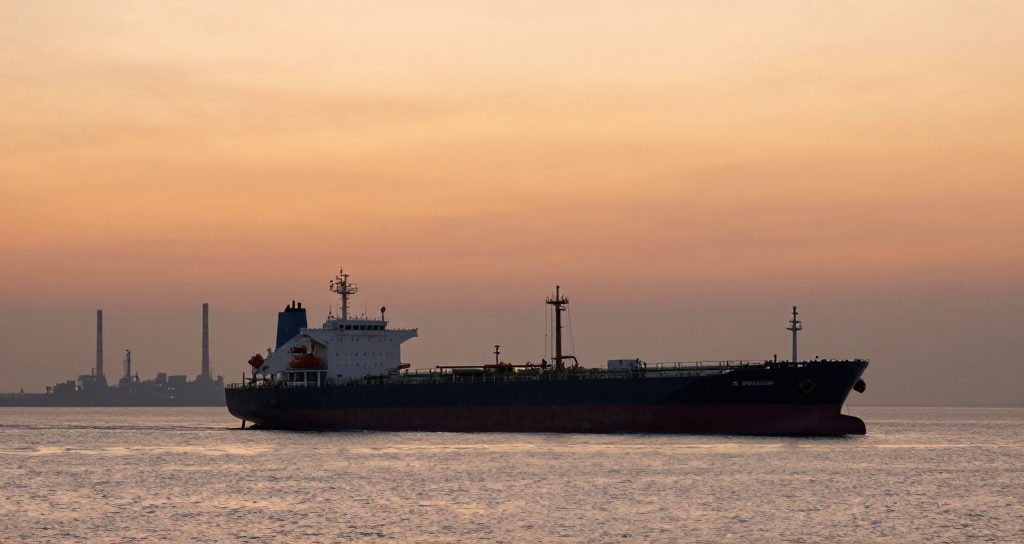
- WTI futures touched the $85 range on July 19, the highest in about a month
- Escalating US-Iran conflict, including sustained US strikes, is driving the risk premium
- Japan relies on the Middle East for over 90% of its crude imports
- Higher oil widens Japan's trade deficit and pressures the yen, electricity and fuel prices
- Renewed imported inflation would complicate the Bank of Japan's rate path
WTI crude touched $85 a barrel on July 19, a one-month high, as the US-Iran confrontation escalated with sustained American strikes. For Japan, which imports over 90% of its crude from the Middle East through the Strait of Hormuz, every dollar of oil upside travels a familiar chain: import bills, trade balance, the yen, consumer prices, and ultimately the Bank of Japan's rate calculus.
The mechanism was on full display in 2022, when post-Ukraine oil above $120 produced a record Japanese trade deficit and a yen past 150. Today's $85 is far from crisis levels, but the direction is identical. Gasoline and electricity prices follow crude with a one-to-three-month lag; government fuel subsidies can absorb some shock at fiscal cost. Renewed cost-push inflation would muddy the BOJ's judgment just as it weighs normalization.
Three scenarios: de-escalation sends oil back to the $70s—the benign path; a contained but grinding conflict keeps crude at $80–90, slowly eroding real incomes—the base case; actual disruption of Hormuz shipping sends prices past $100 and forces reserve releases—low probability, outsized impact.
Japan's energy self-sufficiency hovers near 15%, with petroleum reserves above 200 days of imports, restarted reactors, and renewables as volume buffers—none of which blunt price shocks that feed through to power bills and logistics with a lag, while fuel subsidies pile trillion-yen fiscal costs.
Investors should watch whether $85 holds, any physical interference with Hormuz shipping, Japan's monthly energy import bill, and subsidy extensions. Oil remains the most honest thermometer of geopolitics, and Japan is among its most sensitive readers.