Tokyo Sento & Sauna Guide 2026: Ten Places to Sweat on Purpose — Karumaru's Four Saunas and Four Cold Baths, the Sacred Ground of 'Sado' in Ueno, and Century-Old Bathhouses for 550 Yen
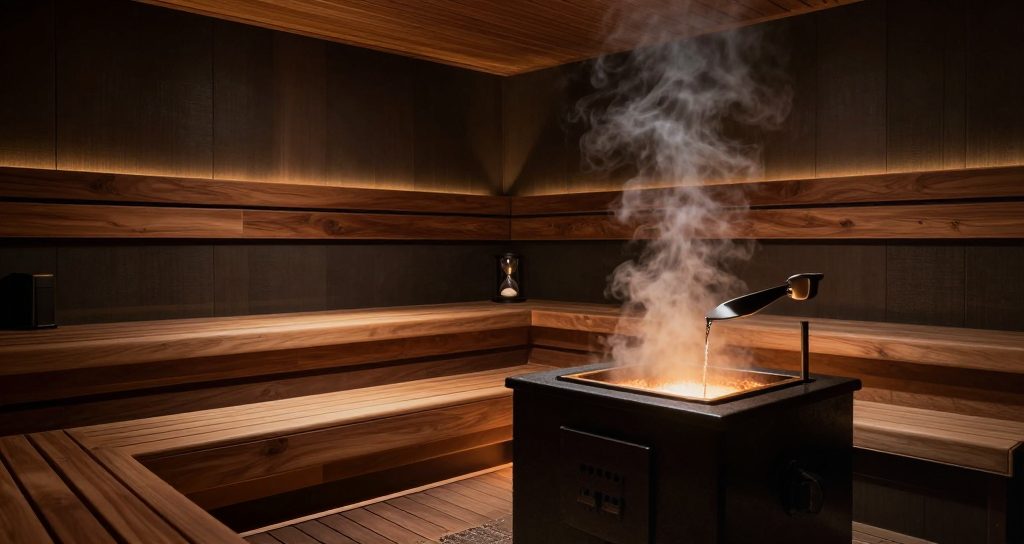
- Two cultures in one guide: purpose-built sauna temples (3,000-yen class, the ceiling of totonou culture) and sento bathhouses (uniform 550 yen citywide)
- Three routes, ten picks: sanctuaries (Karumaru's 4x4 saunas and plunges / Hokuo, the 'Sado' filming stage / Sauna Tokyo's time-slot system / Thermae-Yu Nishiazabu for couples), designer sento (Koganeyu's loyly and craft beer / Kairyoyu's whale mural / Kosugiyu Harajuku's milk bath), and originals (Kosugiyu Koenji 1933 / Haginoyu's best-value sauna / Sakaeyu's natural onsen)
- Check gender rules first: Karumaru, Hokuo and Sauna Tokyo are men-only; the women-friendly line runs Thermae-Yu Nishiazabu, Koganeyu, Kairyoyu, Haginoyu and both Kosugiyu houses
- Etiquette: bathe nude, keep towels out of the water; tattoo policies vary — most sento allow them, dedicated facilities often restrict; Hokuo requires advance booking, Koganeyu issues online sauna tickets
- Summer bonus: an air-conditioned body makes the sauna-to-plunge contrast sharper than winter, and the night breeze at open-air rest is the sell; hydrate after
- Budget formula: 550-yen bath plus 300-550-yen sauna completes a full totonou under 1,000 yen — Haginoyu's 850-yen weekday total is Tokyo's strongest value
In July Tokyo, you sweat within three blocks — so schedule the sweating. Japan's sauna boom, ignited by the 2019 drama 'Sado,' has made 'totonou' — the euphoric reset after sauna, cold plunge and open-air rest — everyday vocabulary. Tokyo also keeps an older line running: the sento, where a uniform 550-yen coin buys entry into bathhouses founded a century ago. This guide covers both: purpose-built sauna temples for the full ritual, and neighborhood sento for the cheapest cultural immersion in Japan. Three field notes for travelers: check gender rules first — Karumaru, Hokuo and Sauna Tokyo are men-only, while Thermae-Yu Nishiazabu, Koganeyu, Kairyoyu and Haginoyu serve everyone; bathing is nude, towels stay out of the water, and tattoo policies vary (most sento allow them, dedicated sauna facilities often don't); and summer is the secret high season — a body chilled by air conditioning all day responds to a 100-degree sauna and 17-degree plunge more dramatically than in winter, and the night breeze during open-air rest is the whole point. Ten places, three routes, from 3,000-yen sanctuaries to 550-yen classics.
Route 1, the sanctuaries: Karumaru Ikebukuro, thirty seconds from the station's west exit, is called Tokyo's strongest — four saunas (rock, kelo, steam, wood-fired) against four cold baths, men-only, from about 3,480 yen with overnight stays possible. Sauna & Capsule Hokuo by Ueno Station is the filming stage of 'Sado': a 110-degree sauna, rooftop open-air bath under the Ueno sky, now reservation-based, men-only. Sauna Tokyo in Akasaka (2023) claims Kanto's largest scale with five saunas including an hourly waterfall auto-loyly, priced by time slot from 1,600 yen weekday — built for the business-trip gap hour. For women and couples, Thermae-Yu Nishiazabu (2023) admits both sexes in separate baths, 3,500/3,200 yen including loungewear and ganbanyoku, a Roppongi-adjacent urban spa. Route 2, the designer sento revolution: Koganeyu in Kinshicho (renovated 2020) pairs an auto-loyly sauna with a craft beer counter and DJ booth at sento prices — sauna entry by online ticket. Kairyoyu (founded 1916, renovated 2018), between Shibuya and Ebisu behind its whale mural, runs a dark-room sauna and mint cold bath for 550 plus 550 yen. Kosugiyu Harajuku (2024), in the Harakado basement, brings the Koenji original's milk bath and hot-cold alternating ritual to Harajuku for 550 yen, 7 a.m. to 11 p.m. — note, no sauna. Route 3, the originals: Kosugiyu in Koenji (1933), a registered tangible cultural property with its karahafu roof, offers the most orthodox sento version of totonou through four temperature baths. Haginoyu in Uguisudani, among Tokyo's largest sento, adds a 300-yen weekday sauna to the 550-yen bath with a dining hall attached — the city's best value. Yudonburi Sakaeyu in Minowa runs wood-fired natural onsen water with an open-air bath and sauna in the old Yoshiwara quarter. Sources: Sauna Ikitai, official sites of Karumaru, Sauna Tokyo, Kosugiyu Harajuku, Thermae-Yu Nishiazabu and Sakaeyu, Tokyo Sento Map (1010.or.jp), Supersento, Sauna-tabi, Let's Enjoy Tokyo, Rurubu, Nifty Onsen.
 Scan for map
 Scan for map
 Scan for map
 Scan for map
 Scan for map
 Scan for map
 Scan for map
 Scan for map
 Scan for map
 Scan for map