Tokyo's Free Museums 2026: Ten Air-Conditioned Escapes Where the Total Admission Is One 100-Yen Coin — Police Motorcycles, the Bank of Japan's Money Museum, and an 8.8-Meter Tapeworm
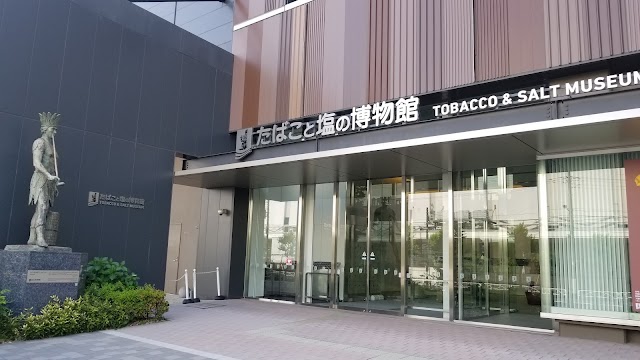
- The price gap: national museums around 1,000 yen and blockbusters at 2,200-2,300 versus ten museums totaling at most 100 yen — the only paid stop is the Tobacco and Salt Museum
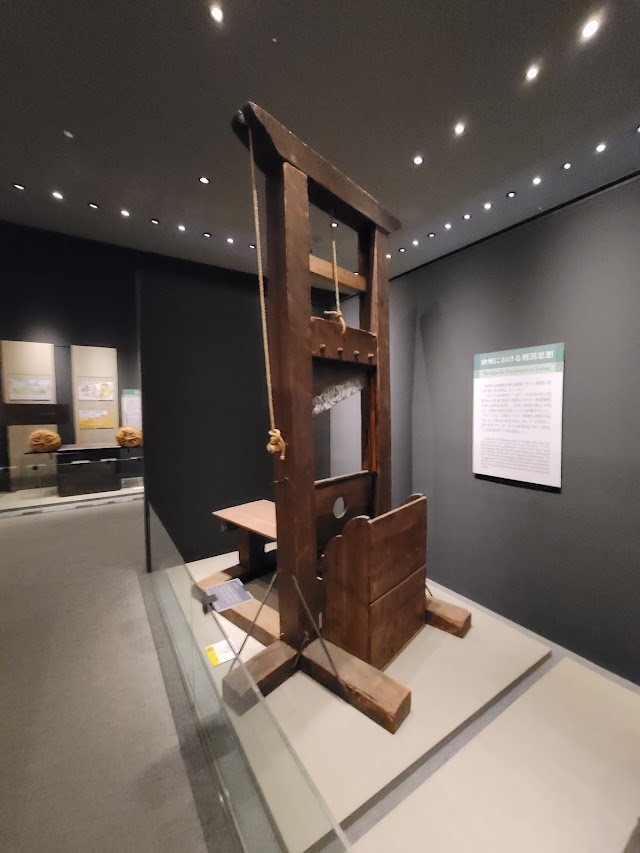
- Three routes, ten picks: public-agency experiences (police motorcycles, a real fire helicopter, Edo aqueduct conduits, hefting 100 million yen at the BOJ museum), corporate culture (Japan's only ad museum, the 100-yen Tobacco and Salt Museum, the Sumo Museum), and the oddballs (an 8.8-meter tapeworm, Japan's only guillotine, NTT's free media-art space)
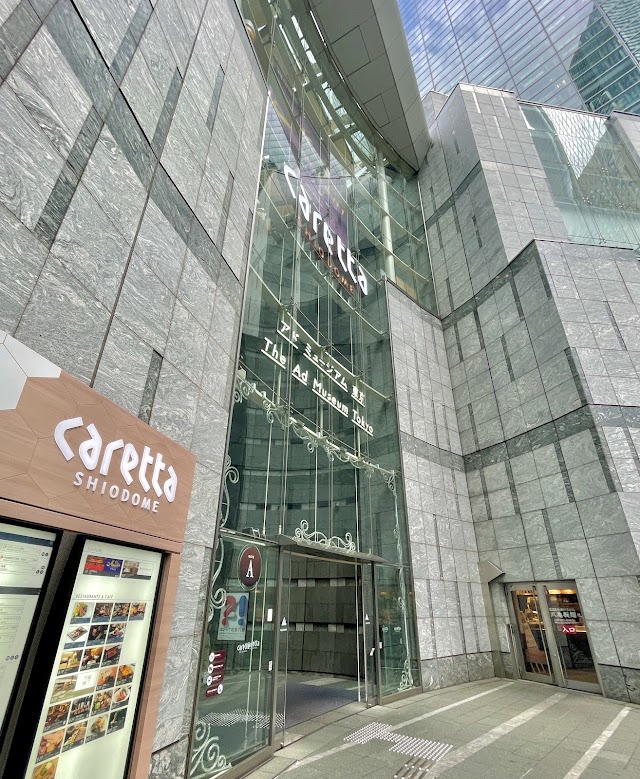
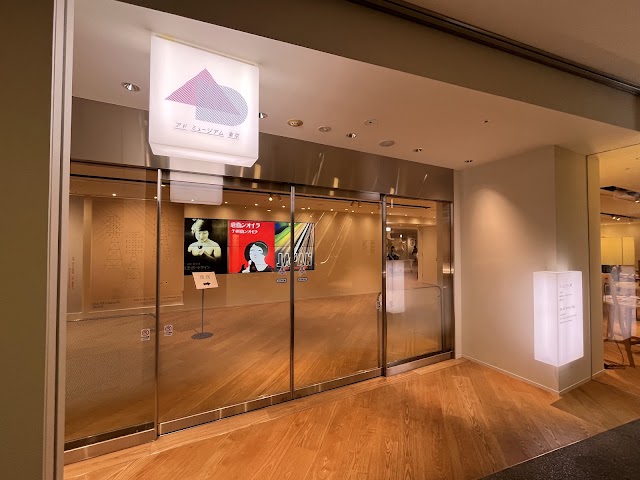
- Summer tactics: air-conditioned museums by day, free observation decks at dusk (see the July 22 guide) — the Ad Museum shares a building with Caretta Shiodome's free 46th-floor deck
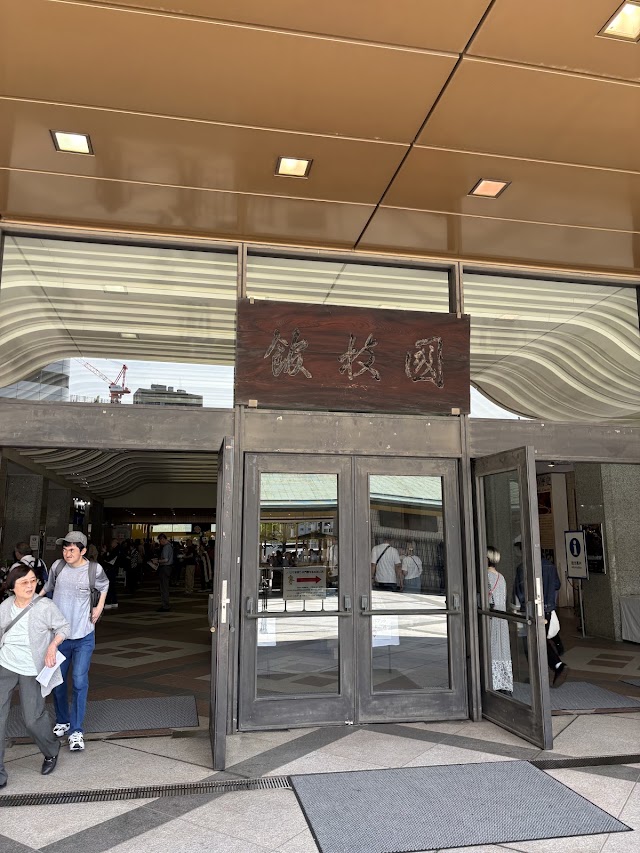
- Closure-day traps: the Sumo Museum opens weekdays and closes weekends (tournament months require a match ticket), the Ad Museum closes Sundays-Mondays, the parasite museum Mondays-Tuesdays, the waterworks museum the 4th Monday
- Family plan: the police-and-fire double bill outlasts many paid attractions; ICC's kids program runs July 25-August 30; the two oddball museums suit adult company
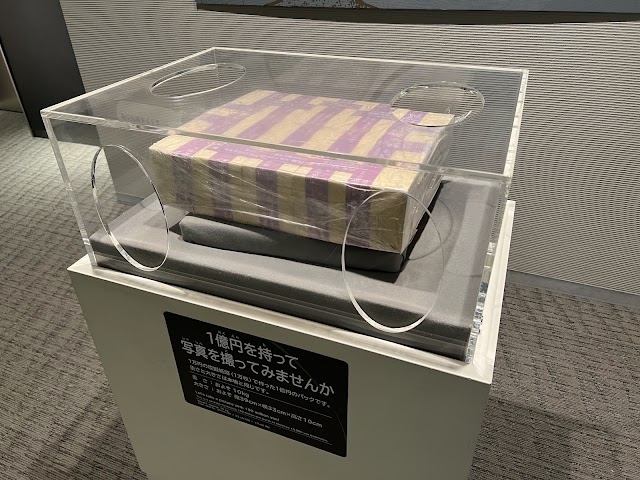
- Souvenir intel: parasite-themed merchandise at the Meguro museum exit ranks among Tokyo's most distinctive museum goods; the '100 million yen' lift weighs about 10 kilograms
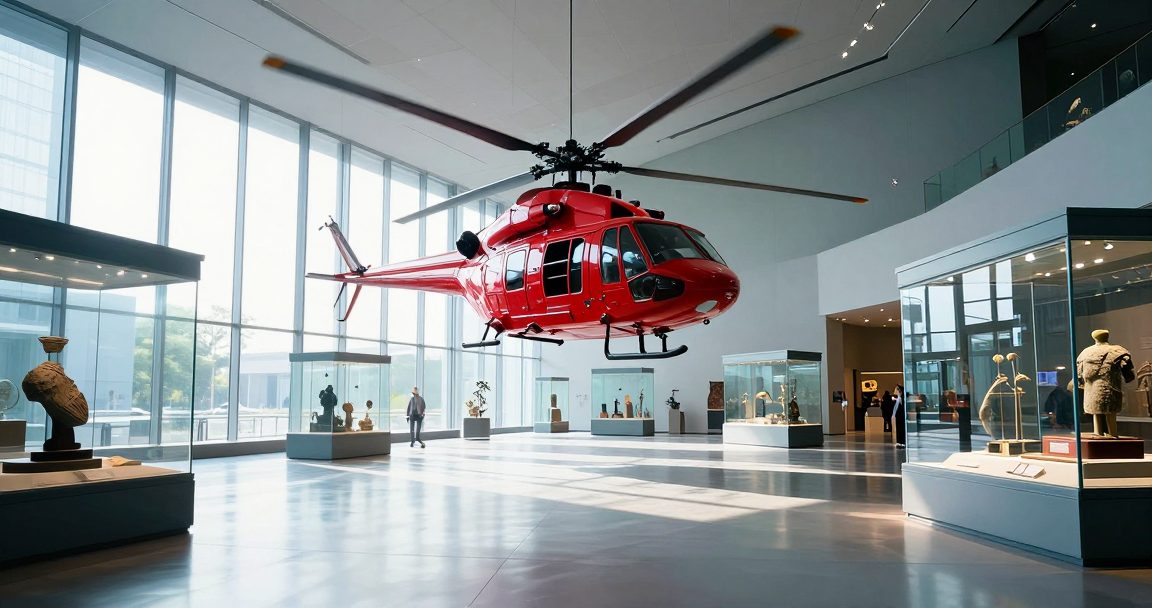
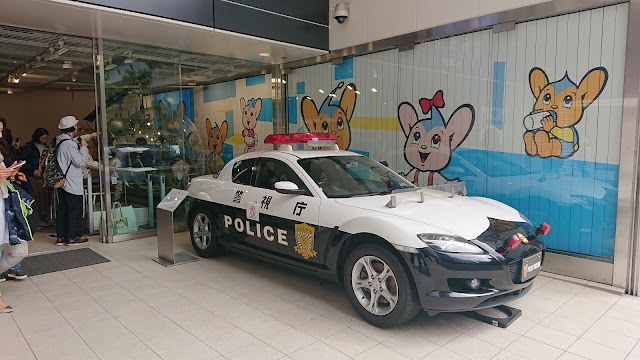
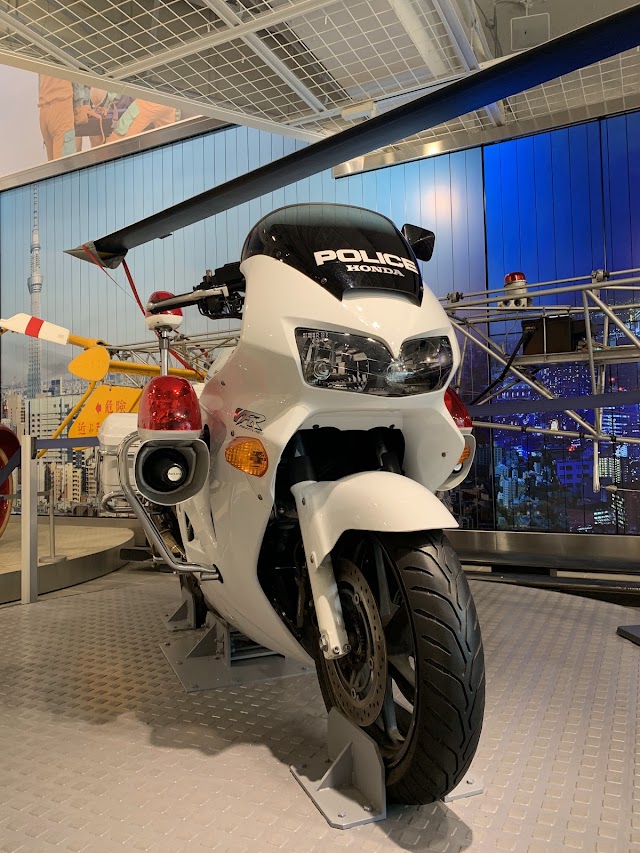
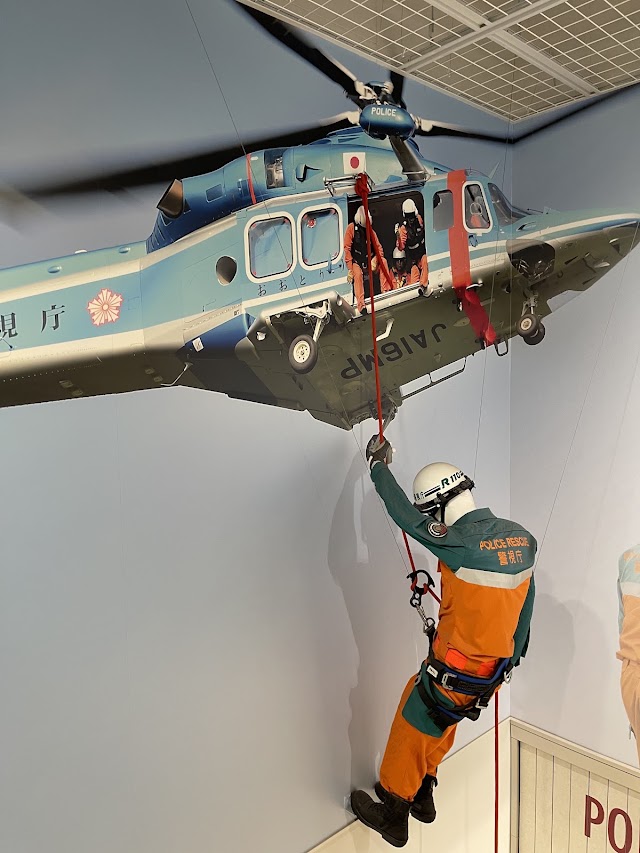
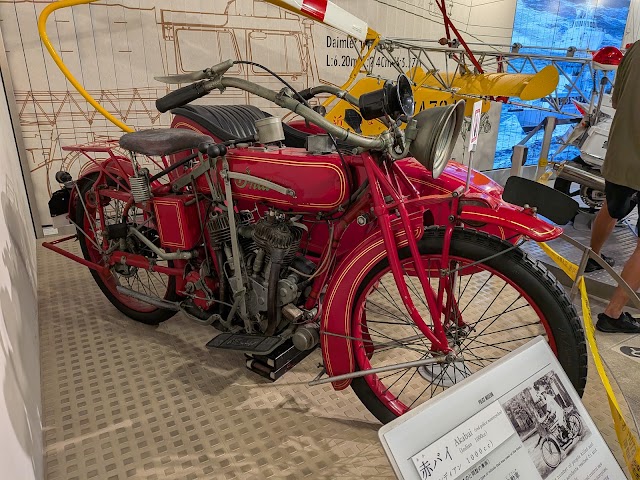
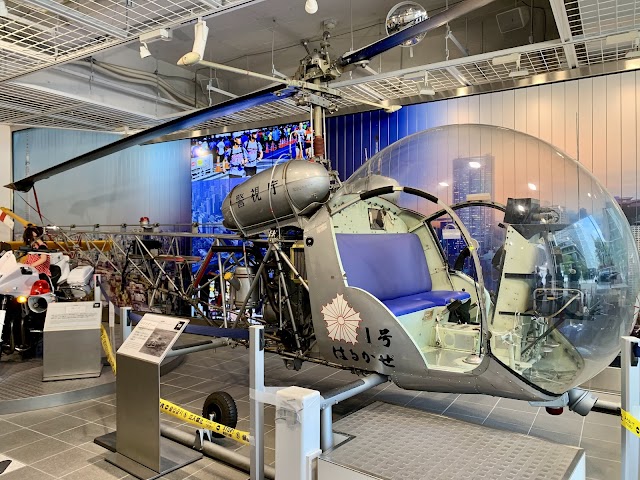
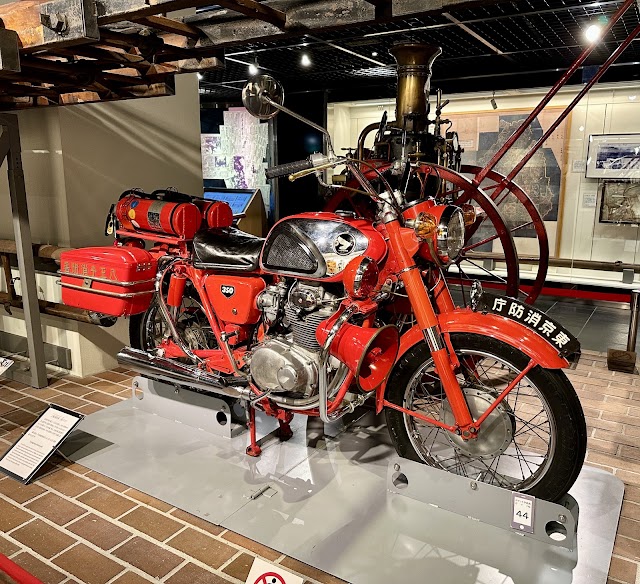
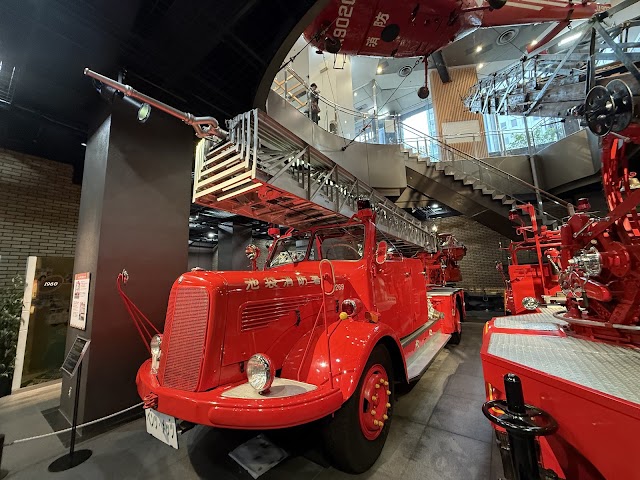
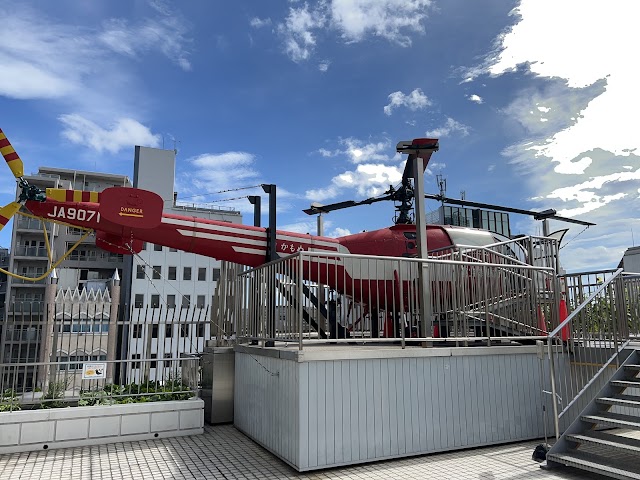
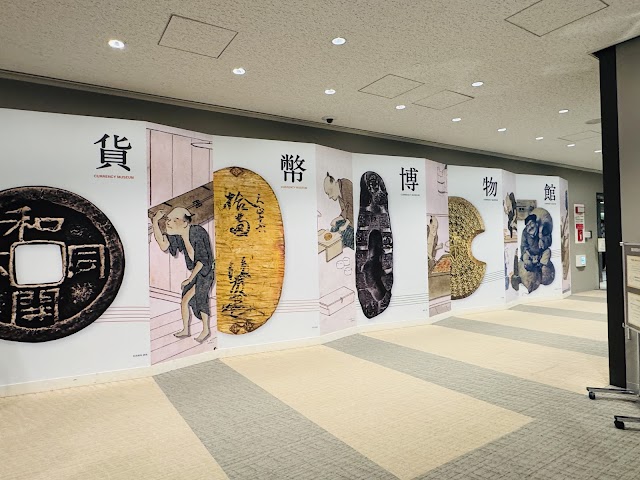
Museum-going in Tokyo keeps getting pricier — national museums charge around 1,000 yen for permanent collections and blockbuster exhibitions now run 2,200 to 2,300 yen, so a family seeing two shows burns a 10,000-yen note. Yet Tokyo hides a parallel circuit: free museums run by government agencies, corporations and universities, world-class in both number and quality. The Metropolitan Police's museum lets you sit on a real police motorcycle, the Fire Department's museum hangs an actual retired helicopter, and the Bank of Japan's Currency Museum lets you heft the weight of 100 million yen — all for nothing. In July and August the case gets stronger: on days pushing 38 degrees these are air-conditioned refuges where you can linger, and if you chain them with the free observation decks from our July 22 guide, a full day's admissions fit inside one 100-yen coin — the only paid stop being Sumida's Tobacco and Salt Museum at 100 yen, which museum fans call Tokyo's best value. Three field notes: closure days follow the operating institution, so the Sumo Museum opens weekdays and closes weekends while the Ad Museum does the reverse; families should start with the police-and-fire double bill, where uniform try-ons and vehicle displays outlast many paid attractions; and the two oddball museums — Meguro's parasite collection and Meiji University's criminal law gallery — hit harder and suit adult company. Ten museums, three routes, wallet barely opened.
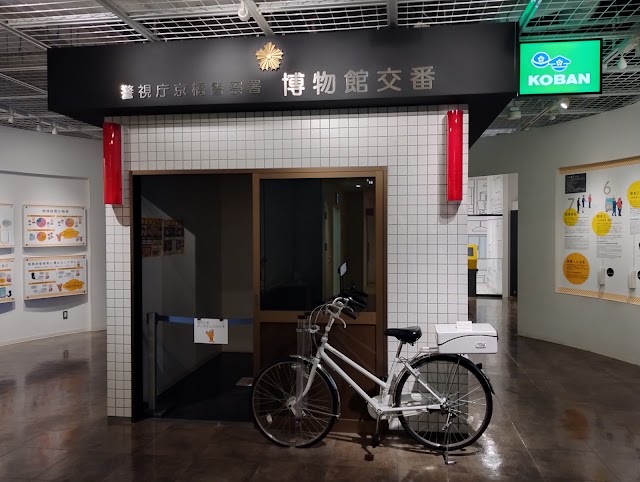
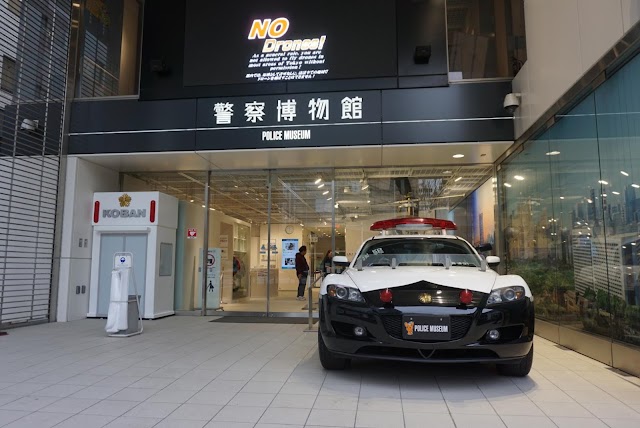
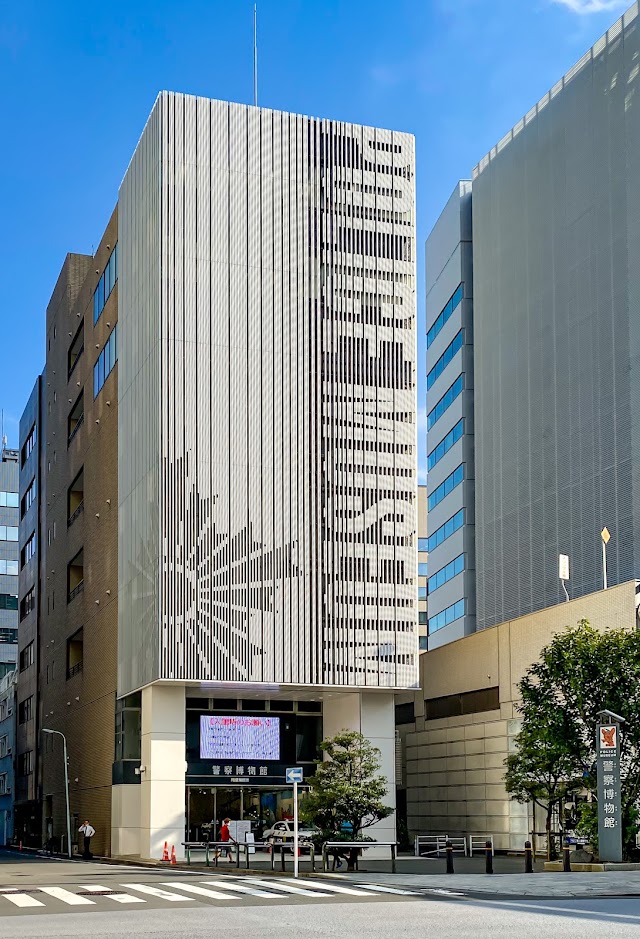
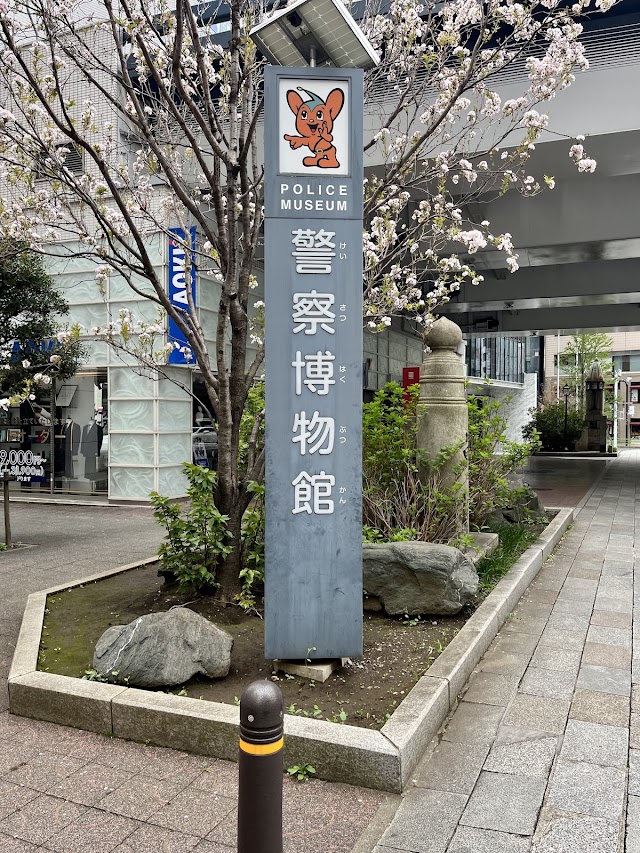
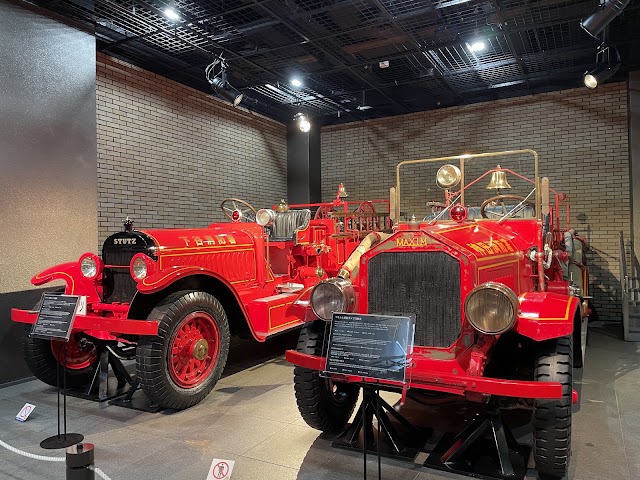
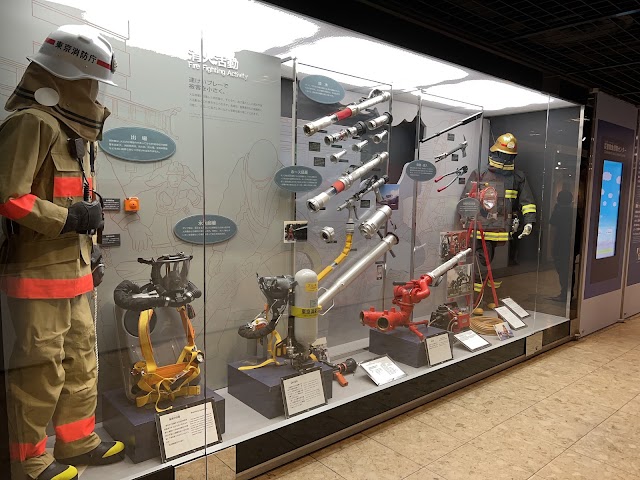
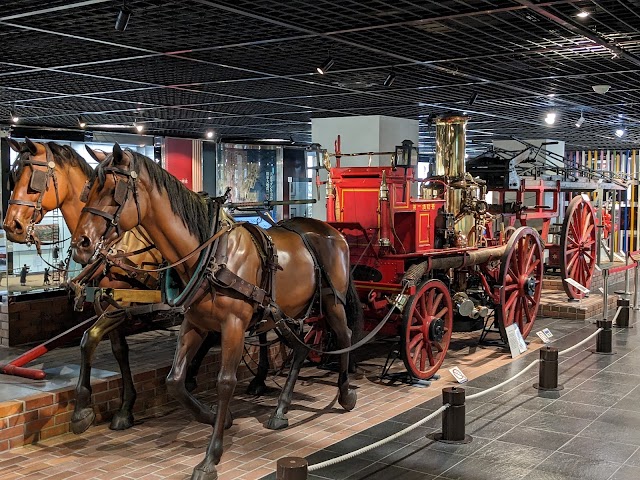
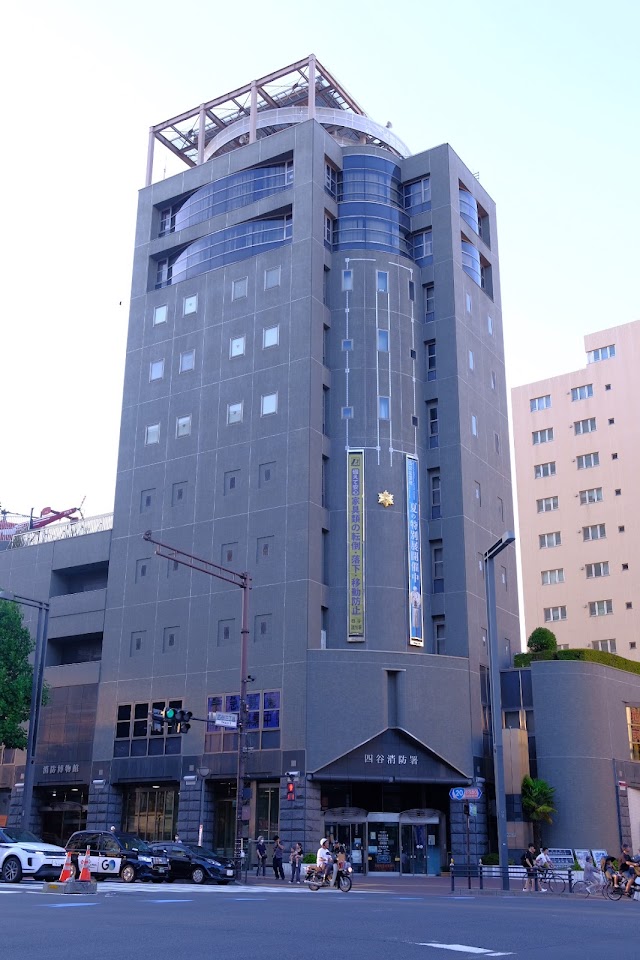
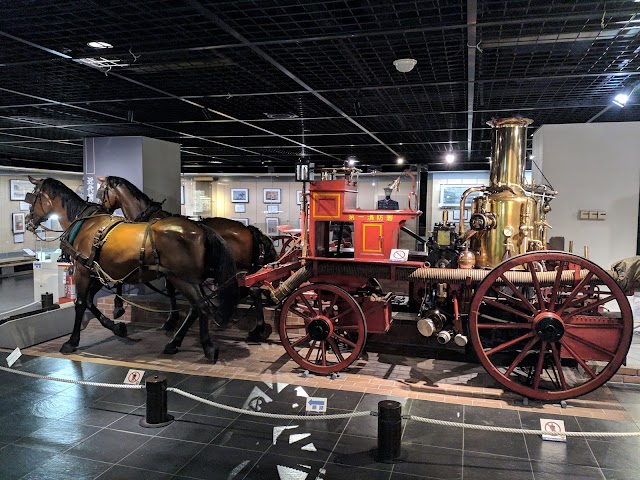
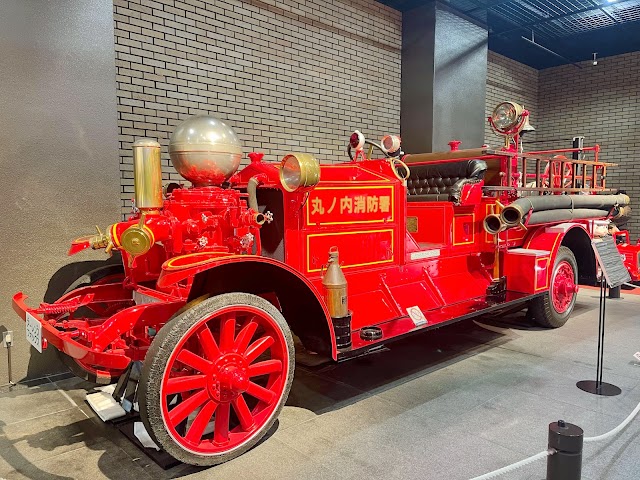
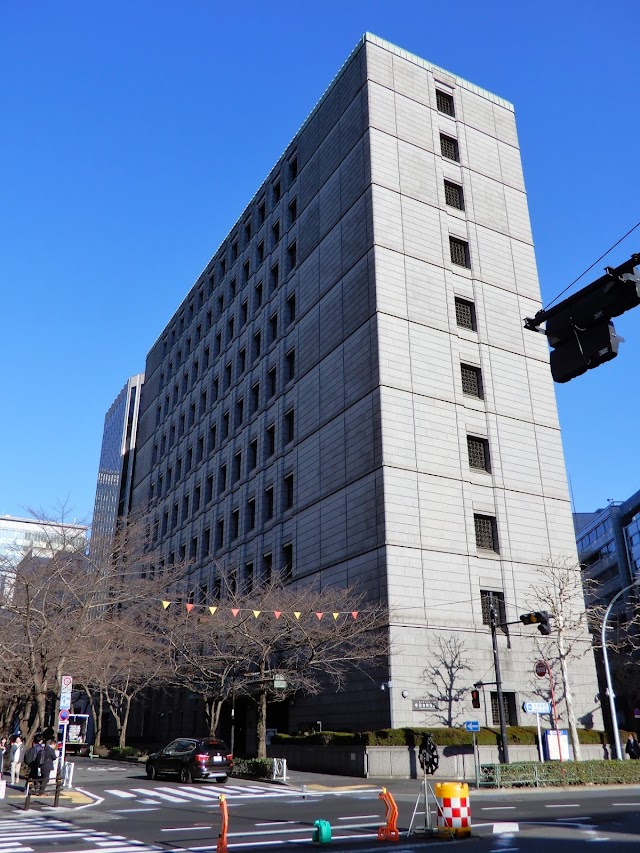
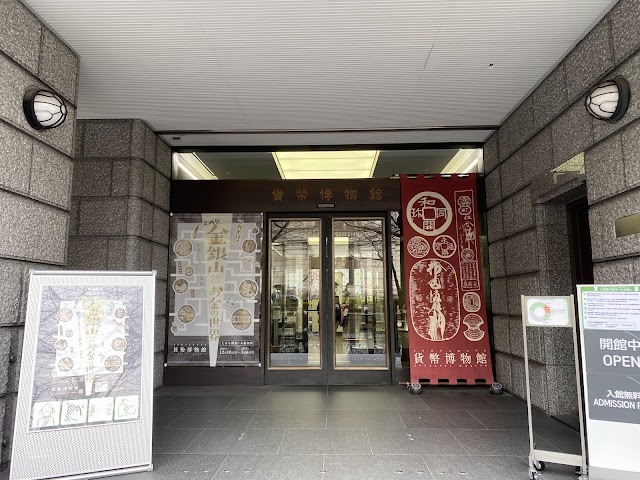
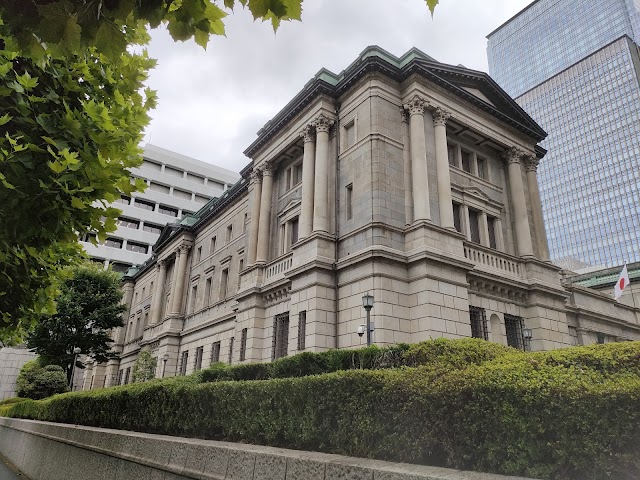
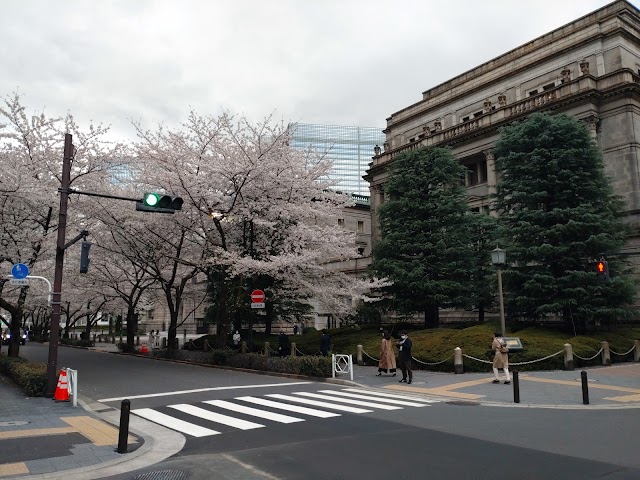
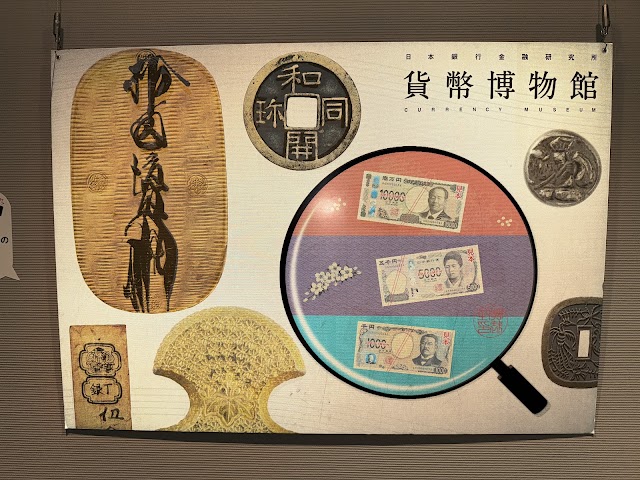
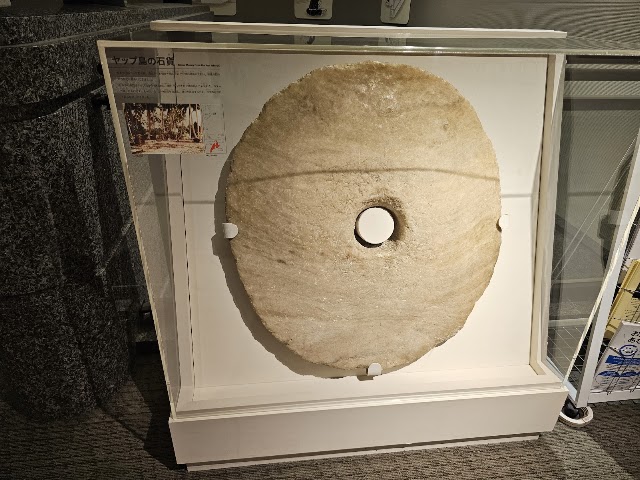
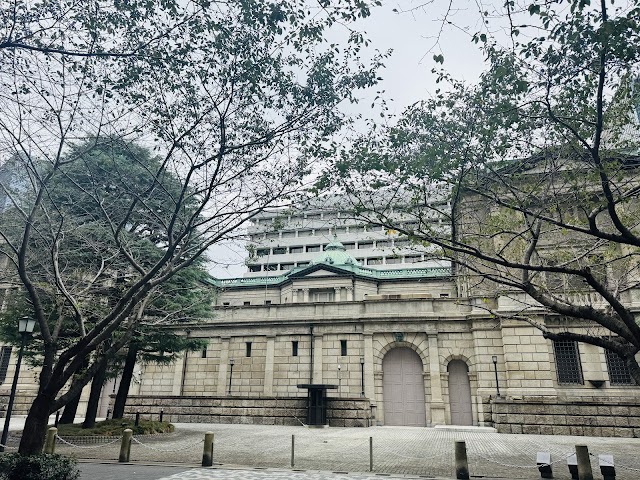
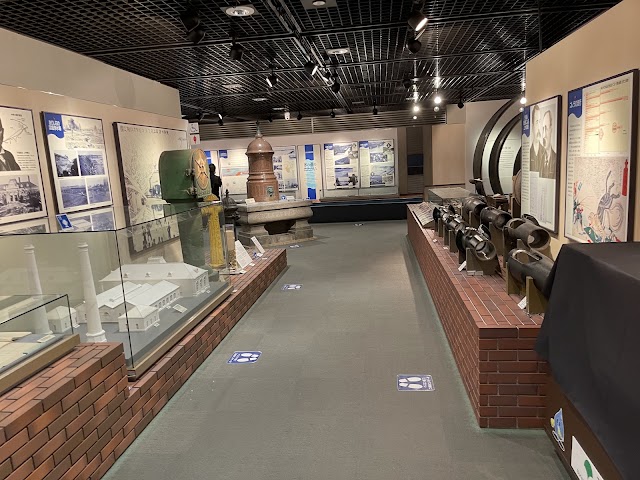
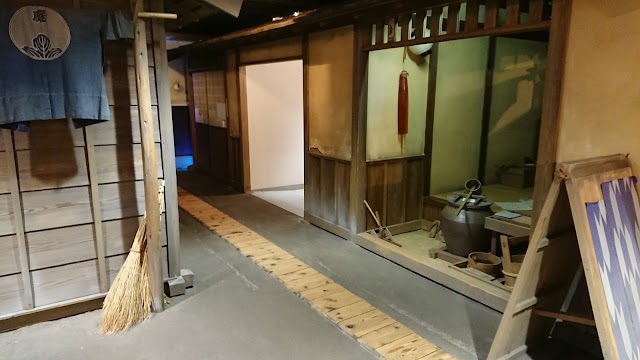
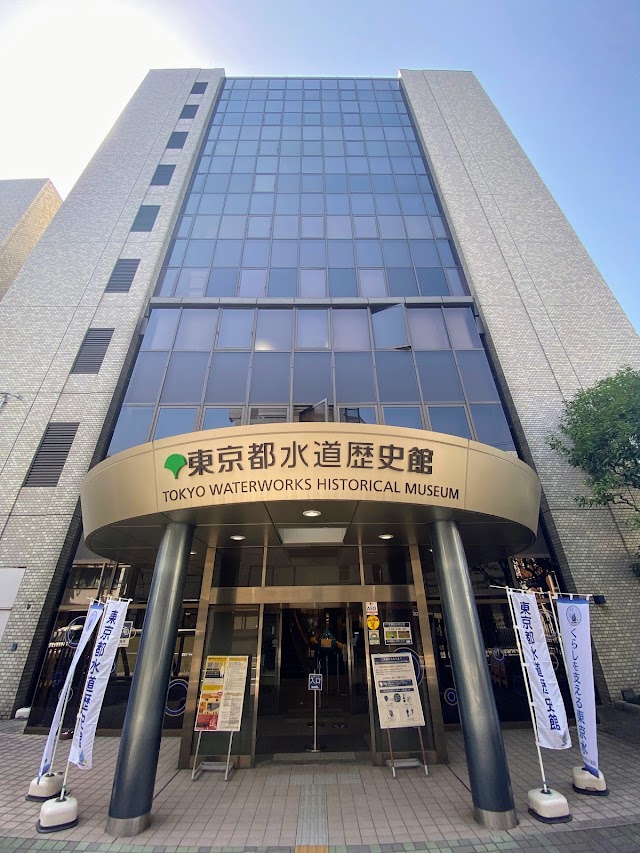
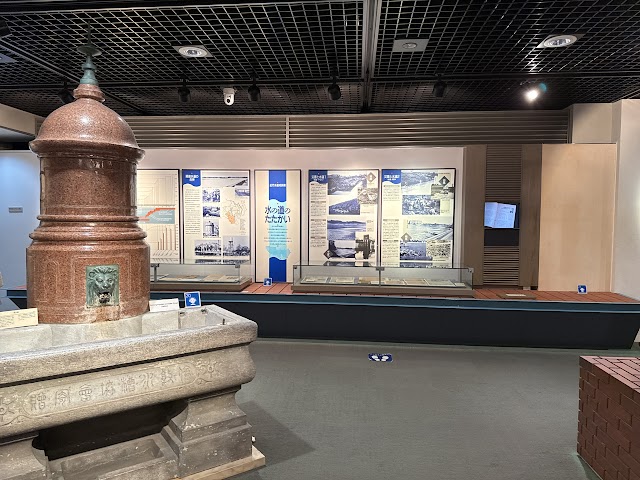
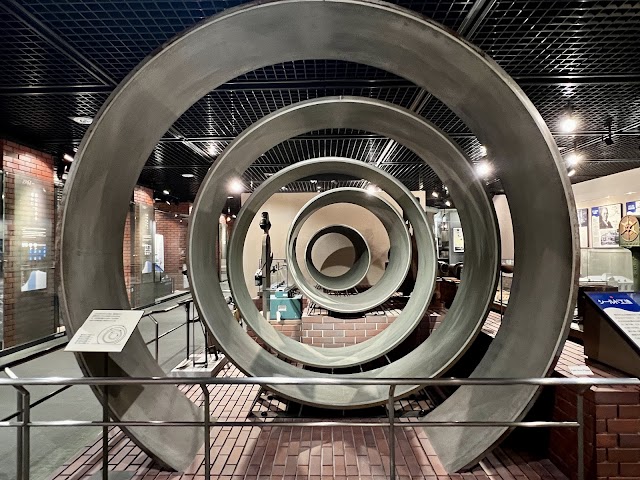
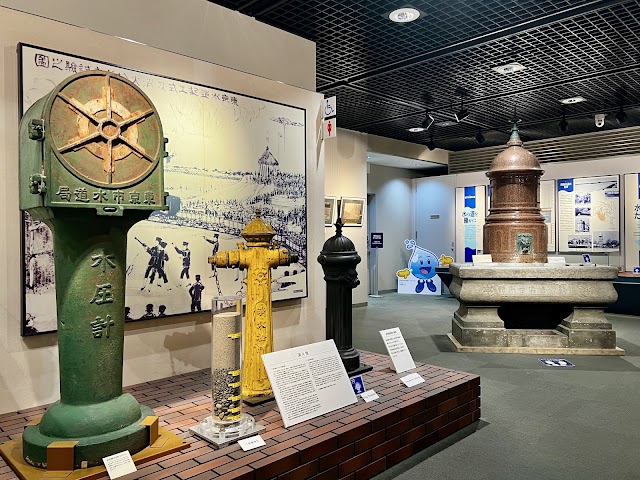
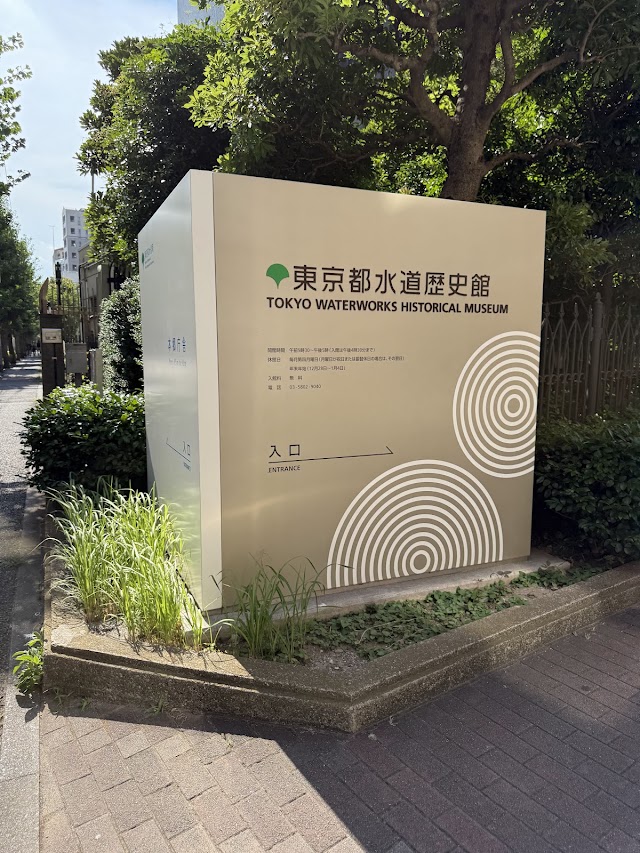
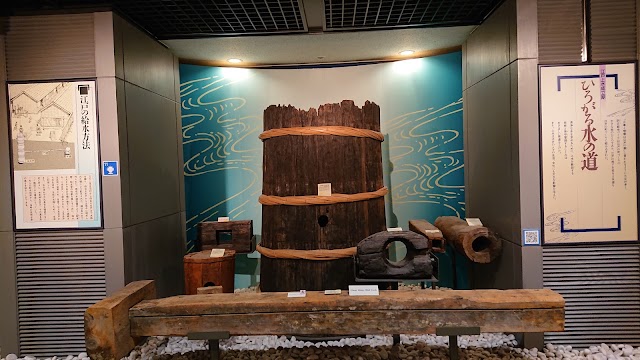
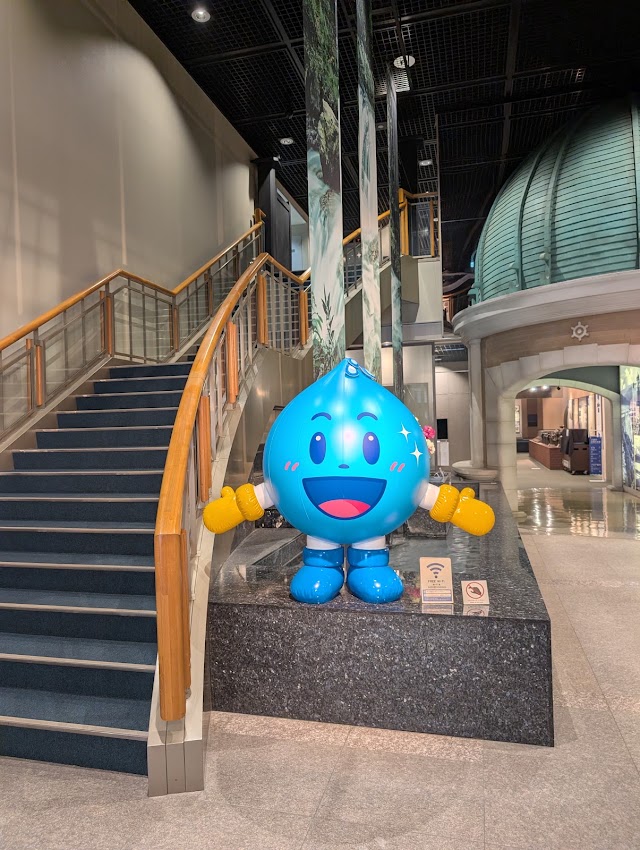
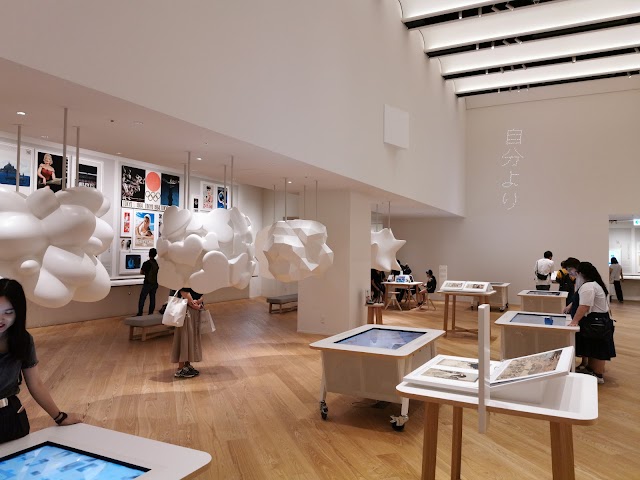
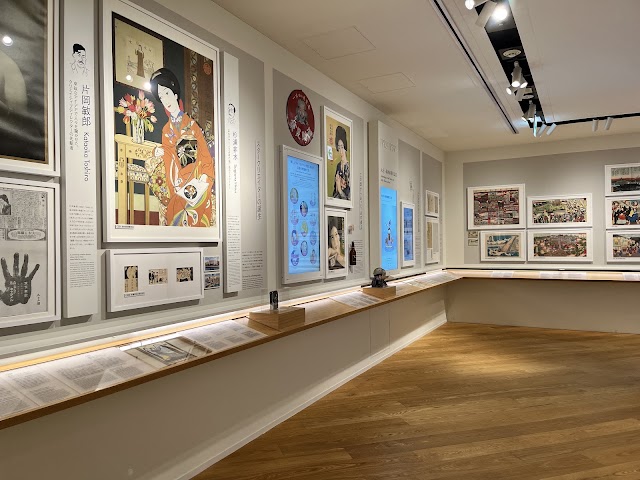
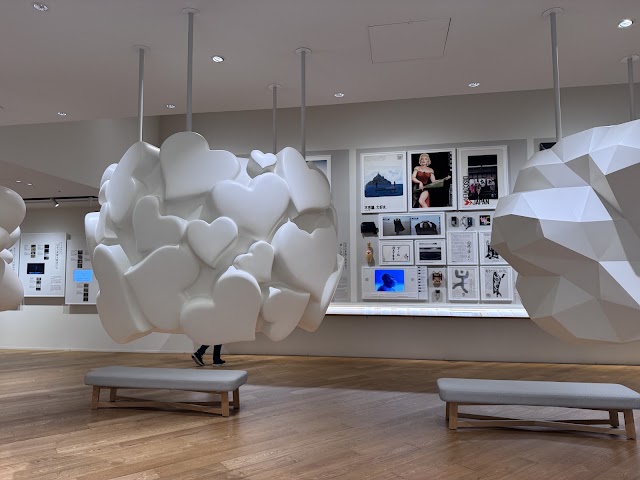
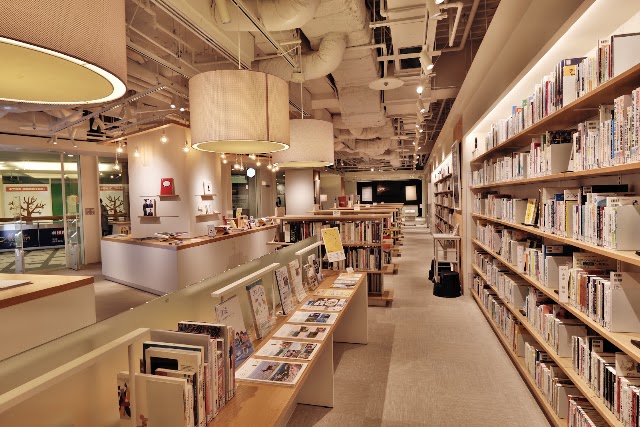
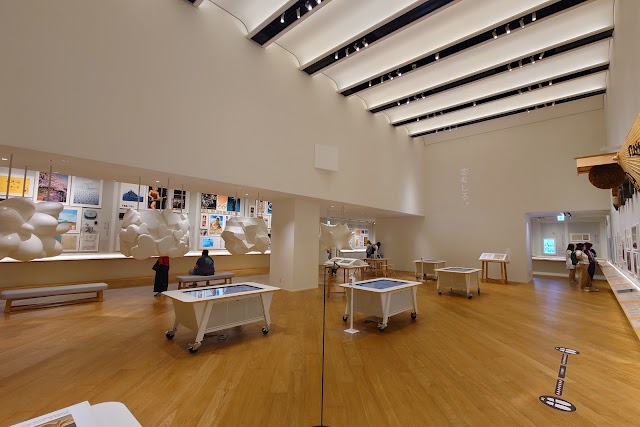
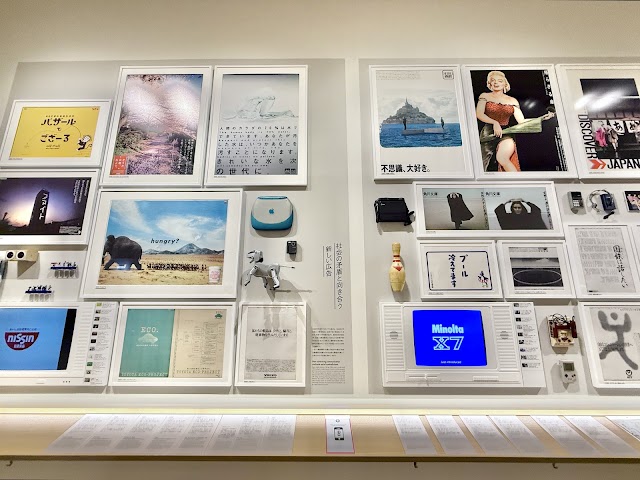
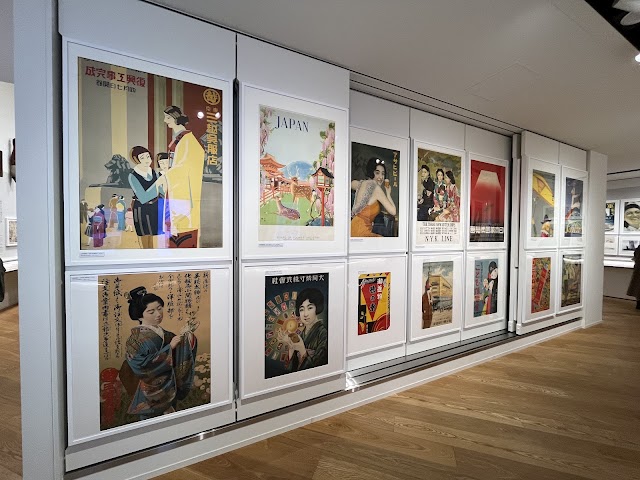
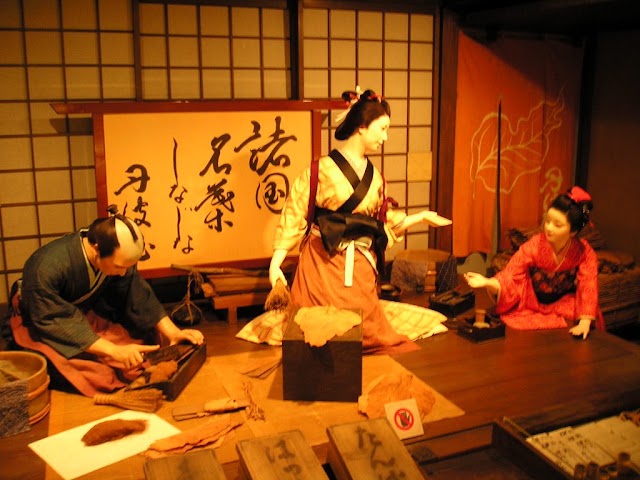
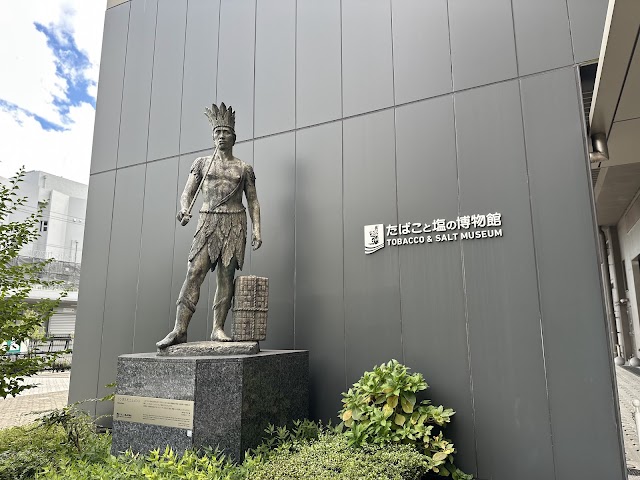
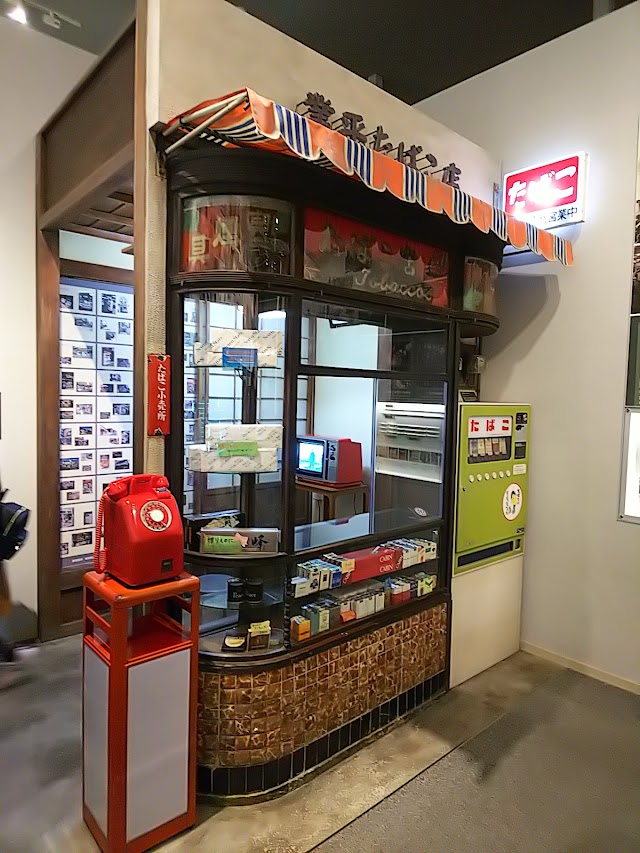
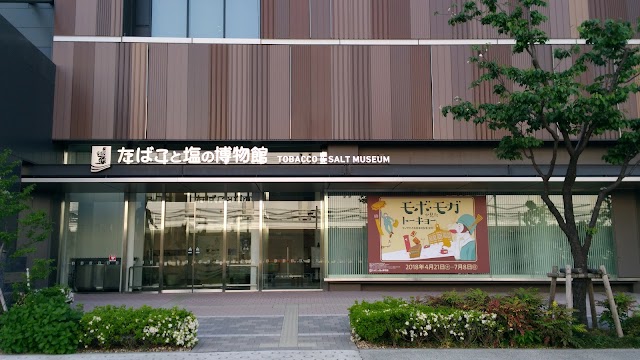
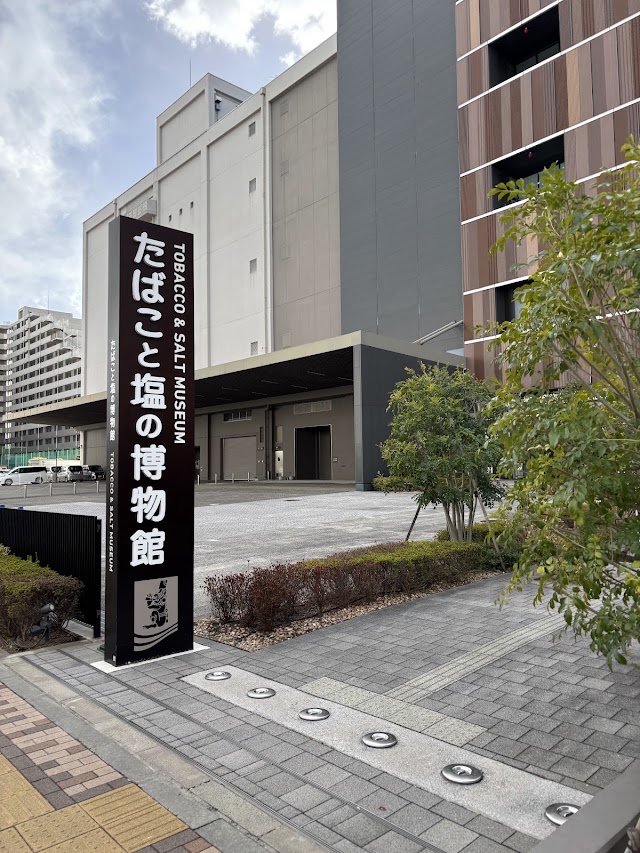
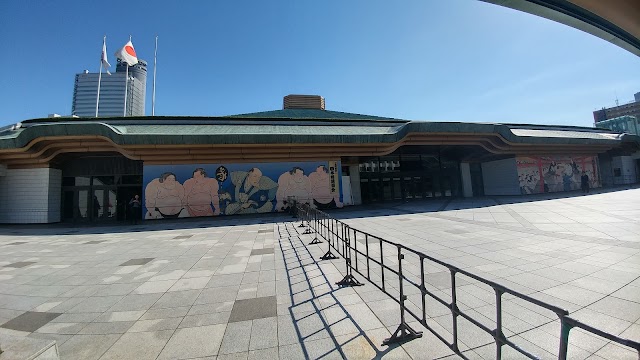
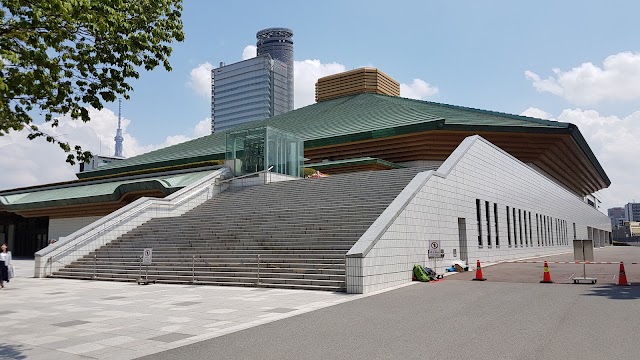
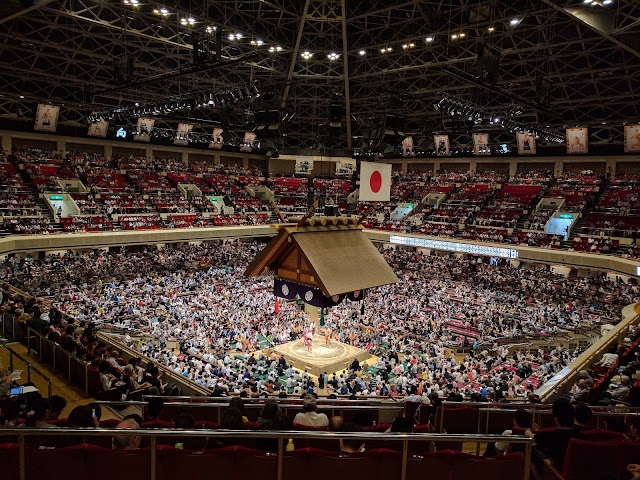
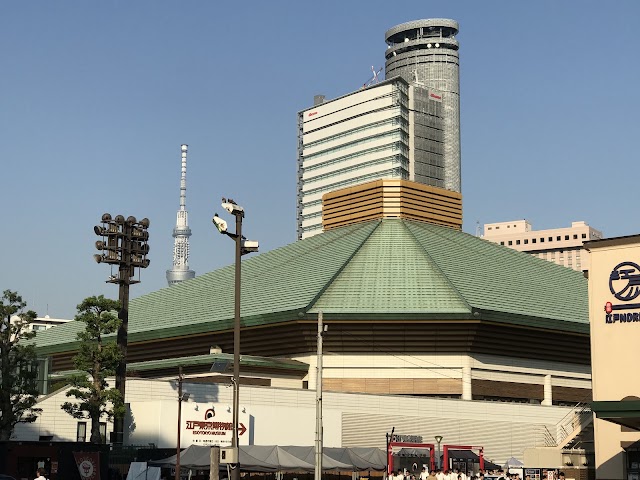
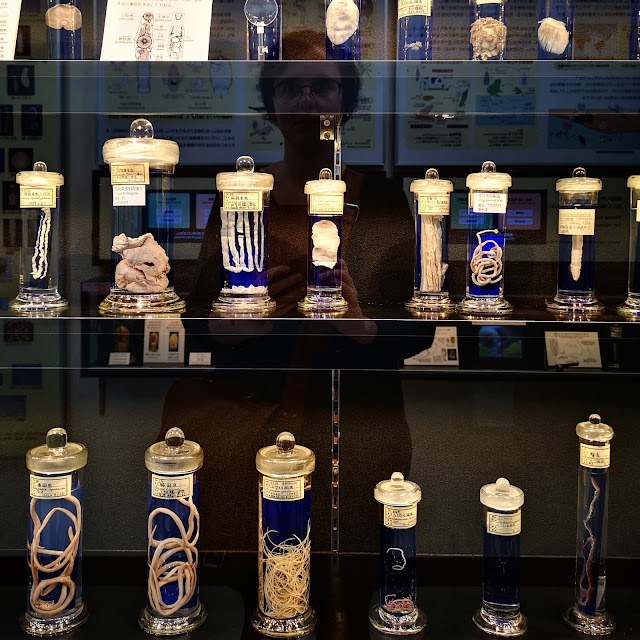
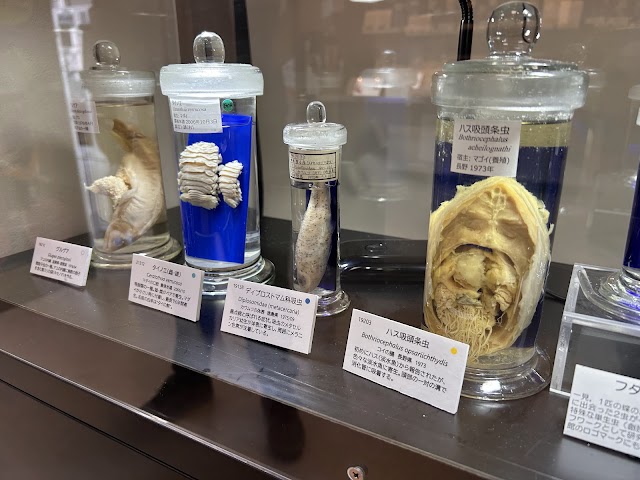
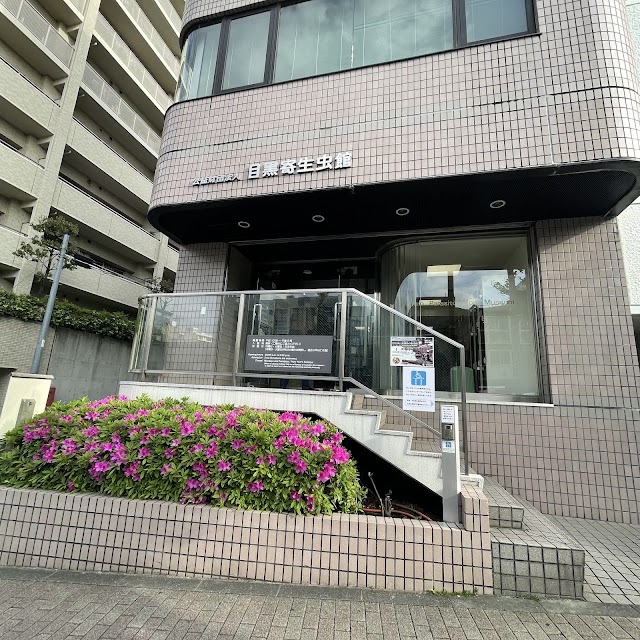
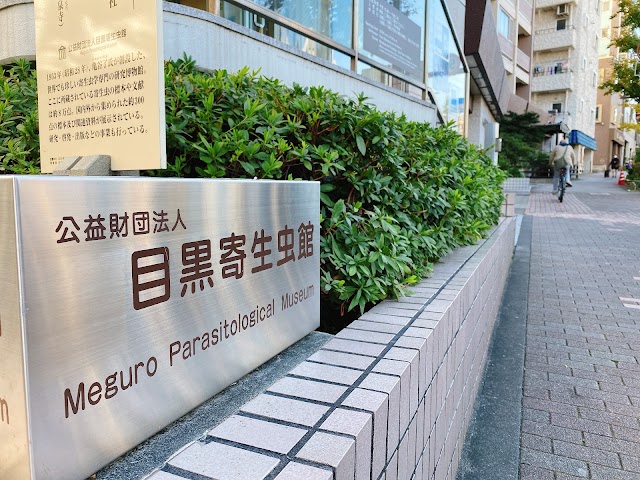
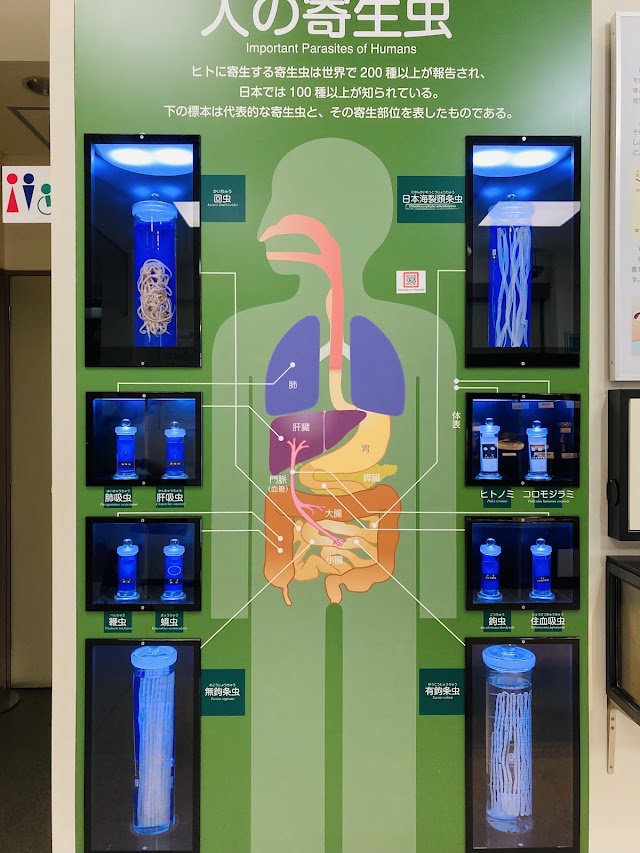
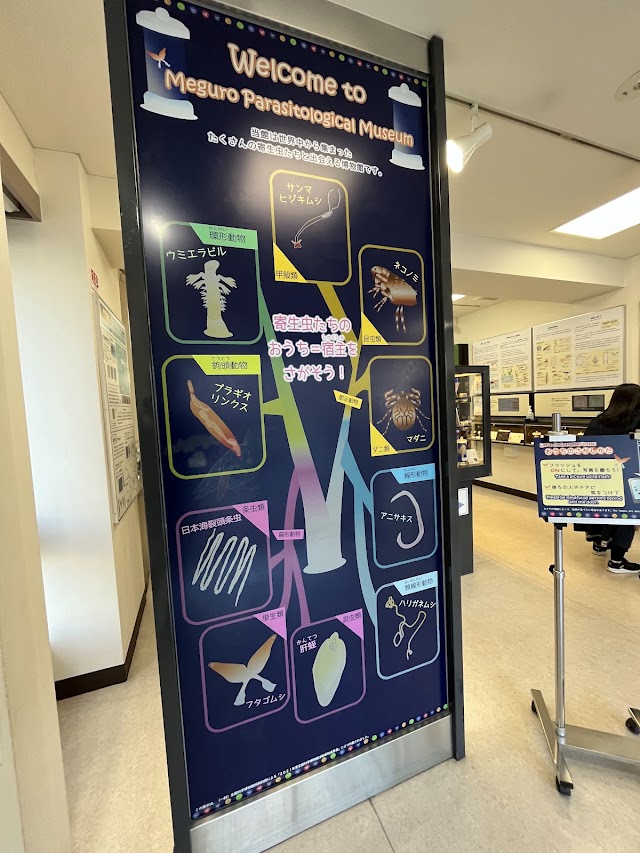
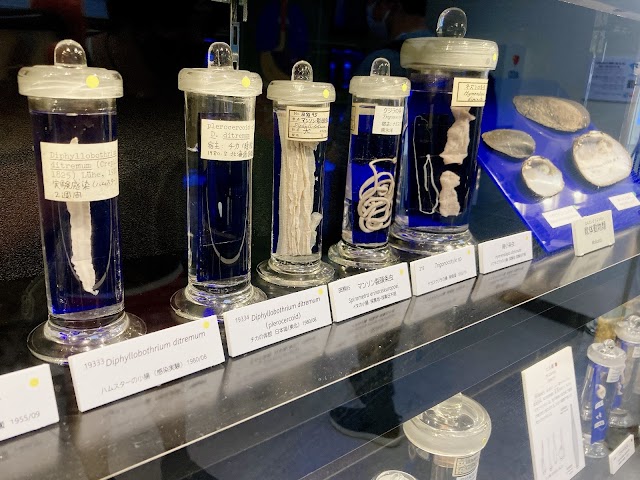
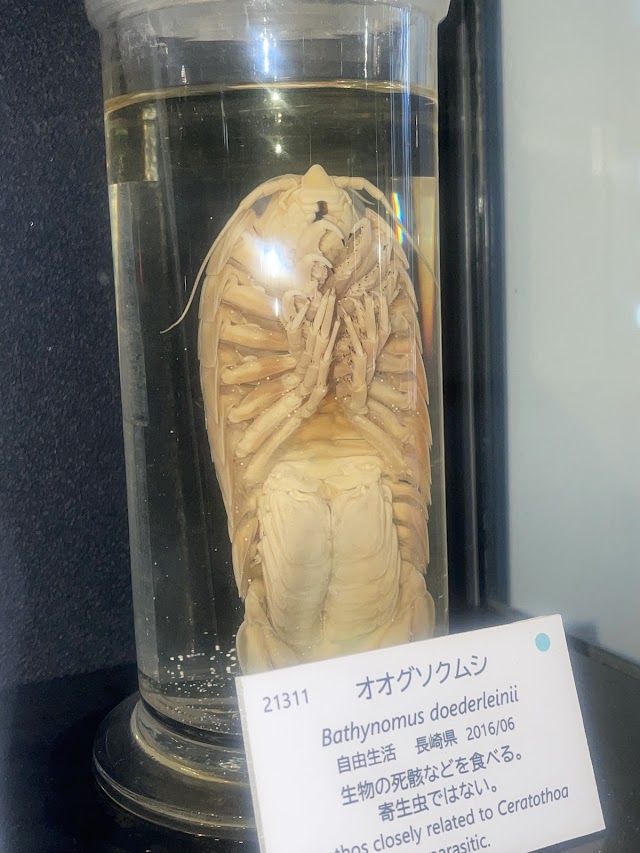
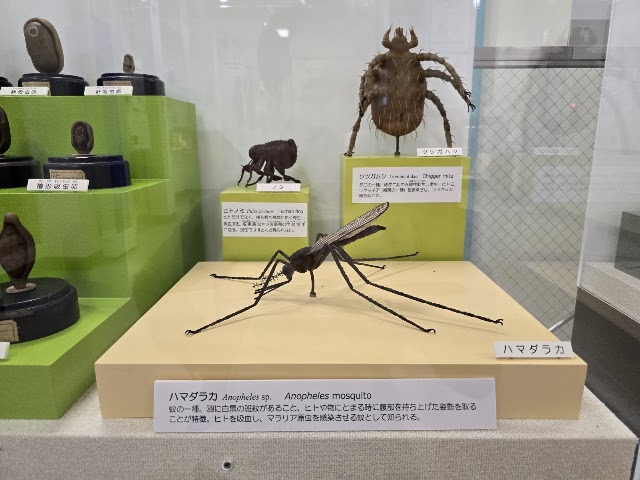
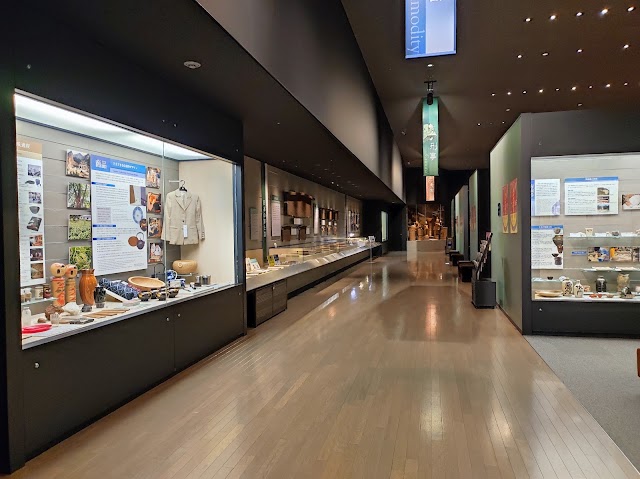
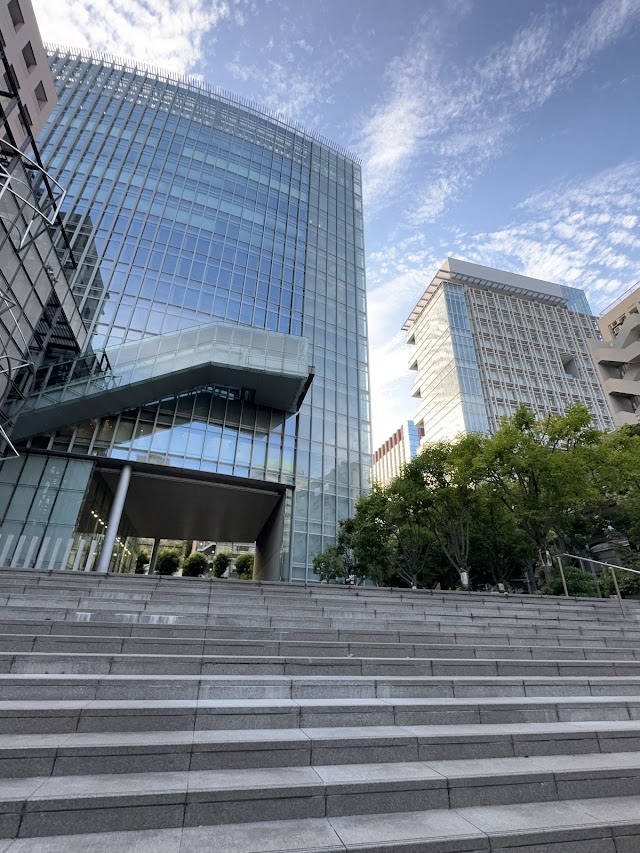
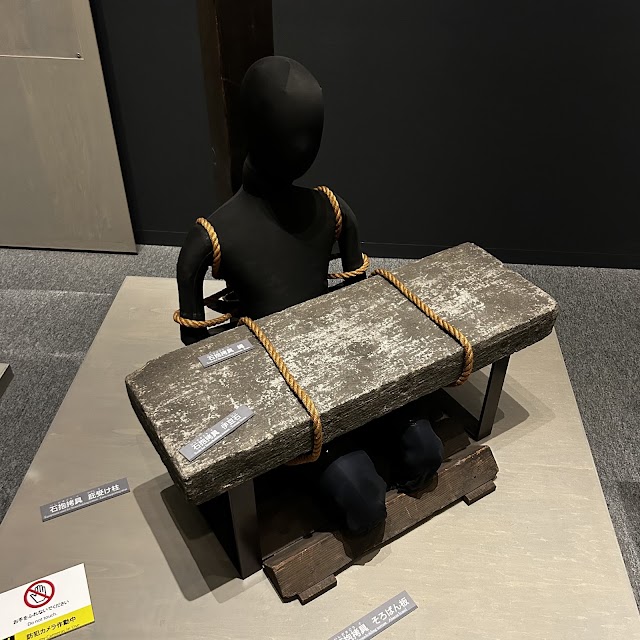
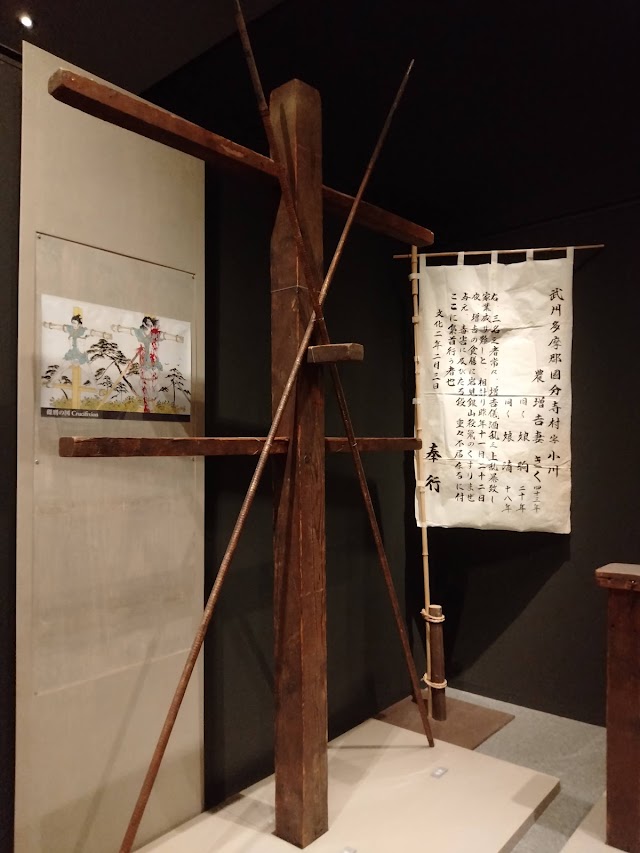
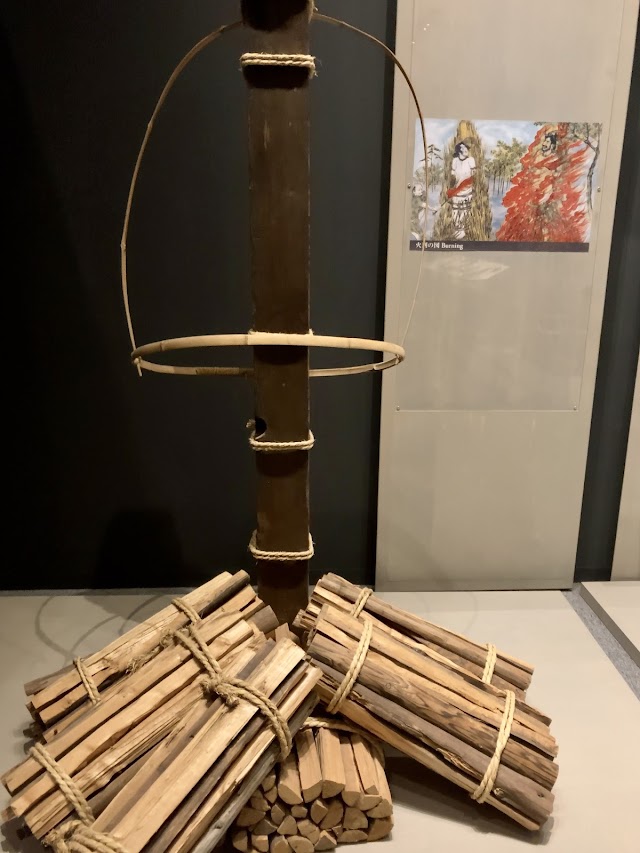
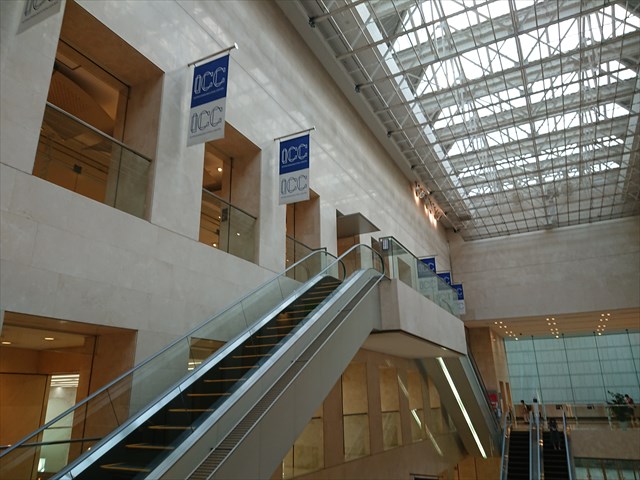
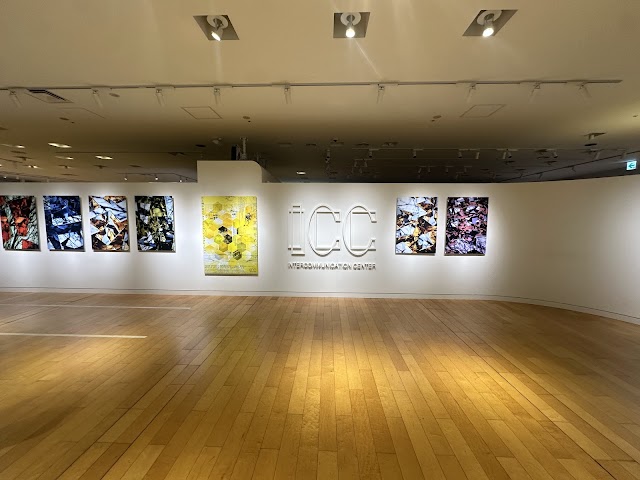
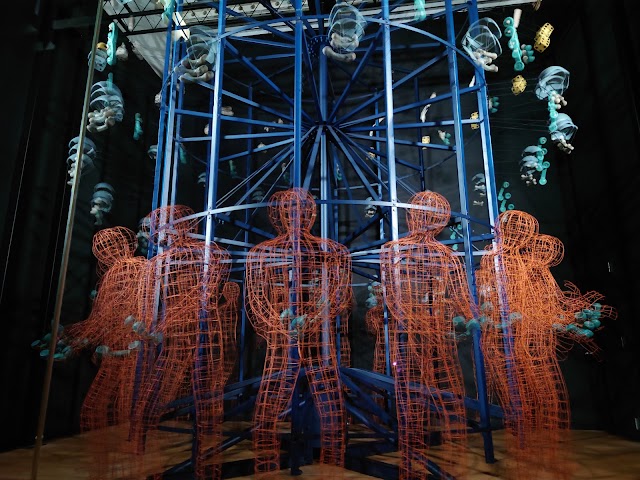
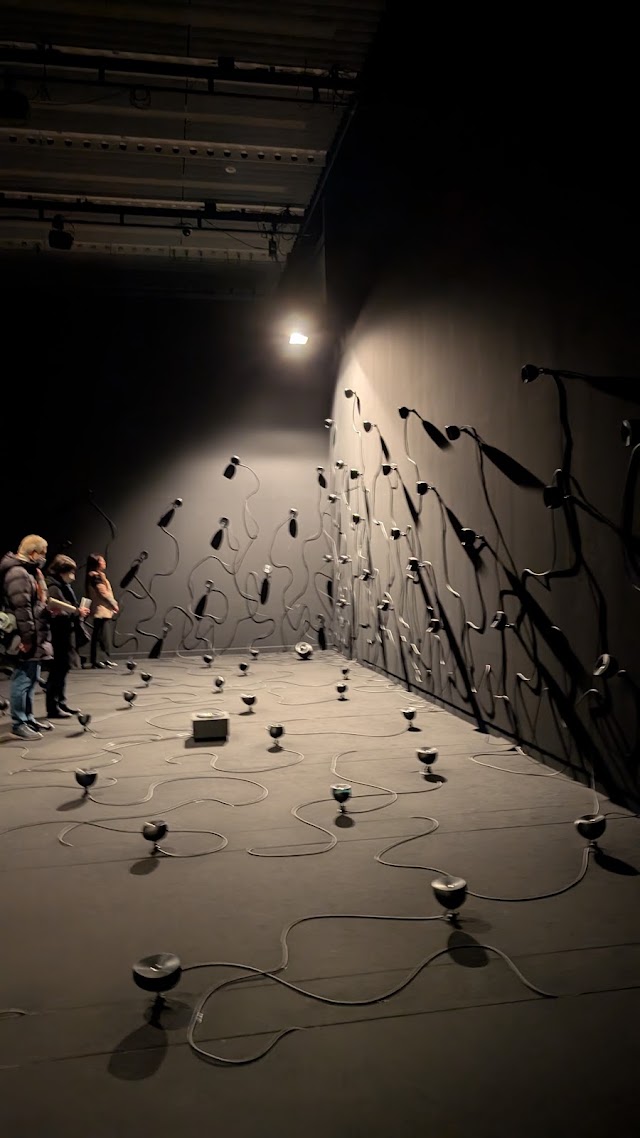
Route 1, the public-agency experience circuit: the Police Museum in Kyobashi (six floors, free, two minutes from Kyobashi Station) centers on a real police motorcycle and helicopter visitors can board, plus children's uniform photo ops. The Fire Museum at Yotsuya-sanchome, run by the Tokyo Fire Department with some 12,000 items, lines up Edo-era firefighting standards through Showa fire engines to a retired helicopter, directly connected to the subway station. The Tokyo Waterworks Historical Museum in Hongo unpacks 400 years of the city's water supply — original wooden conduits from the Kanda and Tamagawa aqueducts explain how Edo sustained a million people. The Currency Museum, run by the Bank of Japan's Institute for Monetary and Economic Studies opposite the BOJ headquarters, runs from ancient coinage to modern banknotes, with a hands-on corner where you lift roughly 10 kilograms of '100 million yen.' Route 2, corporate culture: the Ad Museum Tokyo in Shiodome — Japan's only advertising museum, Dentsu-run, some 300,000 items, free, open 12:00-18:00 and closed Sundays and Mondays — shares a building with Caretta Shiodome's free 46th-floor observation deck from our July 22 guide, making a free Shiodome half-day. The Tobacco and Salt Museum in Sumida is this guide's only paid entry at 100 yen, a walkable add-on to Skytree. The Sumo Museum on the Kokugikan's first floor shows woodblock prints and champion records free, weekdays only — during tournament months (January, May, September) entry requires a match ticket. Route 3, the oddballs and art: the Meguro Parasitological Museum, founded privately by Dr. Satoru Kamegai in 1953, is the world's only parasite museum, its centerpiece an 8.8-meter tapeworm, free with donations invited. Meiji University's museum near Ochanomizu holds Japan's only guillotine and a reconstructed Iron Maiden of Nuremberg in its criminal-justice gallery. NTT's InterCommunication Center in Hatsudai keeps its media-art Open Space free year-round, with the ICC Annual 2026 running June 20 to November 8 and a kids' program July 25 to August 30 (some special exhibitions charge separately). Sources: Tokyo Art Beat, Time Out Tokyo, Rurubu Kids, Iko-yo News, Meguro Parasitological Museum, Ad Museum Tokyo, Japan Sumo Association, Tokyo Waterworks Historical Museum, Meiji University Museum, NTT ICC.
 Scan for map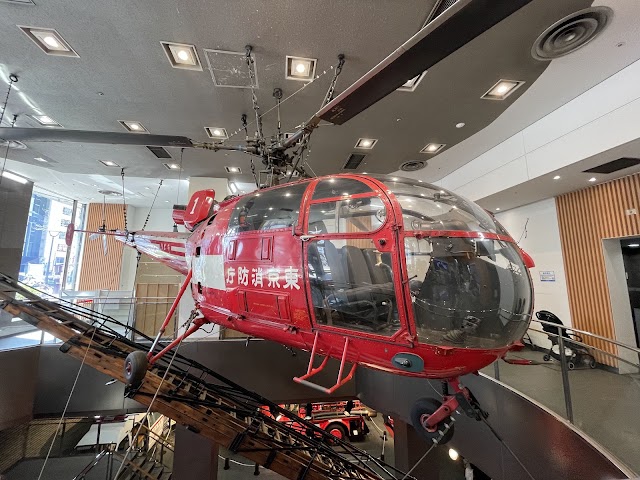
 Scan for map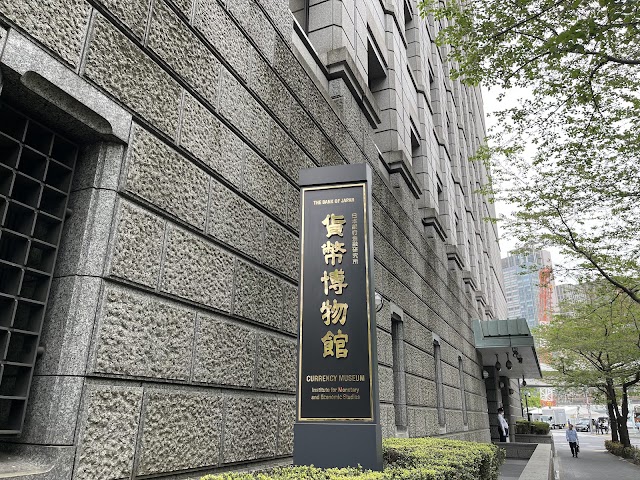
 Scan for map
 Scan for map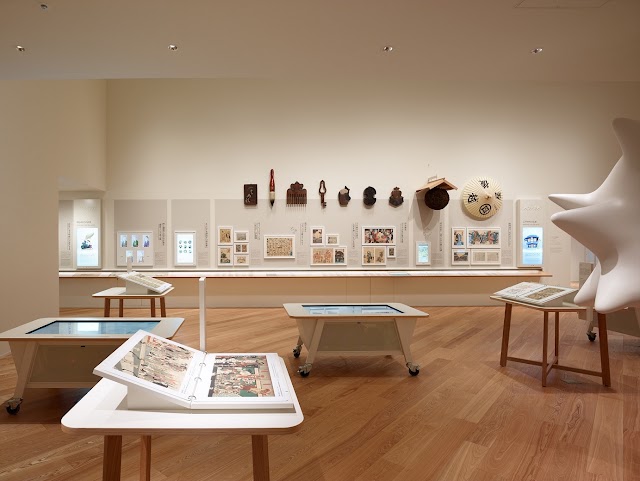
 Scan for map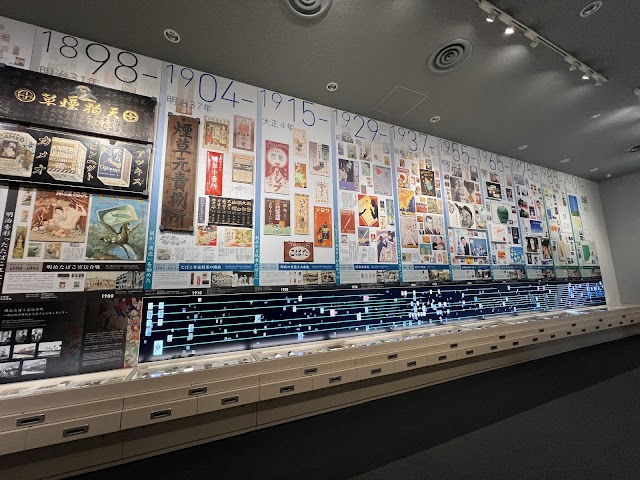
 Scan for map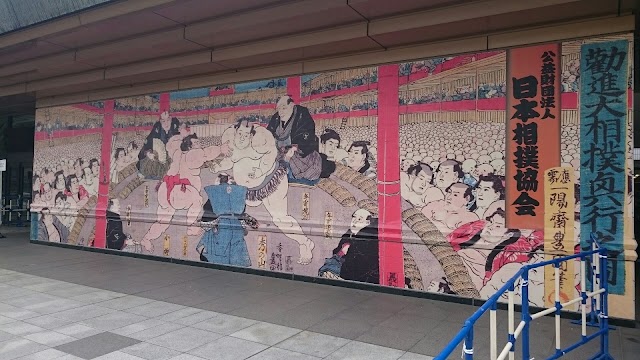
 Scan for map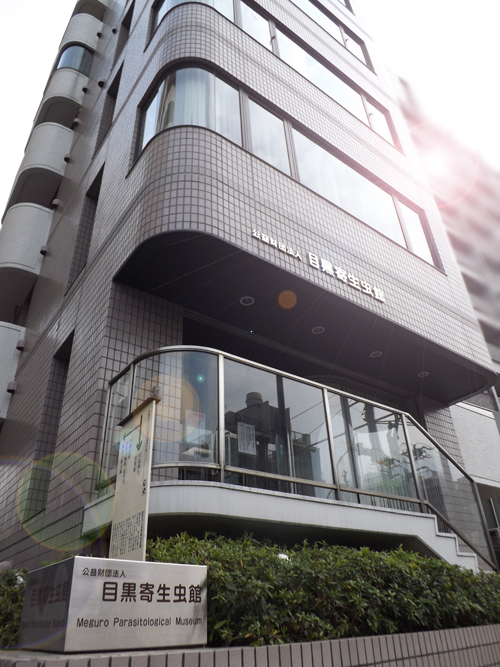
 Scan for map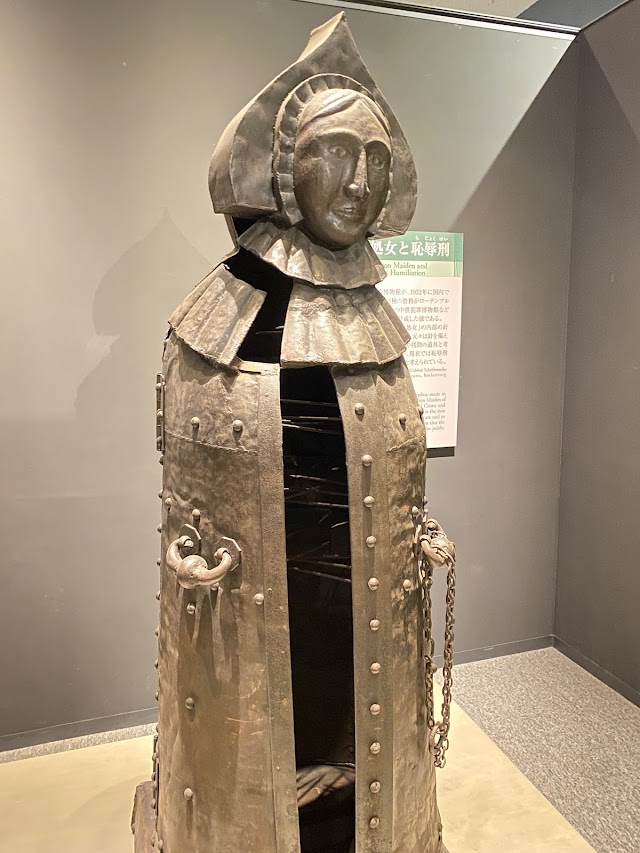
 Scan for map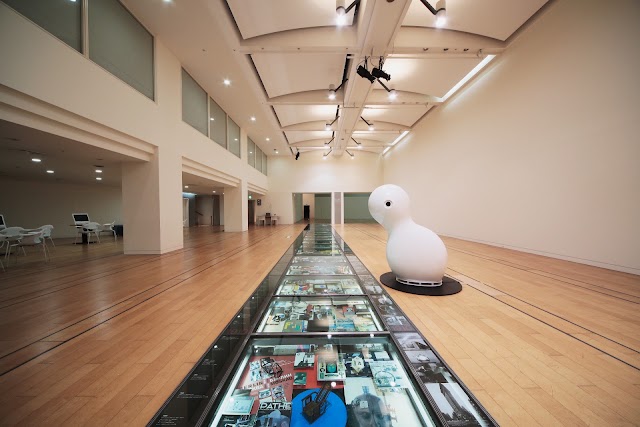
 Scan for map