Yen Hits 163 Weakest in 39 Years as US Treasury Calls Volatility Undesirable
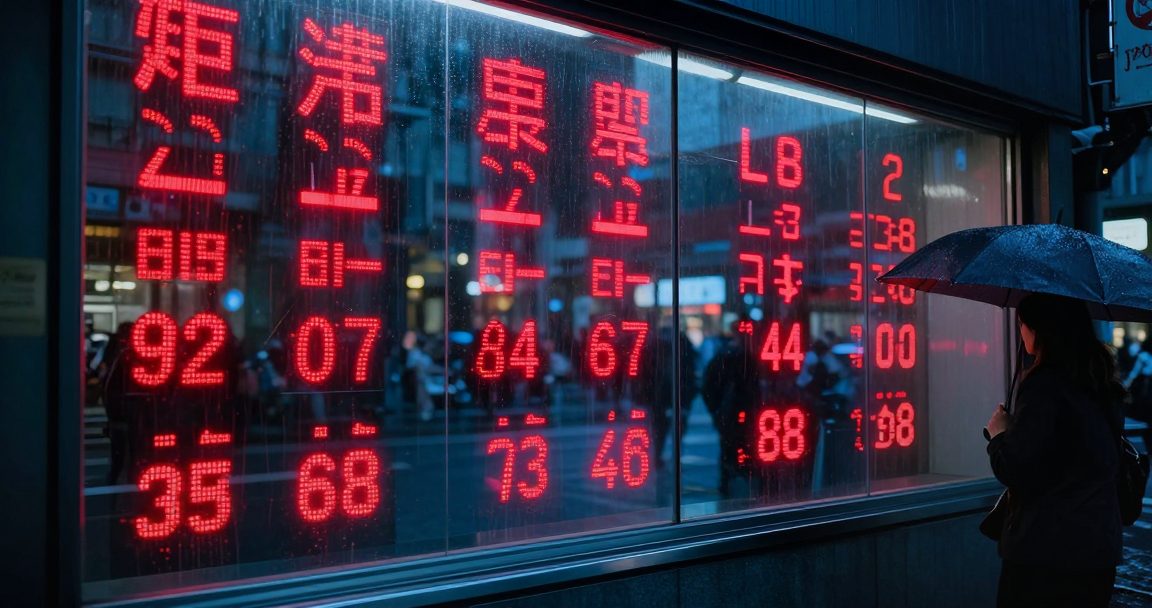
- The yen touched the upper 163 range per dollar in New York on July 23
- That marks its weakest level since December 1986, about 39 and a half years
- The US Treasury's FX report said excessive yen volatility is undesirable
- Crisis-driven dollar buying amid Middle East tensions bypassed the yen
- Tokyo trading on July 24 stayed in the upper 163 range
The yen slid to the upper 163 range per dollar—its weakest since December 1986. In the same window, the US Treasury's currency report stated that excessive yen volatility is undesirable. Those two facts together define the moment better than either alone.
Structurally, this selloff shows the yen's changed identity. In past geopolitical crises, the yen strengthened alongside the dollar as a haven. This time, with Red Sea attacks pushing oil past $100, haven flows bypassed the yen entirely: for an energy importer, an oil shock is a fundamental negative, and markets now treat the yen as a risk asset rather than a refuge.
The Treasury's wording matters for intervention math. By flagging volatility—not the level—Washington effectively lowers Tokyo's political barrier to stepping in, while stopping short of endorsing any particular exchange rate. History says Japan intervenes on sharp single-day drops, not slow grinds: 2022's first intervention in 24 years came past 145, later rounds near 151 and 160. A sudden two-yen daily plunge from here would check every box.
Three scenarios: Middle East de-escalation lifts the yen back toward 150; a slow grind to 165-170 forces faster BOJ tightening; or a shock triggers intervention whose effect, as in 2022, fades within weeks if oil stays high. Watch for Japanese officials escalating to phrases like decisive action, oil-yen single-day resonance, and the BOJ's next statement on import inflation.