ASMACI Mishima Aims to Redefine Healthcare and Housing Integration
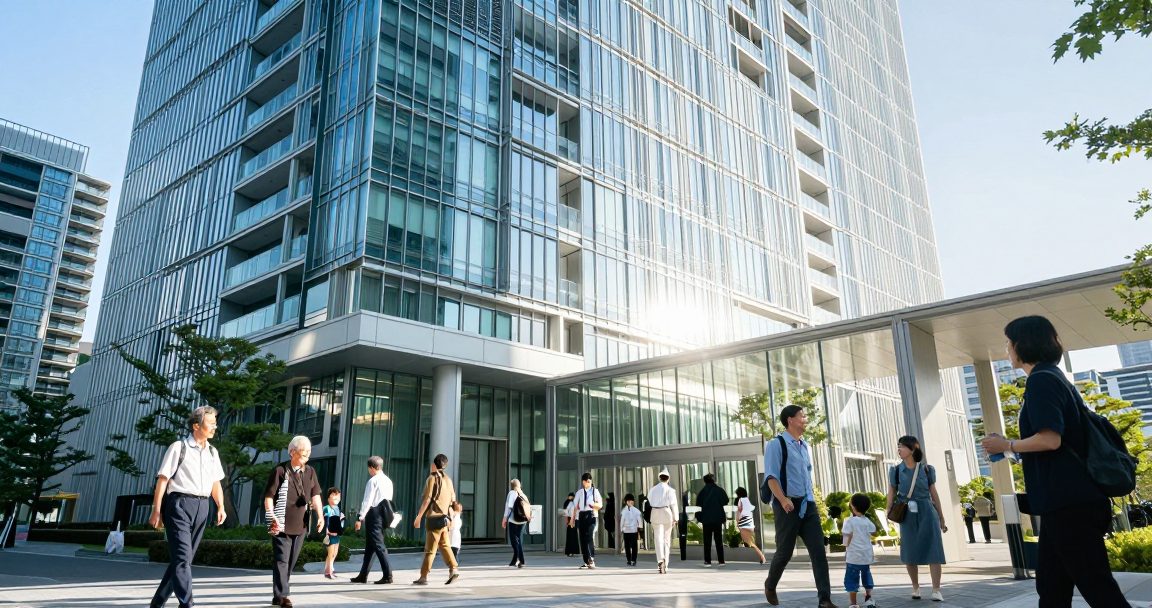
- ASMACI Mishima is a redevelopment project combining high-rise housing with medical facilities.
- The project is a collaboration between Mishawara Home and Juntendo University.
- Plans include multi-specialty clinics and childcare support services.
- Aims to create a sustainable urban model amid hospital financial challenges.
- Integrates housing and healthcare to drive new urban regeneration in Japan.
Taiwanese buyers of Japanese property mostly look at central Tokyo and Osaka. ASMACI Mishima, rising at the south exit of JR Mishima Station, points to a different logic: what is downstairs matters more than the address.
Misawa Homes is building it with Juntendo University, stacking a residential tower, a multi-department Juntendo clinic and childcare facilities into one redevelopment block. Mishima sits on the Tokaido Shinkansen, within an hour of central Tokyo, at the outer edge of the commuter belt. Housing in that position cannot sell on proximity alone; it has to manufacture its own demand, and healthcare and childcare are the two hardest needs to substitute.
The hospital side has its own problem. University hospital finances in Japan have deteriorated as staffing and input costs rise. Moving outpatient functions to a station-front complex, while the main hospital concentrates on inpatient and acute care, is one of the few structural fixes available.
Three outcomes: the medical tenant becomes a durable premium and resale holds up; the clinic leaves at lease expiry and the premium evaporates; or demand stays local and foreign investors face a liquidity discount.
Before buying into regional redevelopment, check the repair reserve schedule, the commercial tenants' lease terms, and the city's population projection rather than its current population. Watch the launch pricing, the clinic's opening date, and how much competing supply appears around the station.