China Restricts Rare Earth Exports to 14 EU Entities as Trade Tensions Rise
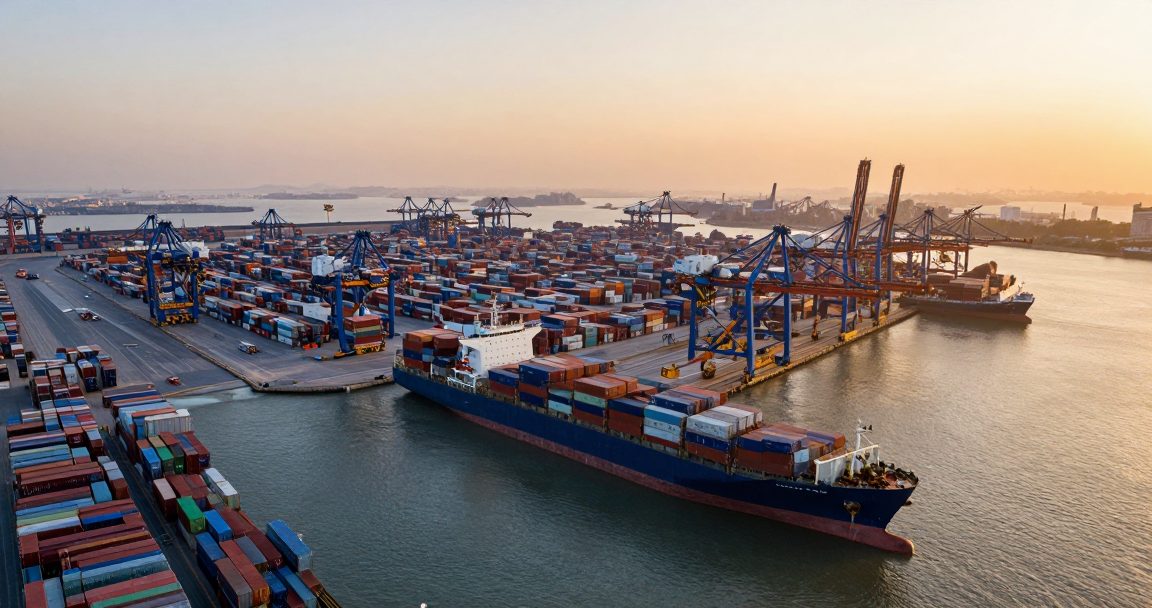
- China has intensified export controls on rare earth materials to 14 EU companies and organizations.
- The move is seen as retaliation against EU sanctions and trade pressures.
- The conflict reflects broader struggles over economic security and trade rules.
- China is using strategic resources as a diplomatic and economic tool.
- Both sides continue to clash over market access and resource policies.
Rare earths are not distant mining news. They are the magnet inside EV motors, wind turbines, hard drives, precision machine tools and defence hardware. China has widened export controls to cover 14 European companies and organisations, retaliation for European Commission sanctions and part of a broader fight over international rules.
Japan has been here before. After the 2010 Senkaku incident, Chinese supply to Japan tightened, triggering a national push into diversified sourcing, rare earth recycling, strategic stockpiles and reduced-rare-earth motor designs. Europe and the US are now copying that playbook, roughly fifteen years late.
The real bottleneck is worth stating precisely: not mines, but separation, refining and magnet fabrication. Deposits are more widely distributed than most assume; midstream capacity is not. A new mine takes years, and so does a separation plant, constrained by permits and skilled labour. That is why controls bite immediately with no substitute available.
Three paths: the list stops at the EU and magnet prices rise without disruption; it extends to Japanese firms or their suppliers, lengthening lead times for carmakers and machine tool builders; or EU countermeasures escalate into a broad critical-minerals confrontation.
Practical step: ask suppliers where material is refined, not where the company is headquartered. Nationality answers are reassuring and wrong.