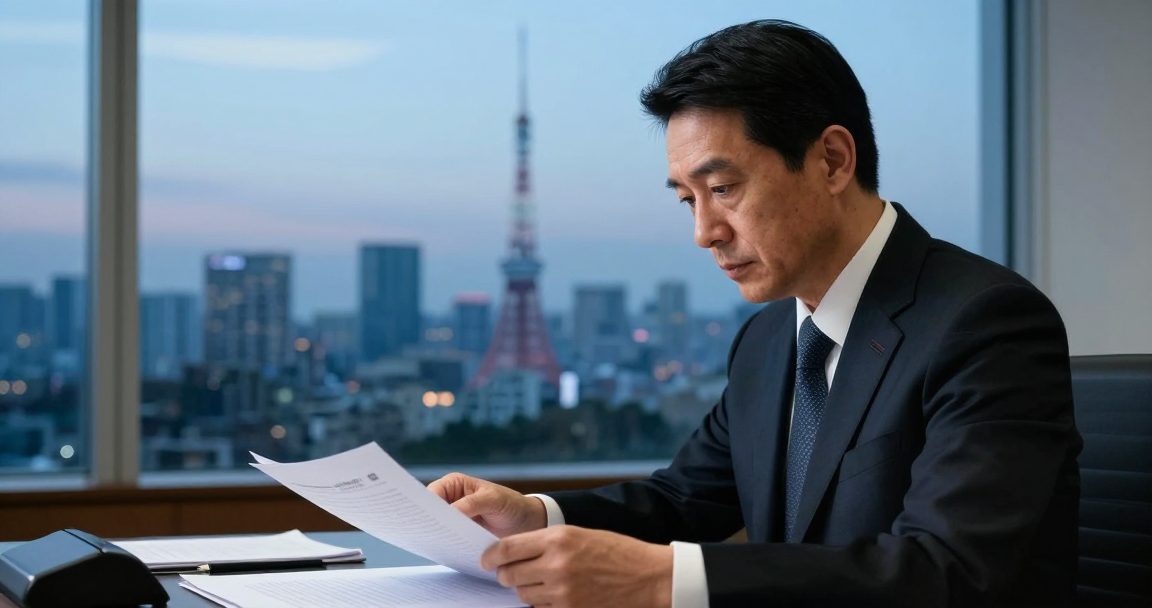
Anti-Tax-Cut Veteran Takes Japan's Top Finance Ministry Job as Takaichi Pushes a Food Tax Cut
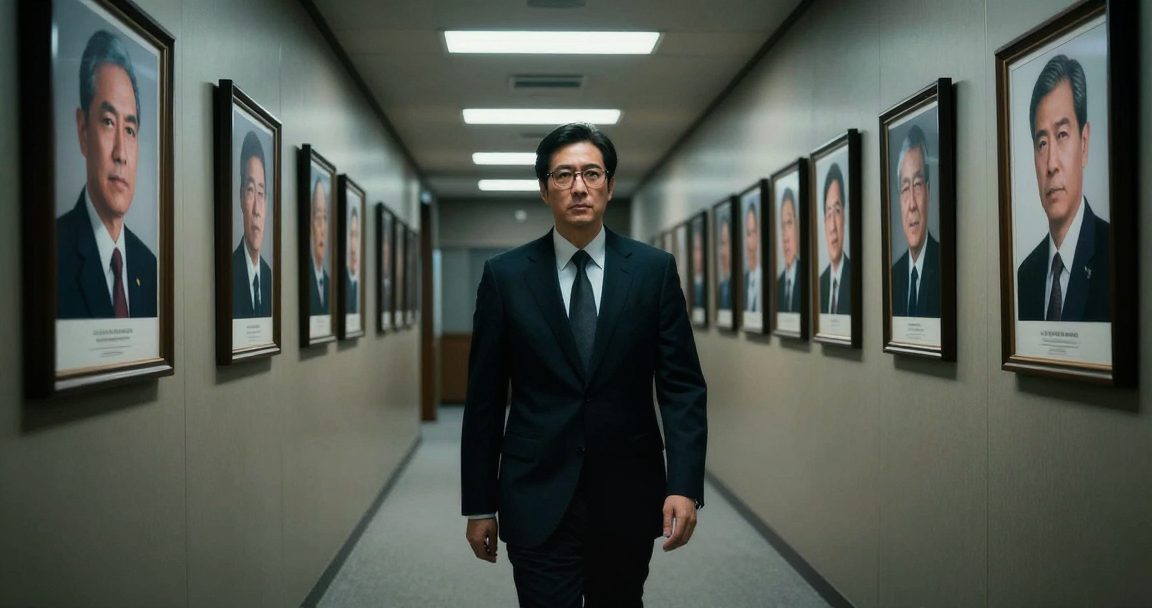
- The reshuffle was announced on 31 July and takes effect on 7 August, elevating the budget bureau chief.
- The incoming vice minister is seen as a leading opponent of consumption tax cuts.
- Prime Minister Takaichi decided on 30 July to cut the food consumption tax from 8% to 1% from April 2027.
- The unusually late announcement is read as a standoff between the cabinet office and the ministry.
Who runs Japan's Ministry of Finance decides whether shoppers pay 8% or 1% consumption tax on food from April 2027. Prime Minister Takaichi announced that cut on 30 July. The next day the ministry unveiled a leadership reshuffle that hands the top bureaucratic job to a figure widely described as the leader of the anti-tax-cut camp.
The details: the outgoing administrative vice minister is replaced by the budget bureau chief, effective 7 August, with further moves down the chain. Promoting the budget chief straight to the top means the ministry has put its funding hawks in charge of the whole building. The announcement came unusually late, which Kasumigaseki reads as evidence of a standoff between the prime minister's office and the ministry over the tax cut.
Consumption tax has broken Japanese prime ministers before — 1997 and 2014 both dented recoveries — but the fault line now runs the other way: not whether to raise, but whether to cut deeply while deficits are large.
Three scenarios: the cut proceeds funded by deficit bonds, pushing super-long yields up and weighing on a yen only just stabilised by intervention; the ministry shrinks or delays it; or the rift widens and policy stalls. For investors holding Japanese property or J-REITs, super-long JGB yields are now the single indicator worth watching.