Why Is 7-Eleven Struggling? Its Winning Formula Is Reaching A Turning Point
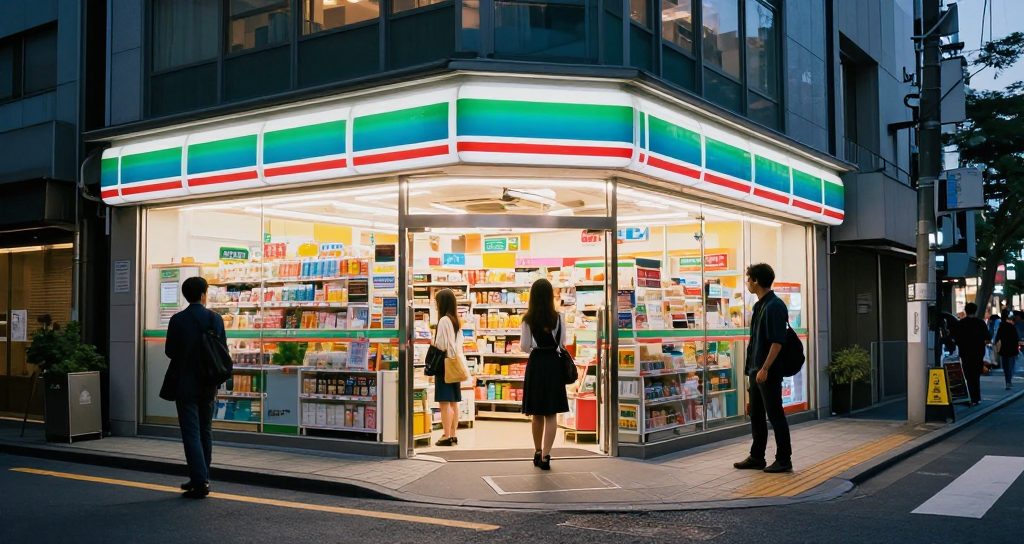
- 7-Eleven's market share in Japan is declining amid fierce competition.
- FamilyMart and Lawson are aggressively launching new services and products.
- Zenless HD, a major foodservice company, is entering the 'mystery convenience store' market.
- 7-Eleven's long-standing success model is now facing a transformation bottleneck.
- Industry observers are closely watching its future strategic adjustments.
As Taiwanese retailers have increasingly entered the Japanese market, the performance of 7-Eleven, Japan's leading convenience store chain, directly affects local tourism and investment decisions. However, 7-Eleven is now facing a decline in market share and a transformation bottleneck. This is not just a domestic issue in Japan, but reflects broader challenges in global retail. With competitors like FamilyMart and Lawson pushing digital innovation and service upgrades, 7-Eleven must adjust its strategy to maintain its leadership. The trend of foodservice companies entering the retail space also shows that the boundaries between sectors are blurring, making competition fiercer. Taiwanese investors and tourism operators should closely monitor 7-Eleven's next moves to assess opportunities in the Japanese market.
It is important to note that this convenience store war is not just about one company's success or failure, but a transformation of the entire industry ecosystem. From product mix, digital services to customer experience, every company is seeking new differentiators. For Taiwanese businesses aiming to enter the Japanese market, understanding the underlying strategies and trends behind this competition is essential, rather than simply copying past successes.