Tokyo After the Last Train, 2026: The Night Buses Are Gone and Taxis Cost 10% More
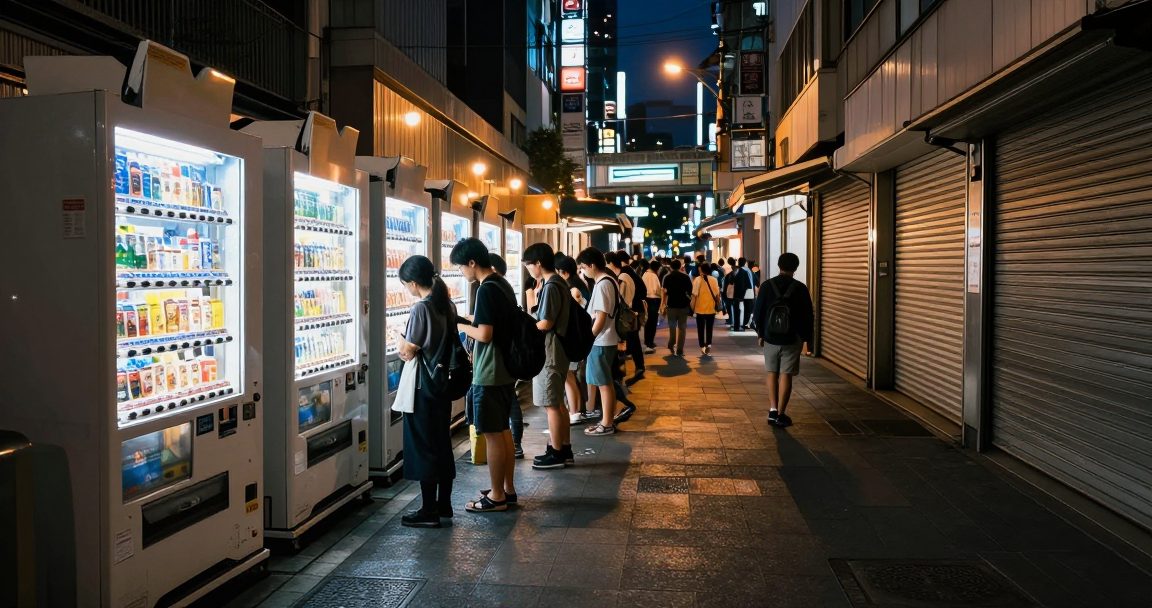
- Toei suspended all six remaining night bus routes (Shinya 02, 03, 07, 11, 12, 13) on 31 March 2026, ending a service that began in 1988; the cause was a driver shortage, and the old advice to catch a night bus after the last train no longer applies.
- Taxi fares in Tokyo's 23 wards and the Musashino-Mitaka area were revised by 10.14 per cent on 20 April 2026: the ¥500 flag fall now covers 1.0 km instead of 1.096 km, the meter ticks every 232 m instead of 255 m, and the slow-traffic rule tightened to 1 min 25 sec. The 20 per cent surcharge from 22:00 to 05:00 is unchanged.
- Surviving until the first train takes only five to six hours — price your options by that unit rather than by 'a whole night'.
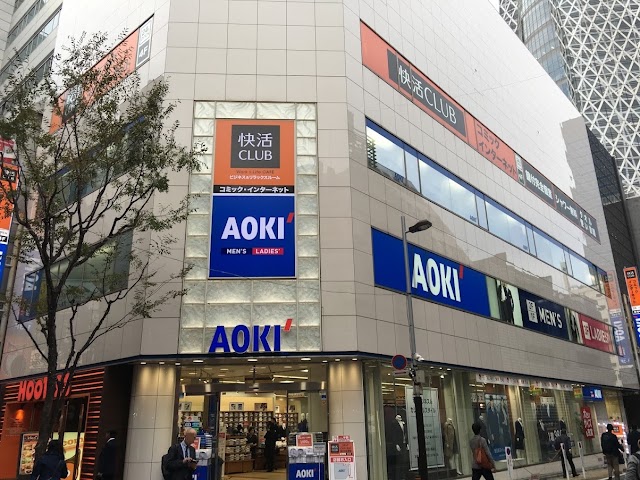
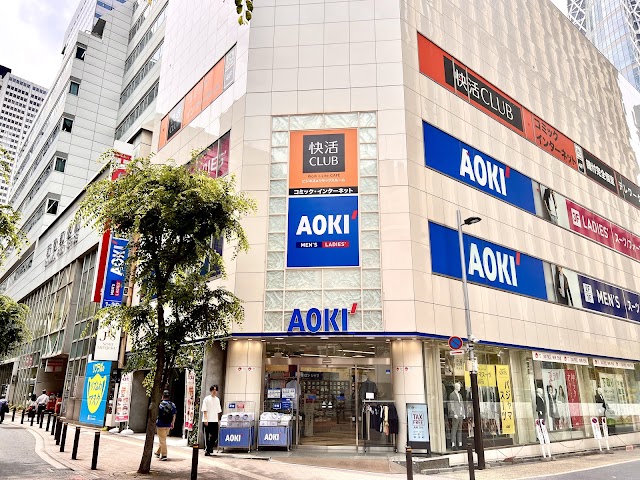
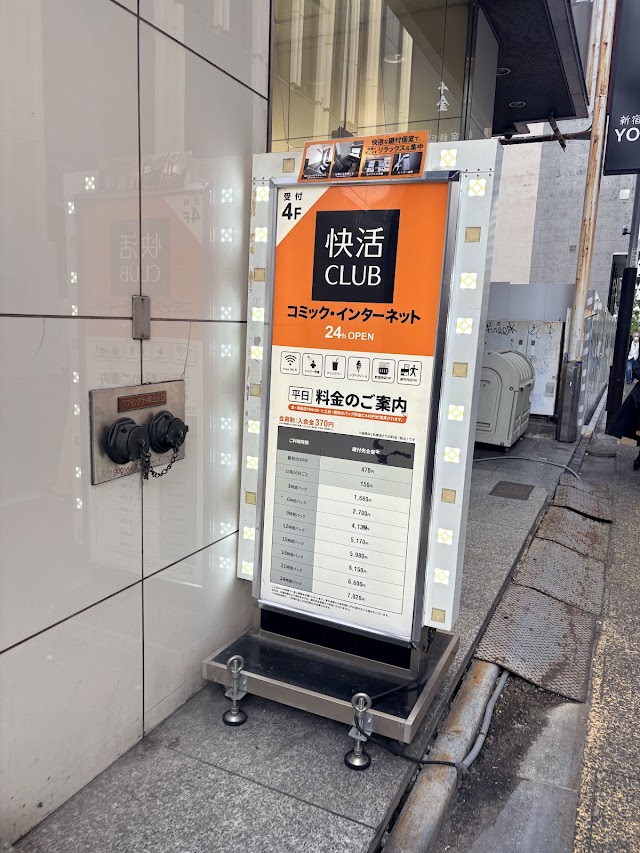
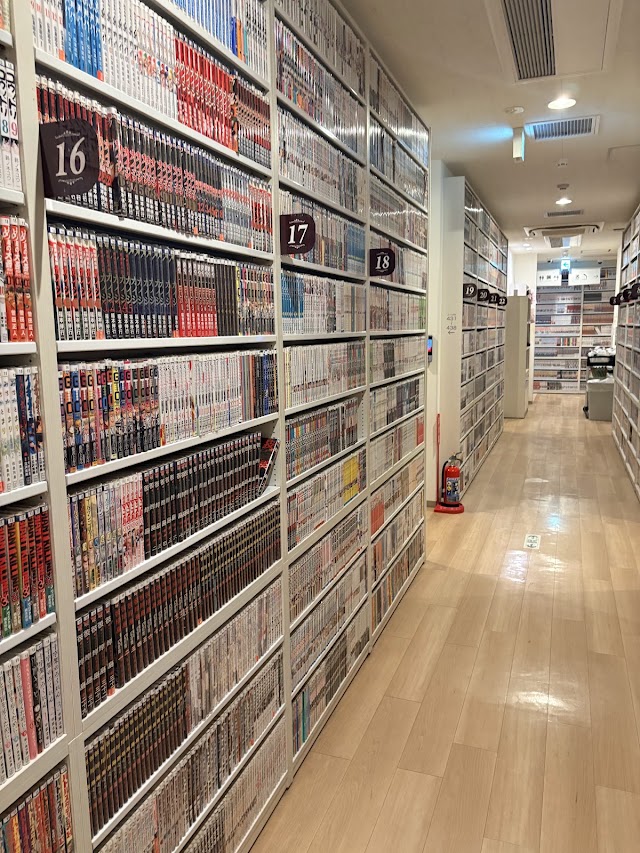
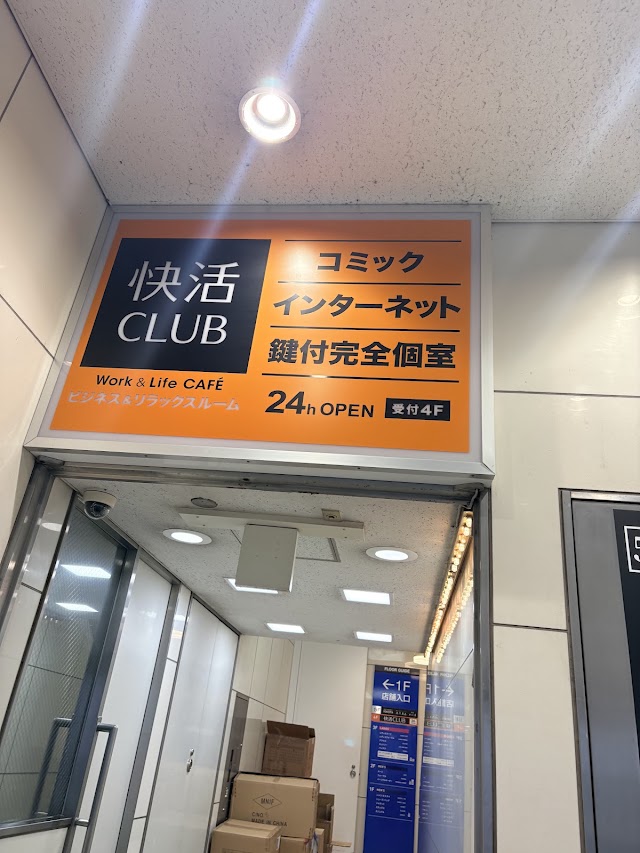
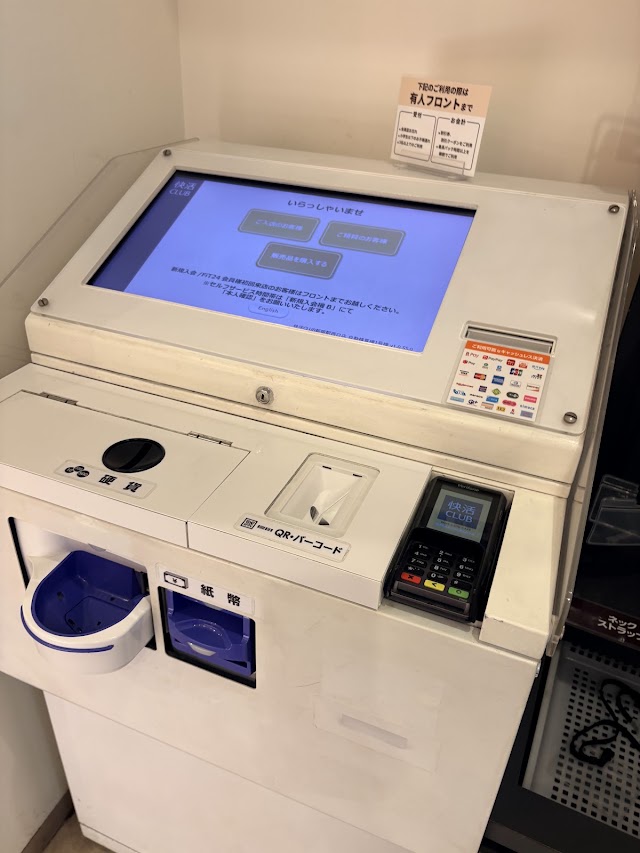
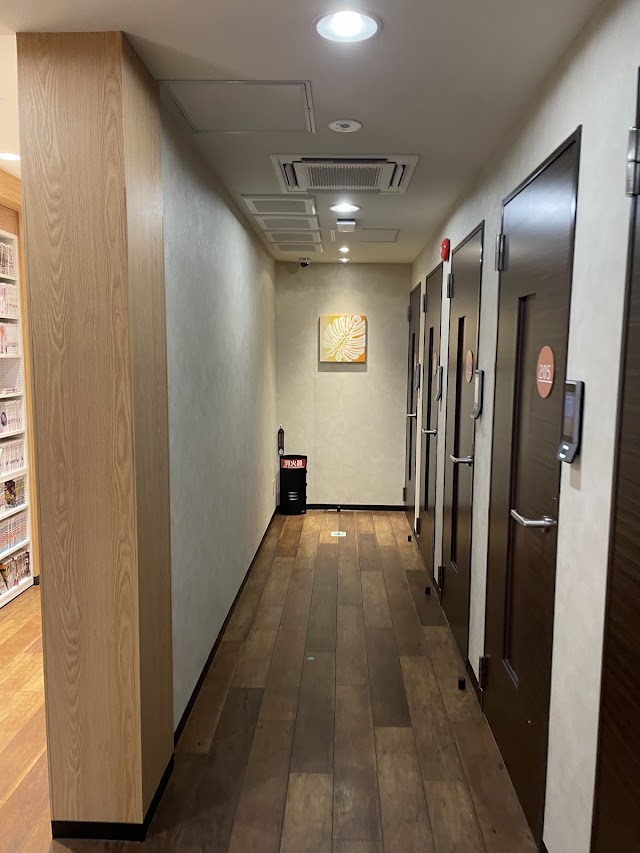
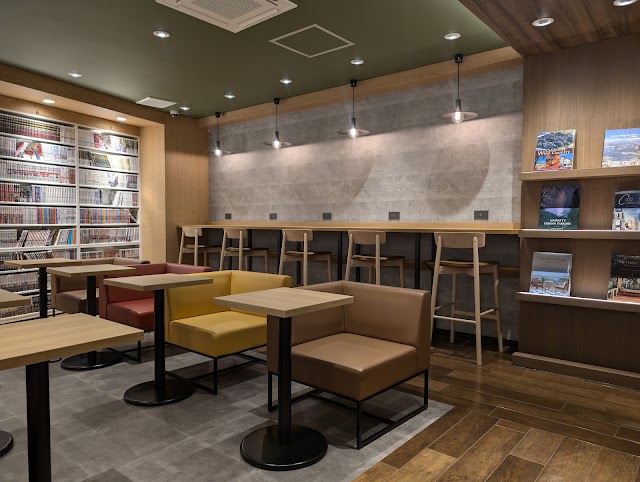
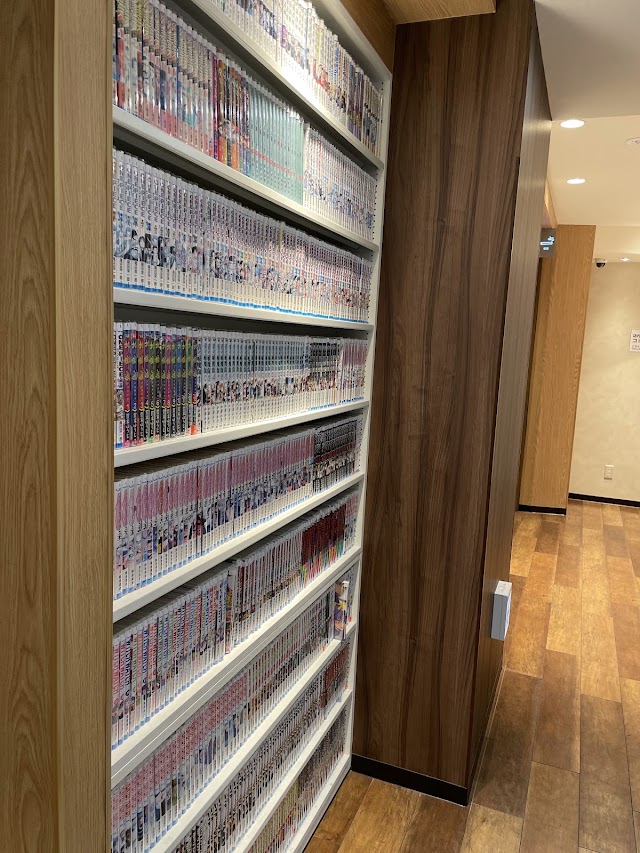
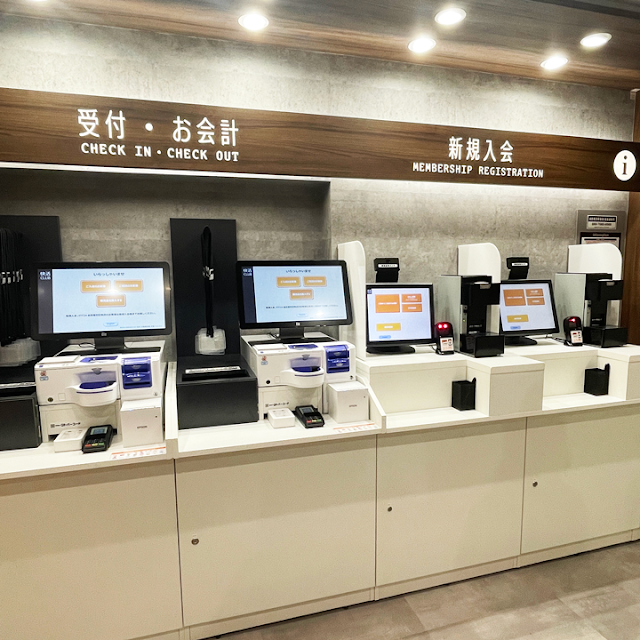
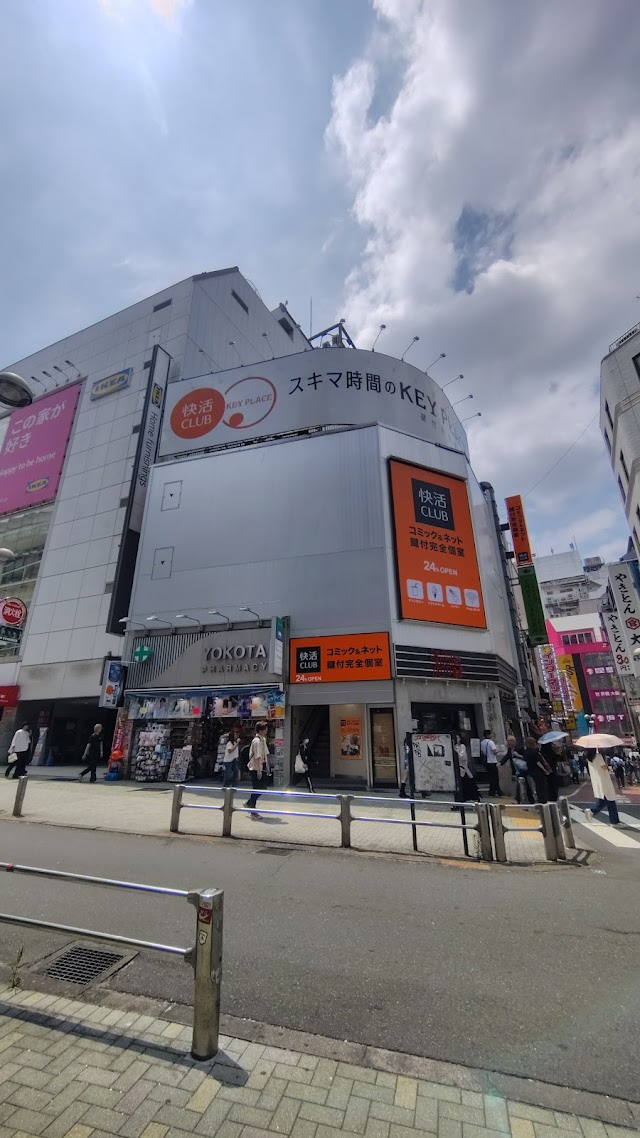
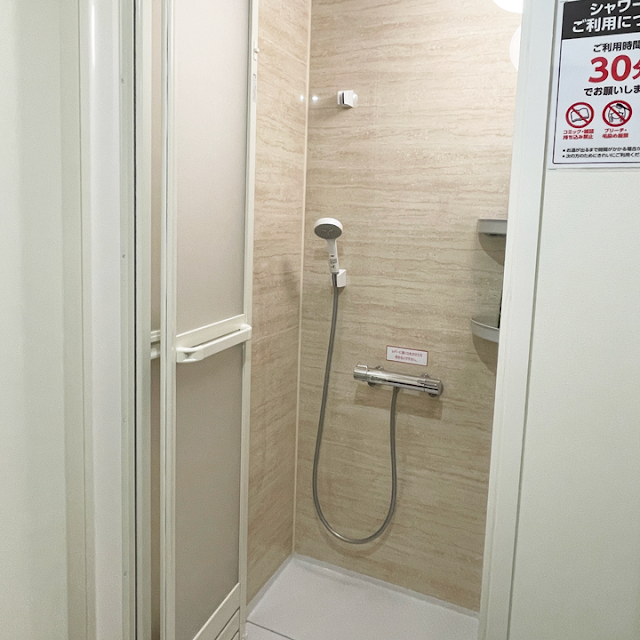
- Internet cafés are no longer cheap by default: the same chain's lockable private booth costs around ¥5,170 at major central branches but about ¥6,860 on weekdays and ¥8,230 on weekends in Shibuya Center-gai.
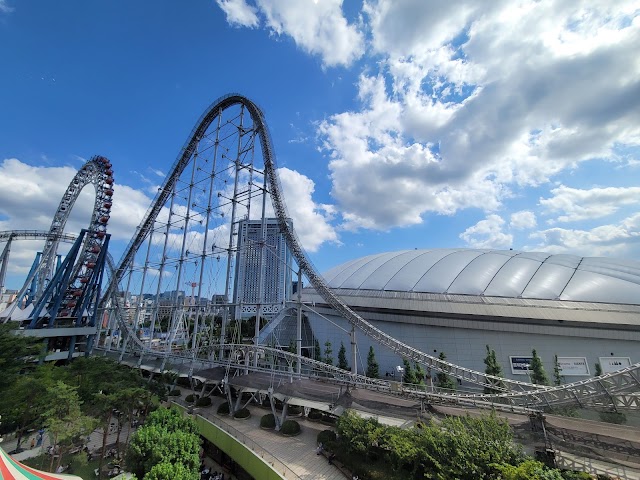
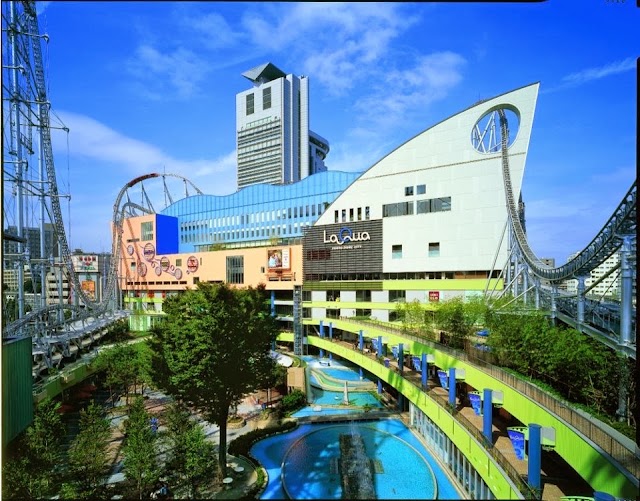
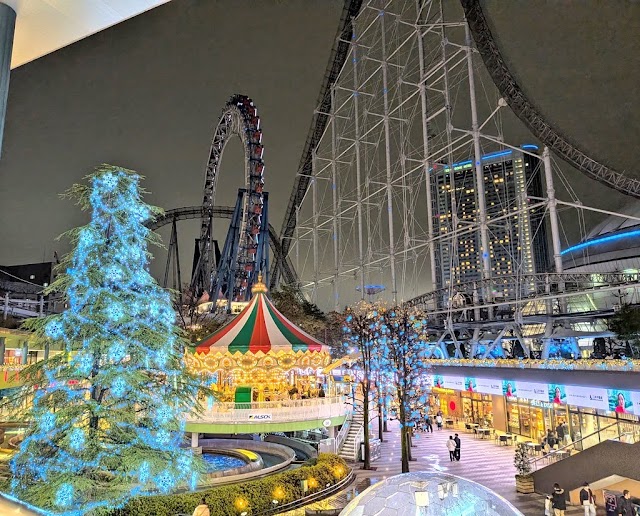
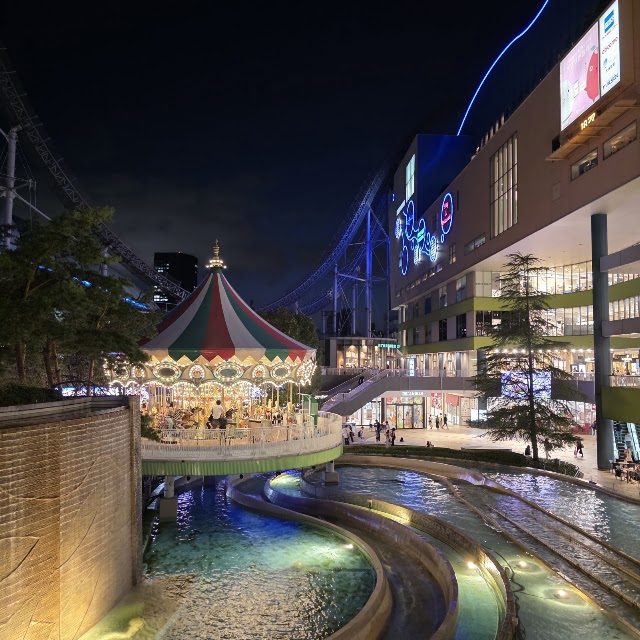
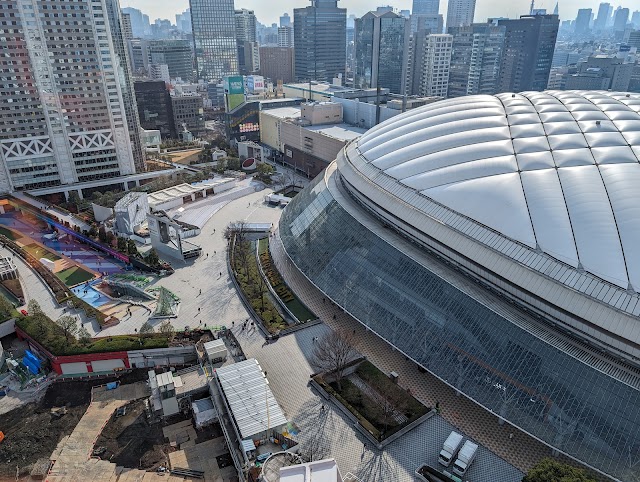
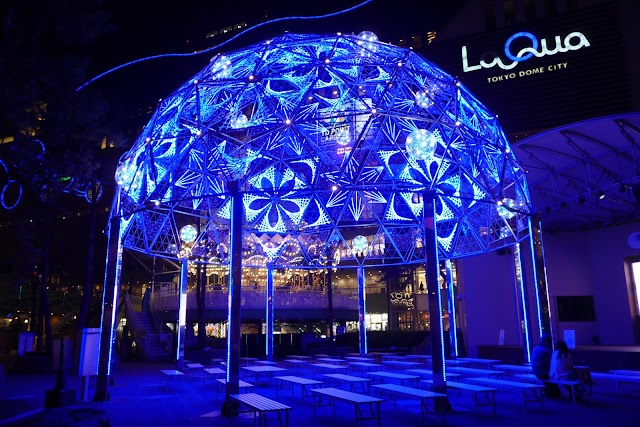
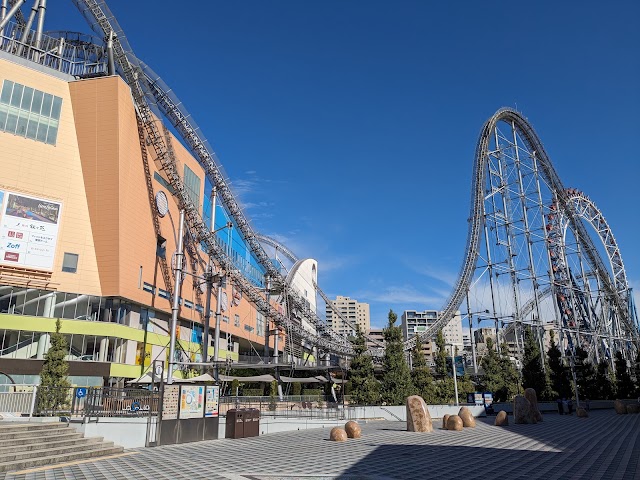
- Spa LaQua at Tokyo Dome has the clearest pricing: admission from ¥3,230 plus a ¥2,420 surcharge between 01:00 and 06:00, roughly ¥6,000 for the night.
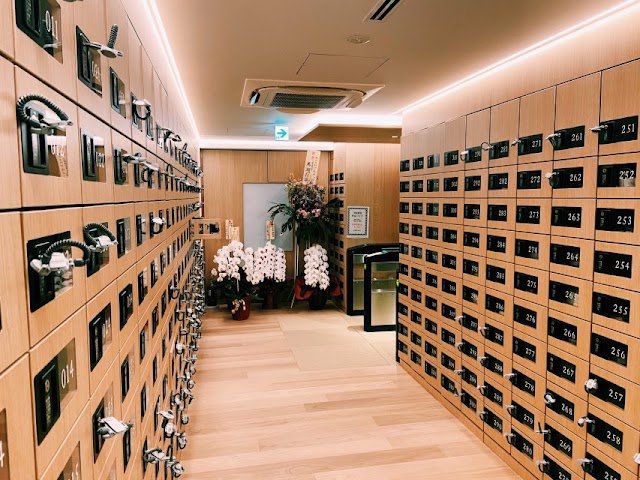
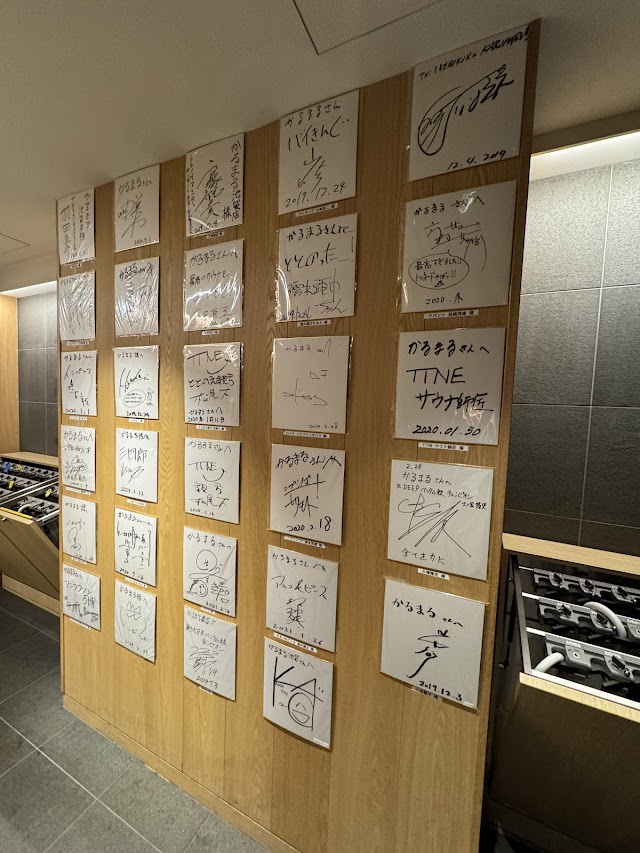
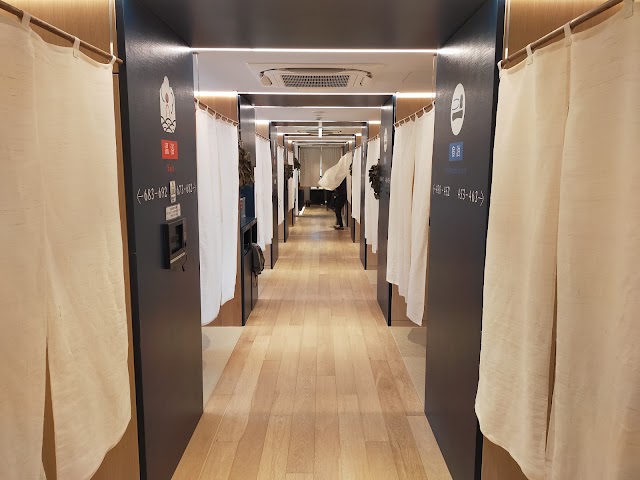
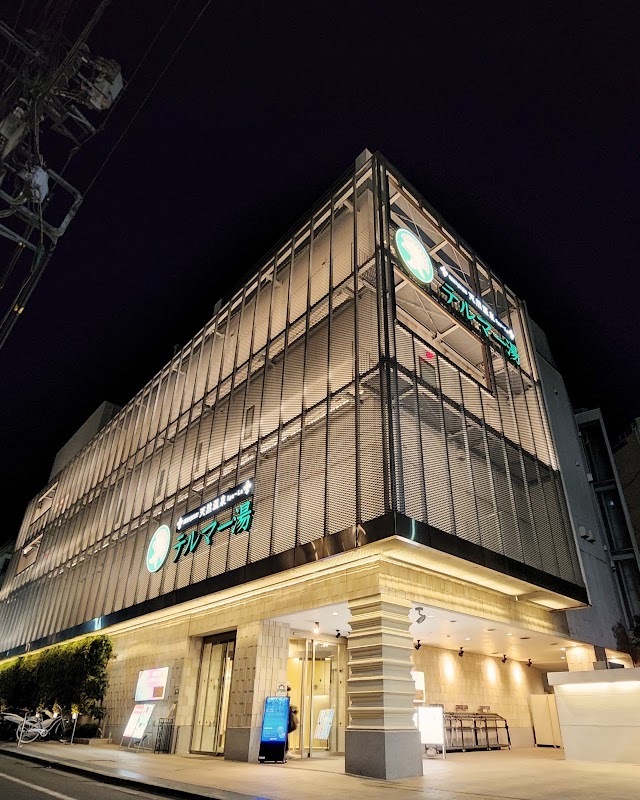
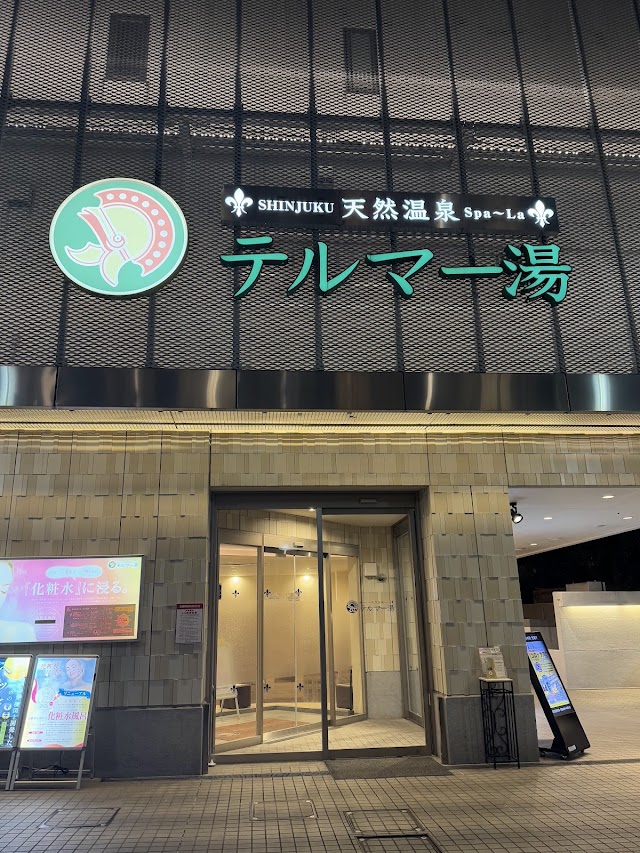
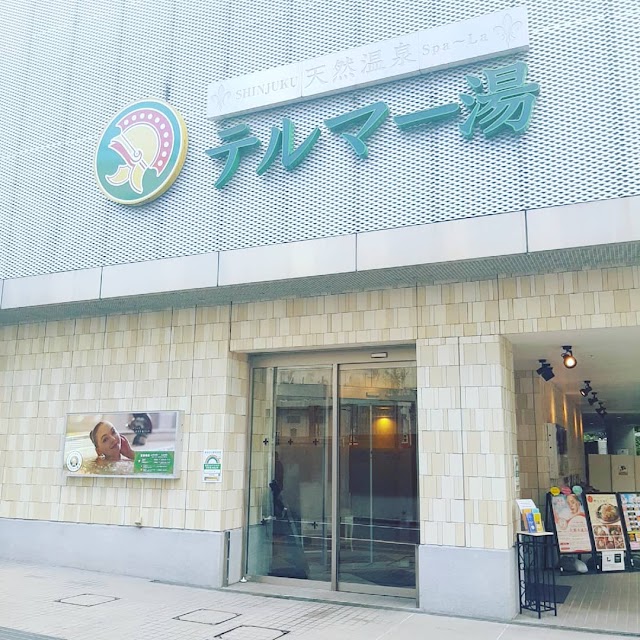
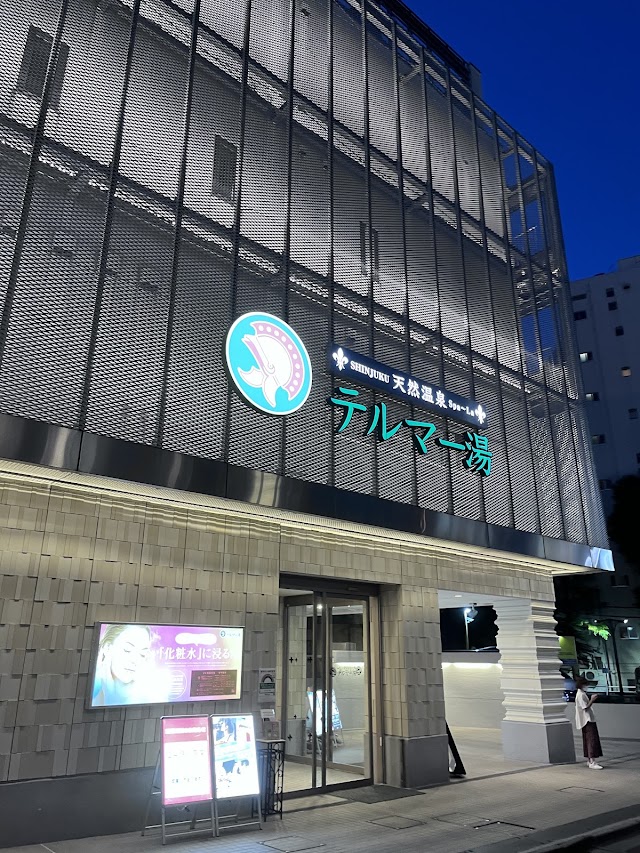
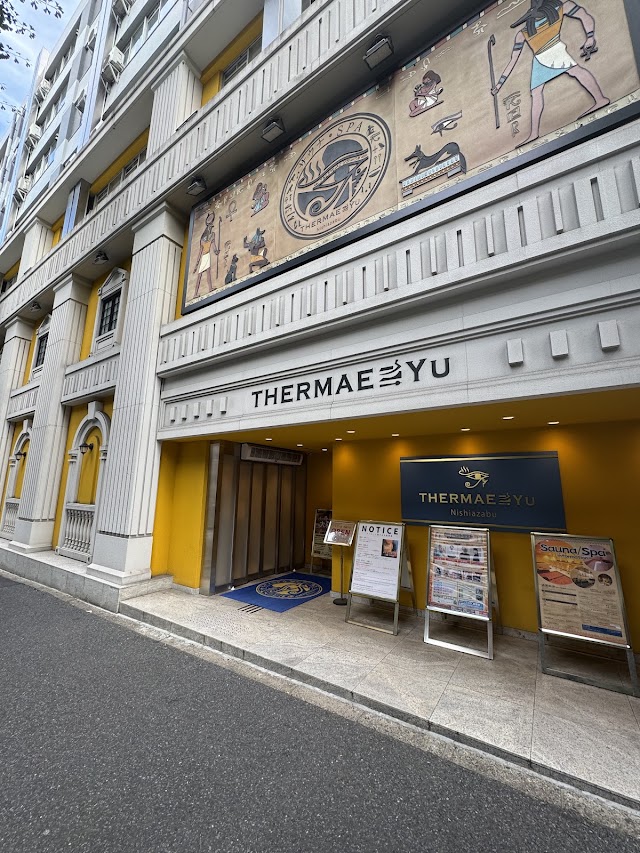
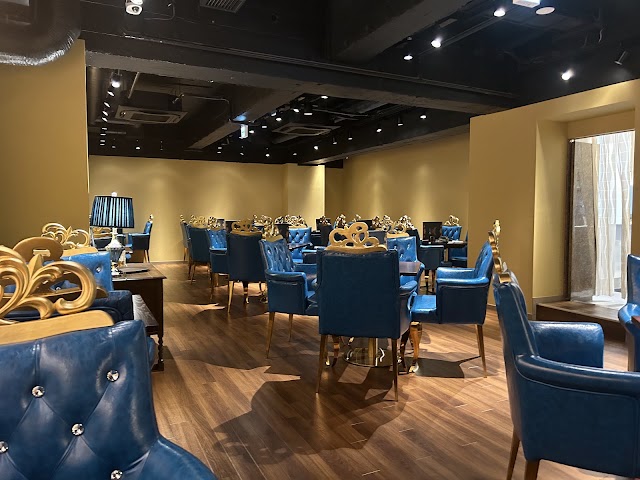
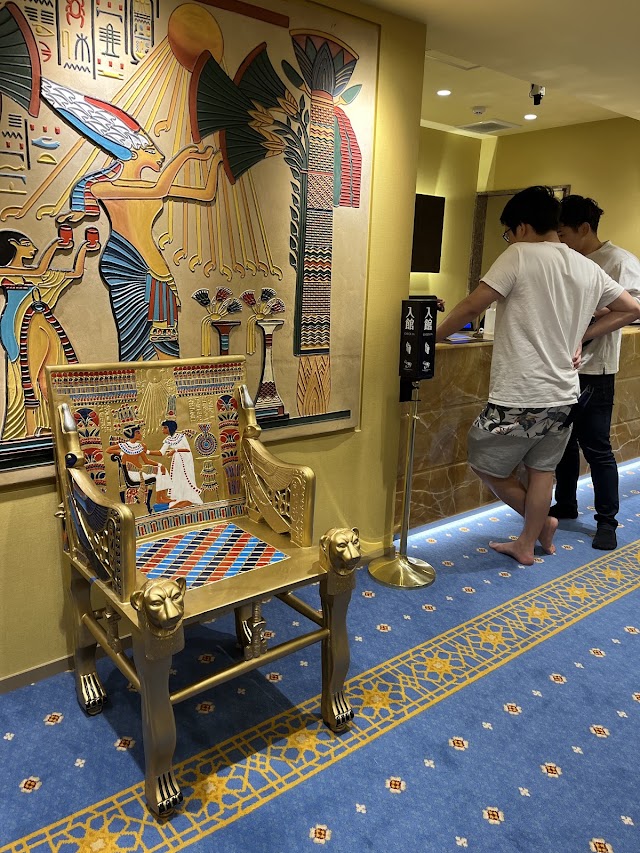
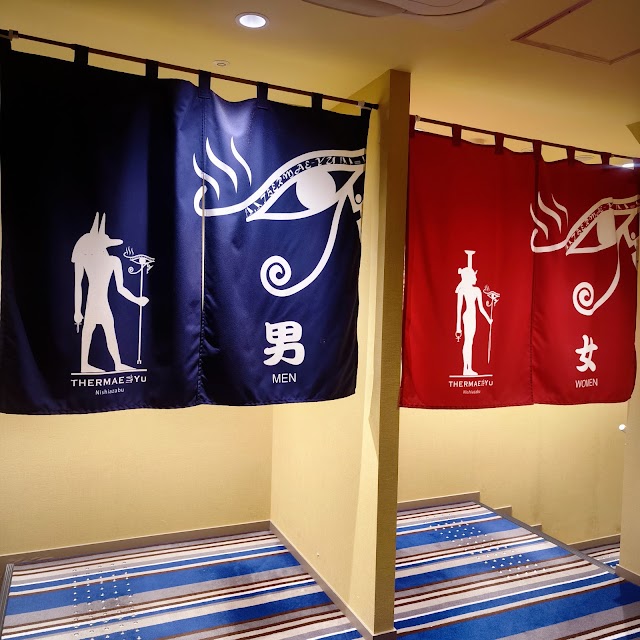
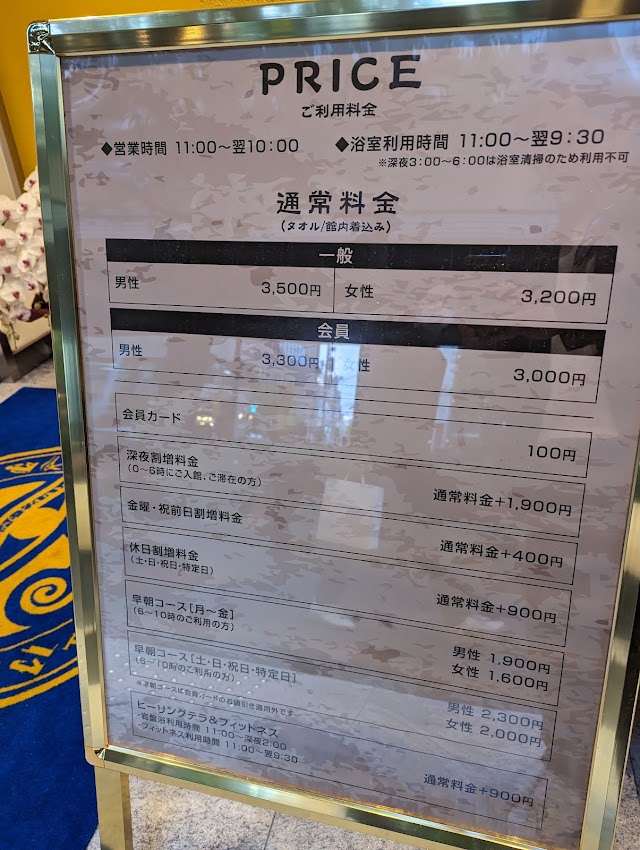
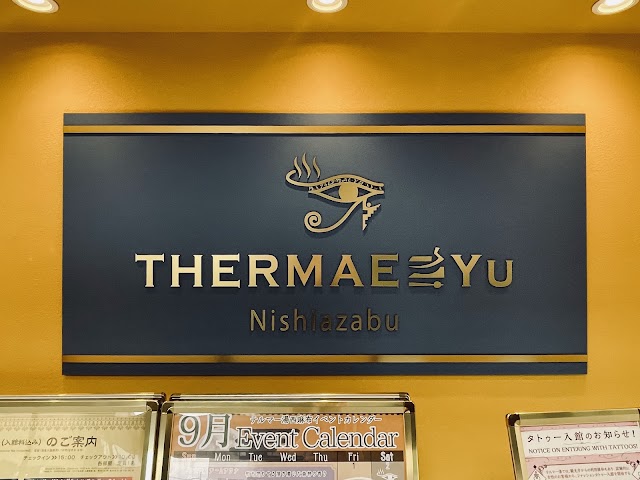
- Many Tokyo sauna hotels are men only (Karumaru Ikebukuro among them). Mixed groups should save gender-inclusive options in advance: Thermae-yu Shinjuku, Spa LaQua, and dosee Ebisu with its women-only floor.
- Obon 2026 runs 13–16 August: the hardest time of year to hail a taxi, the earliest overnight coaches sell out, and peak hotel rates.
- Fireworks crowd control effectively moves your last train earlier — Itabashi on 1 August and Jingu Gaien on 8 August (reserve date the 9th).
Tokyo's last trains run earlier than most visitors expect. The Yamanote Line wraps up somewhere between midnight and 00:30, private railways and subways finish earlier still, and there is no city-wide night bus network to fall back on the way there is in Taipei. In 2026 the situation got measurably harder.
On 31 March, Toei suspended its final six night bus routes (Shinya 02, 03, 07, 11, 12 and 13). The service began in 1988, when the twenty-four-hour city and the separation of home from workplace made it necessary, and it lasted nearly four decades. It ended not for lack of passengers but for lack of drivers. Then on 20 April, taxi fares across Tokyo's 23 wards and the Musashino-Mitaka area were revised upward by 10.14 per cent. The ¥500 flag fall stayed, but the distance it covers shrank from 1.096 km to 1.0 km, the meter now ticks every 232 metres instead of 255, and the time-distance rule in slow traffic tightened from one minute 35 seconds to one minute 25. The same trip simply costs more. The 20 per cent late-night surcharge between 22:00 and 05:00 is unchanged.
Put those two changes together and the conclusion is straightforward: after the last train, moving around Tokyo got more expensive, while waiting until dawn got relatively cheaper. That is the real function of the city's internet cafés, karaoke boxes, twenty-four-hour saunas and bathhouses. They are not entertainment venues so much as Tokyo's night-time buffer layer.
August adds two more pressures: crowd control at stations after the Itabashi fireworks on 1 August and the Jingu Gaien fireworks on 8 August, and the Obon period from 13 to 16 August. On those nights taxis are unhailable, overnight buses are long sold out, and hotel rates sit at their annual peak. Rather than comparing prices on your phone at a street corner, decide before you go out: if I cannot get home tonight, where do I lie down, roughly what does it cost, and by when do I need to be inside. The ten places below are ordered by that logic.
1. Understand the three clocks
A Tokyo night has three checkpoints. The first is the last train: the Yamanote Line finishes between roughly midnight and 00:30, subways and private lines earlier, and through-services toward the suburbs an hour earlier again. The second is 22:00, when taxi meters add a 20 per cent late-night surcharge that runs until 05:00. The third is the first train, around 05:00 on most lines. What you actually have to survive is five to six hours. That number matters: it determines whether you buy a three-hour package or an all-night plan, and whether it is worth walking thirty minutes to save ¥1,000.
2. What the new taxi fare actually changed
From 20 April 2026, fares in Tokyo's 23 wards and the Musashino-Mitaka district rose by a revision rate of 10.14 per cent. The change is not in the headline number but in how fast the meter moves: the ¥500 flag fall now covers 1.0 km instead of 1.096 km, each subsequent ¥100 comes every 232 metres instead of 255, and the time-based rule in traffic below 10 km/h tightened to one minute 25 seconds. Add the late-night surcharge and short hops remain tolerable while medium and long rides bite. Getting home from the Roppongi and Nishi-Azabu nightlife belt to an outer district routinely passes ¥8,000; Shibuya to the Setagaya area typically lands between ¥3,000 and ¥5,000. This is why, in the list below, location matters more than facilities.
3. The night bus option is gone
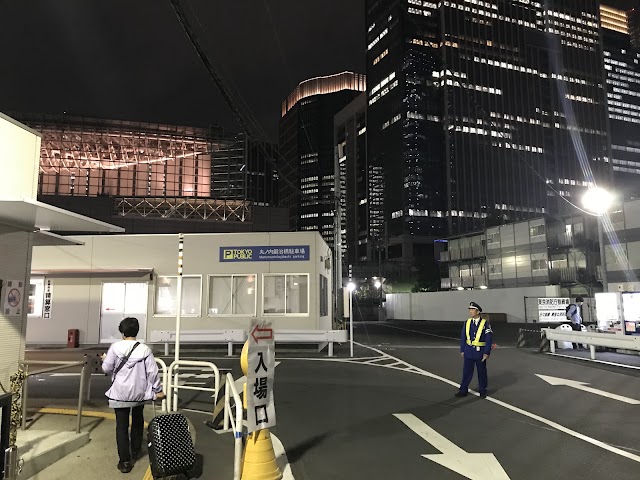
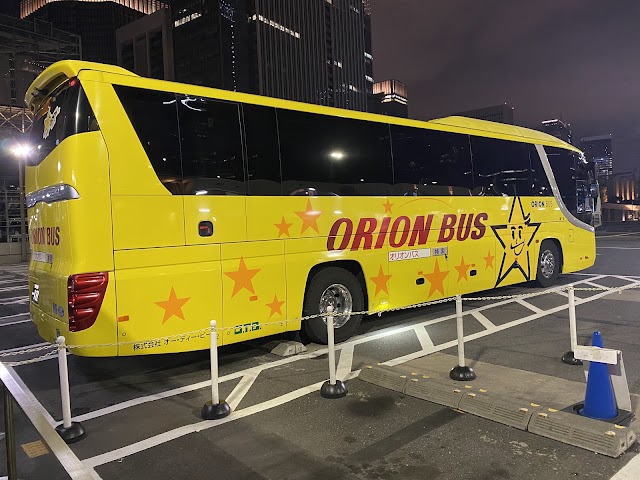
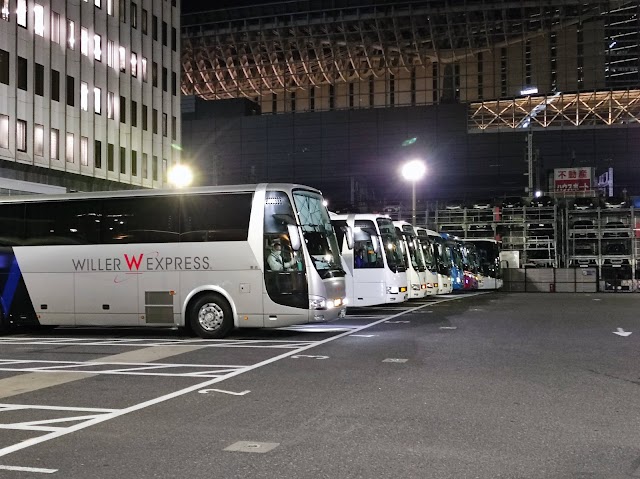
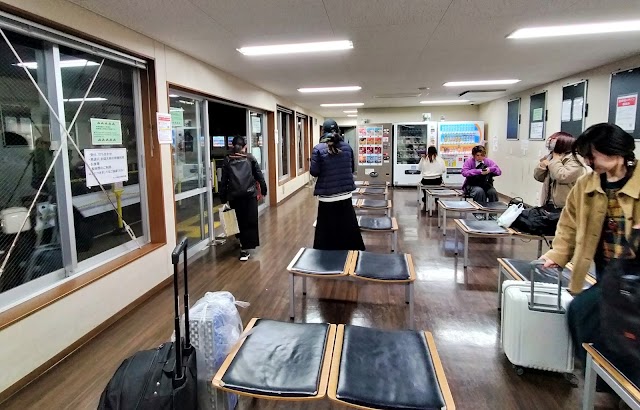
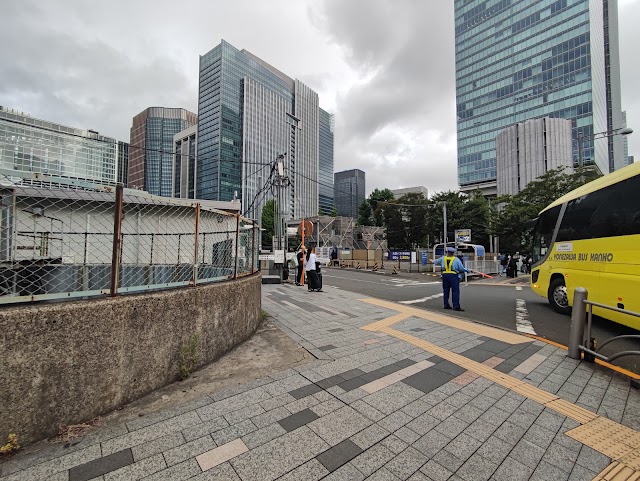
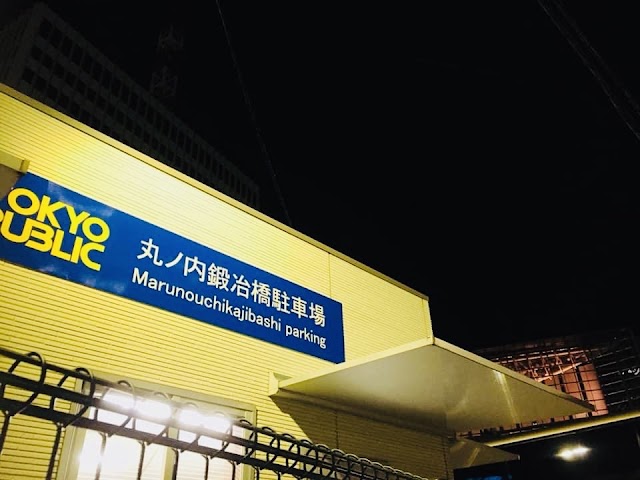
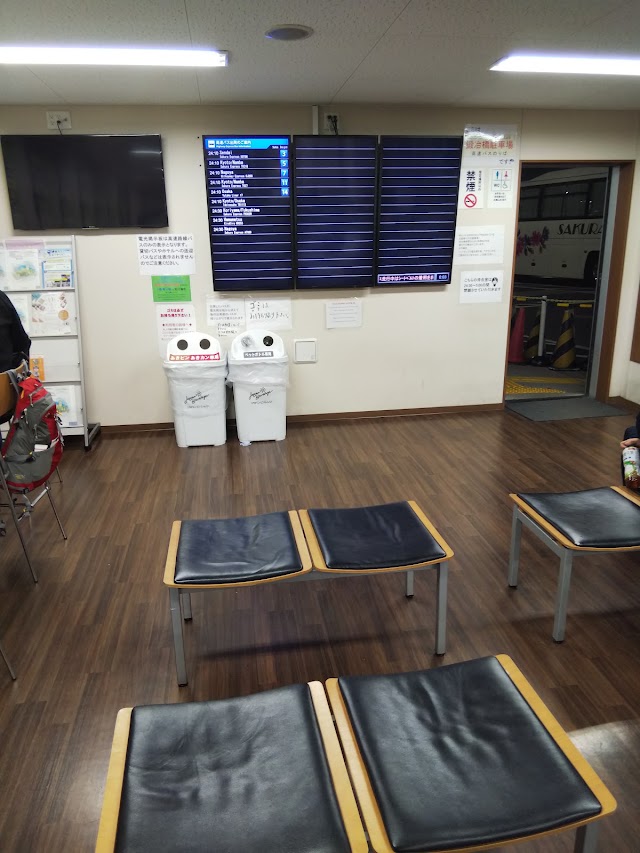
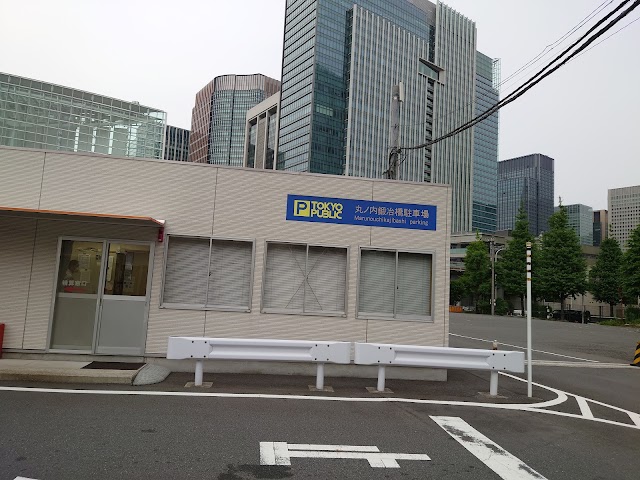
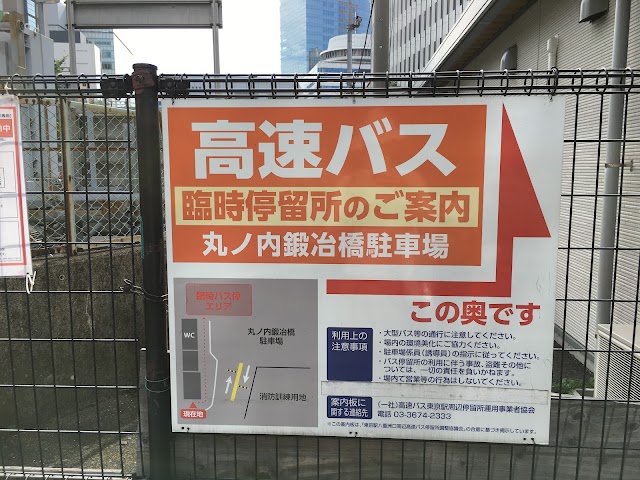
The old advice — miss the last train, take a night bus — no longer applies. In its fiscal 2026 timetable revision, the Tokyo Metropolitan Bureau of Transportation suspended all six remaining night routes, ending forty years of overnight service, citing driver shortages and changing operating conditions; the same revision also trimmed weekend and holiday frequencies. For visitors the practical consequence is that the buses still running after midnight are intercity coaches departing from places like the Kajibashi lot near Tokyo Station. Their job is to take you out of Tokyo, not around it.
4. Four price tiers for lying down
Sorting the options by what a night costs is more useful than sorting them by facility type.
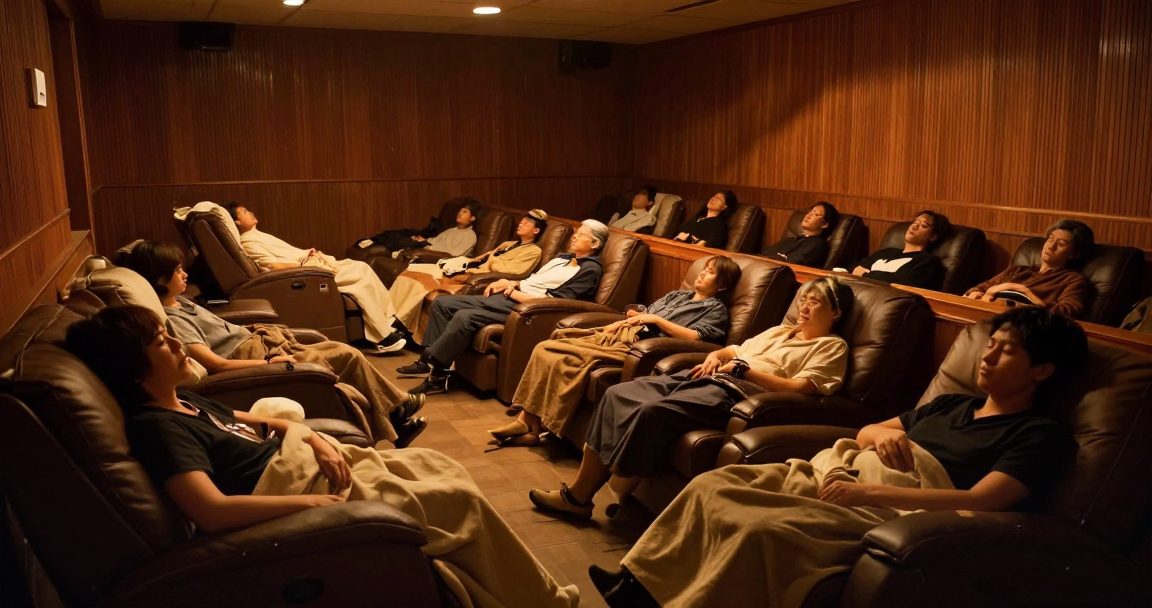
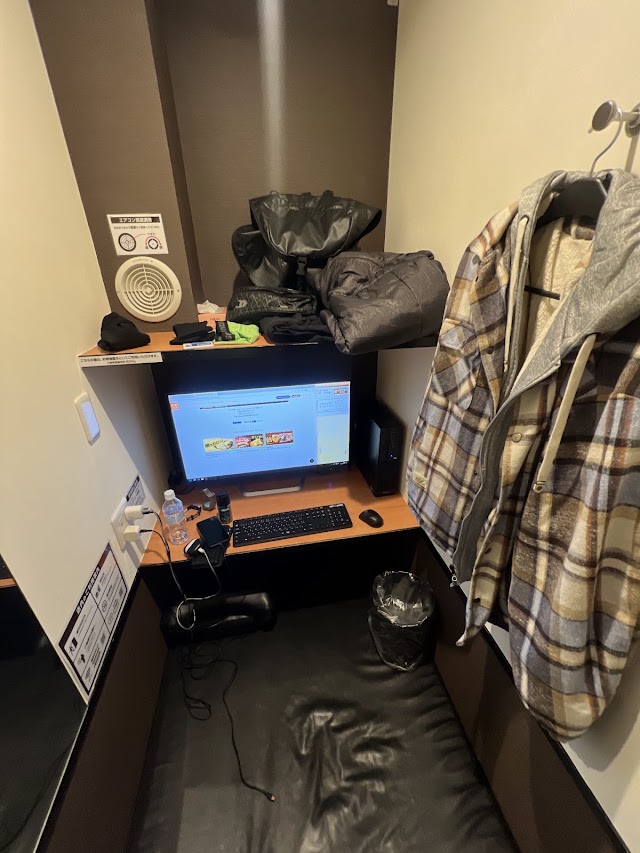
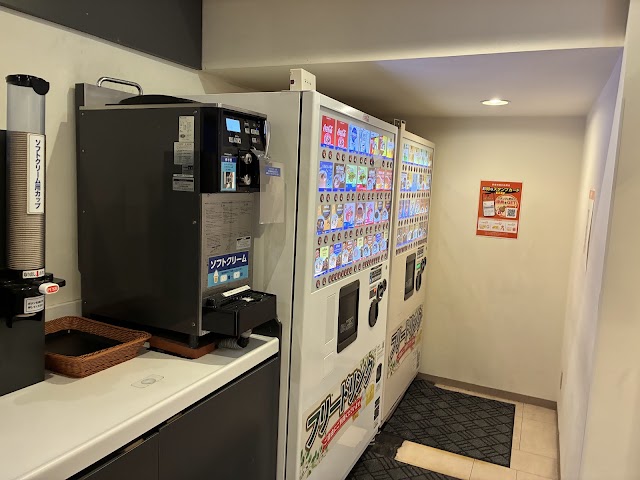
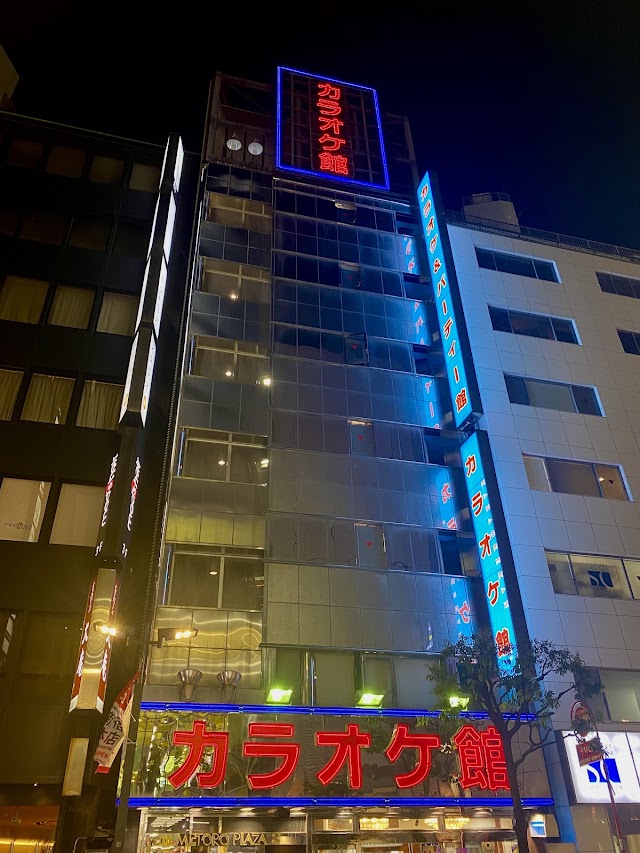
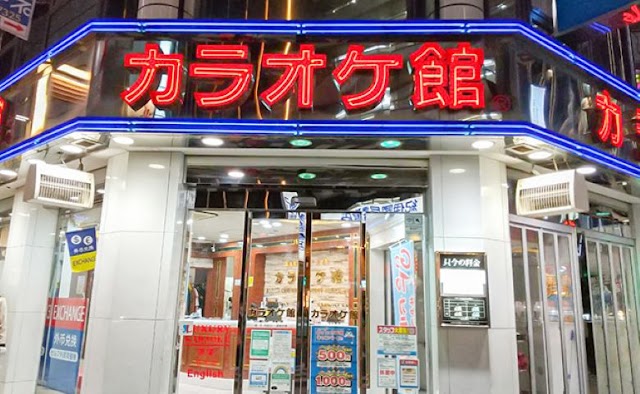
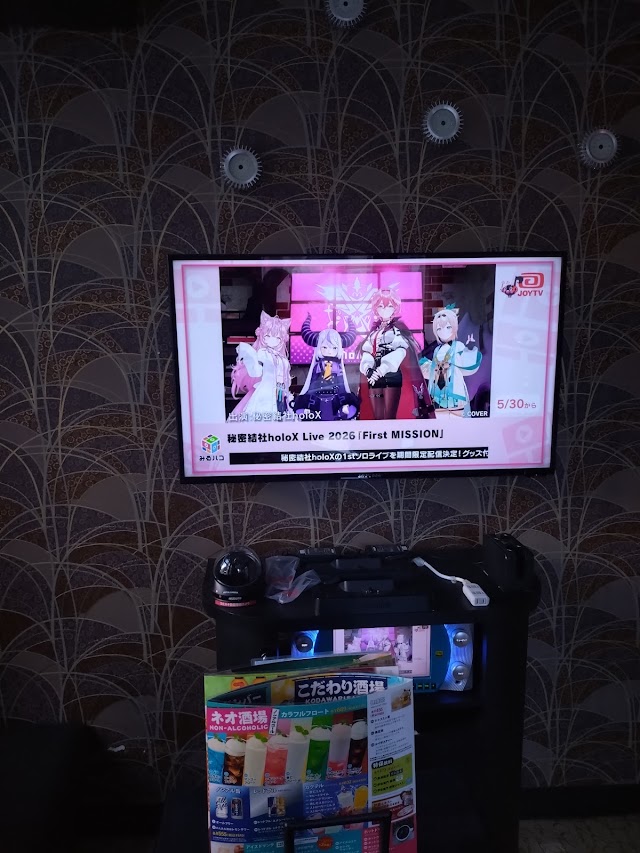
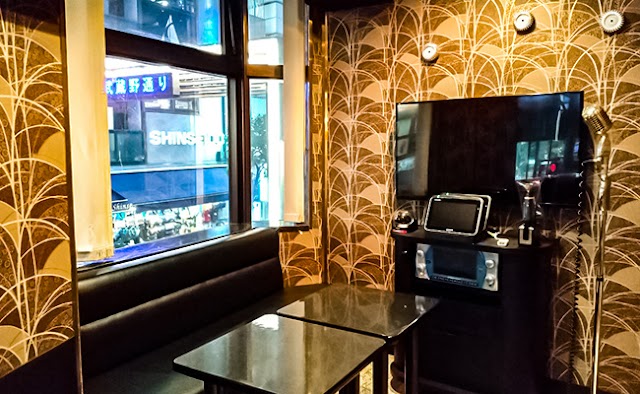
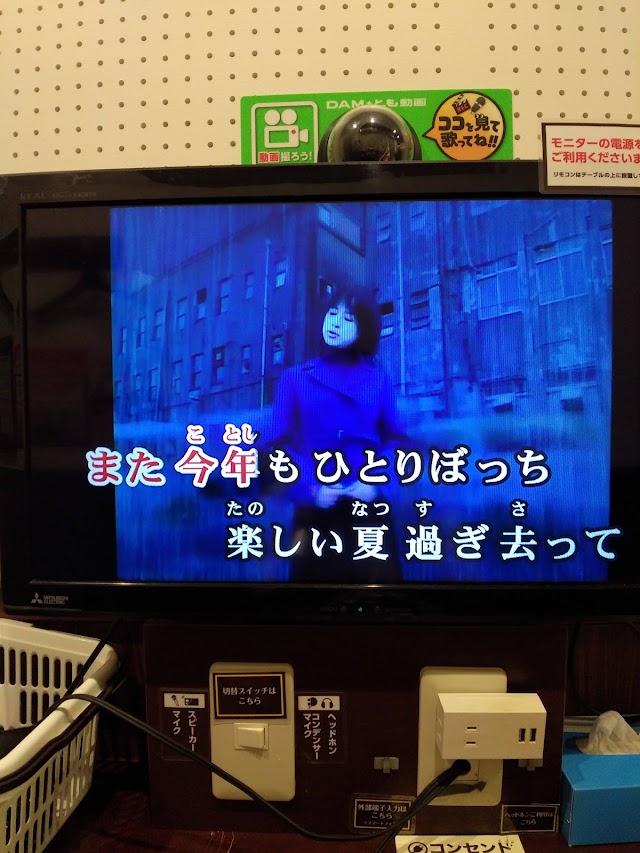
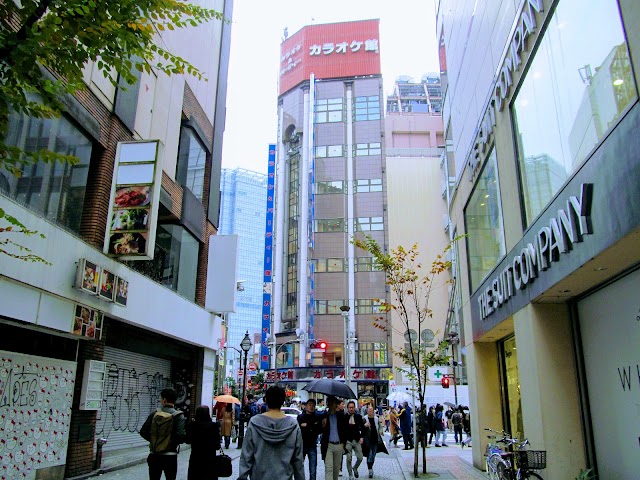
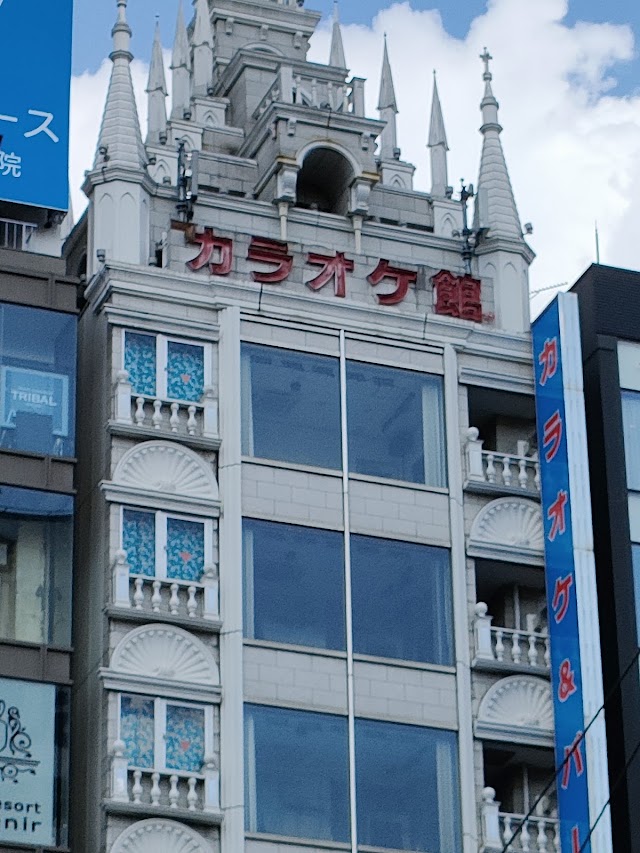
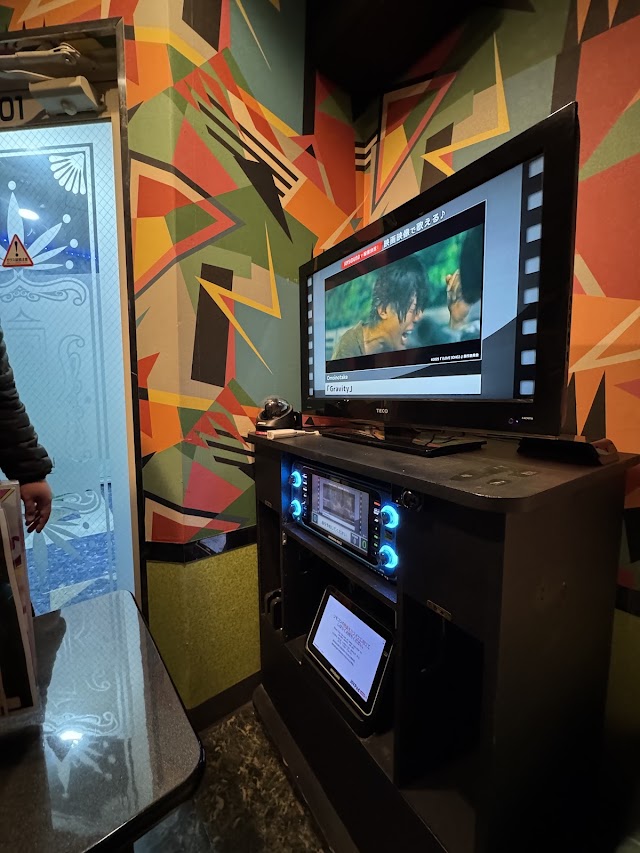
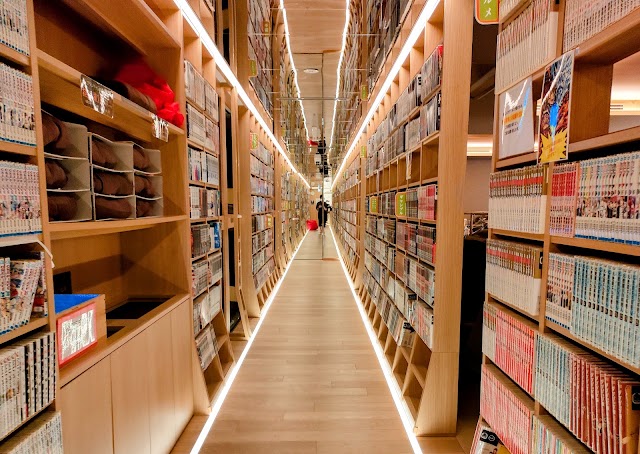
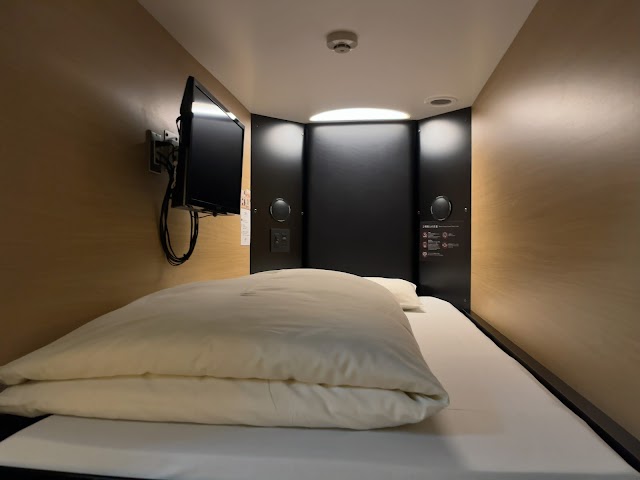
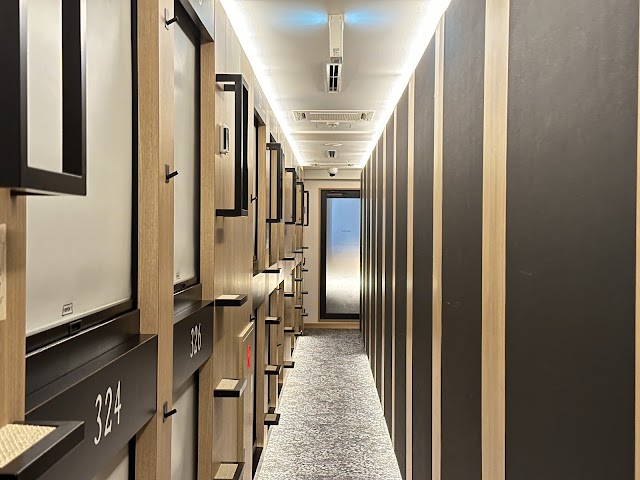
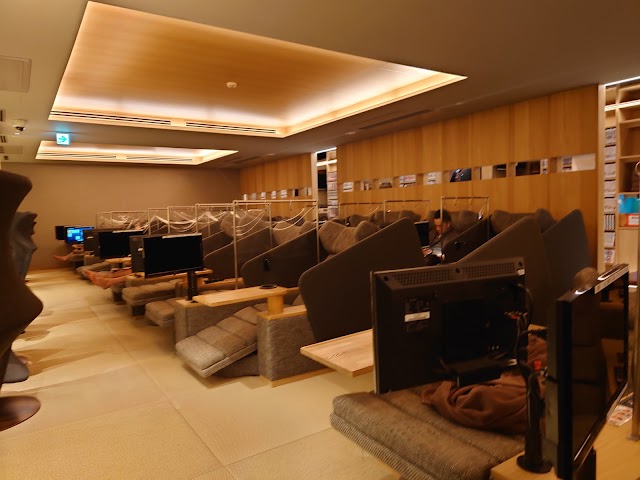
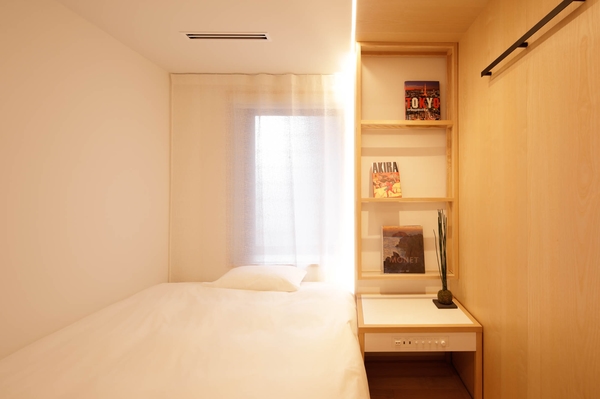
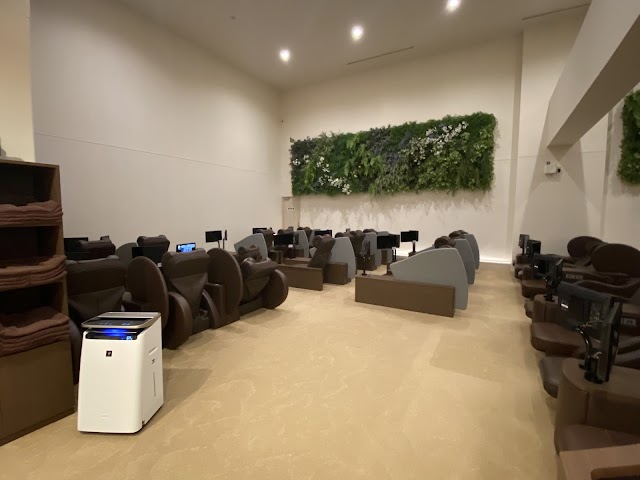
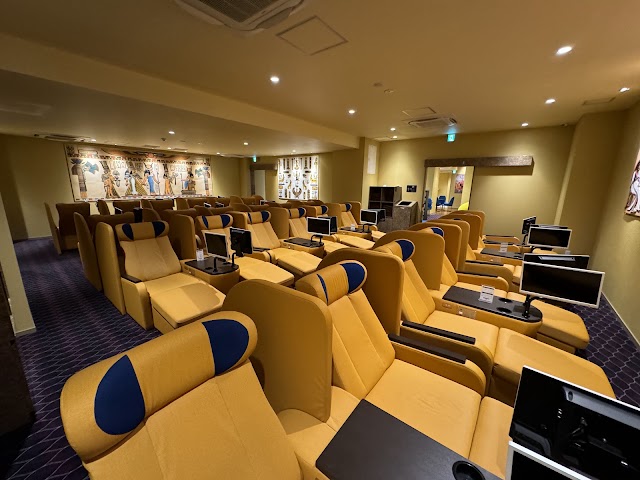
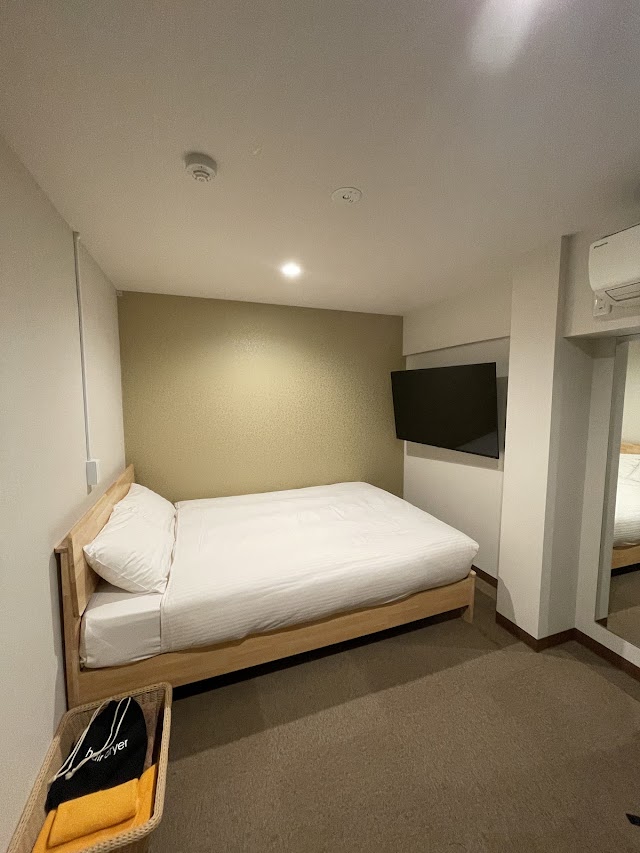
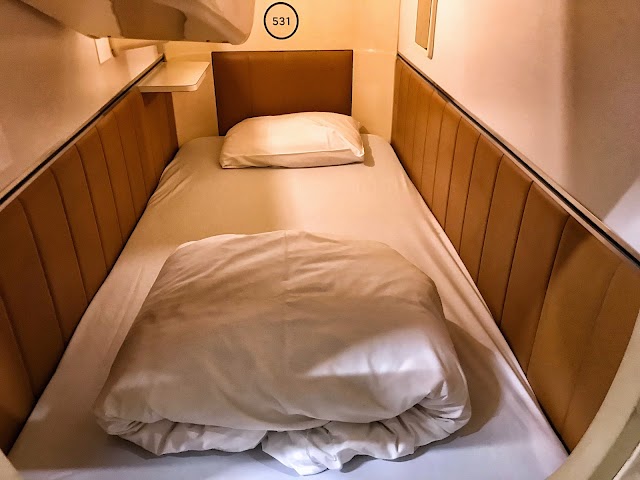
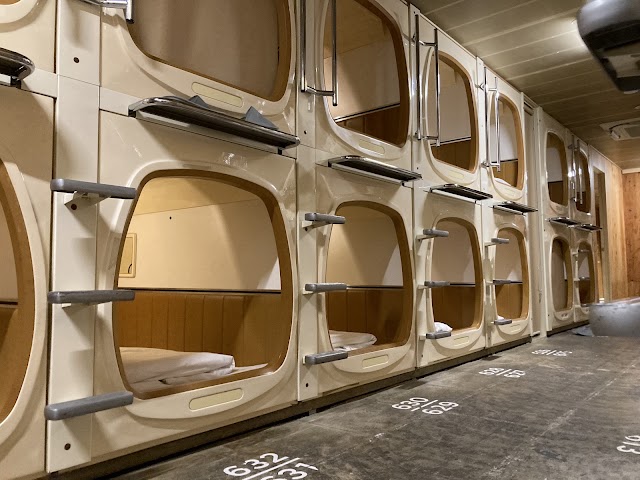
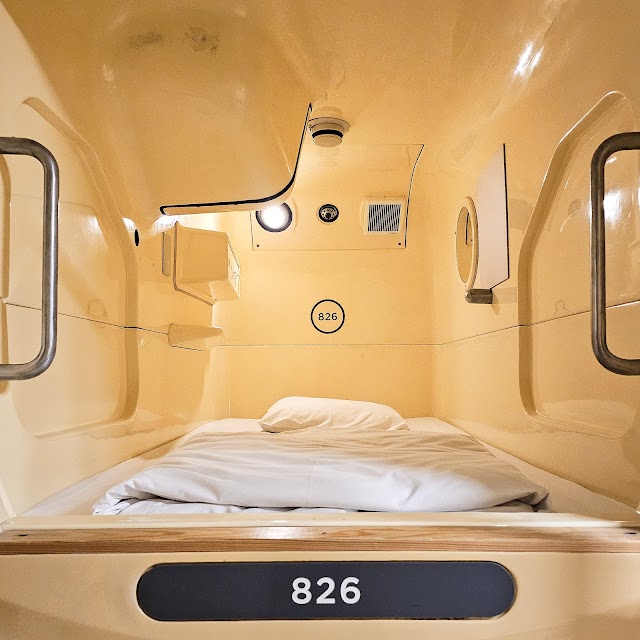
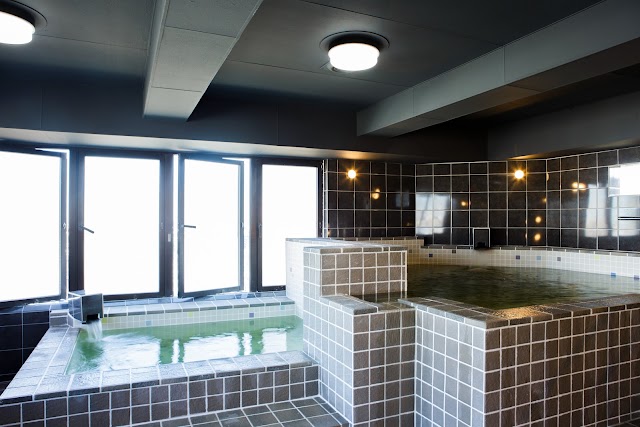
The cheapest tier is an all-night karaoke plan, usually ¥2,000–4,000, better value the more people you are, and noisy. The second tier is a lockable private booth at an internet café, around ¥5,170 at major central branches — but the same chain charges roughly ¥6,860 on weekdays and ¥8,230 on weekends at its Shibuya Center-gai location. That spread is worth remembering: in Tokyo, an internet café is no longer shorthand for cheap. The third tier is bathhouses and saunas. At Spa LaQua by Tokyo Dome, admission starts at ¥3,230 and a ¥2,420 surcharge applies if you are still inside after 01:00, so a full night runs about ¥6,000 for seven baths, three saunas and a lounge you can sleep in. The fourth tier is capsule hotels and sauna hotels, where prices begin to overlap with business hotels and you get an actual bed.
No tier is inherently better. Only two questions decide it: how many of you there are, and how early you need to move tomorrow.
5. Gender and luggage, the two constraints nobody plans for
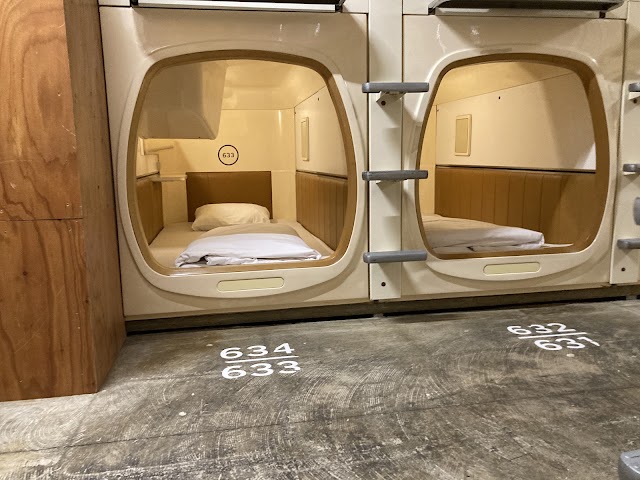
A large share of Tokyo's sauna hotels are men only — Karumaru in Ikebukuro is typical. At two in the morning that is a painful limitation: the men in the group have somewhere to go, the women do not, and everyone ends up in taxis, the most expensive outcome available. The fix is to keep mixed-gender options saved on your phone in advance: Thermae-yu in Shinjuku and Spa LaQua at Korakuen both qualify, and dosee Ebisu has a women-only floor.
Luggage is the other overlooked variable. Private booths at internet cafés and karaoke boxes cannot accommodate a large suitcase, and while most venues have lockers, the sizes are limited; bathhouse lockers are sized for personal effects. If you miss the last train with a suitcase, skip straight to a capsule or business hotel rather than shopping among the cheap options.
6. What is specific to August
Obon in 2026 runs from Thursday 13 to Sunday 16 August. Those four days and the weekends around them are the hardest of the year to hail a taxi, the earliest overnight buses sell out, and the peak for hotel rates — the worst possible window for an improvised overnight plan. Fireworks bring a different pressure: the Itabashi fireworks on 1 August and the Jingu Gaien fireworks on 8 August (reserve date the 9th) both trigger crowd control at nearby stations, where leaving is easy and entering is not. Effectively, your last train moves earlier. Watching fireworks and catching the last train are hard to do together in August; decide in advance which one you are giving up.
7. Practical templates
Alone, no luggage, simply missed the train: head for the nearest bathhouse or sauna and ride out five to six hours. The cost is roughly one medium taxi fare.
Three or four people: all-night karaoke is cheapest, but check the late-night entry rules for anyone under twenty.
With a suitcase: book a capsule or business hotel on your phone. Do not walk into an internet café and regret it.
Leaving Tokyo tonight anyway: an overnight coach merges accommodation and travel into one fare — but book well ahead during Obon.
Stuck in Roppongi or Nishi-Azabu: do not start by working out how to get home. Look first at where you can walk to and stay. In this district the late-night fare usually exceeds the admission fee.
Sources: Tokyo Metropolitan Bureau of Transportation, FY2026 timetable revision (https://www.kotsu.metro.tokyo.jp/pickup_information/news/bus/2026/bus_i_2026031812451_h.html ); Nikkei, "Toei buses suspend night operations at the end of March" (https://www.nikkei.com/article/DGXZQOCC062EF0W6A300C2000000/ ); Tabiris (https://tabiris.com/archives/tobus-rosen202604/ ); km Taxi, fare revision effective 20 April 2026 (https://www.km-taxi.tokyo/news/topics/2058 ); Spa LaQua official site (https://www.laqua.jp/spa/ ); Kaikatsu CLUB official site (https://www.kaikatsu.jp/ ); Jingu Gaien Fireworks 2026 official site (https://www.jinguhanabi.com/ ). Hours, prices and fare rules are subject to official announcements.
 Scan for map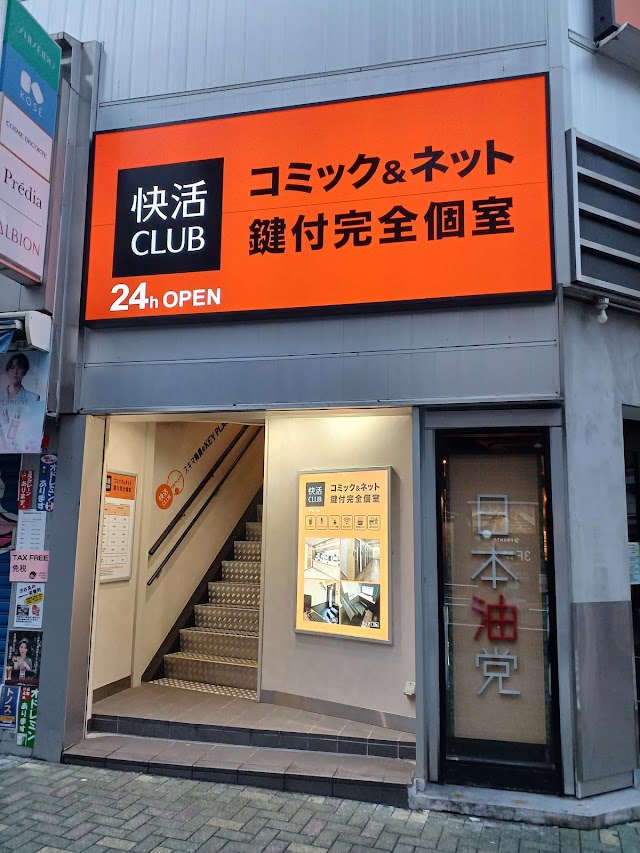
 Scan for map
 Scan for map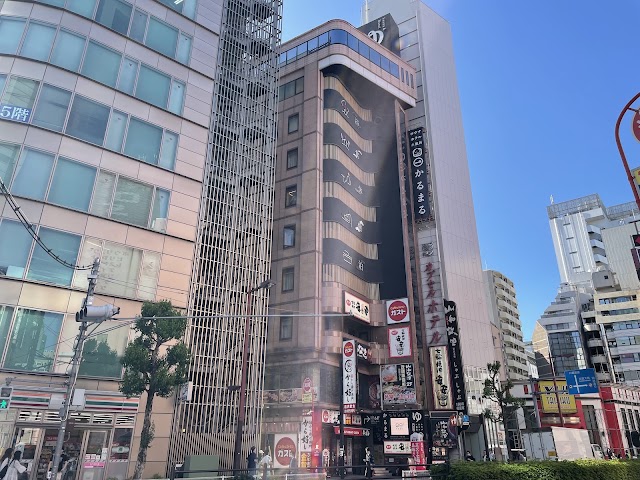
 Scan for map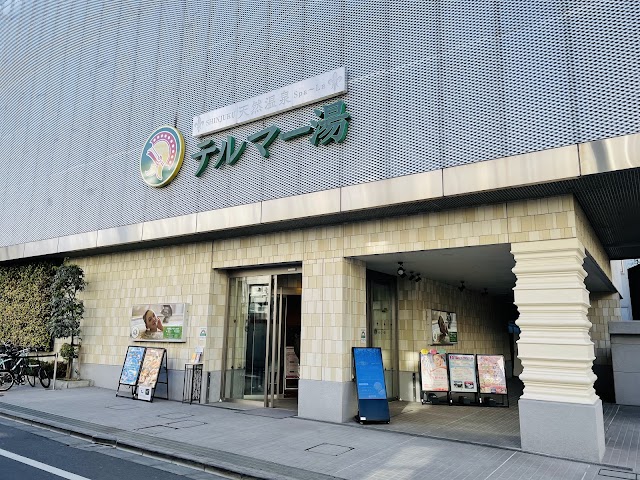
 Scan for map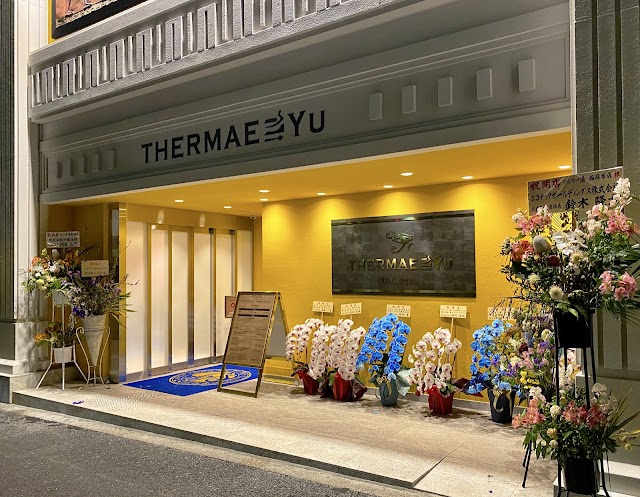
 Scan for map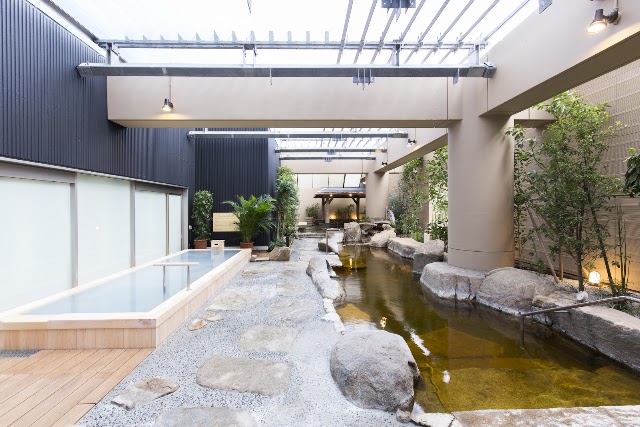
 Scan for map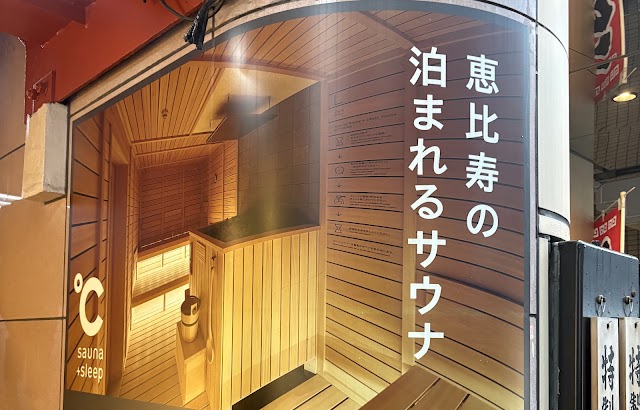
 Scan for map
 Scan for map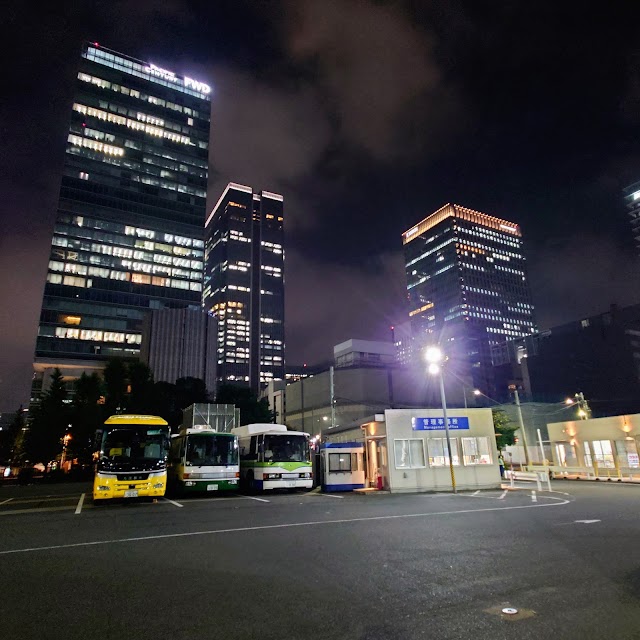
 Scan for map