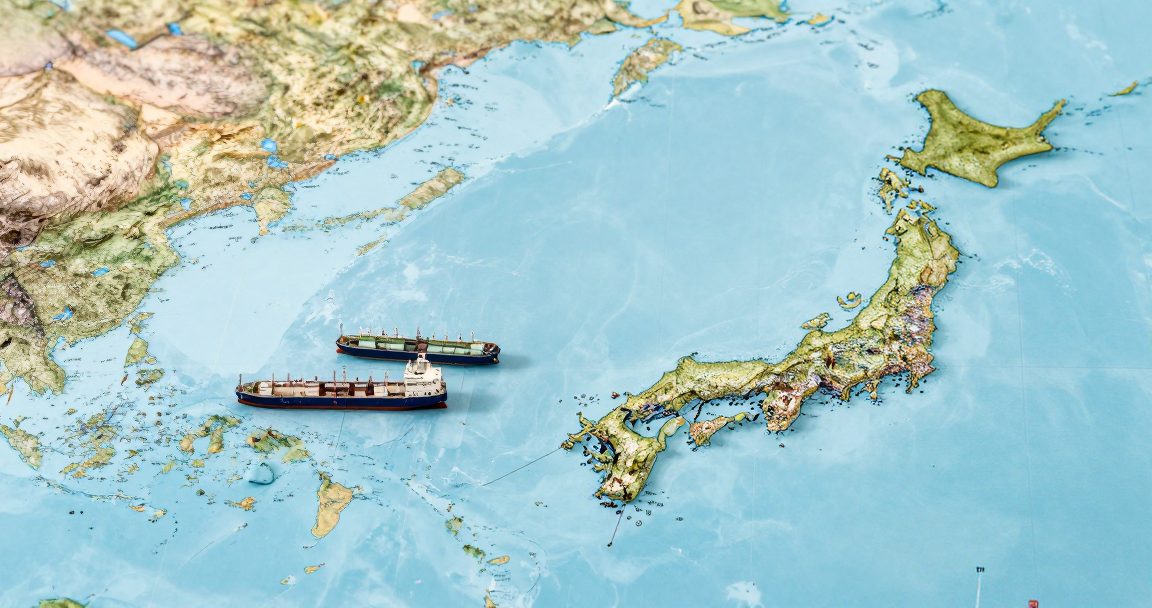
U.S. Crude Oil Exports To Japan Drop In June Amid Geopolitical Tensions

- U.S. crude oil exports to Japan declined in June compared to the previous month.
- Amid Middle East tensions, Japan is seeking the U.S. as an alternative oil supplier.
- A sustained decline in U.S. exports could impact Japan's energy stability.
- Japan is actively pursuing a diversified energy procurement strategy.
- The reduction may be linked to U.S. domestic demand or policy shifts.
NHK reports two facts: with Middle East tensions elevated, the United States has grown more important as an alternative crude supplier for Japan, and US crude exports fell month-on-month in June. Sustained, that would squeeze Japan's procurement. The article gives no figure for the decline, so none is invented here — the direction is the story, because Japan's whole strategy has been to shave its Middle East dependence, and a shrinking backup pushes that risk straight back.
Japan's crude comes overwhelmingly from Middle Eastern producers, nearly all of it through the Strait of Hormuz. That is why this belongs next to today's other story, in which Iran's foreign minister attached conditions — including US compensation — to reopening the passage. Japan's buffers are national and commercial petroleum reserves plus subsidies to fuel wholesalers. Both buy time; neither fixes supply.
Three paths: the Hormuz dispute settles within weeks and prices ease; US exports keep falling while the Middle East stays unstable, pushing fuel-adjustment charges and freight rates into consumer prices and forcing the Bank of Japan to recalculate energy inflation; or Tokyo widens wholesaler subsidies, capping pump prices while deferring the fiscal bill.
Taiwan buys from the same suppliers through the same strait. When Japan pays up for American crude, Taiwan's importers are bidding on the same curve — and Japan-bound fuel surcharges typically lag two to three months.