Iran Demands U.S. Compensation Before Reopening Hormuz Strait
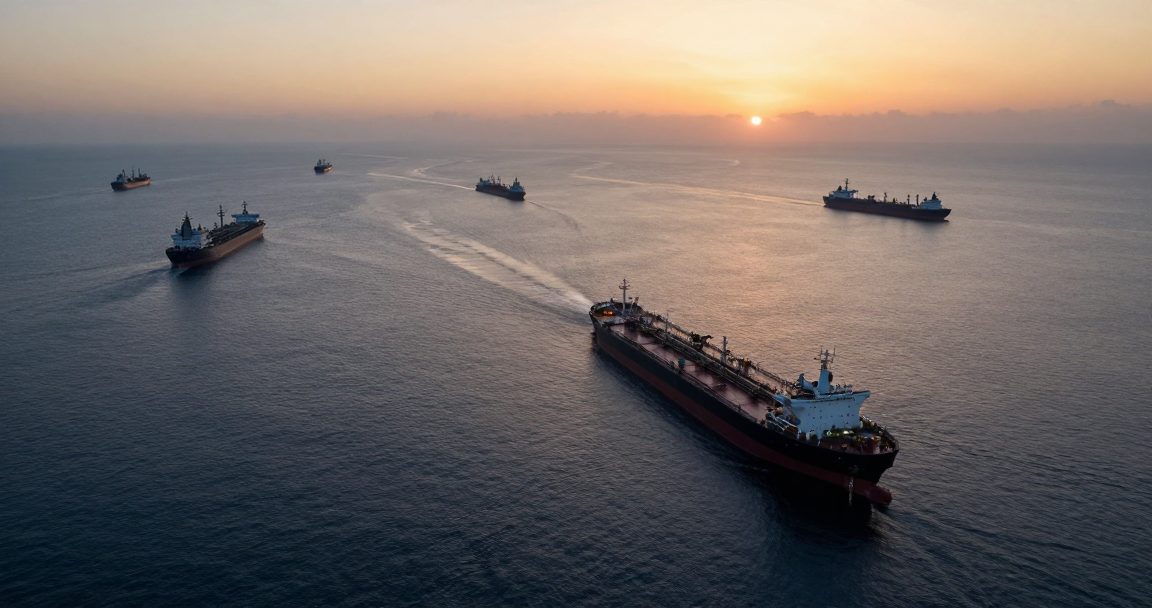
- Iranian Foreign Minister阿拉格チ stated that a deal with Oman on the Hormuz Strait is nearly finalized.
- Iran insists that the U.S. must provide compensation for past sanctions before resuming navigation.
- U.S. has not yet clearly responded to Iran's compensation demand, causing negotiations to stall.
- The Hormuz Strait is a critical route for global oil shipments, affecting energy markets.
- Tensions between Iran and the U.S. remain high, with compensation as a key issue.
Taiwanese readers should care about the standoff between Iran and the U.S. over the Hormuz Strait because it is a critical route for global oil shipments. Any disruption could cause sharp fluctuations in international oil prices, directly affecting Taiwan's energy imports and living costs. Iran's demand for U.S. compensation is not just a political negotiation—it's a test of U.S. economic and diplomatic credibility.
According to Iran's Foreign Minister, the deal with Oman is nearly finalized, but the U.S. compensation issue remains a key obstacle. This reflects Iran's deep distrust of the U.S. and highlights the waning influence of the U.S. in the Middle East. If the U.S. refuses to compromise, Iran may take unilateral actions, even potentially closing the strait, which would have a major impact on global energy markets.
In the past, tensions between Iran and the U.S. have led to incidents like the 2019 seizure of a British oil tanker and missile tests in 2020, which raised international concerns. If history repeats itself, global uncertainty will increase.
The key to watch is whether the U.S. will make concessions on the compensation issue and whether Iran will take further actions before an agreement is reached. The status of navigation in the Hormuz Strait and global oil price movements will also be important indicators to follow.